
Celebrating the Unsung Heroes of Allied Healthcare
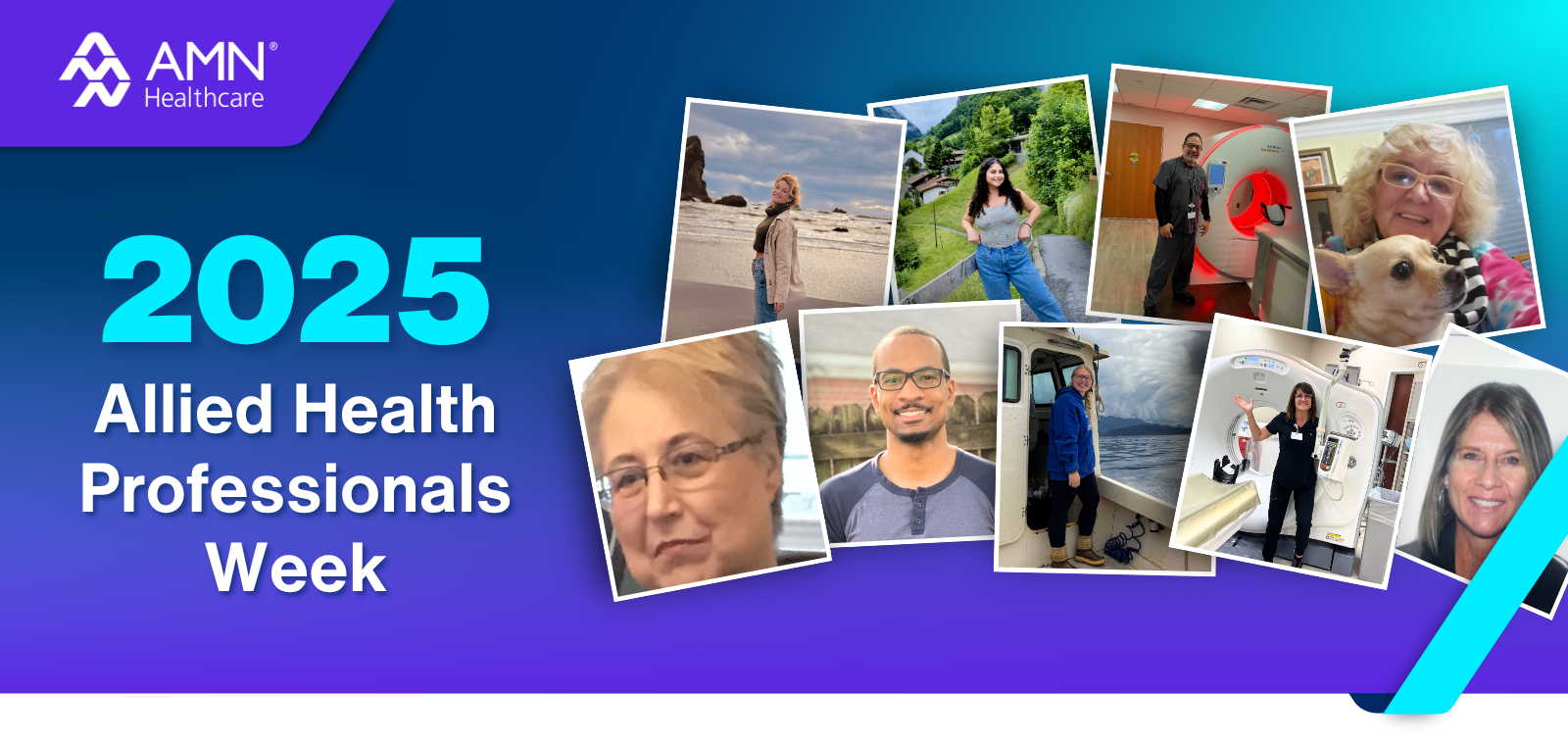
Every November, during the first full week of the month, National Allied Healthcare Week (November 3rd–9th) offers a moment to pause and recognize the vital contributions of professionals who often work behind the scenes. At AMN Healthcare, we celebrate this time as Allied Healthcare Professionals Appreciation Week, honoring the individuals who bring skill, compassion, and innovation to their roles every day.
These professionals are the backbone of modern healthcare. From CT technologists and sonographers to respiratory therapists and physical therapists, they make healing possible with unwavering dedication. Their impact is felt in every corner of patient care, yet their work often goes unnoticed by those outside the healthcare system.
This week, we shine a spotlight on the allied health professionals who keep our healthcare systems running smoothly and safely.
The Unsung Heroes of Healthcare
Not all heroes wear lab coats or scrubs. Some work in imaging rooms, guiding patients through scans that reveal critical diagnoses. Others lead therapy sessions that restore mobility and independence. Many more provide life-saving respiratory support or assist in complex surgical procedures.
Allied healthcare professionals contribute both emotional and physical labor to patient care. They comfort anxious patients before procedures, collaborate with physicians to develop treatment plans, and ensure that every diagnostic image is clear and accurate. Their expertise often determines the speed and success of a patient's recovery.
Despite their essential role, these professionals frequently operate in the background. Their contributions are woven into the fabric of healthcare, but rarely celebrated in the same way as doctors or nurses. That's why National Allied Healthcare Week matters—it's a chance to recognize the people who make modern medicine possible.
Spotlight on Critical Demand Disciplines
The demand for allied healthcare professionals has never been higher. Staffing shortages, an aging population, and advances in medical technology have created urgent needs across multiple disciplines. Let's explore some of the roles that are most critical to patient care today.
CT Technologist
CT technologists operate computed tomography scanners to create detailed cross-sectional images of the body. These images help physicians diagnose everything from traumatic injuries to cancer. CT technologists must balance technical precision with patient care, ensuring that anxious or injured patients feel safe and supported during their scans.
The demand for CT technologists continues to grow as healthcare facilities expand their imaging capabilities. Their expertise is essential in emergency departments, oncology centers, and surgical planning.
Sonographer
Sonographers use ultrasound technology to create images of internal organs, tissues, and developing fetuses. They play a crucial role in prenatal care, cardiac diagnostics, and abdominal imaging. Beyond technical skill, sonographers must communicate effectively with patients and physicians, translating complex images into actionable insights.
As ultrasound technology becomes more sophisticated, the need for skilled sonographers has increased across hospitals, clinics, and specialty practices.
Certified Radiology Technologist
Radiology technologists perform X-rays and other imaging procedures that help diagnose broken bones, infections, and diseases. They work in fast-paced environments, from emergency rooms to outpatient centers, and must adapt quickly to each patient's needs.
Their role extends beyond operating equipment. They ensure patient safety by following radiation protocols and positioning patients correctly for optimal imaging results.
Physical Therapist
Physical therapists help patients recover from injuries, surgeries, and chronic conditions by developing personalized treatment plans that improve mobility and reduce pain. They work with patients of all ages, from athletes recovering from sports injuries to elderly individuals regaining independence after a stroke.
The demand for physical therapists is particularly high as the population ages and more people seek non-invasive alternatives to surgery and medication.
Registered Respiratory Therapist
Respiratory therapists manage patients with breathing disorders, from asthma and COPD to critical conditions requiring ventilator support. They are often the first responders in respiratory emergencies and play a lifesaving role in intensive care units.
The COVID-19 pandemic highlighted the essential nature of respiratory therapy, and demand for these professionals remains elevated as healthcare systems prepare for future respiratory health challenges.
Cath Lab Technologist
Cath lab technologists assist cardiologists during cardiac catheterization procedures, which diagnose and treat heart conditions. These highly specialized professionals operate imaging equipment, monitor patients during procedures, and ensure that sterile protocols are maintained.
Their expertise is critical in interventional cardiology, where timely and precise imaging can mean the difference between life and death.
Essential Support Roles
Beyond the critical demand disciplines, several other allied health roles provide essential support across healthcare settings. These professionals contribute to patient recovery, diagnostics, and specialized care.
Occupational Therapist
Occupational therapists help patients develop or regain the skills needed for daily living and working. They work with individuals recovering from injuries, children with developmental delays, and seniors managing age-related decline. Their interventions improve quality of life and promote independence.
Vascular Interventional Technologist
These technologists assist physicians during minimally invasive vascular procedures. They operate imaging equipment, prepare patients, and ensure that procedures run smoothly. Their work supports the growing field of interventional radiology, which offers less invasive alternatives to traditional surgery.
MRI Technologist
MRI technologists operate magnetic resonance imaging scanners to produce detailed images of soft tissues, organs, and the nervous system. They must manage complex equipment while keeping patients calm during lengthy procedures. MRI technology continues to advance, creating ongoing demand for skilled technologists.
Mammography Technologist
Mammography technologists specialize in breast imaging, performing screenings that detect early signs of breast cancer. Their compassionate approach helps ease patient anxiety during what can be a stressful experience. Early detection saves lives, and mammography technologists are at the forefront of preventive care.
Physical Therapist Assistant (PTA)
PTAs work under the supervision of physical therapists to implement treatment plans and guide patients through exercises. They provide hands-on care that helps patients regain strength and mobility. As demand for physical therapy grows, so does the need for qualified PTAs.
Specialized Experts
Some allied health professionals work in highly specialized areas that require advanced training and niche expertise.
Nuclear Medicine Technologist
Nuclear medicine technologists administer radioactive drugs to patients and use specialized cameras to create images that show how organs and tissues function. Their work is essential in diagnosing cancer, heart disease, and neurological disorders. This field represents the cutting edge of precision medicine.
Certified Occupational Therapy Assistant (COTA)
COTAs assist occupational therapists in delivering patient care, particularly in rehabilitation settings. They help patients practice activities that improve coordination, strength, and cognitive function. Their support is vital in helping individuals return to meaningful daily activities.
Explore Nationwide Allied Travel Jobs
Why Appreciation Matters
Allied healthcare professionals face significant challenges. Burnout is common in high-stress environments where staffing shortages stretch resources thin. Many work long hours, often rotating between shifts that disrupt sleep and personal time. The emotional toll of caring for sick and injured patients adds another layer of difficulty.
Despite these challenges, allied health professionals show up every day with dedication and compassion. They deserve recognition not just during National Allied Healthcare Week, but year-round. Simple gestures—a thank-you note, public acknowledgment, or professional development opportunities—can make a meaningful difference.
At AMN Healthcare, you are our priority. We're committed to supporting our allied health professionals through personalized career guidance, hands-on support for seamless travel assignments, and extensive resources like our Employee Assistance Program (EAP).
Your journey with AMN is designed to empower you every step of the way. Connect with our team of expert recruiters and explore thousands of jobs to make your career your own remarkable adventure.
Let’s shine a light on those who often work in the shadows—our unsung heroes of healthcare.