

Celebrating National Radiologic Technology Week: Honoring Imaging Professionals Who Advance Patient Care
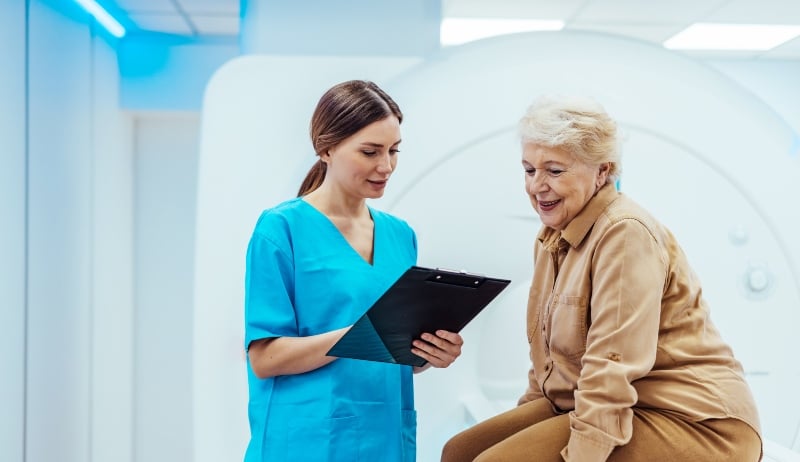
Every day, radiologic technologists and imaging professionals help healthcare providers see what cannot be seen with the naked eye. Through advanced imaging technologies, these professionals play a critical role in diagnosing injuries, detecting disease, guiding treatment decisions, and supporting better patient outcomes.
National Radiologic Technology Week® serves as an opportunity to recognize the expertise, compassion, and dedication imaging professionals bring to healthcare. The field continues to evolve through innovation and technology, creating exciting opportunities for professionals across a wide range of specialties. Celebrating National Radiologic Technology Week 2026 highlights the important role imaging professionals play in modern healthcare.
The Importance of Medical Imaging
Medical imaging has transformed healthcare by allowing providers to diagnose conditions with greater accuracy, precision, and efficiency. Imaging technologies help healthcare teams:
- Diagnose injuries and illnesses
- Monitor treatment progress
- Identify conditions earlier
- Guide minimally invasive procedures
- Support cancer treatment planning
From emergency departments to outpatient imaging centers, radiologic professionals help deliver the diagnostic information providers need to make informed clinical decisions.
Search Radiation Therapist Jobs
The Many Specialties Within Radiologic Technology
Radiologic technology encompasses a diverse range of specialties, each contributing uniquely to patient care.
Radiologic Technologists
Radiologic technologists perform diagnostic imaging procedures that help physicians evaluate injuries and illnesses using X-ray technology.
CT Technologists
CT technologists produce detailed cross-sectional images that assist providers in diagnosing complex conditions quickly and accurately.
MRI Technologists
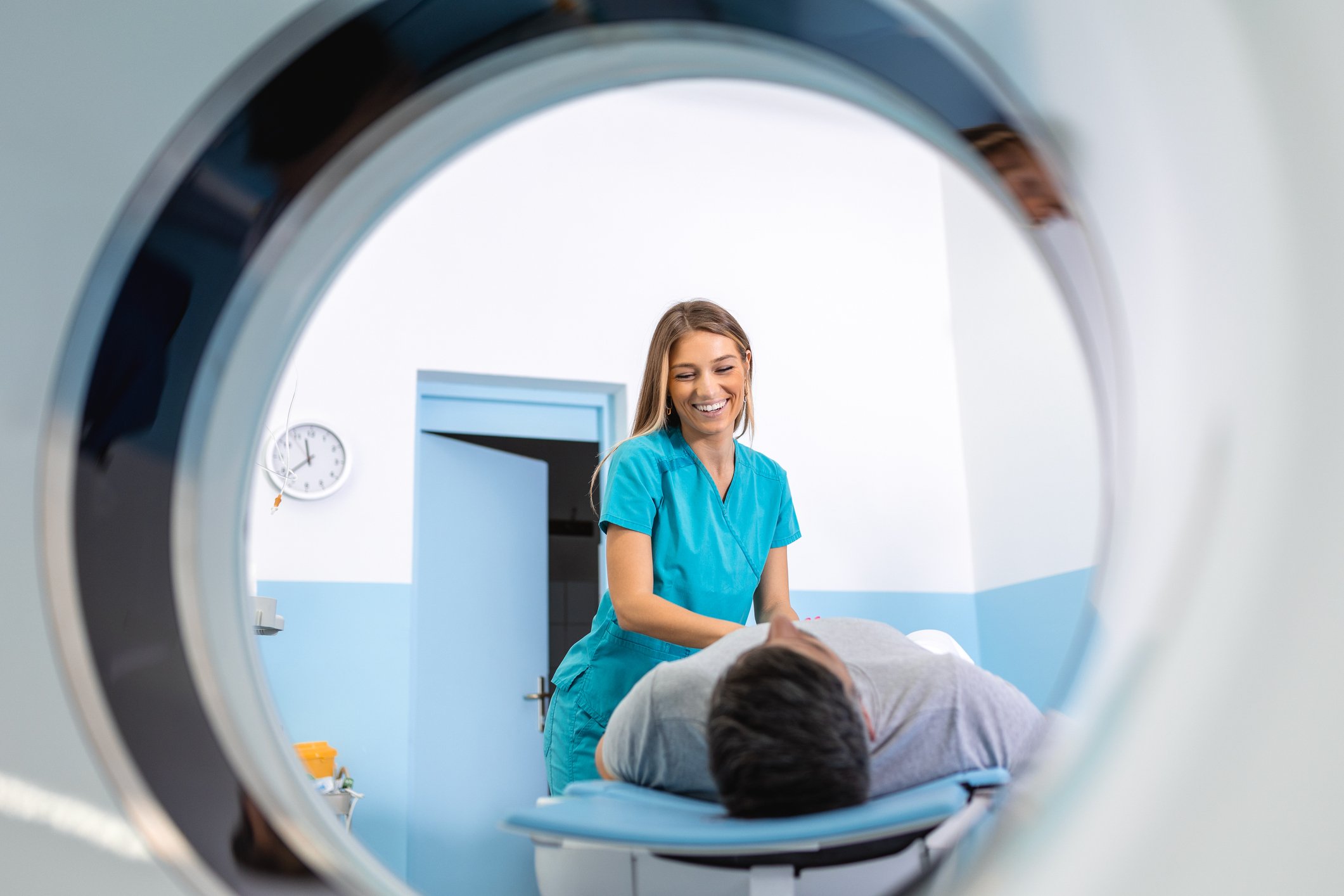
Using advanced magnetic resonance imaging technology, MRI technologists help visualize soft tissues, organs, and structures with exceptional detail.
Sonographers
Sonographers use ultrasound technology to support patient care across specialties including obstetrics, vascular imaging, cardiology, and general imaging.
Nuclear Medicine Technologists
Nuclear medicine techs use radiopharmaceuticals and specialized imaging equipment to evaluate organ function and assist with disease diagnosis and treatment planning.
Radiation Therapists
Radiation therapists work closely with oncology teams to deliver targeted treatments that support cancer care and improve patient outcomes.
Why Imaging Professionals Are in Demand
As healthcare organizations continue expanding diagnostic and treatment capabilities, demand remains strong across imaging specialties. Advances in technology, increased utilization of diagnostic imaging, and growing healthcare needs have created opportunities for skilled imaging professionals nationwide. Healthcare facilities rely on these clinicians to provide accurate imaging, maintain patient safety, and support timely diagnoses.
Exploring Travel Imaging Careers
Many imaging professionals choose travel healthcare as a way to expand their clinical experience while exploring new locations. Travel opportunities can provide:
- Competitive compensation
- Flexible assignment options
- Experience in diverse healthcare settings
- Exposure to advanced technologies
- Professional growth opportunities
Travel assignments allow imaging professionals to continue making a difference while experiencing new challenges and opportunities.
Celebrating Imaging Professionals
This National Radiologic Technology Week, we recognize the professionals whose expertise helps make high-quality patient care possible. Their dedication, technical skill, and commitment to patient safety continue to strengthen healthcare organizations across the country.
Explore Imaging Opportunities with AMN Healthcare
Whether you're an experienced imaging professional or ready for a new adventure, AMN Healthcare offers opportunities nationwide to help you advance your career while making an impact on patient care.