

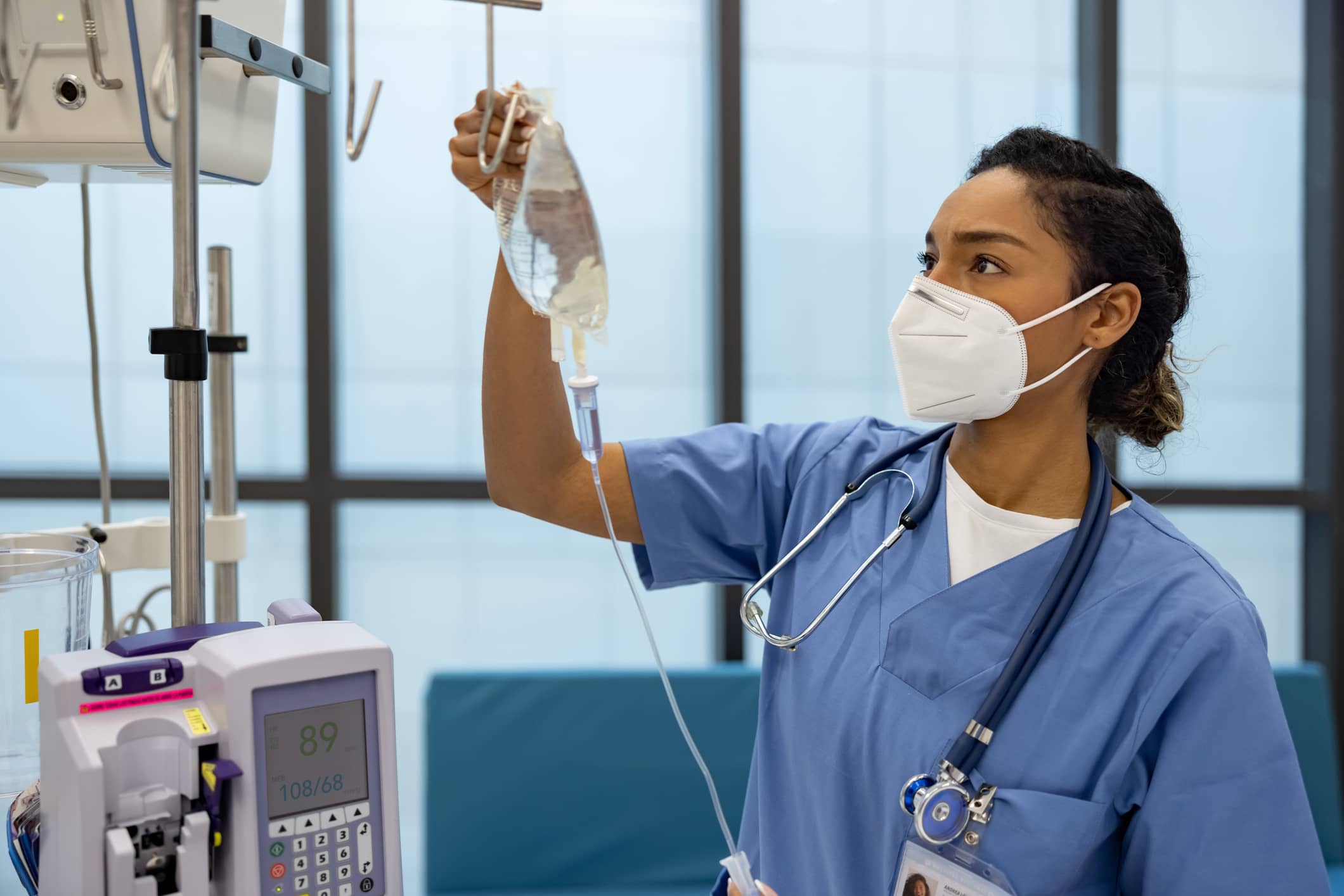
Top 10 ICU Nursing Skills Every Critical Care Nurse Needs
Working in the Intensive Care Unit requires a unique combination of technical expertise, quick thinking, and emotional resilience. ICU nurses care for the most critically ill patients in the hospital, making split-second decisions that can mean the difference between life and death.
The specialized nature of intensive care nursing means that success depends on mastering both hard and soft skills. While technical competencies like ventilator management and medication administration form the foundation, communication abilities and stress management often determine long-term career satisfaction.
Whether you're a new graduate considering ICU nursing or an experienced nurse looking to sharpen your critical care skills, understanding these competencies will help you thrive in one of healthcare's most demanding and rewarding environments.
Essential Technical Skills for ICU Nurses
Advanced Cardiac Monitoring and Interpretation
ICU nurses must master the interpretation of complex cardiac rhythms and hemodynamic monitoring. This includes understanding arterial lines, central venous pressure monitoring, and pulmonary artery catheters. Recognizing dangerous arrhythmias and responding appropriately can prevent cardiac arrest and save lives.
Beyond basic EKG interpretation, critical care nurses need to understand the nuances of ST-elevation, T-wave changes, and QT prolongation. They must also be proficient in operating defibrillators, synchronized cardioversion, and external pacing devices.
Ventilator Management and Respiratory Care
Mechanical ventilation is a cornerstone of ICU care, and nurses must understand ventilator modes, settings, and troubleshooting. This includes recognizing when patients are fighting the ventilator, identifying equipment malfunctions, and knowing how to respond to ventilator alarms.
ICU nurses also perform respiratory assessments, manage tracheostomies, and assist with procedures like bronchoscopies. Understanding blood gas interpretation and the relationship between ventilator settings and patient outcomes is crucial for providing safe, effective care.
Medication Administration and IV Therapy
Critical care patients often require multiple vasoactive drips, sedation, and pain management medications simultaneously. ICU nurses must calculate complex dosages, understand drug interactions, and recognize adverse effects quickly.
Proficiency in central line management, including PICC lines, dialysis catheters, and arterial lines, is essential. Nurses must maintain sterile technique, recognize signs of infection, and troubleshoot access issues while ensuring patient safety.
Critical Thinking and Assessment Skills Rapid Patient Assessment
ICU nurses develop an acute ability to perform comprehensive head-to-toe assessments quickly and identify subtle changes in patient condition. This includes recognizing early signs of sepsis, neurological changes, and hemodynamic instability.
The ability to prioritize multiple competing demands while maintaining situational awareness separates novice nurses from experienced critical care professionals. Expert ICU nurses can walk into a room and immediately identify the most pressing concerns.
Clinical Decision-Making Under Pressure
Critical care environments require nurses to make rapid decisions with incomplete information. This skill develops over time through experience, mentorship, and continuous learning. Successful ICU nurses learn to trust their clinical judgment while knowing when to escalate concerns to physicians.
Decision-making in the ICU also involves understanding when to deviate from protocols based on individual patient needs and clinical presentation. This requires deep understanding of pathophysiology and treatment rationales.
Communication and Interpersonal Skills Family Communication and Support
ICU nurses often serve as the primary communication link between the medical team and families during their most vulnerable moments. This requires exceptional emotional intelligence, empathy, and the ability to explain complex medical information in understandable terms.
Providing comfort and support to families while maintaining professional boundaries is a delicate balance. ICU nurses must also recognize when families need additional resources like chaplain services or social work support.
Interprofessional Collaboration
Critical care is inherently a team sport, requiring seamless collaboration between nurses, physicians, respiratory therapists, pharmacists, and other healthcare professionals. Effective communication during emergencies and routine care prevents errors and improves patient outcomes.
ICU nurses must be comfortable advocating for patients and questioning orders when necessary. This requires confidence, clinical knowledge, and strong communication skills to maintain positive working relationships while ensuring patient safety.
Emotional and Physical Resilience Stress Management and Self-Care
The high-stress environment of the ICU can lead to burnout if nurses don't develop effective coping strategies. Successful critical care nurses learn to compartmentalize difficult situations, seek support when needed, and maintain work-life balance.
Physical stamina is equally important, as ICU nurses are constantly on their feet, frequently lifting and repositioning patients, and managing multiple critical situations simultaneously. Regular exercise, proper nutrition, and adequate rest are essential for sustained performance.
Emotional Intelligence and Compassion
Working with critically ill patients and their families requires emotional maturity and the ability to provide comfort during extremely difficult circumstances. ICU nurses witness death, suffering, and family trauma regularly, making emotional resilience crucial for career longevity.
Developing healthy ways to process difficult experiences, whether through debriefing sessions, employee assistance programs, or personal support systems, helps prevent compassion fatigue and maintains the ability to connect with patients and families.
Technology and Equipment Proficiency Medical Device Management
Modern ICUs are filled with sophisticated monitoring equipment, infusion pumps, mechanical assist devices, and life support systems. ICU nurses must become proficient with multiple types of technology and be able to troubleshoot basic equipment problems.
This includes understanding how different devices interact with each other and recognizing when equipment malfunction might be contributing to patient instability. Technology competency also extends to electronic health records and medication administration systems.
Continuous Learning and Adaptation
Healthcare technology evolves rapidly, and ICU nurses must commit to lifelong learning to stay current with new equipment, procedures, and evidence-based practices. Many hospitals require ongoing competency validation for high-risk skills and equipment.
Seeking out additional training opportunities, attending conferences, and pursuing specialized certifications like CCRN (Critical Care Registered Nurse) demonstrates commitment to excellence and can lead to career advancement opportunities.

Your Path to ICU Nursing Excellence
Developing expertise in intensive care nursing takes time, dedication, and the right opportunities to learn and grow. These skills form the foundation for a successful career in critical care, but remember that mastery comes through experience, mentorship, and continuous learning.
Ready to discover exciting ICU nursing opportunities? Connect with our nursing recruitment specialists to explore positions that match your skills and career goals.