
Success Path for VRI Interpreters: From Application to Onboarding
In this episode, host Natalia J., a CMI-certified Spanish interpreter and member of AMN's Talent Acquisition team, walks us through the complete journey a Video Remote Interpreter (VRI) takes from submitting an application all the way to going live on the platform.
Joined by a panel of experts who have walked this path themselves, this episode breaks down every step of the process with transparency and practical advice. This episode gives you a behind-the-scenes look at what it takes to join one of the most supportive interpreting teams in the industry.
Key Takeaways
- Craft a resume that stands out. Learn what specific information our recruiters look for and what common mistakes will get your application overlooked.
- Ace the language assessment. The panel shares tips on how to prepare for the on-demand, third-party assessment and what to expect on test day.
- Set up your home office for success. Find out the exact technical and environmental requirements for your remote workspace to ensure you're ready to go live.
- Get the right gear and support. AMN provides the necessary equipment and guided support, so your setup is perfect from day one.
- You're part of a team. Discover the extensive support system available to interpreters.
- Certifications and career paths. The panel discusses the role of certifications in your application and the real opportunities for career growth within AMN.
- Grow with us. Learn how AMN's commitment to internal promotion can turn a job into a long-term career, as illustrated by the panelists' own journeys.
Meet the Panelists
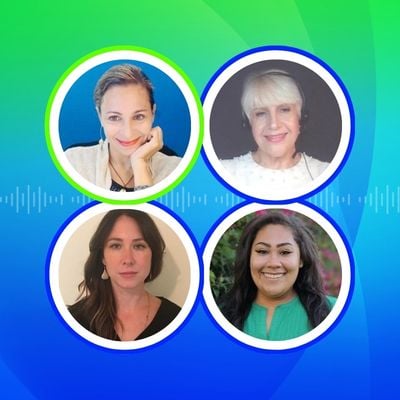
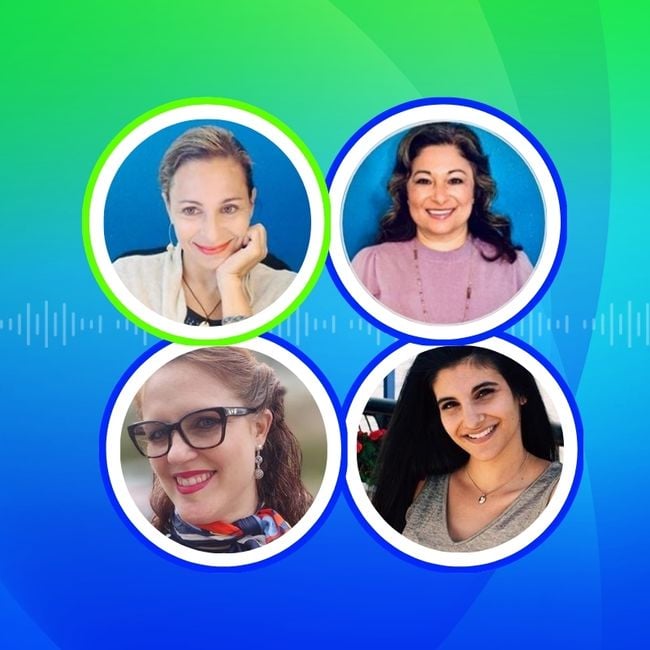
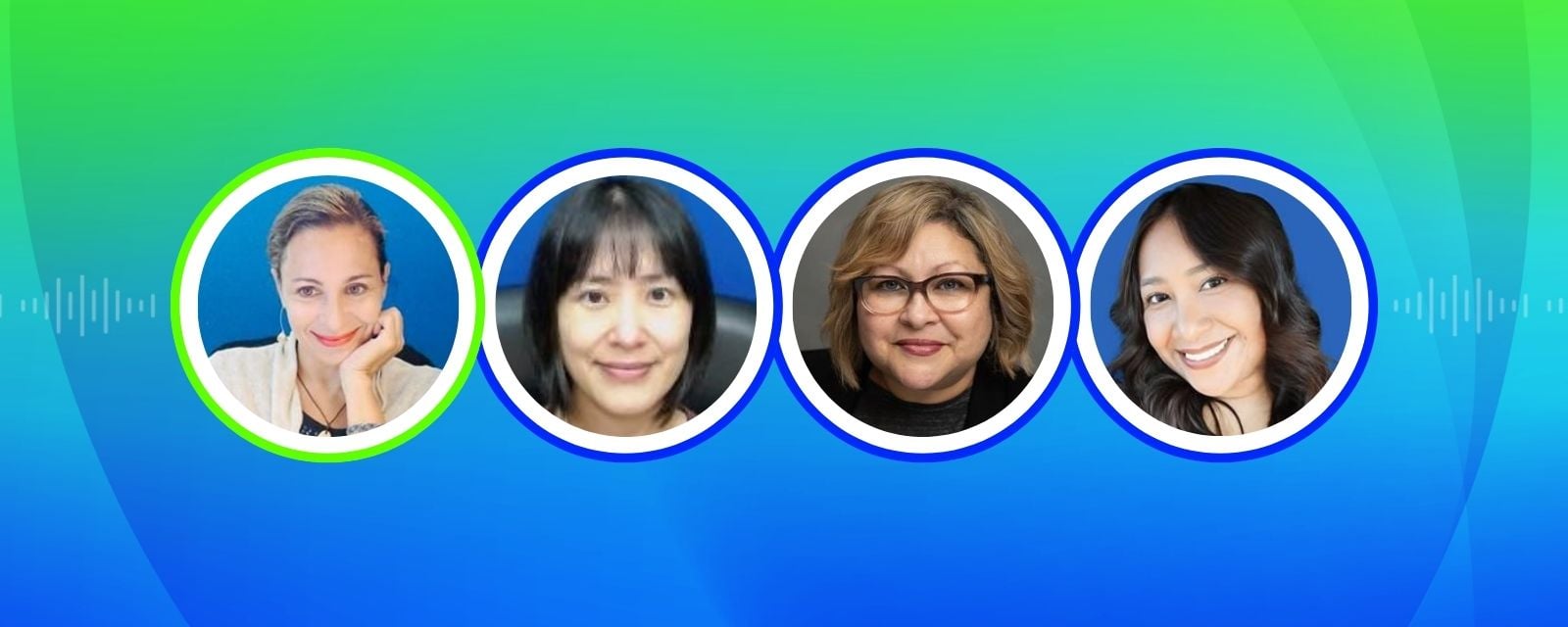
- Natalia J. — Host, Talent Acquisition Team, AMN Language Services
Natalia J. is a CMI-certified Spanish interpreter with many years of interpreting experience. She is a member of AMN's Talent Acquisition team. - Mei H. — Cantonese & Mandarin VRI Interpreter, AMN Language Services
Mei has been a medical interpreter for 8.5 years and has been with AMN for 6.5 years. Originally from abroad and now based in Virginia, she started her AMN journey without a certification and earned it while working with the company. Her experience offers an authentic, on-the-ground perspective on what it's really like to go live as a VRI interpreter. - Karla R. — Recruiting Supervisor, Talent Acquisition, AMN Language Services
Karla has been with AMN for approximately 9 years and has over 20 years of interpreting experience. She joined AMN as a VRI interpreter and was promoted into the Talent Acquisition team, where she now evaluates candidates' knowledge of ethics, standards of practice, and overall fit for the VRI role. - Karla P. — Office Verification Coach, AMN Language Services
Based in Dallas, TX, Karla P. joined AMN as an operator before stepping into her current role as an Office Verification Coach. She guides new hires through the home office setup process, ensuring every interpreter has the right environment and equipment to work effectively and maintain client privacy.
Chapter Index
[00:03:39] Welcome & Panel Introductions
[00:08:13] Why Medical Interpreting Matters
[00:10:48] Interpreter Qualifications & Requirements
[00:16:54] Language Assessment & Interview Process
[00:26:10] Current Openings & Equipment Setup
[00:31:36] Training, Support & Life as an AMN Interpreter
[00:40:17] Final Thoughts & Closing Advice
Full Transcript
[3:39] NATALIA J.: Hello, welcome to our show, Making Meaning. My name is Natalia J. Lehirong, and I'm going to be your host today. I'm a Spanish interpreter myself — for many, many years — and I'm CMI certified. I'm also a member of the Talent Acquisition team of AMN Language Services.
[3:56] NATALIA J.: Now joining me here today — which is very important because they helped me out a lot — we have Brandon Hill, our CDI interpreter, and off screen we have Sasha, who is our ASL interpreter. They do a great job, and without them I wouldn't be able to do this. So thank you very much to both. I appreciate it.
[4:13] NATALIA J.: Now, to our audience: this is a live show, and this is a wonderful way for you to connect with us. We want to hear from you. We actually have a chat going here. Tell us where you're watching from — drop your comments, drop your questions. This is a wonderful way to connect with us. We always get a lot of questions, so we are here to help.
[4:33] NATALIA J.: Already, we have Patty Soto joining us from Mexico. Welcome, Patty. We're happy to have you here. Please, again, use the chat box — that's what it's here for. Thank you very much.
[4:44] NATALIA J.: Today's topic is actually a very interesting topic, and we get asked a lot of questions about it. People always want to know: how do we work with AMN? So that is the topic today. What is the successful path for video remote interpreters, all the way from the application to the onboarding process?
[5:02] NATALIA J.: So let's take a look at that path. It is a successful path. First and foremost, we're going to talk about showing qualifications on your resume, then the language assessment, then the interview process, the equipment setup, and finally prepping to go live.
[5:22] NATALIA J.: Now, to be able to learn about each and every one of these things, of course, we need people that are specialists on the topic. And for that, we brought along a wonderful panel of guests. So without much further ado, let's bring them all out.
[5:37] NATALIA J.: Hello, ladies. Thank you. Thank you for being here. I wouldn't be able to do this without you. Welcome. And let's take a couple of minutes — just go around the room, introduce yourselves, let us know who you are. Mei, let's begin with you.
[5:57] MEI H.: My name is Mei. I am a Cantonese and Mandarin interpreter for AMN. Just a little bit about myself — I have been an interpreter and translator for a very long time. I lost count. But specifically as a medical interpreter, I've been doing that for eight and a half years, and I've been working for AMN for the past six and a half years. Currently, I'm living in Virginia with my husband and two sons. I actually moved to the U.S. about ten years ago, so it's been ten years here.
[6:36] NATALIA J.: Thank you. Thank you for being here today. I appreciate that. Karla R., tell us about yourself.
[6:43] KARLA R.: Good morning, everybody. My name is Karla, and I am a Recruiting Supervisor for Talent Acquisition here at AMN. I've actually been working for AMN for about nine years. I've been interpreting for a little bit over twenty years. I started with AMN as a VRI interpreter, and thanks to AMN's culture of promoting from within, I was given the opportunity to move into Talent Acquisition recruitment, starting as a Hiring Specialist, and have been able to grow from there within the department. I've been very thankful for those opportunities.
[7:19] NATALIA J.: Thank you. Thank you for being here, Karla. Karla P., tell us about you.
[7:23] KARLA P.: Hi, everybody. My name is Karla. I have been with AMN for about seven years now. When I joined the company, I started as an operator and got promoted within the company as well. I went to the Attendance Line, and now I am one of the Office Verification Coaches here, and I am based in Dallas, TX.
[7:45] NATALIA J.: Thank you, thank you. So, thank you again to the three of you for joining me here today. We have a lot of people joining us on the chat. We have Julio from Nicaragua — hello, Julio — Rosey Media from Puerto Rico, and we have Piran from India. That is wonderful. Imperia is joining us from Utah. Thank you, thank you very much. Again, use the chat box, drop the comments, the questions, and we're going to be going through them as we go along.
[8:11] NATALIA J.: So let's get to it. Let's get to know the panel a little bit more. Mei, let's begin with you. What inspired you to become a medical interpreter?
[8:20] MEI H.: I started as a community interpreter — a little bit of business too — and then I had this opportunity to become a medical interpreter. I was like, "I need to challenge myself." I like challenges. And also, being a medical interpreter, I can help a lot of people in need when they are most desperate — like going to doctor's appointments, going through surgeries, things like that. So I just grasped the opportunity, and I think that's my path.
[9:02] NATALIA J.: Thank you. And you are right — medical interpretation is very challenging, and we're going to get into that eventually. Karla R., tell us about your transition from being an interpreter to working in the Talent Acquisition department.
[9:15] KARLA R.: Absolutely. Like I mentioned before, I had a vast experience working as a medical interpreter, and that allowed me the opportunity to come into the Talent Acquisition recruitment team — to evaluate and engage other interpreters as far as their knowledge of ethics and standards of practice, and the opportunity to evaluate if they'd be a good fit for the VRI team. It's been a wonderful transition, and I've enjoyed every minute of it.
[9:48] NATALIA J.: And you actually mentioned something which is very, very vital — the fact that AMN promotes from within. You're a great example of that. So thank you. Thank you, Karla. And Karla P., what is your favorite part about helping interpreters get set up for success?
[10:04] KARLA P.: My favorite part is just being able to support our interpreters as they join this amazing team. I just love working with them, speaking with them, and making them feel comfortable through the process — guiding them and always supporting any of their needs and answering any questions they may have.
[10:25] NATALIA J.: Yes, thank you. That's one of the things about AMN that I think makes it stand out as an employer — you are always having somebody there to help you. And I can attest to that myself. So it's a wonderful thing. Thank you, Karla.
[10:38] NATALIA J.: We have some people joining us again, and it's wonderful. We have Kareli from Chihuahua, and Justin is joining us from Haiti. Thank you to all. Welcome.
[10:48] NATALIA J.: OK, so let's talk a little bit about the success path itself. For that, we have Karla R. Before we dive into the specifics, can you give us a high-level overview of the success path for candidates looking to work with us as a video remote interpreter?
[11:04] KARLA R.: Absolutely. The first step is to go to our website — that information will be shared in a little bit — and explore the opportunities that we might have available. From there, you would apply for the opportunity if it's there for you. Then we make arrangements for one of our recruiters to evaluate your resume, pre-screen, and have a discussion with you about the job details. If they find that you have the qualifications to move forward, arrangements are made for a language assessment, and that needs to be passed in order to move forward to an interview.
[11:40] KARLA R.: From there, if you're hired, then we make the arrangements for the equipment to be sent to you and for that equipment to be set up. There's the opportunity for training that all of the new hires go through, and from there you join the team of interpreters. You're supported by a Language Operations Manager — who is also an interpreter — a group of team leads who are also interpreters, and a range of other interpreter support specialists.
[12:11] NATALIA J.: Yes, thank you. And for the application process, go to our website: amnhealthcare.com/interpreters. I'm going to be repeating that as we go along, because it's very important that you remember that.
[12:27] NATALIA J.: Muhammad here is joining us from Bangladesh. He would like to know how to get promoted within AMN and how to find out about those opportunities. Karla R., can you help us with that question?
[12:37] KARLA R.: Absolutely. We have an internal application that employees can use to check for those opportunities, and they are also posted on our website. So those are two places that you would want to look to see any upcoming opportunities that might be available for you to move into.
[12:58] NATALIA J.: Thank you. Thank you for that very, very valuable information. OK, so let's begin. Let's talk about the qualifications that need to appear on the resume. Now, you would think this is something very self-explanatory, but you would be surprised — it is such an important aspect of a candidate's application. So let's learn a little bit about that.
[13:17] NATALIA J.: Mei, let's begin with you. When you think about when you first applied to AMN, how did you get qualified before submitting your application? Tell us about that.
[13:27] MEI H.: Before I submitted my application, I already had two years of experience as a medical interpreter. That's mainly it. And I wasn't certified yet at that point, but I was thinking about it — and I actually got certified while I was working here with AMN.
[13:49] NATALIA J.: And that certification is an added plus — a very good added plus. Thank you for that. OK, Karla R., what qualifications should candidates be sure to include on the resume to make them stand out — so that we as recruiters pay attention?
[14:01] KARLA R.: Absolutely. To start off, we want to see a good, strong, professional-looking resume — one that's organized chronologically. It's important to indicate your language pair. You wouldn't believe how many people forget to put their language pair, which makes it so that the resume gets skipped over. Because if we don't know what language you're applying for, we would put that resume aside and focus on the ones that do have that indication.
[14:36] KARLA R.: It's important to state your experience chronologically. Make sure you're putting clear dates — months and years help a lot — so that we know how extensive your experience is, and to outline your job functions. Essentially, we want a professional-looking resume with your full name, your interpreting skills, any certifications and trainings that you possess — please list those — your education, your availability, and your work modality too: what type of interpreting you have done. That is all very helpful to us. Anything you can add related to the position you're applying for is wonderful.
[15:19] NATALIA J.: Yes, thank you. Thank you, Karla. And we have a couple of comments here from the audience. Muhammad, a Pashto medical interpreter, is saying hello, and we have Marvin who's saying blessings from Indianapolis. Thank you, thank you, Marvin.
[15:33] NATALIA J.: Also, Muhammad is wanting to know if there is an available position for Rohingya language pairs. Karla R., do you want to take this one?
[15:41] KARLA R.: We do have some Rohingya opportunities. You can go to our website and look for the Rohingya opportunity posting there, and you can apply for the position.
[15:54] NATALIA J.: Thank you. Thank you again — amnhealthcare.com/interpreters, just in case you forgot. OK, Karla P., let's talk about the home office requirements that a candidate should have from the very beginning. Tell us about that.
[16:08] KARLA P.: For the office verification and office requirements, we do want to make sure that interpreters have a private room — an enclosed room with four walls and a door that locks. Making sure the door has a lock. Making sure your internet modem is in the room as well. Just basically making sure that you have a private area in your home where you can set up your workspace so that we can keep everything private for our clients.
[16:44] NATALIA J.: Yes, yes — privacy. We need to protect the client. I always tell my candidates: this is not the job to do while you're at the airport or while you're on the go. It doesn't work that way.
[16:54] NATALIA J.: OK, so let's get into the language assessment, which is also a very important part. Mei, how did you prepare for the language assessment and the interview process?
[17:04] MEI H.: For the language assessment — like I mentioned, before I joined I already had some experience, so it came pretty naturally. But two things I'd like to mention. One is that I believe a lot of us keep little glossaries for ourselves. Whenever you come across a term you don't know, you write it down so you can review it. I have a little notebook like that, and I just reviewed that before the language assessment.
[17:40] MEI: And then another thing I'd like to mention is note-taking skills. I understand that skill is developed over time, but right before the language assessment, I actually practiced a little bit. There are a lot of online resources you can download and use to practice your note-taking skills. That's mainly it for the language assessment.
[18:07] NATALIA J.: And you mentioned the online resources — that is the beauty of the internet. You can just go and Google tutorials, or video courses you can take. Everything is just there. It's very easy to get experience. And even right now, we have some videos that give you segments and you're able to interpret them just for practice purposes.
[18:30] NATALIA J.: From the audience — we have Trevor, who says he is from Haiti and has been applying for a Haitian Creole position since 2024, and he's wanting to know if we're hiring from abroad. Karla R., can you take this one?
[18:45] KARLA R.: Certainly. Right now for Haitian Creole, we are only hiring out of Mexico. So if you are a Haitian Creole interpreter currently living in Mexico, we have opportunities for you to come on board there. But currently, that's the only overseas country that we are hiring from.
[19:04] NATALIA J.: OK. And also on the same note, Alexandra is wanting to know: are there Spanish opportunities currently open for U.S.-based interpreters? Karla, can you help me with that?
[19:14] KARLA R.: Absolutely. Right now our U.S. teams are full — that's a good thing for us, but not a good thing for coming on board as a U.S. interpreter for Spanish. So unfortunately, at the moment, we do not have opportunities in those teams.
[19:31] NATALIA J.: Thank you. Thank you for that. I'm still going to you, Karla. Can you tell me a little bit about language proficiency — how is it assessed at AMN for VRI interpreters?
[19:42] KARLA R.: Certainly. We use a third-party vendor, and they provide an on-demand assessment. They are going to give you a couple of medical interpreting scenarios to interpret. So, like Mei said, having that medical terminology in your back pocket — knowing some of the basic medical terminology — is going to help you be successful when taking that assessment. Note-taking is also very important and can help you be successful with the assessment scenarios.
[20:19] KARLA R.: I will say that digital glossaries, translators, using computers or phones of any type during the assessment is not accepted. I want to make sure that you are not using any of those tools while you are performing the assessment. A quiet place to perform the assessment is also important — you want to make sure you are not sharing a space with anybody so that there are no distractions or interruptions. And having a good internet connection is going to be very important. It's an on-demand assessment, so you want to make sure you have the best internet connection possible.
[20:58] NATALIA J.: Exactly, exactly. Speaking of internet — let's go to Karla P., who is the expert when it comes to internet requirements. Karla P., how does your team verify that candidates actually meet the requirements?
[21:11] KARLA P.: We look for a stable internet connection that will support audio calls and maintain consistency. We do have a technical team that will check your internet for you before you begin the office verification process. You do have to have a wired connection from the modem into your computer. We do not accept Wi-Fi, DSL, or satellite providers. But basically, just having a stable internet connection — and our tech team will guide you through what needs to be done to ensure that.
[21:55] NATALIA J.: Exactly. Working from home, you need good internet service. It comes with the job description. Thank you.
[22:03] NATALIA J.: OK, so let's dig into the interview process itself. Mei, let's go to you. Do you remember how you prepared for your interview? I know it's been a while, but can you share any tips for the folks in the audience to get ready?
[22:16] MEI H.: Of course. The AMN interview is just like any other interview. All the strategies work — get a good night's rest, stay calm, and present the best version of yourself. One thing I would like to mention is that our interviewers are amazing people. They're nice and friendly, and that makes it pretty easy. My tips: be natural, be confident, and put on a smile — because you're going to need it on the job.
[23:00] NATALIA J.: Yes. This is a job that requires someone who is very willing to help. We have Mohammed here saying that he applied back in March, he has sixty hours of training and about two and a half years of experience, and he hasn't yet been contacted. Karla R., do you want to help me with this one?
[23:18] KARLA R.: It really depends on the language pair. Remember, it's very important to always tell us what your language pair is, because that's how we know what teams are hiring. Depending on what the language pair is, it might be full — we might not have an opportunity in that language at the moment. What I can tell you is that if you apply with us, we keep your information on file so that whenever there is an opening, we do reach out to those we have information on and let them know we have a current opening.
[23:53] NATALIA J.: Exactly. And again — amnhealthcare.com/interpreters for those applications. Keep them coming, even if there's not necessarily an opening today. Things change all the time. Your application stays there, and we will get to you when there is an opening.
[24:07] NATALIA J.: And Karla R., tell me a little bit about the interview process at AMN. Anything candidates should know beforehand so that they can be successful?
[24:17] KARLA R.: Yes, absolutely. Like Mei mentioned — a professional appearance, right? Remembering that you are applying for a video remote interpreter position, so you're going to be on camera. You want to start projecting that from the interview. You want to make sure you're looking professional and presenting yourself professionally. You also want to make sure that you are well versed in the ethics and standards of practice of medical interpreting. That's something that is important to us at AMN. We value an ethical interpreter, and we want to know about your knowledge of that. Being well prepared and professional with a professional presentation is very important.
[25:05] NATALIA J.: Yes, thank you. Thank you. Karla P., let's talk about the office verification process. How does it work? Tell me about that.
[25:13] KARLA P.: From the very beginning, our office verification team will send an introduction email to the interpreter. It'll list all of the requirements that are needed and guide you through how to set up your computer and what number to call for our tech team. In the introduction email, you can reply and send in your video to us. We'll review the video. If for some reason you're having issues sending in the video, we can always schedule a Teams call with you and do the office verification through that. We review the video and we will email you back with any changes or any tweaks that need to be made to your office space. We always give you the feedback that is needed, and we're always here to support you.
[26:07] NATALIA J.: Thank you. Thank you for that support that you give our candidates. We have folks on our chat asking about openings. Liz wants to know if there's any Dari interpreter position available. Mohammed wants to know about Pashto. Karla R., can you give us a little bit of information about what languages are being recruited right now?
[26:26] KARLA R.: Right now on the VRI team, there are no Dari or Pashto openings, unfortunately. Rohingya is something we're looking for, and Marshallese. Right now we are focusing on those rarer languages. Unfortunately, we don't have a lot of openings in those other groups at the moment.
[26:54] NATALIA J.: Yes, thank you. But again — send the application, things change all the time. Amnhealthcare.com/interpreters.
[26:58] NATALIA J.: So let's get into the equipment setup, which is also a very important part — because we're working from home, and we need the right equipment to do the job. Mei, tell us how the equipment setup process was for you. Do you remember when you first came on board?
[27:19] MEI H.: I remember that in general the process was pretty smooth. Like Karla mentioned, if you have issues, they're going to help you through a video call or things like that. The staff was very helpful, so no worries about that. I would like to mention two things I found a little challenging. First is the lighting — but as long as you get the right light bulbs, you'll have all the information you need, and it wasn't too bad afterward. And then the camera setting — that takes a little fine tuning. But once it's set up, you don't need to worry about it anymore. It's not going to change every day — it stays the same. These two things were a little challenging for me, but it went well because we have a great support team.
[28:19] NATALIA J.: Yes. This is a video remote interpreting position, so video is very important — how we look on video — and lighting, it's all about the good lighting and how the camera is set up. But like Mei said, we have a very good team of staff members that are really there to help you and answer all your questions and walk you through it. So it's wonderful.
[28:39] NATALIA J.: Thank you, Mei. Karla R., for those in the audience who have just joined us, please tell us how to apply.
[28:46] KARLA R.: Absolutely. You can go to our website at amnhealthcare.com/interpreters. The positions are posted there — the ones we currently have openings for. It's VRI openings, OPI openings, and in-person opportunities as well.
[29:11] NATALIA J.: Yes, exactly. Just send your application and a recruiter will contact you, and we can see how we can work with you. Karla P., when it comes to the biggest challenges for candidates meeting the home office requirements — what would you say they are, and how do we help them through them?
[29:30] KARLA P.: I believe that one of the challenges some interpreters face with the office verification is finding a room that is private and free of distraction. You always want to make sure that you are in a space that is not a common area — such as a living room or dining room. That is one of the biggest challenges they face. There are also issues with locks on doors — we have to make sure there's a lock on the door, because we have to protect the privacy of our clients. And the internet is also a challenge, because the modem does have to be in the room you are working from, as it has to be connected through a wire.
[30:18] KARLA P.: But we always guide you through everything. We always provide feedback and alternatives — even for locks, or if you need to switch or rotate your desk. We always provide options, and we're always here to help.
[30:38] NATALIA J.: Yes, we're always guiding our interpreters. We appreciate it a lot. We have Corelli, who says he has been in VRI Spanish in the medical field for a little over four years and wants to know about the schedules that are currently offered. Karla R., can you help with that?
[30:56] KARLA R.: Right now it really depends. Like I said, our U.S. teams are full, so we don't have any available schedules in the U.S. teams right now. My suggestion is to go ahead and apply for the position, and if there is an available schedule — if there is an opening — somebody from the recruitment team will reach out and have a further conversation with you about that.
[31:24] NATALIA J.: Thank you. Yes. And Muhammad is also asking if there's any chance of hiring from Bangladesh. As a Talent Acquisition team member, I can say ourselves that we're currently not hiring from abroad — but things change all the time. So amnhealthcare.com/interpreters.
[31:36] NATALIA J.: Mei, tell us a little bit about the interpreting platform itself. How did the training you received before going live prepare you and help you navigate it?
[31:51] MEI H.: The platform is very user friendly. I remember over the years it got upgraded and there are more features, which is kind of cool. The training gives you all the information about the platform, so you pretty much know all the buttons and where to click — no surprises when you go live. And when you do go live, it might sound a little nerve-wracking, but I promise it's not too bad, because beforehand you are already very familiar with the platform.
[32:34] NATALIA J.: Yes, thank you. Like everything you do in life — in the beginning it's a little nerve-wracking, but then you get used to it. Thank you, Mei.
[32:41] NATALIA J.: Karla R., if interpreters were to run into technical difficulties at some point, what kind of support is available for them?
[32:50] KARLA R.: Before coming on board, we obviously send out the equipment with the office verification, and the IT support team has a phone number so that interpreters can reach them for any help at that point. Once you are onboarded, we have all types of support — a Technical Support team that will help you, access to your managers, and access to team leads to let them know what's going on. So you'll never feel isolated and alone, like you don't have the support behind you at AMN. Because the whole point is to make sure that our interpreters are supported so that they can provide the quality service that our patients and their providers need.
[33:35] NATALIA J.: Yes — there are a lot of people there to help our candidates and our employees. We have Vladimir here also, asking about the rates for Spanish interpreters. Do we pay per minute? How does that work?
[33:53] KARLA R.: A VRI interpreter is an employee. Depending on where they are from, they would get an hourly rate or a monthly, yearly salary — things of that nature. We do have OPI teams and in-person teams that are paid by the minute. That's also very language specific, so it's something that a recruiter would have to talk with you about.
[34:19] NATALIA J.: Thank you. Karla P., how does the home office verification help ensure that interpreters are well set up in the end?
[34:29] KARLA P.: It helps by ensuring that interpreters have everything they need when the equipment is sent out to them. We know beforehand if they're missing anything, and we get that to them right away so they can finish the office verification. It helps make sure that they are meeting all the requirements and that everything is completed as required.
[34:59] NATALIA J.: Thank you. And there is a whole team there to support them. If you have questions, just email them back — they're there to help.
[35:09] NATALIA J.: OK, so let's talk about the real challenges — the everyday life of an interpreter. Mei, let's begin with you, because you're the expert in that field. Let's talk about the day-to-day as an AMN medical interpreter. Do you remember what your first real medical call was?
[35:39] MEI H.: I'm not going to lie — I don't remember my first call. I think it was probably the go-live call. But like I said, I was kind of nervous in the beginning. I remember at the time, it was my first call as a video interpreter — I was more of a phone or in-person interpreter before that. So looking at myself on the camera — there's a little screen in the corner where you can see yourself — I was a little nervous. But all in all, after the first call, I felt like I had a handle of it.
[36:23] NATALIA J.: Yes. We have all been there. I completely understand. Thank you. Karla R., when you think back about your time as a medical interpreter, can you remember any situations that were emotionally challenging — or maybe very fulfilling?
[36:39] KARLA R.: Both. As a parent, anything involving children can be quite emotionally challenging — whether it's a terminal diagnosis, whether it's a child victim. It can be very difficult. But keep in mind that vicarious trauma is something that interpreters can experience, so having those tools to protect yourself is important. Keep in mind that you are in that call for a purpose. Make sure you are keeping a hold of yourself during the call, making sure you are helping that parent or provider communicate completely and accurately. And then obviously, having those tools after the call to take care of yourself is very important.
[37:31] KARLA R.: As far as fulfilling moments — for me personally, a labor and delivery call was always very fulfilling, especially when you were able to participate all the way to the end and the parents were being congratulated. That was always very fulfilling for me.
[37:45] NATALIA J.: Same here. When you hear that baby cry — that's what gives you your purpose. Yes. Thank you.
[37:54] NATALIA J.: Karla P., we all know that working remotely can come with technical challenges every now and then. What sort of support does AMN give to interpreters if that were to happen?
[38:07] KARLA P.: Like I mentioned before, we have a team that makes daily calls to our interpreters, making sure that they are being supported in anything they need, anything they're missing. We help them navigate through everything, answer questions. We just make sure we're present for them and that we always communicate with them — always.
[38:37] NATALIA J.: Thank you, thank you. That's very kind. We have a couple of candidates here — Fernando is writing to us from Mozambique and Muhammad from Pakistan — and they're wanting to know if we're currently hiring abroad. Karla had already answered that: currently from abroad, we're really not hiring. But send your applications — things may change. We never know. amnhealthcare.com/interpreters.
[39:01] NATALIA J.: OK, so let's go to the final thoughts of the day. Let's go to Mei. Mei, once you became a video remote interpreter with AMN, tell us a bit about the AMN culture, the team culture.
[39:16] MEI H.: I would say the team culture is positive and very encouraging. I would like to give special thanks to my colleagues and my manager — super supportive. And we use Microsoft Teams. I've worked for other companies before, either as an employee or as a contractor, and there's nothing like this. I'm not sure if you're familiar with Teams, but we have different channels. You can find answers to questions, you can communicate with colleagues. I just love it. It's great communication.
[40:00] NATALIA J.: Yes — that's the thing. You're working from your home, from your office-slash-bedroom, but you're not alone. There are a lot of people there. You have your colleagues, your team leads, your managers — everybody's there, and you can communicate with them daily. That's a very good plus of working with AMN.
[40:17] NATALIA J.: Karla R., in your opinion, what is the most crucial part of the success path that we've been speaking about today?
[40:24] KARLA R.: Absolutely — professionalism from the beginning. Professional presentation, professional communication, a professional resume. All of those help the candidate be successful in navigating the journey of onboarding with us at AMN. And even with the resume — we can actually provide a very simple, basic fillable form to create a professional-looking resume. So if that's something you think you might need help with, you can definitely ask one of our recruiters to share that with you, and that can help you on the path to success.
[41:08] NATALIA J.: Thank you. Thank you. It is a top-tier process — of course, professionalism. Thank you very much. Karla P., your last piece of advice for candidates who are interested in coming on board with us.
[41:21] KARLA P.: My advice would be to come prepared, be open to feedback, and just be confident within yourself. Ask questions — even if you think it's a silly question. No question is silly for us. Just make sure that you communicate everything with us, so that we're able to help you the right way.
[41:46] NATALIA J.: Thank you. We have Shamsul asking if we have interpreter opportunities — which we've discussed. Yes, we do have some openings, so send your application: amnhealthcare.com/interpreters.
[42:00] NATALIA J.: So that brings us to the end of our show today. First and foremost, I want to thank the great panel of guests who helped me navigate the successful path for interpreting applications, which can sometimes be a little complex — but as you can see, we have people here to support you. And finally, thank you to Sasha and Brandon, because without you, I wouldn't be able to do this.
[42:21] NATALIA J.: We want to take some time to invite you to the next Making Meaning show, which is next month, on the third Wednesday of the month. So be sure to join us — you'll have a direct, live connection to us. Thank you. Thank you for being here today. I appreciate that.
[End of transcript]