

Workforce Management vs. Staffing Software vs. Scheduling: A Guide for Healthcare Leaders
Healthcare leaders face a monumental task balancing operational demands, financial targets, and the ongoing commitment to delivering high-quality patient care. Securing the right clinical and non-clinical talent at the right time is paramount. Yet, navigating the complex web of human resources technology often leaves decision-makers feeling overwhelmed. The market is flooded with overlapping terms that confuse rather than clarify the path forward.
Distinguishing between these technological solutions is the first step in mastering your labor strategy. Many organizations use basic scheduling tools when what they really need is comprehensive workforce analytics. Others invest in fragmented software that doesn't integrate with their wider vendor systems. This disconnect leads to higher labor costs, increased turnover, and inefficient float pool management.
This guide outlines the key differences between workforce management, staffing software, and scheduling solutions to help you identify gaps in your current infrastructure. Learn how to align your technology investments with your long-term clinical and financial objectives, empowering your organization to reduce its reliance on contingent labor, streamline compliance, and build a more stable workforce.
What is Healthcare Scheduling Software?
At its core, scheduling technology streamlines the intricate task of aligning available staff with required shifts. It provides clear answers to essential questions like who is working, where they are assigned, and when their shift starts. For many healthcare facilities, these modern tools replace cumbersome spreadsheets and manual whiteboards, offering a much-needed digital upgrade to optimize daily operations and enhance organizational efficiency.
Core Capabilities of Scheduling Tools
These systems are highly effective in handling the daily logistics of individual units or departments. They empower clinical managers to efficiently assign shifts by considering staff availability, monitoring time and attendance, and handling routine paid time off requests with ease. Modern scheduling platforms also come equipped with mobile accessibility, enabling nurses and allied health professionals to conveniently view their upcoming shifts directly from their smartphones, fostering better communication and flexibility.
While highly useful for shift-level visibility, standalone scheduling software generally lacks the predictive power needed to forecast long-term census changes. It does not provide the strategic foresight required to optimize the mix of permanent versus contingent labor across an entire health system.
Understanding Staffing Software in Healthcare
Staffing software looks beyond the immediate schedule to focus on the acquisition and deployment of talent. This category primarily deals with filling open requisitions, managing external agencies, and streamlining the complex onboarding process. When a hospital experiences a sudden surge in patient volume or a gap in specialized care, staffing solutions provide the pipeline to bring in necessary support swiftly and safely.
The Role of Vendor Management Systems (VMS)
A vital element of staffing technology is the Vendor Management System (VMS). This internet-enabled platform streamlines the process of procuring and managing services from third-party staffing suppliers. By centralizing requests for travel nurses, locum tenens, and per diem staff, it ensures consistent credentialing compliance and standardizes bill rates across various external agencies, promoting efficiency and operational consistency.
Staffing software bridges the gap between your internal human resources team and external talent pools. It tracks licensing, accelerates the hiring cycle, and provides deep visibility into agency spend. This gives hospital administrators the control they need to maintain high-quality care without unexpectedly overpaying for premium labor.
The Comprehensive Power of Workforce Management (WFM)
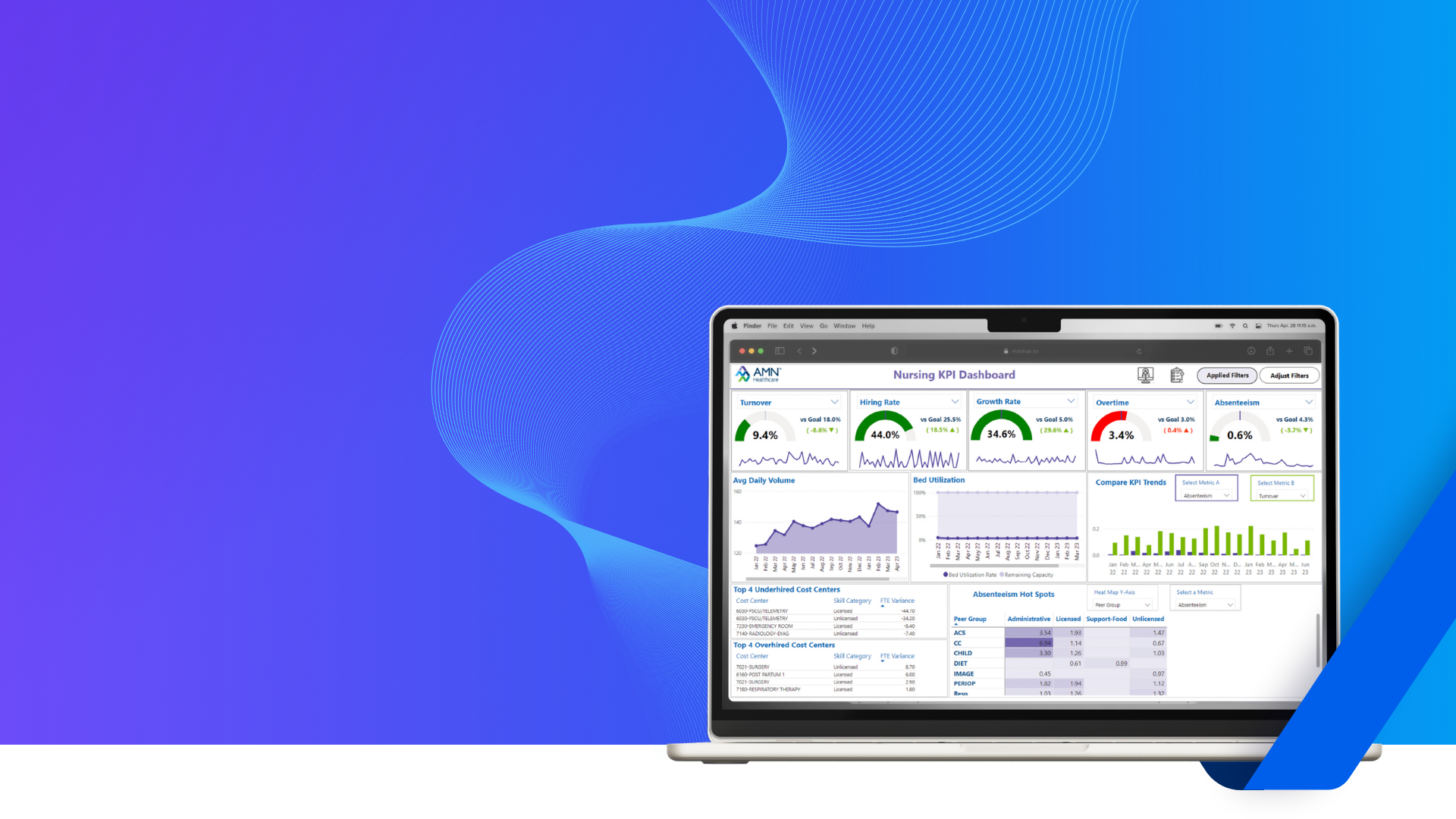
Workforce management sits at the apex of healthcare labor technology. It does more than schedule employees or fill empty slots. A true workforce management ecosystem integrates advanced analytics, predictive scheduling, and enterprise-wide visibility to proactively align labor with patient demand. This comprehensive approach unifies internal core staff, float pools, and external contingent labor into a single, cohesive strategy.
Integrating Analytics for Predictive Success
WFM leverages historical data and real-time insights to forecast workload indicators. By deeply assessing staffing volumes and patient census data, these platforms optimize staff sizing and ensure the ideal resource mix at all times. The results speak for themselves when executive leadership commits to a strategic workforce overhaul.
For example, by optimizing their labor pool through advanced analytics, Temple Health achieved a $300,000 overtime cost reduction per pay period while maintaining a 94% RN fill rate—a metric well above the national average. Similarly, another leading four-hospital system utilized comprehensive workforce strategies to achieve $18 million in cost savings, drastically reducing their reliance on outside nursing agencies by 90%.
Key Differences: Which Solution Do You Need?
Choosing the right technology requires a clear, honest assessment of your organizational maturity and specific operational pain points.
Scope of Impact
Scheduling software is highly localized, solving immediate shift alignment for unit managers. Staffing software broadens the scope to talent acquisition and external supplier management. Workforce management encompasses the entire enterprise, driving systemic cost savings and long-term labor stability across all departments.
Data and Analytics
Basic schedulers offer limited historical reporting. Staffing tools track procurement metrics and agency spend. Workforce management utilizes predictive analytics to anticipate future needs, dramatically reducing the need for reactive, expensive contingent labor.
Return on Investment
While scheduling and staffing tools offer undeniable operational efficiencies, WFM platforms deliver massive financial transformations. They allow health systems to expand their internal float pools, reduce turnover, and achieve millions in annual savings by actively taking control of premium labor costs.
Frequently Asked Questions About Healthcare Labor Technology
Can scheduling software replace a Vendor Management System?
No. Scheduling software is designed to assign upcoming shifts to your existing, known personnel. A Vendor Management System is specifically built to procure, manage, and track external contingent workers from third-party staffing agencies. The two systems serve entirely different functions within the broader labor lifecycle.
How does predictive analytics improve workforce stability?
Predictive analytics analyzes past seasonal trends and current patient census data to accurately forecast future staffing needs. This foresight allows healthcare organizations to prepare their internal float pools ahead of time. Acting proactively minimizes burnout among core staff and stops the expensive last-minute scramble for external agency nurses.
Is a comprehensive workforce management system difficult to implement?
Transitioning to an enterprise-wide WFM solution requires strong leadership commitment and a strategic technology partnership. However, the long-term operational agility and financial savings far outweigh the initial implementation efforts. Partnering with experienced technology providers ensures a smooth, secure integration with your existing HRIS, IT, and EHR systems.
Take Control of Your Healthcare Staffing Strategy
Managing a healthcare workforce shouldn't feel like a relentless cycle of reactive problem-solving. By gaining a clear understanding of the unique strengths of scheduling software, staffing tools, and comprehensive workforce management systems, clinical leaders can make strategic, informed investments. Shifting from siloed solutions to a unified, data-driven strategy empowers leaders to tackle staffing complexities head-on, dramatically cut premium labor costs, and, most importantly, refocus their energy on delivering outstanding patient care.
Take a moment to evaluate your current technology stack. Identify the disconnects between your daily scheduling processes and your broader labor strategy. By transitioning to a fully integrated workforce management solution, you can build a resilient healthcare organization that is prepared to thrive in the future.