

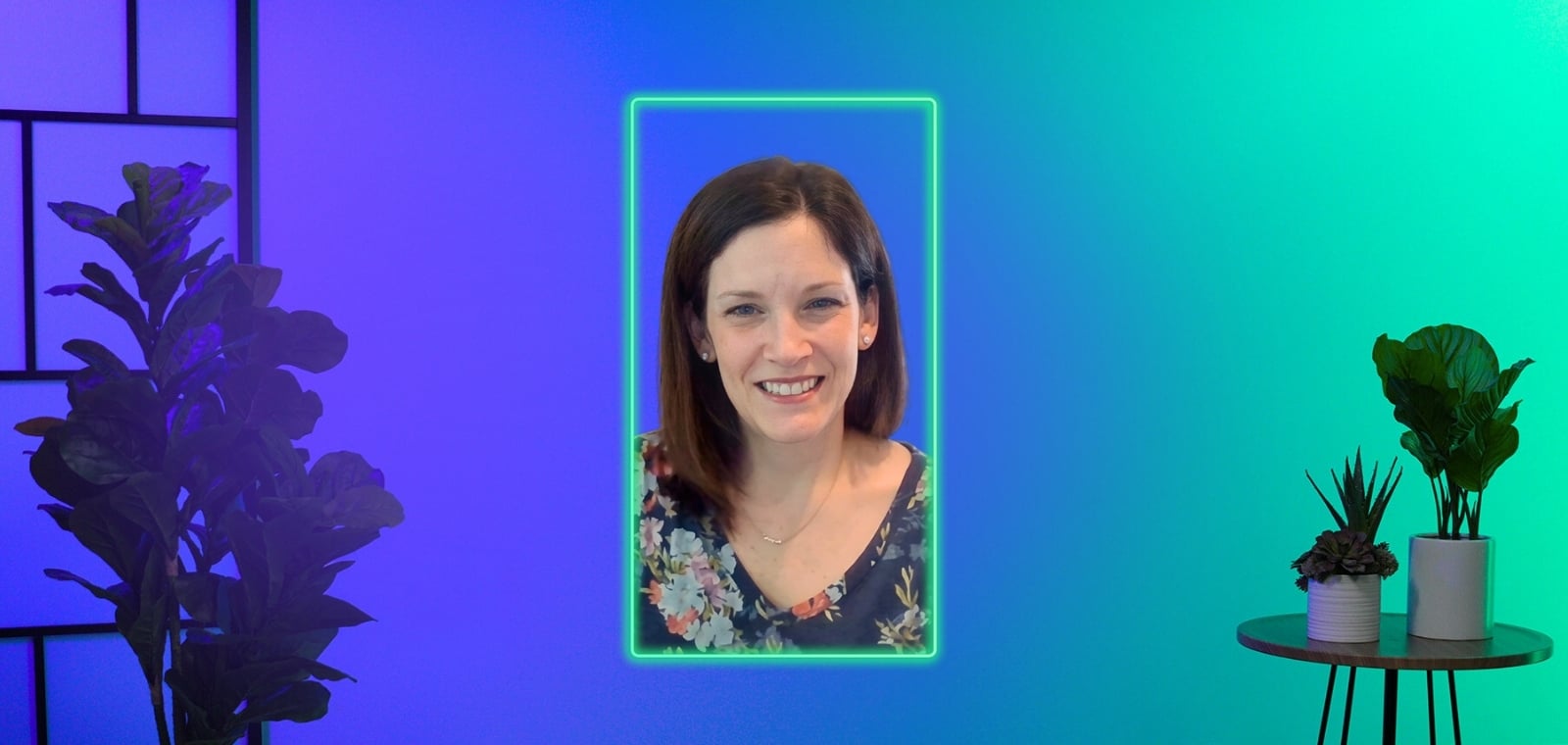
Ep. 148: Treating Speech Sound Disorders: Norms, Complexity and Eligibility with Catherine Grizzard
Have you ever wondered why age norms alone cannot tell you if a child needs speech therapy? Are you ready to challenge everything you thought you knew about treatment sequencing?
In this episode of SLP Full Disclosure, host Michelle sits down with her friend and school-based SLP Catherine Grizzard to explore the world of articulation and speech sound disorders. With almost 20 years of school-based experience, Catherine brings clarity and confidence to a topic that trips up even seasoned clinicians. Together, they navigate the gray areas of speech sound norms, challenge outdated therapy sequencing, and equip you with the tools to make eligibility and dismissal decisions with conviction.
Follow SLP Full Disclosure on Instagram at @AMN_Allied for show updates and SLP opportunities.
Subscribe to the Podcast!



Key Takeaways
- Speech Sound Norms: Comparing Sanders (1972) and McLeod and Crowe (2020), and why no single chart should drive your eligibility decisions.
- The Complexity Approach: Understanding the "waterfall" method of targeting later-developing sounds to unlock earlier sounds for free.
- Auditory Discrimination: Using minimal pairs to build a child's awareness of their own sound errors.
- Tongue Tie Controversies: What the latest research says about the connection (or lack thereof) between tongue ties and speech sound production.
- The Post-Pandemic Rise in Severe Speech Sound Disorders: Exploring how reduced access to visible mouth movement may be shaping outcomes for our youngest learners.
- Structural vs. Treatable Disorders: Recognizing when a physical difference, not a disorder, is driving a child's speech pattern.
- Eligibility and Dismissal: Building the confidence to make evidence-based decisions, even when it means saying "we've done all we can."
Chapters
00:00 – Introduction and catching up with Catherine
04:11 – Catherine's journey into school-based speech pathology
06:20 – Why articulation feels like solving a mystery
08:03 – Comparing speech sound norm charts
11:23 – The complexity approach and the "waterfall" analogy
16:19 – Building awareness through minimal pairs
18:27 – The truth about tongue ties
20:17 – The rise of severe speech sound disorders post-pandemic
24:26 – Structural limitations versus treatable disorders
27:23 – Differences versus disorders in eligibility decisions
30:27 – Managing plateaued progress and knowing when to dismiss
35:55 – Advice for new SLPs facing complex cases
Meet Catherine Gizzard
Meet Catherine Grizzard, M.S., CCC-SLP, NBCT, a school-based speech-language pathologist entering her 20th year in the field and owner of Bright Birmingham Speech Therapy. Catherine holds a bachelor's degree from Auburn University and a master's degree from the University of Montevallo, and she earned her National Board Certification in exceptional needs in 2017. Her passion for solving the "mystery" of severe speech sound disorders, paired with her dedication to mentoring the next generation of SLPs, makes her insight a true gift for anyone in the field.
Connect with Catherine at brightbirminghamspeechtherapy.com or by email at catherinegrizzard@gmail.com.
Ready to sharpen your approach to articulation therapy? Subscribe to SLP Full Disclosure and share this episode with a fellow clinician navigating their own speech sound mysteries!
Ready to take that first step toward your travel therapy career? Subscribe to SLP Full Disclosure and share this episode with a new grad who needs to hear it.
Transcript
00:00:00:03 - 00:00:08:20
Unknown
Look at it as an opportunity to grow. Don't give up. Don't. Don't just go with with the easiest thing that you know how to do.
00:00:09:00 - 00:00:12:14
Unknown
Jump in and learn more about the best way to treat
00:00:12:14 - 00:00:16:16
Unknown
that complex disorder. I would even tell them to dabble
00:00:16:20 - 00:00:32:21
Unknown
in that AI, you know, go to ASHA, put some of that stuff in AI and see what it brings up and and take several different resources and then make a decision. Yeah. See it as a way to grow because you got a long, career long, fulfilling career ahead of you.
00:00:32:22 - 00:00:48:04
Unknown
Don't give up on learning more about how to treat these kids.
00:00:48:05 - 00:01:07:12
Unknown
Hey y'all, it's Michelle with SLP. Full disclosure and welcome to the podcast today. I'm so excited to be joined by my very dear friend Catherine Grizzard from Alabama. Catherine, welcome to the podcast. Thank you. I'm excited to be here today. Yes, Catherine, I was trying to figure out how long have we been friends? I've known you a long time.
00:01:07:12 - 00:01:26:04
Unknown
It's close to 20 years, right? Yes. And I remember well, because it was a very emotional time in my life. It was my clinical fellowship year, and it just happened that I got placed in the same building as you, but not only the same building, the room right next door. And you put me at ease and told me there was nothing that I could mess up on that couldn't be fixed.
00:01:26:04 - 00:01:43:02
Unknown
And it was the truth. And you stuck with me that whole year and it made it so much better. I was so fortunate. So that makes me so happy. It's been a long time. I know. I remember when your baby was born and he's, what, 16, 17 now? Yeah. He's six. He'll he'll be 17 in December. I mean, I remember coming in and telling you I was pregnant.
00:01:43:02 - 00:02:03:05
Unknown
I remember that and I remember sitting I remember sitting in the hospital for hours waiting on that baby to be born. And they're like, he's not here, he's not here. And I had to leave and go pick me up from cheer. I wasn't even out of the parking garage. And they called and they were like, he's here. And I was like, I've been there for four hours waiting on that baby, and I'll never forget you being there ever.
00:02:03:10 - 00:02:22:16
Unknown
For, my gosh, none of my friends who are speech pathologist are safe from being on the podcast. Because I remember the first time I asked you to join me, you said no. You were like, oh no, I could never do that. But I wore you down, didn't I? Well, you did, and you have assured me that I don't have to have the technical, perfect knowledge to be on your podcast.
00:02:22:17 - 00:02:43:19
Unknown
You do not. You are to love the profession, and you do. And we are going to be talking about something today that you absolutely love. And it's all things articulation and speech, sound disorders. So if you're a new therapist, if you're a teacher, if you're a parent and you're listening to this podcast, Catherine is the one that is going to fill us in on all of the tips and tricks.
00:02:43:20 - 00:03:03:09
Unknown
We're going to be breaking down some myths. So we're going to be talking about some things that she and I might disagree on a little bit, but that's okay. But before we get started, let me tell you guys a little bit about Catherine. Catherine has a bachelor's degree in communication disorders from Auburn University and a master's degree in speech language pathologist from the University of Montevallo.
00:03:03:09 - 00:03:28:07
Unknown
In August, she will begin her 20th year in the school system as a speech language pathologist. In 2017, Catherine became a national board certified teacher in the area of exceptional needs. She enjoys mentoring graduate students each fall in partnership with the University of Montevallo, and enjoys visiting the University of Montevallo to share with graduate students about the positive aspects of school based speech language pathology.
00:03:28:08 - 00:03:52:18
Unknown
Catherine is in her second year of running a summer based speech therapy business out of her home, bright Birmingham. Speech therapy better communication, brighter futures she loves helping children with language delays to speak their first words, but also digging in to analyze severe speech impairments to ensure efficient intervention. What a beautiful bio. What a beautiful friend. You've been there with me through a lot of times.
00:03:52:18 - 00:04:11:18
Unknown
Catherine has fed me dinner, she's fed me lunch. She's done all the things and held my hand through some really dark times. So I'm so excited to have you here. Thank you. Before we get into the nitty gritty of the articulation, I want you to tell our listeners about your journey as a speech pathologist and why you chose this as a career.
00:04:11:19 - 00:04:25:11
Unknown
I don't even think I know the answer to this. I love this question. Of course, when I was about to be a senior in high school, I knew that I wanted to be in a helping profession. And I look back on that and I don't even know why. I just knew I wanted it to be a helping profession.
00:04:25:11 - 00:04:46:15
Unknown
And so the last semester of my senior year, we had to do like a presentation in the class of in English about a profession that we were interested in. And so I took that opportunity to research speech pathology, the, you know, the requirements for the degree, all of it. And the more I dug in, I was like, I love this even more than I thought.
00:04:46:21 - 00:05:16:23
Unknown
And so I just never looked back. I knew that that's what I wanted to do. And when I got to graduate school and took school age language, I knew I wanted to be in the schools. And so, you know, it just truly is something that I absolutely love. I know that a lot of school based will say there burn out, and it's very difficult and it is challenging, but I think I'm one of the few that can tell you that it's been a very it's a deeply fulfilling career, even even in the school system for me.
00:05:16:23 - 00:05:39:05
Unknown
And I still love it. Yeah, I do too. And, you know, I had I went through a time in my life that I was thinking of leaving the profession, you know, the population that I worked with for a really long time. And it really burned me out. And I did not see myself as a good speech pathologist. And that is one of the main reasons that I took the job with AMN and started traveling.
00:05:39:08 - 00:06:03:00
Unknown
You're a multitude of reasons, but that was one of them. I didn't know what I was going to do, but I was really burned out. But I can tell you now, hands down, without a shadow of a doubt, I absolutely love my job. I love working for AMN. I love being able to work on this podcast and meet all the amazing speech that are doing crazy, amazing things with AI and they're learning to code.
00:06:03:00 - 00:06:20:15
Unknown
Kathryn. Like we had a guy on that was like, I just taught myself to code and wrote an AI platform. It's crazy, but I'm so excited to have you here. We've been friends a long time, and I know that you pour into all of the children that you work with, all of the families that you work with, but your passion is articulation.
00:06:20:15 - 00:06:41:09
Unknown
What is it about speech sound disorders that you love? You know, it's funny that you that you mentioned earlier, certain populations. I don't think you see as much progress. And I think that is where you start to get burned out and you start to doubt yourself. But when you have that classic articulation, you've got a mystery to solve.
00:06:41:13 - 00:07:02:09
Unknown
Yeah. And you get to dig in there from the time that child comes into your room and you start listening to that child and, you know, giving them that evaluation, you're solving a mystery. And I love that. And I love that. Eventually I think it's good for our self-esteem. Right. As speech pathologist, I did it. We're ready for dismissal.
00:07:02:13 - 00:07:25:18
Unknown
Yes. There to that parent and say, you know, thank you for doing your part. Thank you to your child for doing their part. And it's just very rewarding. And and while I think the general public may think, oh, it's an R, but it's not just an Artemis in that child who finally gets it. Yeah. And there's nothing there's nothing like the look on their face the first time they do it right.
00:07:25:18 - 00:07:42:11
Unknown
And, you know, I had never, you know, because again, you know, the population I work with. So I had never done true traditional articulation therapy. And I was really afraid. Do I know how to fix an R or like, do I know how to do that? And it turns out I did know and I was actually really good at it.
00:07:42:11 - 00:08:03:08
Unknown
But you're right, it is a mystery because no, no child. I mean, they may have the same error, the same sound, but they're missed it in a different way, in the way you fix it with one child, it might not work with the next child. Absolutely. That is what has been fun for me, but also really, really challenging.
00:08:03:09 - 00:08:23:04
Unknown
So we're going to talk about some I think the first thing I want to talk about, and I think this is going to be a topic that a lot of speech pathologist are going to want to talk about the speech sound norms. Okay. Yes, I love I love that discussion. Okay. So I love it and I hate it all at the same time because there is so much disparity.
00:08:23:05 - 00:08:51:21
Unknown
Would you call it disparity. It's just different. Like so I remember you know, used to be let's say that in my early career, I didn't feel like there was a disparity because all I was shown was Sanders 19, 1972, 1972. And I took it. You know, I think we all took that as okay, let's go. Yeah. And so then we've got McLeod and Crowe that came out with a new study in 2020, and that's the one that ASHA is kind of backing.
00:08:51:21 - 00:09:15:10
Unknown
Now I work in the state of California and the district that I work in, we use the Nebraska norms. And so I've done a little bit of research on comparing all of those different speech sound norm charts, because again, if you just Google, what age should a child be saying an R or an L, you're going to get 50 different things.
00:09:15:10 - 00:09:35:09
Unknown
And the main difference that I found, and I want to get your opinion on this, because you probably know a lot more about it than I do. The Sanders from the 70s had the norms, the sounds being developed all the way up to the age of 7 or 8. So. And then the McLeod and Crowe, they're like, no, it should be.
00:09:35:09 - 00:09:52:18
Unknown
Everything should be A-okay and good to go by the age of six. So what are your thoughts on all of these different norms that we have out there, and which ones do you use, and how do you explain that to parents? Well, you know, I first always know that I have an obligation to the business that I work for.
00:09:52:18 - 00:10:17:15
Unknown
We can call, you know, the public education. It's still a business that I work for. And I have an obligation to the state of Alabama to follow their norms. They don't necessarily hold us to a certain one. I think there's some freedom there. But up until about five years ago, I was always looking to Sanders. And then, you know, I learned from a PD I did about McLeod and Crowe.
00:10:17:16 - 00:10:41:14
Unknown
I tend to admittedly go between both. Yeah. You know, what exactly are we looking at? You know, this chart says seven. This chart says five. Let's look at the whole child. Let's look at where they are cognitively literacy. You know, maybe they're you know, I think ultimately we have to ask ourselves if we have a disability in the school system.
00:10:41:14 - 00:11:02:13
Unknown
So I don't think I hold myself to one particular group of, of standards, but I kind of look at it all together as a whole to make my decision. And I think that's essentially what ASHA is asking us to do. You know, age norms should never be the one thing that we consider to find a child eligible or ineligible for services.
00:11:02:13 - 00:11:23:13
Unknown
We have to look at a lot of other things. Yeah, there's a lot that we have to consider. Absolutely. So then we get into the discussion the developmental sound disorders versus non developmental. What are your thoughts on that. Because I have some pretty strong thoughts on that. Okay. So up until this professional development did I did with Theresa Farnum.
00:11:23:13 - 00:11:40:18
Unknown
She blew my mind about the complexity approach. My thought process was always like, if I had a five year old who didn't have RL or sage, I was like, oh, they're not ready. I would be doing this child a disservice by introducing these later developing sounds.
00:11:40:20 - 00:12:08:05
Unknown
My outlook on that over the last six years has been evolving into we have an opportunity to challenge this child's motor system by giving them the knowledge that they need on these later developing sounds, and that's what we should be doing. Now. We have to find a way to honor our states eligibility criteria, and also consider that these child's motor system needs to be challenged with these later developing sounds.
00:12:08:05 - 00:12:27:21
Unknown
If we can find a way to do it. All right. Tell me about the complexity approach. It convinced me why I should consider the complexity approach. Because because I and I told you this in our intro call, and you're a dear friend of mine, and I think we can disagree on this, my thought process on it, and I but I hear you saying we need to challenge their motor system.
00:12:27:21 - 00:12:50:16
Unknown
But I look when I'm looking at the whole child and I'm looking at all those five developmental areas, and I think about a gross motor and a fine motor versus an oral motor. I'm looking at all those things. We would never challenge a six month old to learn to stand and walk up and down stairs. Yes. So convince me why I need to consider the complexity theory.
00:12:50:17 - 00:13:10:02
Unknown
Okay, so I liked and I have to reference these people who are my heroes and my inspiration. And I'm going to tell you the way that Kelly this y'all can look her up, explains it. So I want you to picture a waterfall, okay. In the later developing sounds or at the top of the waterfall. Okay. The earlier developing sounds are down at the bottom.
00:13:10:02 - 00:13:39:20
Unknown
If we will take that child up there, she would probably die here. And how I tell this, if we would take that child up there and expose them to those later developing even three consonant clusters and really challenged their system. What research is telling us is we get some of those lower earlier developing sounds for free. Now that is something that's very complicated that I, you know, certainly don't want to get into the technicalities of it, but you're getting more bang for your buck, a Bogo, if you will.
00:13:40:01 - 00:14:02:21
Unknown
Yeah, that if we introduce them to the hardest, the easier sounds that we don't even touch start to show up in their system. Does it work? Have you used. I'm assuming you do not think it works? I had a child who started with me in kindergarten with over 80 errors on the golden freestone. Now I want to say this to this was a bright child.
00:14:02:21 - 00:14:35:10
Unknown
This was a child who was very self-aware. This was a child who practiced at home. But in by second grade, he was dismissed. Wow. So it it's pretty cool. I think it's pretty cool to think, you know, I, I want to provide the most efficient therapy possible for the children. Yeah. And if I can do that, you know, I feel like I have found that in the complexity approach by exposing them, at least exposing them to the to the letters and the sounds at an earlier age.
00:14:35:11 - 00:14:59:06
Unknown
Yeah. You said something just now, and then you set it in our intro call, and it's something that I want you to kind of elaborate on. You said that you talked about a child teaching a child to stop and listen and their awareness of their sound errors. So in Europe. Do you? I mean, when kids are not aware of those errors, it makes it difficult because again, you mentioned cognition.
00:14:59:06 - 00:15:19:06
Unknown
You mentioned how motivated are they, the practice at home, the support from the family, because we're seeing them for 30 minutes once or twice a week. And if that's if it's not being supported at home or outside of that therapy session, you're not going to see that progress. What about those kids who are not aware of their their sound errors?
00:15:19:07 - 00:15:37:21
Unknown
I've got one. I've got two right now in California that no clue. I'm like really? And he's like, yeah. I'm like, I just don't know that I believe that. He's like, seriously, I that's exactly what I said. I'm like, it's not. Yes. And some of them are defensive aren't they? I mean, some of those little those sweet little children will get defensive with you.
00:15:37:22 - 00:15:59:04
Unknown
Yes, I would say that. I see that more commonly in the younger group, three, four, five. Usually if they're older than that, they're pretty much going to say, oh yeah, that is different. One of the things I said, yeah, one of the things that I like to do, and I actually did this with my own child, he was doing T for K, okay.
00:15:59:04 - 00:16:19:02
Unknown
And so one of the things I like to do to try to introduce the difference is I will get minimum pair, minimal pair cards and I'll lay them out all on the table. And so I'll have the child pick up different cards that I call out. And for the most part, you know, they can hear me saying the words, they can discriminate.
00:16:19:02 - 00:16:40:09
Unknown
But then I'll say, okay, it's your turn. I'm going to put out just two cards. I'm going to put out, here's a cup of tea. And here is a key. Like you open a door and I want you to tell me which one to pick up. And you know, you got a 5050 chance, but eventually they're going to name a card and you're going to pick up the wrong one based on how they set it.
00:16:40:09 - 00:17:06:23
Unknown
And, you know, you pick up that tea and they're like, oh not TT. Yeah. But you said, you know, you said if you'll do that exercise, you know, 2 or 3 sessions, I feel like eventually that awareness comes along. Yeah. That auditory discrimination. Yes. Yeah. Poor kids that have speech pathologist as moms. You know, I can just see you sitting down with your boys going, okay, we're going to do therapy.
00:17:06:23 - 00:17:19:22
Unknown
And I did the same thing with me. You know, I stayed home with her for a year, and I say all the time, I did therapy with her every day. That's why she walked at nine months. I mean, she was like the the Easter basket, you know, birthday's in June and it's April and she's got this Easter break.
00:17:19:23 - 00:17:41:05
Unknown
She's like, walk. And they're like, how old is she? And she was like, this tall. I'm like, yeah, well, you know, I don't have much to do during day. So we do therapy, poor kids. And you were talking about those younger kids and going back to the speech sound norm charts the K's and the GS. There's nothing that I cannot IA3 working on a K and G with a three year old.
00:17:41:05 - 00:17:50:12
Unknown
I would rather eat a bug. I would, and you said you love it. I like the G. Now, if you ask me to work on S.H., the.
00:17:50:14 - 00:18:06:05
Unknown
Oh, yeah. It's so hard to teach. It is hard. Yeah. And the strategies that you use with child A is not going to work with child. I mean, you could have two kids in the same session. I mean I had that this year with and I have all little boy I think I have like two little girls on my caseload.
00:18:06:06 - 00:18:27:17
Unknown
That's it. Lots of little boys. Why is that? It's more comfortable. The boys or the boys, bless their hearts. Goodness gracious. This this might take us down a bit of a rabbit hole, but I want to get your thoughts because you did a professional development that you talked about in our intro call. And this is something that is, is, I guess, controversial.
00:18:27:17 - 00:18:47:20
Unknown
And it's a tongue talk clip, tongue tied pair. All right. Tell us, tell us about the professional development that you went to and the latest research on that. Okay. So yes, I mean, I would certainly say anecdotally I feel like it's controversial. You know, I've heard over the years we all do, don't we. Like they'll have a child come in and and the mother will report.
00:18:47:20 - 00:19:03:01
Unknown
Well he's had his tongue clipped or you know, there's been years in my earlier career where you look and because you you're again, a lot of times we've got a mystery to solve. And you look in that mouth and you think maybe the child needs their tongue clipped. So I, you know, very often we come across these mysteries.
00:19:03:02 - 00:19:33:17
Unknown
No, no matter how long have you been in the profession? And so there was a particular child and I thought, okay, I need to learn more about that. So I got on I did this professional development with this woman who has lots of, of experience with oral differences, those types of things like malocclusion, tongue. And so she presented several pieces of research, and they're all showing that a child does not need their tongue clipped to make sounds in English.
00:19:33:19 - 00:19:54:19
Unknown
And mainly when a tongue needs to be clipped is in infancy with feeding issues. That makes sense. So now you know, if a child has gotten to preschool with no feeding issues and you've got someone, you know saying to that parent, oh, we think he needs his tongue clipped. I think so often we trust the professionals, right? I mean, yeah, you know, you do.
00:19:54:20 - 00:20:17:11
Unknown
We all try to. That's something I think, that we need to think about because it seems to be so common. Yeah. So tongue, tongue ties, lip ties. I've even seen cheek ties recently. Yeah. So many things that I see so much more frequently now. I mean, I've been practicing for over 25 years, but I didn't see 20, 23 years ago.
00:20:17:13 - 00:20:41:04
Unknown
And the just the very complex speech sound disorders. I mean, it's not just our XLS and S's anymore. I mean, there's some really strange things. Why do you think we're seeing so many more complex speech sound disorders? You know, I would love to see some research on this. The only theory that I can come up with is, you know, there's screen time is such a huge part of these children's lives.
00:20:41:04 - 00:21:01:03
Unknown
Yeah. I wonder if there's a lot more time in front of screens without working those mouse mouth muscles. Yeah, and those that motor planning. So that we're getting these children coming in who have not had the motor planning practice that other children have gotten in other generations coming through, because I've certainly seen an uptick in it as well.
00:21:01:03 - 00:21:21:16
Unknown
Severe speech sound disorders. I mean, just like you, I mean completely like 90, 95% unintelligible. And they're five years old and they come to kindergarten and they're like, blah, blah, blah, blah, blah, blah. And we're like, what? What are you? Nobody knows. And the parents are like, no. And I'm like, what in the world? You know what I've seen, which is really interesting.
00:21:21:16 - 00:21:44:19
Unknown
Since the pandemic, I've seen, you know, and there's a whole we could probably go down another whole rabbit hole about oral motor therapy. You remember Deborah Beckman's oral motor therapy and all that stuff? That's a big no no, that's a big no no. Like they just don't do that anymore. But because I remember doing like the manual stretches, like with gloves on and like manually stretching the lips and the cheek and all those things.
00:21:44:19 - 00:22:03:02
Unknown
And that's just not that's just like supports no evidence to support it. But I have noticed since the pandemic and I relate it to people having wearing the masks in their mouths being covered up, especially for those kids who are in that critical learning phase. Right? They're learning to talk. They're learning language that are learning those speech sounds.
00:22:03:02 - 00:22:24:01
Unknown
I would say you're 3 to 6 year olds. They have no movement in their lips like they can't round their lips. Their lips are flat. They're talking like dot dot dot dot dot dot dot dot dot dot dot. And that's what it sounds like. Well, and don't we go into, you know, you feel so much responsibility as a speech language pathologist like I have.
00:22:24:02 - 00:22:49:11
Unknown
This is me. I have to fix this, right? I have to fix it. I do have to keep in mind that we are only one professional among many who may want to jump in and and assess this. Yeah. But have you seen that? Have you seen like, kids? I mean, think back to your your caseload and just really your 3 to 5 year olds that literally have no movement in their lives whatsoever.
00:22:49:11 - 00:23:18:05
Unknown
And I'm like, if you around your lips like if you would push your lips, I really think that it might be easier for you to say a sound like, really open your mouth. And, and they're keeping their teeth clenched together like you. We. What is going on? Say this. I feel like there is a there. If I started a word level with a child recently and this was recently, and they get the word level, I'm like, oh, we're going to move to phrases.
00:23:18:06 - 00:23:44:04
Unknown
You know, I opened up phrases and it's gone. I mean, that sound they had is gone. And that I will say that is the motor planning. Even when you introduce one level higher, it's like things are falling apart so quickly. Yeah. And it's like it was it's there one minute and gone the next. Yes. And I think that is where you, you start asking, you know, for people out there listening when you think, is it me.
00:23:44:06 - 00:24:01:15
Unknown
Yes. It's not always you, you know, there's so many pieces here. Sometimes you can do the best you can, but we can only take them so far. I mean, you don't want to give up. That's not what I'm saying. But we do need to live in the reality that we are only human, right? And we just have to keep trying for sure.
00:24:01:19 - 00:24:26:15
Unknown
Yeah. And that kind of leads me into the next thing I want to talk about. We can only do so much. You're right. We can only take these kids so far. And there are occasions dental mal occlusions, cleft palate, cleft lip, physical, structural things. Because I had several years ago a referral for a screening. I think he was maybe fifth, fifth grade, fourth or fifth grade.
00:24:26:15 - 00:24:43:23
Unknown
And it was for an S, and I was like, oh yeah, he he should definitely have. That's no matter what Norm charts you look at. Maybe he should have an S. So I'm like, yeah, let's do a screener. And he had an extreme overbite. Probably one of the worst overbite I've ever seen. Lots of misalignment with his teeth.
00:24:44:01 - 00:25:11:14
Unknown
Malocclusion. I mean, it was just a structural mess. And because of the way his mouth was formed, I did not recommend an evaluation because the way I explained it to the team was, structurally, he's there. I there's no amount of therapy that's going to fix. That's just because of the way his mouth is formed. So what are your thoughts on those type situations?
00:25:11:16 - 00:25:32:17
Unknown
Children with cleft lip, cleft palate. At some point you have to say we've done as much therapy as we can. They're never going to have complete below pharyngeal closure. They're going to always be differences versus disorder. And I talk a lot about differences versus a speech sound difference versus a speech sound disorder. So tell me your thoughts on that.
00:25:32:18 - 00:25:54:04
Unknown
Well I think the first thing that you have to do is educate yourself as a speech pathologist. You know, we cover such a broad range of skills. Even in the school system. We've got a broad range of things that we're we're doing. And if you get on a case where you feel like you're not so strong in it, speak to your coworkers.
00:25:54:04 - 00:26:14:23
Unknown
Try to find someone to collaborate with. Find a professional development online or somewhere to educate yourself. First off, yeah. Second off, yes, I've had several of those cases recently. I would tell you one that I recently had, that I'm still learning more about, that I've been trying to learn more about is this child had an open bite. I hope I'm using that appropriately.
00:26:15:00 - 00:26:41:08
Unknown
Yeah. I believe from what I've read, there maybe was some a lot of thumb sucking, not good closure of the lips the way that the teeth were shaped were, you know, wrong. And the child was sticking his tongue out too far for an s, but when you listen to it, it sounded correct. And so I think that we always, like you just said, we have to consider are we seeing a difference here or a disability?
00:26:41:08 - 00:27:04:04
Unknown
And we have to again look at our eligibility criteria for the school system. What is a disability. For us it's it's academic and social impacts. Yeah. And if we don't have that academic and social impact we can't call this a disability. And I think we always have to not be afraid to admit our limits. And I think that's what you did, Michelle.
00:27:04:05 - 00:27:23:10
Unknown
And telling the family and the team, this is this. I can't fix this because of the physical structure. And I think it's okay to admit that there are limits to what we can do. Yeah. And that those things need to be done by another care provider. Yeah. And we but we've got to know that and we've got to educate ourselves.
00:27:23:14 - 00:27:49:00
Unknown
And I think what I want the young SLPs to hear about that is that don't be afraid to say that there's nothing I can do. I can't fix that. Yes. Right. Because I think so often I think and we had we had in our my current district, we had we have meetings, monthly, monthly SLP meetings. And one of the things we talked about was over qualifying our articulation kids.
00:27:49:01 - 00:28:15:15
Unknown
Yes. And you end up with a caseload of, you know, 100 kids. And the piece that is so 99.9%, the piece that's overlooked is the negative educational impact. Absolutely. Is it that you've got to prove that it is negatively impacting that child academically in the classroom? I've got you know, I've worked with kids that have down syndrome who, you know, they're going to have speech.
00:28:15:17 - 00:28:34:18
Unknown
That is okay. I've worked with children with cleft lip and cleft palate, and I've dismissed them. And I'm like, and, you know, the team was very understanding. I'm like, we could do therapy all day long, every day. And that child is, you know, she's had her repairs, she's had multiple surgeries. She's never going to get complete fringe closure.
00:28:34:19 - 00:28:58:10
Unknown
Those speech sound differences are going to always be present because that's how God made her. And that is okay. You know, and I explained it to him like this. You know, I've had, you know, I've had neck surgeries. You were there when I had both my neck surgeries. And you could I could go to physical therapy, sports trainer, whoever would do it all day long, every day for hours upon hours, and to learn how to do a backbend.
00:28:58:11 - 00:29:17:15
Unknown
I'm never going to be able to do a backbend, because my body is not going to do that because of my fusions. And that's how I explained it in the IEP meeting. And they were like everybody in the team. They were like, that makes perfect sense. I'm like, she's able to communicate effectively. She's got great friends. She's grown up with these kids.
00:29:17:15 - 00:29:42:02
Unknown
They understand her, her family understands her. And why am I working on something that she's never going to be able to do, maybe 80% accuracy, and who figured up 80% accuracy anyway? And who decided a 30 minute speech session? That's a whole nother story is. But we have to understand that sometimes it's okay to say we're good, even if you do still have some errors there, right?
00:29:42:03 - 00:30:09:20
Unknown
Yes, absolutely. Yeah. What do you do with the kid that you've worked with? How do you handle that? So you've worked with a kid forever on our are is I've actually kind of learned to like working on R. Yeah. Actually it's rewarding. Yeah. It's really. Yeah. It does. And the little boy that I had this past year that just came in one day, he one week he's saying w he comes in one day and he just did it in his eyes.
00:30:09:20 - 00:30:27:18
Unknown
He literally did that. He was like he said did I do it? I said, you did. He goes, I thought I did. I said, well can you do it again? And he was like, I don't know. Let's see. I mean, he's hysterical anyway. So funny. But what do you do with the kid that you've worked with for years that's plateaued and not making progress?
00:30:27:18 - 00:30:49:21
Unknown
So I think that that is the beauty and possibly the purpose of a three year reevaluation. I will you know, I have children who we get to that three year reevaluation. And I was able to pick let's use R, I was able to pick that child up because they were unable to make it on. They were they were not stimulus bill for that sound.
00:30:49:22 - 00:31:14:09
Unknown
However we've gone three years in speech therapy and I've gotten them up to. But the child is maybe still having some difficulty with a certain position, maybe the final position or the child is not using that conversation often enough. Well, again, when it comes time for that reevaluation, I have to ask myself, does this child still have a disability?
00:31:14:10 - 00:31:41:10
Unknown
Yeah, very often if that child is using R in all positions and sentences and sometimes in conversation, even though he's not mastered, he no longer has a disability and it's time for dismissal. But I will be honest with parents, over the years I've had several several children, you know, boys too. Yeah. Often it's those boys who they're just not motivated to take on that personal responsibility of using R all the time.
00:31:41:10 - 00:32:02:23
Unknown
And I tell parents, when we have these meetings and we get to conversation, I tell them, I said, now, I want you to know the responsibility is going from the speech therapist over to the child. The point of this is for your child to create a habit of using their sound everywhere else, not just this therapy room, and that is ultimately up to them.
00:32:03:01 - 00:32:21:12
Unknown
Yeah. So I am very clear about that. And I will even, you know, I support I'll send home stuff for the fridge. I'll send home things to tape on the mirror. I'll even say, put this on the headrest in the back seat, you know, use your good arm. I do those supportive things, but that is ultimately up to that child.
00:32:21:14 - 00:32:43:09
Unknown
And if we get that far and a three year reevaluation comes up and they've not mastered it, it's time to stop. Yeah. So and I think that's where a lot of because I've, you know, I've been doing this a long time and I come in and I had, I would say a handful more than I would like to have seen on my caseload that didn't need to be there.
00:32:43:09 - 00:33:03:04
Unknown
And I'm like, what are we doing? Why are we still in speech therapy? And I think it's because I want these young SLPs to know, I think that they're so afraid of dismissal. Do you feel that? Do you think they're afraid? I mean, you think they're afraid to say no, right? Because you're one person against it. Sometimes it feels like a whole team, right?
00:33:03:05 - 00:33:32:12
Unknown
And that's where I guess I can't push enough that you need to educate yourself on, on the eligibility criteria and that that page of that eligibility form. Every time that comes up, we need to ask ourselves, does this child have a disability? Is there something physical keeping them from mastering these things? Is there something, a lack of motivation there, that we can't continue to justify therapy because there's no motivation?
00:33:32:12 - 00:33:55:04
Unknown
There are lots of pieces, but the best way to go to the table with those arguments is to educate yourself. Right. And I dismissed one recently due to lack of motivation. And in the IEP meeting I explained to them, and the speech therapy room is right next door to the principal's office. So she was able to hear every one of our sessions.
00:33:55:04 - 00:34:16:03
Unknown
So she knew in the pair of facilitator is there with him. And I said, I spend 20 minutes of a 30 minute session bargaining. Yes, pleading, begging first do this, then we'll do that. He's under the table. He's covering the camera. He's doing all of the things. He was avoiding the entire situation. And it was all with T.h.
00:34:16:05 - 00:34:34:17
Unknown
He was a sound. And can he do it? Absolutely. He could do it in sounds. He could do it in sentences. He could do it in words. He could do it all the things. But in conversation, he his mom was running 90 miles an hour. And when I said that, I was like, I spend I bargain for 20 minutes of a 30 minute session.
00:34:34:17 - 00:34:50:07
Unknown
And the principal is like she does. She begs and pleads. And so as a team, we agreed that it wasn't beneficial. And it was. And then the teacher said, and when he comes back from speech, he wants me to bargain with him because she has spent 20 minutes bargaining and rewarding. And she said, then it makes it hard for me.
00:34:50:07 - 00:35:11:04
Unknown
And this child had some other things going on as well. But all that to say, as a speech pathologist in the school system, you have to not be afraid to say we've reached our potential and there still may be some errors, there still may be some differences, but that's okay, right? Yes. Kathryn, I could go on and talk to you for you're going to have to come back.
00:35:11:04 - 00:35:29:08
Unknown
Okay. So I've decided we're going to have you back and we're going to talk about individual speech sounds. Give us some tips and tricks on how you do the R the elves. And we're going to make a whole entire episode because people don't understand that we don't have classes that teach us. When you have a child that can't say an R, this is what you do, and we don't have those classes.
00:35:29:08 - 00:35:45:00
Unknown
And I will tell you, I listened to your podcast, I think it was in April on the job training I think is what it was called. And as I listened to it, I thought, oh, I couldn't agree more. Oh yes, I agree with that. So that mean it's exactly right. You have to trial and error. It still happening?
00:35:45:01 - 00:35:55:23
Unknown
Yeah. Every day that I work. All right. Last question I always ask my guests. What advice do you have to new grads and new SLPs when they get that complex speech sound disorder, kiddo,
00:35:56:02 - 00:36:04:19
Unknown
Look at it as an opportunity to grow. Don't give up. Don't. Don't just go with with the easiest thing that you know how to do.
00:36:04:23 - 00:36:08:13
Unknown
Jump in and learn more about the best way to treat
00:36:08:13 - 00:36:12:15
Unknown
that complex disorder. I would even tell them to dabble
00:36:12:19 - 00:36:28:20
Unknown
in that AI, you know, go to ASHA, put some of that stuff in AI and see what it brings up and and take several different resources and then make a decision. Yeah. See it as a way to grow because you got a long, career long, fulfilling career ahead of you.
00:36:28:21 - 00:36:32:14
Unknown
Don't give up on learning more about how to treat these kids.
00:36:32:15 - 00:36:34:19
Unknown
Catherine, that was amazing, I love
00:36:34:21 - 00:36:37:22
Unknown
So Catherine, thank you so much for joining us. All right.
00:36:37:22 - 00:36:39:04
Unknown
You guys have a great day.


