

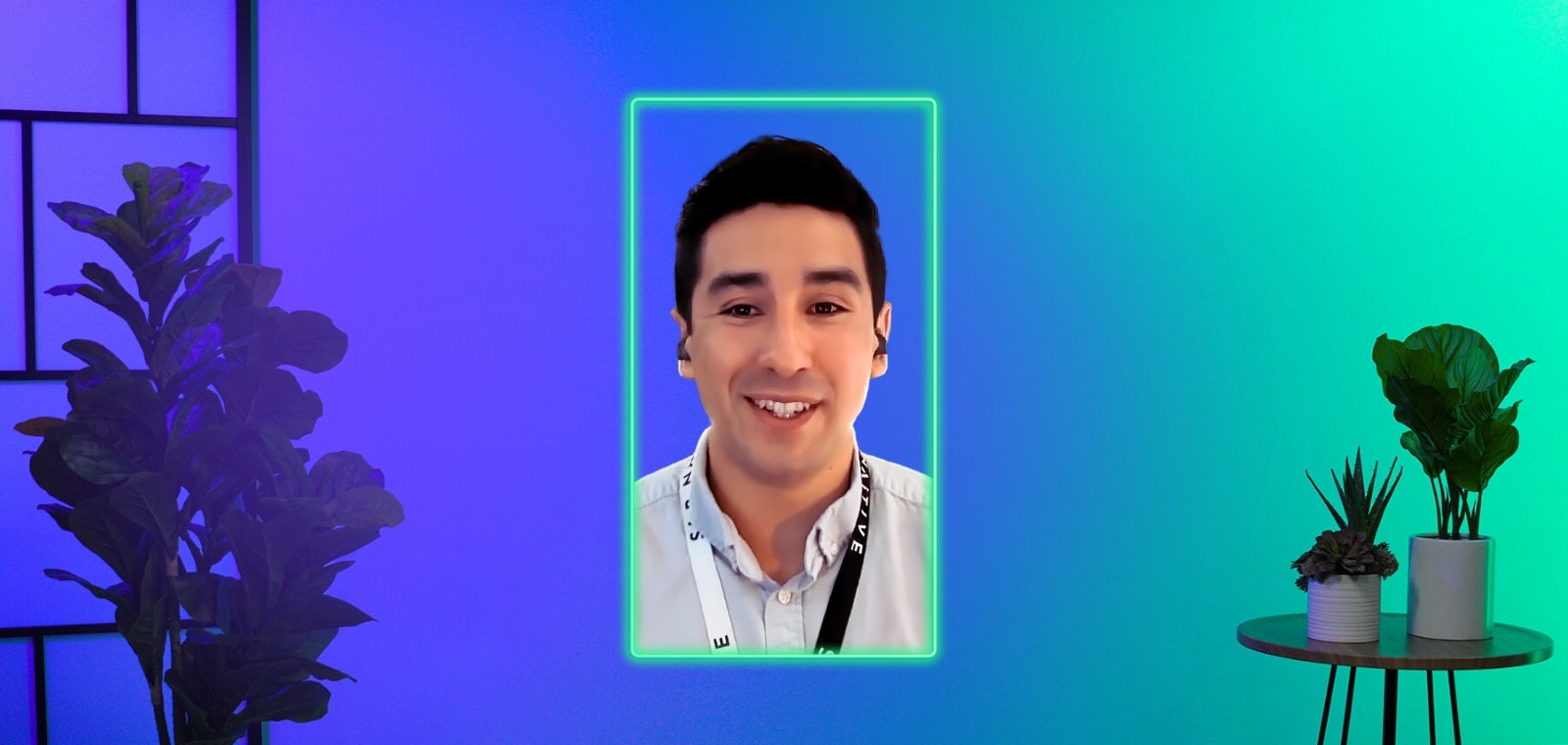
Ep. 145: How AI Is Eliminating Paperwork Burnout for SLPs with Izzy Montano
Welcome to another episode of SLP Full Disclosure with your host, Michelle. In Episode 145, Michelle sits down with Izzy Montano—Navy veteran, school-based SLP, and founder of SLP AI Tools—to talk about one of the most pressing conversations in speech-language pathology right now: how artificial intelligence can give clinicians their time back.
Izzy walks us through the platform he built from the ground up, the philosophy behind using AI responsibly, and the practical tools that are already transforming how SLPs handle documentation, evaluations, language samples, scheduling, and Praxis prep.
Subscribe to the Podcast!


Key Takeaways
- AI simulates output—it never simulates origin. Human clinical judgment, creativity, and decision-making cannot be replicated. AI produces a first draft; the SLP shapes the final product.
- Editing is faster than starting from zero. Shifting the cognitive load from generation to editing dramatically reduces documentation time, leaving more bandwidth for direct client care.
- A Business Associate Agreement (BAA) is non-negotiable. Before using any AI platform with patient or student information, confirm that a BAA is in place to ensure HIPAA compliance.
- Graduate students can access AI Praxis Prep for free. A 30-day free trial is available for students preparing for the Praxis exam, with the ability to focus on specific topic and subtopic areas.
Chapters
00:00:00—Introduction and Welcome: Michelle introduces Izzy Montano and his background as a Navy veteran, school-based SLP, and founder of SLP AI Tools
00:02:24—Izzy's Journey: From San Diego's deaf community and American Sign Language to speech-language pathology and the U.S. Navy
00:03:51—From Teletherapy to AI: How Izzy's private practice teletherapy experience sparked his interest in coding and building AI tools for SLPs
00:07:53—Building SLP AI Tools: How Izzy coded the platform himself using AI, starting with a Chrome extension concept and scaling to a full web application and iOS app
00:09:47—The AI Debate: A balanced look at the propaganda on both sides of the AI conversation, drawing on Izzy's background in Naval Intelligence
00:13:48—AI as an Output Simulator: Izzy's foundational principle—AI can simulate output but can never simulate origin—and what that means for SLP practice
00:15:26—Paperwork Can Never Love You Back: Why reducing documentation time is ultimately about returning focus to patients, families, and clinical outcomes
00:17:56—The Editing Advantage: Why the editing phase of the literary process matters more than the writing phase, and how AI accelerates the path to a polished clinical document
00:20:30—The SOAP Note Tool: How the tool generates fresh, session-specific SOAP notes from live dictation, including full support for group sessions
00:22:42—The Evaluation Sidekick: Apple Watch wireless mic integration, customizable templates, and hands-free first-draft evaluation reports
00:25:07—Language Sample Analysis Tool: Automated transcription and analysis that calculates MLU, TTR, C-units, percent grammatical utterances, and more—in collaboration with CMU Case
00:29:21—The Caseload Calendar: How the logic-based scheduling tool generates multiple caseload schedule options within a single day, with a patent pending
00:32:17—AI Praxis Prep: Praxis preparation aligned to ETS guidelines, with topic-specific customization and a free 30-day trial for graduate students
00:34:01—SLP Chat: A speech-language pathology-specific AI tool for creating therapy materials, custom games, and parent-friendly resources
00:35:19—Staying Current with AI: How Izzy keeps pace with a rapidly evolving technology landscape and what he wants to learn from the broader SLP community
00:37:34—ASHA Indianapolis: Izzy's booth at the ASHA Convention—directly across from AMN Healthcare
Meet Izzy Montano
Izzy Montano—known as Mr. Speechy on YouTube, Instagram, and TikTok—is a father of four, Navy veteran, and self-employed SLP contractor based in the Arlington School District, where he serves developmental preschool and high school students on a caseload of more than 100. He is also the founder of SLP AI Tools, an AI-powered platform and iOS app designed to eliminate administrative burnout for speech-language pathologists.
Izzy served as a U.S. Naval Intelligence Specialist from 2015 to 2022, stationed in San Diego, Hawaii, and Australia. His journey into communication began with American Sign Language in San Diego's deaf community before his passion led him to speech-language pathology. He completed his graduate training at San Diego State University and the University of South Dakota.
Outside of work, Izzy is working toward the 1,000-pound club in weightlifting and looks forward to his wife Kaylie's homemade sourdough pizza with pineapple.
Connect with Izzy:
- YouTube, Instagram, and TikTok: @Mr. Speechy
- Email: info@slptools.ai
LinkedIn: Search Izzy Montano
Transcript
00:00:00:00 - 00:00:28:16
Hey y'all, it's Michelle with SLP Full Disclosure, and welcome to the podcast today. I'm so excited to be joined by Izzy Montano. Izzy. Welcome to the podcast. Hey, thanks for having me, Michelle. I'm so excited. I think I stalked you. Did I find you on LinkedIn? Yes. You did. Yeah. So I found Izzy on LinkedIn. And what stood out, to me was I, which, you know, we've talked about AI on the podcast before.
00:00:28:18 - 00:00:47:09
I use it in a very general way in my therapy every day. You, Izzy, has developed and an amazing tool called SLP, AI tools. And that's really what we're going to be talking about today. So I'm so excited to have you on the podcast. And when you guys hear Izzy's bio, you're going to fall in love with him.
00:00:47:09 - 00:01:09:09
So it is incredible. So let me tell you guys a little bit about Izzy. Izzy is also known as Mister, and he is a former US Naval Intelligence specialist who served in San Diego, Hawaii and Australia supporting PAC comms objectives between 2015 and 2022. He began his journey in communication through American Sign Language, originally intending to become an ASL interpreter.
00:01:09:09 - 00:01:30:10
However, that passion eventually led him to speech language pathology. He attended San Diego State and the University of South Dakota to become an SLP. He has worked in private practice, tella therapy, and now serves as an independent contractor for the Arlington School District, where he works with developmental preschool and high school students, managing a caseload of over 100.
00:01:30:12 - 00:01:52:05
He's also the founder of SLP AI Tools blending his clinical experience with crafting SLP first AI technology. Outside of work, he is steadily working toward joining the 1,000 pound club in weight lifting, and every two weeks, there's one thing he always looks forward to and that's homemade pizza made by his wife, Kaylee. Wow. You hear more about the pizza?
00:01:52:05 - 00:02:09:23
Maybe we should talk about that first. That sounds amazing. You guys have, like, an outdoor pizza oven. Is that how you do it? You know what? We should probably get one of those. Yeah, because, yeah, my wife makes this amazing sourdough pizza. And I love having pineapple on it, so it's. Yeah, it's just an apple on pizza guy I don't know.
00:02:09:23 - 00:02:27:20
We're going to have to end the podcast now. It's over. Thanks for coming. Yeah. You know what, Michelle? Maybe we should. Maybe we should. Oh my goodness, Izzy, I'm so excited to talk to you today. But first of all, thank you so much for your service to our country. Absolutely. I love I love your bio. So I know you're a passionate.
00:02:27:20 - 00:02:46:03
Just after our intro call, I could tell that you're passionate about your job. You're passionate about the field of speech language pathology, and you're really passionate about AI. And that's really what we're going to talk about today. So first of all, tell our listeners, just about your journey and what led you into the field of speech language pathology after serving our country in the Navy?
00:02:46:03 - 00:03:17:23
Yeah. Well, I mean, I grew up over in San Diego and in San Diego. There's a large deaf community there. So I knew right when I entered high school, like I wanted to study and learn sign language. And then when I got to college, to community college, started taking those courses, going towards ASL. Then I realized that it's like a lot of contracting work, and I'm like, okay, well, I definitely want something a little bit more stable for my family because I was always family oriented and I want something that's going to be able to provide.
00:03:18:03 - 00:03:35:13
Yeah. And so I've found out that speech language pathology was another route where I could take all the credits that I had and go pursue, and so immediately hopped right into that path. And yeah, I've just been falling in love with the profession every single year since that year, in 2015. It's crazy. That's almost like a decade ago.
00:03:35:14 - 00:03:55:02
That is it. Over a decade ago. It's over again. Yes, yes. That is that's amazing. And we need more men in our field. Definitely need more men in our field. So how long were you practicing as a speech language pathologist before you jumped into this world of a probably two years? Okay, so it was pretty quick and. Yeah.
00:03:55:02 - 00:04:13:14
So yeah, you've got a caseload of over 100 kids. And also I just know that's a massive caseload. So did you what made you go? What made you look into AI like you were like, I've got all these kids that I've got to manage. There's got to be a way to do this a little bit easier. Well, you know what?
00:04:13:16 - 00:04:36:23
I was blessed to be able to first start off in private practice therapy. And that's exactly where I cut my teeth. And that's where I grew into learning how to do a lot more artificial intelligence stuff. Because, you know, I know you work better with therapy, so it's really handy to be able to be as efficient as possible with the free games that are out there and then also the tools that are at our disposal.
00:04:37:00 - 00:05:04:06
So it was in that setting, the tele therapy setting where I learned how to code, and then I learned how like, all right, cool. Artificial intelligence basically electrifies this a ton. So it really helped me. I'm just catered towards building an actual web application or a website that has these AI tools built within it. And I'll tell you, like, it's, it's a little interesting journey because first I just said, tell it therapy, private practice.
00:05:04:06 - 00:05:27:07
And then I learned about independent contracting with schools. So I picked up my first contract with the school district and I love it. And it was during this time that the tool was really just starting to get built. So it was nice being able to utilize my tool immediately hopping into the school district without having to go through, you know, a hundred plus caseload without this platform.
00:05:27:09 - 00:05:51:07
Yeah. Like I don't think I would survive with the 100 plus students the way I have it right now. Now, I do have an SLP, so it's not as though it's like all on me for me to be able to provide those service minutes, but it's still a ton of paperwork. Yeah. And I'll tell you, like even with this caseload with over 100 like I haven't had to take work home and I've only had to stay late two times out of the entire year.
00:05:51:11 - 00:06:12:23
So it's like, and that's only like 30 minutes. And it's all because of this platform. So it's just it's been a huge lever. And I again, I've never had to deal with a case like that. But I do have. Yeah, right. When I first started out in Orlando, my very first year after graduating with my master's degree, I had over 110 kids, brand new, didn't know what in the world I was doing.
00:06:13:04 - 00:06:33:04
I was going in completely blind. I didn't have an SLP for it was all on me to provide those service minutes and it was tough. And I will tell you this, and I've talked about this on the podcast before, that was in the day where we had to write IEPs by hand on the triplicate copies, and you had to press down really hard so that it would go through all, yeah, copies.
00:06:33:04 - 00:07:00:13
Yeah. And I was actually working in Orange County, in Orlando when our first electronic IEP system was developed. And I believed that there were some special education specialists that worked for Orange County that were in on developing that platform, and it was a game changer. It was absolutely unbelievable. So I can only imagine I mean, I'm pretty acquainted with those pieces of paper.
00:07:00:17 - 00:07:16:12
And again, the yellow and the pink sheets. Yeah. And it's like you end up keeping the yellow sheets or the pink sheet and you're like, I can't even read what's on it anymore. So, yeah, it's so faint. So can you imagine? I mean, our world is I mean, our the field of speech pathology is just so diverse anyway.
00:07:16:15 - 00:07:33:15
But we, we wear a lot of hats and there's a lot of things that have that have to be done, especially in the school district. Right? Especially during our school system. And you get IEPs and you get every little box has to be checked just perfectly or, you know, it's going to be off and you're just in a mess.
00:07:33:20 - 00:07:53:08
So let's talk more specifically now about SLP, AI tools. What is it? How is it going to help the SLPs that are listening in their everyday setting? And you mentioned something earlier. I want to make sure that we highlight when you first developed this platform. And let me correct correct me if I'm wrong, but you coded it and you wrote it yourself, right?
00:07:53:10 - 00:08:21:01
Yes, yes. Well, how did you learn to code, Izzy? Yeah, yeah, I mean, I can say it. Well, you know, it's because of artificial intelligence that I learned to code. I first was, trying to code my own Google extension. Like, you know, those little things that you can extend into your Google Chrome. I was planning on creating something like that originally, but then when I started, like, tinkering around and learning how to piece things together, I'm like, I might as well just go for a full blown like web app at this point.
00:08:21:01 - 00:08:44:20
And so it was. Yeah, I mean, it was hard. It was lots of late night. It's I can't imagine I can't imagine that when you first developed the SLP AI tools, it was a web based program only. But you did recently dropped the iOS version, correct? Yeah. Yeah. And it's yes on the App Store. So everybody is going to be able to get their phones out, search it up and download it like today.
00:08:44:20 - 00:09:04:07
That's awesome. So yeah. Tell us about SLP, AI tools. What is it. Yeah. So basically it kills burnout for all of us. Any type of paperwork that we touch. It's going to be able to help you out with whether that's your documentation evaluation, language sampling, you having to do your scheduling with your caseload, and then also even crafting materials.
00:09:04:07 - 00:09:22:18
There's lots of really fun and cool features that I could just riddle off on. I'm pretty sure we will probably still talk about, but, you know, I think it would be doing a lot of the listeners a disservice, especially like the the young college students a disservice if we didn't talk about, you know, the, the scary part.
00:09:22:18 - 00:09:51:02
So I you know what I mean? Like, there's lots of, like, propaganda. If I could speak plainly. Yeah. Propaganda on both sides of this topic is artificial intelligence. Yeah. And it's super important to be able to understand when you see it. Because this entire time, as I already said, like, I've been in this world of artificial intelligence and the positive side of artificial intelligence for the past 3 to 5 years, I kind of been trying to do the math.
00:09:51:03 - 00:10:13:13
I had 20, 22. I feel like I'm still in 2025. So basically four years now, and I've been in this positive side of it. And so to a certain degree, I've been in my own echo chamber listening and understanding what this is all about. And this entire time there's this other side of artificial intelligence that's really dogging on it, that's putting a lot of bad light on it.
00:10:13:13 - 00:10:43:02
And I again, I would still want to highlight, like the the side that I've immersed myself in is propaganda. So being a formal naval intelligence specialist, we had to learn and understand the basics of what is a psyop and like what actually is considered propaganda and like a very rudimentary like explanation would be an idea that is in high contrast with another opposing idea that is actively trying to suppress other information or is not disclosing information.
00:10:43:02 - 00:11:05:03
And so in this world that I'm in with these deca millionaires sent to millionaire billionaire people, they are all invested in artificial intelligence. So they want all the jobs to be taken away. They want artificial intelligence to be the end of thing. They want it to just be the main driver for our gross domestic product GDP in the country.
00:11:05:05 - 00:11:26:01
And so you hear all this positive rhetoric coming from this propaganda machine, seeing how transformative AI is, and it's truly is transformative. I'm not going to take away from that at all. It's really incredible. But there's also some things about it that is not so good. Yeah. Like it hallucinates a ton. Yeah. It could actually lead you the wrong way.
00:11:26:05 - 00:11:45:20
It has actually led people down a path that has not been good. And it also has some implications where, you know, the data centers that it has built up in the past. And so coming over to the other side with this other propaganda machine, talking about how data centers are going to drive up electrical costs, water costs, you know, it's going to be taking jobs.
00:11:45:20 - 00:12:08:06
And a lot of this is now being charged up by this opposing group that sees this other side as wanting to be the dominant force for the economy or just for the general public. And so they're going to be constantly picking at each other as far as what's wrong with the other side, or completely diminishing and not highlighting what's on the other side.
00:12:08:06 - 00:12:33:19
Right. So it's super important for all of us to understand when you're in a propaganda machine, see it for what it is, and then go to the actual sources of what you're interacting with. Yeah. Like Michelle, I don't know if you've ever interacted with ChatGPT. That's really all I do. I'm like, develop a third grade reading passage for, you know, a little boy that's interested in soccer that that's exactly that's all I use.
00:12:33:19 - 00:12:54:04
That's all I use AI for in my speech with, like, you know, minimal pairs. Give me a list. You know, target sounds like very rudimentary, very basic. Am I using it? Yeah. Yeah. Yes. And so, like, you understand, like how amazing it was to see your very first story about soccer that's at the third grade level was to see I was like, wow.
00:12:54:04 - 00:13:18:16
And it has all of these targets that I wanted in there. Right. Targeting the Z sound or whatever. Yeah. Well then you really in seconds like it was exact literal. It's so magical when you first like see it and you come across it, but you also see the errors that are in it. Like it's saying that the Z sound and the word or the s sound in the word was is actually an s sound, but actually it's a Z at the end.
00:13:18:18 - 00:13:48:19
Yes, but it's actually a Z if you're trying to prompt it for S. So sometimes it's not taking into consideration the things that we know. Right. So when we see those types of errors it kind of demystifies it for us. And we understand that artificial intelligence isn't what it's all hyped to be. And the biggest I would say two points that I would want to lay with everybody is that artificial intelligence just merely simulates any type of output, but it can never simulate origin.
00:13:48:22 - 00:14:15:23
Okay, artificial intelligence mimics what we produce, but it can never be the originator or creator of what is actually going to get done. Right, because that is a human property that will always remain a human property. And the moments that we attempted to create an agent or a genetic A.I. were they can, you know, get this first input from us, and then they just continue to run with it and loop with it, whatever, whatnot.
00:14:16:00 - 00:14:36:16
Yeah, it goes down very scary paths, and we quickly realize we can't allow that to happen and we have to put it on a leash. So it's really important that we understand it's it only simulates output and never ever can simulate forge and that's ours. And that's one thing that I've learned. The AI is can only do what the human trains it to do, right?
00:14:36:22 - 00:14:58:22
Am I correct in saying that? Absolutely, yes, absolutely. And it's only as good as what we put in. Right? So I mean, it it truly is dependent on us. And again, like going back to like this one side of the propaganda wing of like, you know, we're going to have our own I bought that's going to be able to take care of like this whole shebang of things.
00:14:59:00 - 00:15:22:13
But any industry, it's it's truly a farce. It's truly and just it won't happen. As much as we would like to speak it into existence, it can't just because of that plain reality. And the other thing I would want to just make sure I am belaboring it is paperwork can never love you back. Our paperwork is super important to us and we're trained to treat it as very important.
00:15:22:13 - 00:15:39:18
And it is because it is a form of like a legal document whenever you're sending it to insurance or to your school district, whatever. But it's important to remember that the amount of elbow grease that we put into this, the amount of work that we put into this, the amount of effort that we put into this isn't going to feed us back.
00:15:39:19 - 00:15:58:08
It's not as though the parents that are reading this, the patients that are reading this, or the doctors that are reading this really care about what's in there. They just care about some key substances, key points that are in there. And then they could care less about all the other fluff that we put in there, how well we're able to use conjunctions, or how well we can talk about this stressed syllable in the middle of a word out.
00:15:58:12 - 00:16:15:17
They don't really care about that kind of technicality, though. It's important for us to be able to exercise and say that out loud and to write that in. But it's important for us to remember where our true focus should be at, and it's those people that actually can give us back love. When we're pouring in love into them.
00:16:15:17 - 00:16:40:11
It's it's about going back to the patient, putting a lot more focus back into the outcomes of what we're actually aiming for, rather than most of our time going into the paperwork right. I want to say this one last thing, okay. On this one point, you'll hear that, you know, I definitely takes away from somebody's ability to write and somebodies ability to, you know, exercise their brain.
00:16:40:11 - 00:17:01:06
And the biggest thing that I would want to emphasize with this is if you were to use an AI tool, let's say our SLP, AI tools for your documentation, evaluation, report writing, anything like that, you have to still be the origin of that. You still have to be the one that is telling it. What you want to be written down.
00:17:01:10 - 00:17:29:11
And it's also important to remember that's really your first draft, the literary process that we've all really wanted to focus on, and we've been taught to focus on, is the writing component, but we tend to neglect the other super important, if not the more important part of the literary process. And that's editing. Most people who are writing books are spending more time editing, rather than writing it out, because they understand the majority of people out there in the world aren't good writers, right?
00:17:29:12 - 00:17:50:08
We're not good. We're not prolific. So what a lot we're going to be doing whenever we see any type of AI generated report from what we've actually told it to write, is we still have to put in a lot of grease work, a lot of mental load and logic into the editing component. So it's not as though AI is taking away our ability to reason through.
00:17:50:08 - 00:18:10:13
It's really just allowing us to get to the point where our reasoning really does get massaged into that report. Yeah, and I do use it. And in that sense, so two points, you were talking about how the AI is going to help us be able to give back to our students and back to our client, because it's taking taking some of that load off.
00:18:10:13 - 00:18:34:11
It's helping get some of that stuff done quickly, even though we do have to put the work in on the front end and put the information in and get it to give us what we need, we can do it in a much more efficient way, right? Yes, absolutely. Another thing that I do, you were talking about the editing piece, is I have gone to ChatGPT and, you know, you may have a difficult case, you may have, you know, a child with, cleft lip and cleft palate.
00:18:34:16 - 00:19:00:14
And I just didn't know how to word some of the things in the report. So I just went over to ChatGPT. I did not use exactly what ChatGPT spit out for me. I just put in a few key points and then it allowed my brain to think more. It was like, absolutely. Think about that. I could put I could word it this way, making sure, you know, working in a school district, they want us to word things where the parents can understand it and the teachers can understand it.
00:19:00:14 - 00:19:18:19
They don't want the medical jargon. They don't want the you know, if I were to write a report for you, you would understand everything in it. But when we start talking about phonemes and morphemes and all of that parents, you lose them. So I've used it in that sense as well. I will type it out, like, you know, a speech pathologist, like I would normally write it.
00:19:19:00 - 00:19:36:15
And then I will say, put this in, you know, easy to understand language and it spits it right back out. But that's not something that I'm cutting and pasting over into my reports. It's just kind of a framework and it gives me more. It just helps that that process get going a little bit more. Absolutely. That amplifies your work.
00:19:36:17 - 00:19:57:12
It doesn't take away any part of your work. Yeah, absolutely. And it's helping me do it in a much more efficient way. Instead of me sitting here for ten minutes thinking and writing and then editing and writing and editing, I can go over there. I can do it really quickly, and then I can take what it would spit out, and then I can kind of audit in my own words, and that's how I use it.
00:19:57:12 - 00:20:20:07
So I think using it responsibly and not just cutting and pasting, because it is a much more efficient way to get to the end, so that then as a speech pathologist, we do have that time to spend with our clients because that's what's important actions with our clients and with our families. So absolutely. What is your favorite part of the SLP AI tools?
00:20:20:07 - 00:20:54:07
Because there are so many components. You've got this component, you've got the evaluation piece, you've got the language analysis piece, you got the calendar, you got all of these things. What is your favorite piece? My favorite was the first tool that I built and that was the soap node tool. I can tell you the reason why I built it was because I hated absolutely hated hitting that little checkmark that carries over the note from your previous session into your new session or the one that you just had, because I'm like, okay, I'm stuck in a hard place like I don't have enough time to go between this session, in this session to write the
00:20:54:07 - 00:21:16:14
quality note that I want to write, and I do need to make sure I'm jealous for my time because I have kids. I have my wife. I still need to make sure I prioritize them. And this tool right here allows me to flip it over. And we do these like little minor edits to just tweak the update of whatever happened within my session and then carry that on for the new Soap node.
00:21:16:16 - 00:21:35:21
And so for me I'm like, well, I know how to collect certain components of this tag to create this Soap node tool for myself. And so I built it so that I now have a fresh node, refreshed documentation out every single time. It's not as though I have to rely on something. I was I was written before and then just minor added.
00:21:35:21 - 00:21:51:16
It's fresh and new every single time, and it's based off of everything that I say throughout the session. Yeah. So I just literally hit the mic button. I just start talking and just say out loud everything that I want within the Soap node at the very end and at the very end, I stop and then just hit cue soap.
00:21:51:16 - 00:22:14:06
Now boom, I've got it there within seconds. And the coolest thing about this that differentiates it between every other, what you would call like a AI scribe, is that this also takes into consideration group sessions for for school based SLP is so important. So yeah. Yes. So as long as you're, you know, talking to the students, referencing the students, it's going to pick up everything.
00:22:14:12 - 00:22:33:20
And at the very annual have a nice clean soap note, whether you have 13 students in your group or you have 2 or 4, whatever, it's going to be in your Soap node and you're able to just copy paste it over into it, EMR or your progress note or whatever you need to do with that. Wow. Yeah, it's a really, really nifty tool.
00:22:33:20 - 00:22:54:06
I mean, I could talk all about the bells and whistles that are within it too, but yeah, I mean, it's it's pretty legit. All right. What about the evaluation piece? Yes I love evaluations. That's like my favorite thing in the world to do I love it. So tell me about that. Me too. I know something of your background where you you worked in Early Intervention, right?
00:22:54:08 - 00:23:14:14
Okay. So you understand, like, the importance of being as flexible as possible on the ground, moving around during those evaluations and having to make changes on the fly and backs that that didn't work. And, you know, everything you've planned and everything you brought in, you're like, this is what we're going to do. And then within 10s you're like that, that's gone.
00:23:14:17 - 00:23:35:20
We're not going to be yeah. Got to pivot. Exactly. And so it's super important on that point. Right. Within that evaluation report that you write, it is nice to be able to talk about how many different transitions you had, how many different things you had to kind of go through and hurdles things that you saw. So you're talking about the evaluation in a qualitative sense.
00:23:35:23 - 00:23:54:06
And so one of the cool things about the evaluation sidekick tool specifically on the iOS app is that it connects to your Apple Watch. And so the Apple Watch now is your wireless mic. So you just hit that mic button, open it up on your phone. And then you can move freely as much as you want with this dude on the floor.
00:23:54:06 - 00:24:12:22
Go anywhere you want with the student and it's going to capture everything that you're saying. So at the very end of that evaluation, whether you want to include the results, if you're going to do the results right then and there or later on, you just hit stop and then you hit Generate evaluation or get your first draft evaluation report, and you're able to get your evaluation report written for you.
00:24:13:03 - 00:24:27:18
Now, the cool thing about this tool that's also really neat is that you're able to create your own templates. So I know every school district is different. Every insurance company is different as far as how they want certain things formatted. Yeah. So if you know you need it in this certain format, you could set that template in there.
00:24:27:18 - 00:24:42:23
So right when you hit generate my first draft, it's right there for you in that template that you need or in that format that you need with all the information that you said. So it's it's really, really nifty. Yeah. If you have an iPhone and an Apple Watch that is able to remain on, it's a game changer.
00:24:43:01 - 00:25:00:04
That's incredible. I love that because, you know, a speech pathologist, a lot of times we're crawling around on the floor and we're under the tables and we're, you know, we're all over the place. So that is unbelievable. Yeah. All right. It's almost ready for them part so that I can I can try that out. Yeah I mean it's yeah.
00:25:00:04 - 00:25:16:13
This is the most favored tool by all the SLPs that use the platform. They like this one. And then also the language sample tool. All right. Let's talk about the language sample tool. Yeah. Nobody likes to do language samples I mean who has time to do that? You know what I mean. And then they take forever. Nobody wants to do that.
00:25:16:18 - 00:25:36:23
So talk about that. Yeah I mean it's yeah. The first school district that I did, an in-service with, with SLP, I was like, we can do language samples again. Yeah. And, you know, it was the it was this one lady who's been in the field for I think, 30 plus years who had really no interest in artificial intelligence.
00:25:36:23 - 00:25:58:20
But the moment she noticed that there was a language sample analysis tool, she's like, I'm all in. Yeah. And she's been using it a ton, which has been really cool to see. And here. But, basically all you do is you capture the audio just like you normally would, and then you upload it and then it's going to transcribe it for you, and then all you have to do is just hit another button that says analyze the language, the transcript for a language analysis.
00:25:59:02 - 00:26:21:12
And then it's going to spit out for you a really in-depth, thorough language sample analysis. So basically you'll get and stars, you'll get percent grammatical utterances. You'll be getting, the different Si units that are within this transcript. And trying to think if I'm missing any other components. Yeah, it's it's a decent amount of information that you can run off.
00:26:21:14 - 00:26:43:15
Oh MLA's so yeah. And I'll use and there's two different types ML use AI, nlu, by word and then ML you I think phrase I'm forgetting off the top of my head. Yeah, I should know this, but yeah, it's really, really, really nifty. And it's, it's so nifty that we had a collaboration with CMU case that is now going to be featuring this tool within their platform.
00:26:43:15 - 00:27:21:14
So all of the students within the universities that have seen you case will be able to utilize that language. Sample analysis tool. Learn about how to use AI ethically. Learn a little bit more about, you know, the nuances of using AI within our field and then also getting some clock hours for it as well. You know, have been doing this for so long and my mind is racing about this language sample piece of AI, because I am from the day Isea, where I had a tape recorder with a cassette tape that I would have to record the child hit the two buttons to record, and then to transcribe it.
00:27:21:19 - 00:27:41:08
I had to go back and listen to it, and then write it out, and then rewind it and write it and rewind and make sure that I got all the I mean, it was it was massive, time consuming. Yeah. Oh, yes. Right. It was hours and hours. The fact that I can hit a record button, hit transcribe and then analyze and then it's done.
00:27:41:10 - 00:27:58:17
Yeah. And I'm thinking I can see almost see the brown tape recorder now. And I'm just sitting there and listening and transcribing, trying to write it as fast as I can and then having to rewind it because you miss something. Yeah. You go too far, you don't go far enough. And yeah, to listen to that, I don't know.
00:27:58:17 - 00:28:18:04
I mean, it was a nightmare. I know exactly how I had to do that when I was in graduate school, and I was doing that for fluency. And it's like, you want to make sure you capture the amount of repetitions they have. You want to make sure you heard whether or not that was a, phonological error or whether that was actually a true phrase repetition, you know what I mean?
00:28:18:04 - 00:28:39:15
Like, I totally get it. And I will say, like the language sample analysis tool is good, but I probably should have also practiced this before. But every single tool still needs all of us to inspect it because it is so I forward. With the exception of this case load calendar. You will always find some little tweaks in there.
00:28:39:17 - 00:28:55:22
And so that's why it's like it charges us to get that 90% of the work done. Yeah. Then we just go back in and we're of course we're going to go in and edit, or we're going to make sure that certain things are checking off. That makes sense. Yeah, because editing time is so much less than actually having to start from the ground.
00:28:55:22 - 00:29:18:17
But I mean, you start here. I mean, you've got the basically the work is done and you're just doing the editing and that is just cutting the time. And I mean, it's just slicing it like there's no comparison, no comparison at all. Yeah. I'll talk about the AI calendar because I tell people all the time that as a school based SLP, I think the hardest part of my job is scheduling the kids.
00:29:18:17 - 00:29:37:15
Is that what it's going to help you do is schedule, because you can't pull them out during reading, and you can't pull them out during math. And you they can't miss recess and they can't miss P.E. and they get lunch at this time, you know, tell us how that works. Yeah, I know it's exactly like that. And it's, I change the name to Caseload Calendar because the I.
00:29:37:15 - 00:29:58:06
When I first tried making it, I wanted the AI to be in charge of, you know, everything as much as possible. But then I realized, you know, the amount of variables that we have, the amount of things that we have to take into consideration, and also now, at that time, understanding the limitations of artificial intelligence and how it's not that good.
00:29:58:09 - 00:30:25:01
I made it now more into a like a logic based type of calendar scheduler. There's still a little accent of AI that is used within it, but basically it's exactly that you put in your caseload. You put in all those little block times, whether that's per grade level or specific for an individual. You say school starts at eight, ends at three, and then you hit generate Schedule, and it gives you four different schedules that you can run off of.
00:30:25:02 - 00:30:41:05
First one could be just grade level dependent. So you're only going to be seeing students in groups or individual that you want by grade level. Or if you're okay with switching up, you can switch it up. Like if you want to see a second grader with fourth grader, that's also available to you as well. And then believable.
00:30:41:10 - 00:30:59:00
And all these. Yeah, there's other two variations based off of that, but it's super cool. Like, you know, just as well as I do. Like we usually dedicate a week to two weeks worth of time to figure this, this bad boy out. And it literally you could figure it out by the end of your first day, as long as you have all the variables in there.
00:30:59:02 - 00:31:15:00
Wow. Yeah. I mean, I was just I was reading through my emails yesterday with our back to school agendas and all the things, and it's a week. Last year we had two weeks, and they're going to try to get it up and running and seeing kids that second week this year, which is great. I mean, they don't need to be in school for two weeks without services, so.
00:31:15:01 - 00:31:43:04
Right, right. And this that calendar piece is I can't wait to try that. No. Yes. It's honest. I have a patent pending on that bad boy because there is I have plans to even expand this out to the general special education with another name that I won't disclose right now, but they're pretty well known within Azure. Okay, to broaden this out, to help out Otis Pitts and then also those special education teachers, because, you know, we have to collaborate with them.
00:31:43:08 - 00:31:59:21
Yeah. And make sure that all of our schedules aren't aligning with them. So absolutely, being able to get the logic that has been created to then brought in it out so that, yeah, we literally could start seeing students potentially day three, as long as everyone's checking off and saying, yeah, this thing got everything right, we're good to go.
00:31:59:23 - 00:32:26:08
That's amazing. Yeah. One last piece that I want to talk about because our primary listeners are the younger generation, graduate students, recent grads, clinical fellows. Let's talk about the piece of SLP AI tools, the AI Praxis Prep. Tell us about that. Because yeah, that is you know, obviously forefront of all of our new grads getting ready to graduate passing the Praxis.
00:32:26:08 - 00:32:48:03
Tell us at the Praxis Prep piece. Yes. So this was the when I was doing tele therapy and I was working for a private practice. I was supervising university students at the same time. Okay. And so the sono tool was the first to I developed. The second tool that I started to develop was the AI Praxis Prep, because I wanted to create something for them.
00:32:48:03 - 00:33:12:03
And so it takes into consideration all the ETS guidelines that they have to follow, and it allows them to get questions that are specifically in each topic and some topic area within this platform. So if you know, you're pretty spun up on dysarthria, yeah, but you need a little bit more information on dysphasia, on the anatomy going on with dysphasia and swallowing disorders.
00:33:12:09 - 00:33:38:02
Yeah, you could tweak the system so that you could focus in on just studying questions in that area, following the ETS guidelines. So it really is helpful for you to be able to yeah. Again, just cater your learning towards the praxis, especially knowing where your strengths and weaknesses are. Yeah. And here's like what I would want to tell all the students to like just sign up for the platform for the pre access like 30 days before you take the Praxis.
00:33:38:04 - 00:33:55:13
So you can just get the tool for free. Yeah. If you don't want to spend like ten bucks a month just so you could practice it, just do that for like the last 30 days and just use the tool for free and go and take them past that practice, no problem. Yeah. Because yeah, I mean, ultimately that's all we're here to do, is to help.
00:33:55:13 - 00:34:21:05
So there's one other tool that I would want to talk about if I could. Yeah, absolutely. No thanks. It's SLP chat. So it's like ChatGPT, but it's SLP specific. And so you can create all the materials just like you can like with the normal ChatGPT, but you're also able to create really high end images just like ChatGPT, and also create custom games within the AI platform as well.
00:34:21:07 - 00:34:50:07
So I have games that are specifically for students that are targeting targeting the P and the B sound, the R sound Vocaliq R sounds. I've created Running Man games where they're jumping over things created, you know, boom cards style things, detective type questioning games, targeting language y. It's really, really, really cool. And the best part is that you're able to send it to the parent or send it home and be like, here, go ahead and play this over and around.
00:34:50:12 - 00:35:11:16
Your son built this or your daughter built this. Wow. And this is what we've been doing in speech. So they exactly carry over. Exactly. I mean, I think you could probably sit here and talk for another hour or two hours about this platform. Absolutely amazing SLP, AI tools. We're going to have everything linked in our show notes. How do you keep up to date with AI?
00:35:11:18 - 00:35:36:04
Because it's every day you wake up, it's something different. It's something like it's ever changing how do you keep up with all of that? Yeah. So like I said, for the past four years, I've been running in circles with people who are just fully immersed. These guys that are funding all these projects. So I got a really good pulse with those types of connections that I have as far as, you know, what's going on.
00:35:36:04 - 00:35:52:19
And I'll tell you that I'm not a big fan of a genetic AI, and I think I talked about it a little bit earlier, but that is something that was or is supposed to be something that is talked about a lot more. It was talked about a lot last towards the end of last year and beginning of this year.
00:35:53:00 - 00:36:25:08
But, yeah, I mean, that's basically where I get that type of information and where I'm kind of going through this whole process. But I'll be honest with you, I like one thing where I want to learn more, I want to get a better pulse on is what my field, what speech pathologists are saying about artificial intelligence, because I can tell you, like in this building process of the platform, how many times I heard there's a lot of negative talk around, I absolutely I heard it never was part of me because I was way too busy just doing the thing, building the thing.
00:36:25:08 - 00:36:45:02
Yeah. But it was always in the back of my mind, like, okay, it's there. Went to Ashley last year. Yeah. Didn't hear a single, saw any SLP come up to me and just start saying how bad it was. Every single person that came up was like very interested, super intrigued about like how AI is being used within the field.
00:36:45:04 - 00:37:07:20
So there's a part of me that's like AI, you're asking like where I got all this information from, told you that I want to get more information from my fellow SLPs on the internet to see what internet SLP world is like, because I have a feeling internet SLP world is a lot different than on the ground real world SLP absolutely on the on the basis of what I've experienced so far.
00:37:07:22 - 00:37:27:18
So for me, it's like if anyone's listening to this and they're like, hey, you got to join this group so that you can hear what they're saying. Yeah. So I can get to go and get to know real people. Yeah. Then it's like, cool, because I could go on Reddit, but I don't know if that's a bot. That's you know, yeah, some part of some propaganda machine or if that's a true individual.
00:37:27:23 - 00:37:45:14
Yeah. So that is something I want to grow in that's for sure I love it. Are you going to ask this year in Indianapolis. It's funny you bring that up okay. We're right across from each other over to Azure. You guys are on. If you're looking down at the map, you guys are on the left side. I'm literally right across from me, right on the right.
00:37:45:19 - 00:38:01:22
So we're going to be looking at each other basically entire your time. Oh my gosh I'm so excited. I cannot wait to eat. This is awesome. That's right. You love to meet our podcast guests. At Asha. And we've had so many that that have been on the show in the past that we got to meet this last year in Washington, DC.
00:38:02:04 - 00:38:19:18
That is amazing. Oh, I can't wait. That's going to be fun. I'm really hoping that the culture going to be in town, because if the current town I'm going to again. Oh yeah. Are you a culture? I'm not. I've just never been to an NFL game. And I love sports, so sounds like fun right now 100%. Especially like the Colts Stadium.
00:38:19:23 - 00:38:46:16
It's pretty nice and rowdy and it's not like it's like, you know, Las Vegas Raiders where you're like, oh, I might get mugged here with. All right. People like the Indianapolis people are nice and they're cleaning properly. That's awesome. Yeah. Oh, gosh. Is he okay? So I always ask my guests, one piece of advice. And I think that my question for you is, what advice would you give to SLPs that are looking into AI in regard to using it responsibly in their practice?
00:38:46:16 - 00:39:07:20
Always ask if whatever AI you're using has a b, a on on five. I should be like the number one thing. That's a business associate agreement, okay? If they do not, then you should not use that AI platform okay. If they do, if they you have a BA on file, then proceed to now understanding how am I going to be using this platform?
00:39:07:20 - 00:39:28:07
Am I truly going to be that that caricature where I'm going to be basically relying on AI, or am I going to be the person? And I think this is majority of us who are trying to use AI to really amplify our work. And honestly, that is probably the biggest component for me with the, the, the ethics outside of everything I've already said.
00:39:28:09 - 00:39:45:23
As far as how to use AI appropriately, make sure that they have a b AI on file, that is like the most important thing. That's something that. Going back to Asha, what we brought to Asha last year. Yeah. To show everybody like this is important. So yeah, that would be my my biggest piece of advice and have fun.
00:39:46:01 - 00:40:05:21
Like it's it's meant to have us. One of the things I'm talking about a lot is it's bringing us back to where our profession began, where our, our paperwork was functional, minimal. And you're focusing a lot more on the person. Yeah, we're focusing a lot more on the outcomes. You're focusing a lot more on just getting that human to human connection.
00:40:06:01 - 00:40:24:13
Yeah. And so AI is now allowing us to get back to that time with us not having to spend the majority of our time in our paperwork, but then to have fun with our clients again, to dive in even deeper with them and more with the families and those that we serve. So that's that would be, again, my last spiel for them.
00:40:24:17 - 00:40:39:10
I love everybody. You know, at my age, I have a birthday tomorrow. I'm not even going to talk about how old I'm going to be. But you were talking about the SLP earlier that when you did the in-service and she was a little she'd been in the field for 30 years. So she's probably close to my age. And it's scary for us.
00:40:39:10 - 00:40:56:15
You know, we're we're Gen X in AI and the computers and all of that stuff is scary for us. So you made it a lot less scary today, Izzy. So thank you for that. And knowing that these tools are out there, I do have a subscription to SLP, AI tools and I have not started implementing it yet.
00:40:56:15 - 00:41:10:15
It was. I've had a lot going on the end of the year, you know, year. But that's on my to do list for this summer is to really explore the app and learn how I can implement it and what pieces are going to be beneficial to me. Let's go over it together. Yeah, I would love that to go over it together.
00:41:10:17 - 00:41:26:08
I love that too. Izzy, thank you so much for joining us today and bringing SLP, AI tools to life for us. We're going to have everything linked in the show notes, and I will see you in November and Indianapolis, Indiana at Asha, thank you all for joining today and we will talk to y'all soon.
00:41:26:08 - 00:41:49:02
Thank you for tuning in to SLP. Full disclosure. You can learn more about this episode and our show on our website at AMN. Health care.com. If you enjoyed this episode, share it with a friend and subscribe to our show on your favorite podcast platform. You can also find show updates and SLP opportunities on our Instagram at AMN ally.
00:41:49:04 - 00:42:02:01
Special thanks to AMN healthcare for making this show possible. See y'all next time!


