

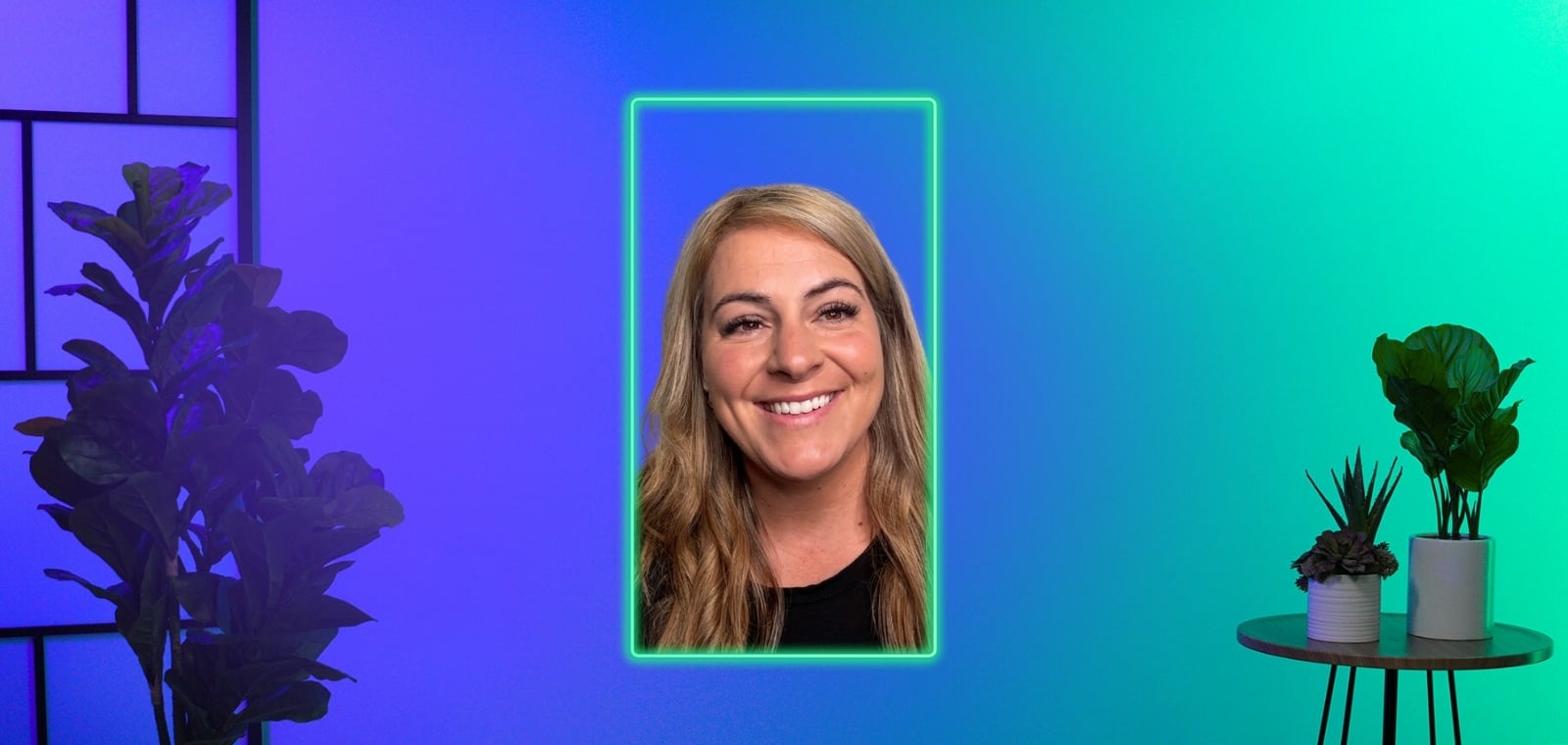
Ep. 142: Feeding Therapy and Life in the NICU with Kailey Harmon
In this episode of the SLP Full Disclosure podcast, host Michelle sits down with Kailey Harmon, a fellow speech-language pathologist specializing in NICU feeding therapy. Kailey shares her journey into one of the most specialized and high-stakes areas of speech pathology, offering an honest look at what it takes to work with premature and medically complex infants and the families who love them.
Subscribe to the Podcast!



Episode Summary
Kailey Harmon has spent nearly a decade working in acute care and the NICU, building expertise in neonatal feeding, myofunctional therapy, and outpatient feeding intervention. In this conversation, she and Michelle explore the realities of NICU speech pathology, from earning the trust of nursing staff to navigating the emotional weight of supporting families through some of the most difficult moments of their lives. They also tackle the gap in care that exists when babies leave the hospital, the role of sensory regulation in feeding therapy, and practical advice for graduate students who want to break into the medical setting.
Key Takeaways
- The NICU Is Not for Everyone, and That's Okay: Working with medically fragile infants requires the ability to stay calm when a baby turns gray or purple during a feed. Knowing your limits is just as important as knowing your strengths.
- Trust Is Earned, Not Given: Kailey had to prove her value to the nursing team over time. Listening to the nurses who spend the most time with these babies is essential to effective, collaborative care.
- Certifications That Matter: While no single certification is universally required, Kailey recommends training through the Neonatal Therapy Association (NAT), SOS Feeding (Sequential Oral Stimulation), and myofunctional therapy as foundational knowledge for anyone working in this space.
- The Gap After Discharge Is Real: Many families leave the NICU without an outpatient speech therapy referral, and when developmental regressions occur, often around three to eight months, they are left without support. Kailey advocates for routine outpatient referrals for all premature infants.
- Sensory Regulation Before Expectation: For children with food aversions or limited food repertoires, regulation must come before intervention. Occupational therapists are invaluable partners in building the sensory protocols that make feeding therapy possible.
- Not Every Picky Eater Needs Therapy: Some children, particularly neurodiverse individuals, may always have a limited food repertoire. The real red flag is when preferred foods start disappearing and nutritional variety drops to a critical low.
- Graduate Students: Get in the Door Early: Hospital settings rarely allow shadowing after graduation. Students should pursue medical placements while still in school and take full advantage of every opportunity to observe.
Chapters
- 00:00:00 – Introduction: Michelle welcomes Kailey Harmon, NICU SLP and fellow Southerner
- 00:01:15 – Kailey's background: nearly ten years with the same hospital system, part-time and PRN work, and a focus on feeding
- 00:02:54 – How Kailey became an SLP: a family of educators, a shadowing experience, and a calling toward the medical side
- 00:05:56 – The dual role of NICU SLPs: supporting babies and the families around them
- 00:07:16 – The hardest parts of the job: earning trust, having hard conversations, and knowing when feeding has to wait
- 00:09:47 – Certifications and training: NAT, SOS Feeding, and myofunctional therapy
- 00:11:35 – What happens after discharge: the gap in care and the case for outpatient referrals
- 00:15:19 – Rural access challenges and the ongoing fight to bridge the gap
- 00:16:11 – Food aversions and limited food repertoires: when to intervene and when to step back
- 00:17:28 – Sensory regulation and the critical role of occupational therapists
- 00:19:14 – Play therapy, behavioral approaches, and knowing when a child's food preferences are actually typical
- 00:22:05 – Being an SLP mom: navigating milestones, diagnoses, and a third baby born with bilateral clubbed feet
- 00:26:08 – Why Kailey started posting on social media and what she hopes to accomplish
- 00:27:41 – The number one question in her inbox: how to get into the NICU
- 00:29:33 – Advice for graduate students: shadow early, pursue medical placements, and be honest with yourself about the environment
00:30:38 – Closing thoughts and an invitation for Kailey to return for a deeper dive
About Michelle
Michelle Gage, MA CCC-SLP, embarked on her journey in speech-language pathology during her undergraduate studies at the University of Mississippi, where she also worked at North Mississippi Regional Center, gaining invaluable experience in various therapy approaches. Following her Master's Degree in Speech-Language Pathology from the University of Central Florida, she has dedicated 25 years to empowering children and families in improving language skills and overall development. Currently residing in Mississippi, Michelle extends her expertise through telehealth services. Additionally, she proudly serves as the host of the SLP Full Disclosure podcast.
Outside of her professional commitments, Michelle is the proud mother of Mia, an accomplished middle school math teacher and all-around amazing human. In her leisure time, she indulges in her love for travel and cherishes moments spent with family and friends.
Transcript:
00:00:00:01 - 00:00:14:21
Speaker 1
Hey, y'all, it's Michelle with SLP Full disclosure. Welcome to our podcast today. I'm so excited to introduce to you another Southerner. I'm so excited to have another southern lady on the podcast with me, Haley Harman. Kaylee, thank you so much for joining us.
00:00:14:21 - 00:00:16:00
Speaker 2
Yes, thanks for having me.
00:00:16:01 - 00:00:48:07
Speaker 1
So, Kaylee, I found her on TikTok. I'm one of the first TikToks of yours that I saw was a day in the life of a nicu SLP, I believe, and I was like, I've got to have her on the podcast. It was so informative. It was so fun just to see all of the things you do. I do not have a lot of experience and all of my experiences in the school system, so I'm really excited to pick your brain and talk to you about what it's like being an SLP in the NICU, because that always it was very intimidating to me, I believe as a graduate student, and it's very intimidating to me
00:00:48:07 - 00:00:53:22
Speaker 1
now because it's just something that I don't know a whole lot about. So Kaylee, thank you so much for joining us.
00:00:54:01 - 00:00:54:17
Speaker 2
Yes.
00:00:54:22 - 00:01:15:18
Speaker 1
All right. Let me tell you guys a little bit about Kaylee. Kaylee graduated in 2016 from Rockhurst University. She started her clinical fellowship in acute and has been employed with the same hospital for almost ten years. She transitioned to part time and PRN while exploring other environments and gaining experience in more areas to become more versatile in the area of feeding.
00:01:15:19 - 00:01:36:22
Speaker 1
She is a wife and mom to three kids. She loves spending time outdoors and is a big advocate for work life balance, especially working in health care, which I think is something we all need that work life balance because it's what we do. I work virtually, and so I've had to be very conscious about closing my computer. Yes, putting it away, getting it out of sight.
00:01:36:22 - 00:02:00:06
Speaker 1
Because if if I can see it, I'm like, maybe I'll check that email. So I've gotten really good about, especially now that I'm older. I'm like, yeah, yeah. You know. So yeah. Kaylee, let's talk about the nic you and feeding therapy. So you specialize in, feeding, correct? Yes. Now, are you currently in the NICU? You're working in the NICU now?
00:02:00:06 - 00:02:21:00
Speaker 2
Yes, I'm still in. I just had a baby last June, so I am more at home right now, but I still go in almost weekly and do evaluations. I, also work acute care, so I do see adults still and help there. But yes, I was just in Niue twice last week, so.
00:02:21:02 - 00:02:42:05
Speaker 1
Okay, I remember when I was in graduate school and I remember one of my professors standing up and talking about the NICU, the hospital setting, and the role of the SLP because it's so important. I mean, we're working with these babies on a skill that they need to survive, which is feeding, and that I think that was the one thing that just really intimidated me.
00:02:42:05 - 00:02:54:03
Speaker 1
First of all, Kaylee, tell us about just tell us your story. How did you become an SLP? Why? And what led you to this very specialized non-icu feeding area of speech pathology?
00:02:54:06 - 00:03:14:21
Speaker 2
Okay, yeah. So both of my parents are educators. And so I grew up, you know, mom and dad were both teachers. They had great schedules. They were home during the summer. And I remember telling my mom and dad when I was, you know, in my first years of college, I said, you know, I think I'm, I think I'm going to go into education.
00:03:14:23 - 00:03:35:11
Speaker 2
It provided a great life for my family. It provided a lot of flexibility. And being a mom and wanting to be a mom said, I think, I think this would be a good fit. And both of my parents looked at me and said, that's fine, but you probably need to do something specialized. They both encouraged me to do specialty.
00:03:35:16 - 00:03:52:11
Speaker 2
And I think the reason for that is, you know, you get into a profession, obviously, the longer you're in it, things are going to change and evolve. And I think it changes so much in education. You know, both of my parents, when they first started teaching, teaching didn't look anything like that by the time they were done.
00:03:52:16 - 00:03:58:12
Speaker 1
Right. And she doesn't look the same as they did in the 90s when I started, as it does now in 2026.
00:03:58:15 - 00:04:23:21
Speaker 2
Yeah, so so that was their big push was just go specialty. And my dad had recently taken a position being the lead of technology for special education in the district. And he said I think you need to come shadow one of these SLPs. I think this might be something you would be interested in. He was in charge of programing, iPads, AAC devices, things like that.
00:04:24:00 - 00:04:36:15
Speaker 2
He was like, I think this would be really cool. So I shadowed, an SLP in the district he worked in. Her name is Joe Goodwin. She's a great friend of mine and I was with her for one day and I was like, yeah, I think I'm gonna do this.
00:04:36:20 - 00:04:38:03
Speaker 1
Yeah. You know what to do.
00:04:38:08 - 00:04:56:16
Speaker 2
Yeah, yeah. It made sense. And you know I got into into college and obviously started classes and quickly realized that the medical side was just something I was really interested in. Honestly, I go back to that time in my life, I think it was just a God thing, because I've never had a desire to work in a hospital.
00:04:56:20 - 00:05:16:12
Speaker 2
I don't like bodily fluids. I don't like any of that. You know, any that nobody does. But I think there was just this calling, if you will, and got really interested in how important it is to start somebody off on the right foot to be able to go forward in their life, you know?
00:05:16:14 - 00:05:18:02
Speaker 1
Yeah.
00:05:18:04 - 00:05:27:18
Speaker 2
When I think back to it that those are those moments where I'm like, you know, I think it was just like, this is something I know I can do. So I'm going to go for it and I'm going to do it.
00:05:27:20 - 00:05:56:02
Speaker 1
That's amazing. And as a speech pathologist in that setting, you're not just working with the babies, you're also supporting the families and you're educating them. And I would think that most of the babies that you're working with are babies that, like you said, they've not had a great start to coming into this world. And so we're often some of the first professionals or maybe one of the first people or specialists, if you will, that's working with this family and guiding them through this process.
00:05:56:02 - 00:05:56:11
Speaker 1
Correct.
00:05:56:11 - 00:05:58:09
Speaker 2
Yeah. Yeah, yeah. Wow.
00:05:58:12 - 00:06:03:20
Speaker 1
And that you feel like that's the most challenging part. Is it working with the babies or is it supporting the families?
00:06:03:20 - 00:06:26:12
Speaker 2
Honestly, I think there's there's a lot of pieces to you kind of to add on to what you were talking about. I'm a Ta on the Enneagram and I love people and I love being a helper. So naturally, stepping into that role of helping these families, helping these moms, I know what it's like to not be able to feed your child and that struggle.
00:06:26:13 - 00:06:49:15
Speaker 2
Okay. So putting them at ease and trying to champion them in that situation and let them know, like, this is still your baby. This is we are trying to create a ideal environment for them to grow and, you know, be able to feed well so that when you do go home, it's a lot less stressful. Bearing that weight, I think, is just something I've naturally always done in a lot of situations.
00:06:49:15 - 00:07:16:23
Speaker 2
So again, being able to help families in this situation is is so important. The hardest part of the job? Gosh, I think the list is long, but I'm I'm grateful that I'm grateful for all, all the hard pieces because it revived me as a therapist and made me learn how to work with other professionals, work with people who don't necessarily see speech therapy as valuable.
00:07:17:00 - 00:07:41:12
Speaker 2
Maybe when I first started. Right, have hard conversation and be okay with not being the favorite person or not being liked very much at first. I definitely had to earn my place up there. I had to earn trust. I had to you know, show them that I wanted to be there, and I cared, and I wanted to listen to them, too, because quite frankly, these nurses are with these babies all day long, and they see a lot more than what we see.
00:07:41:12 - 00:07:54:10
Speaker 2
So just being able to listen and work together is a big part of that. And also knowing that there are other things that sometimes have to come before feeding. Right. And letting those things take a front seat at times.
00:07:54:12 - 00:07:59:03
Speaker 1
Now, were you working as a Nic slp before you had children?
00:07:59:05 - 00:08:08:11
Speaker 2
I actually had my son. Ten years ago. So I went in March and he he was four months old when I started working.
00:08:08:16 - 00:08:20:09
Speaker 1
Okay. Because I was going to ask, do you feel like your that it's change how you treat your families and or how you help to bring them to this point of we're doing this as a team.
00:08:20:10 - 00:08:41:06
Speaker 2
Yeah, yeah. And honestly, I don't I think having him helped me and being a mom stepping into that role. Yeah, definitely helped. I don't know, maybe relate and resonate with these moms a little bit more. Just being like, you know I'm a mom. I've been there I know what this is like things like that. I think that was helpful.
00:08:41:06 - 00:09:09:13
Speaker 1
Yeah. I also feel like when I became a mom that I became a better speech pathologist. Because I was working with children in Early Intervention after I had my daughter and I was working with all these children who had these delays and had these difficulties, maybe all these multiple diagnoses. And it was really hard. And then I had my daughter, who was typically developing, and it was said it it gave me a different perspective.
00:09:09:15 - 00:09:20:17
Speaker 1
And it also it hits differently when you're a mom because these children are coming into the world and they have all these challenges with feeding that you have to be able to eat to survive. Like we were saying.
00:09:20:19 - 00:09:21:10
Speaker 2
Yeah.
00:09:21:12 - 00:09:24:20
Speaker 1
And when you're a mom, you just look at it differently.
00:09:24:22 - 00:09:26:07
Speaker 2
Yeah.
00:09:26:09 - 00:09:47:21
Speaker 1
I know we've had recruiters on the podcast before. We're going to kind of shift away a little bit that have talked about one of the biggest questions we always get about working in the, the Nic, you and working in that medical setting is certifications. And what specific special certifications do you have, or are you required to have to work in the setting in that?
00:09:47:21 - 00:09:48:15
Speaker 1
Nic you setting?
00:09:48:15 - 00:09:54:19
Speaker 2
I don't know that there's necessarily a specific training. It probably varies by unit.
00:09:54:21 - 00:09:55:11
Speaker 1
00:09:55:13 - 00:10:20:06
Speaker 2
My unit and the mercy system as a whole encourages a neonatal association. That you therapist any of the trainings that are within that which is Nat, it's known as Nat. They have a lot of great trainings. They just have very basic trainings. But then they also have some more expensive trainings like bedside feeding with McHugh infants, which obviously is very beneficial.
00:10:20:06 - 00:10:46:12
Speaker 2
I have done SOS feeding, which is sequential oral stimulation feeding, which is more for older kids, but the beginning stages of it, I believe a lot of it happens early in life. So you're educating what comes next after Nic is what I would say I would see the most with S.O.S.. And then I recently it's been two years I did or.
00:10:46:12 - 00:11:26:13
Speaker 2
No, I've done my own functional, which I am a firm believer. But anyway. And everyone who wants to be any in any part of feeding a myo functional certification or therapy or training is so necessary because that's truly the root of what is causing a lot of these, like long term feeding issues. It all starts so early, and while we're not really doing true mile functional therapy until kids are a little bit older again, the processes and the beginning stages of everything we start researching and looking at on an or a very early scale.
00:11:26:16 - 00:11:35:16
Speaker 2
So and we can correlate a lot of pieces. We can put a lot of these pieces together as to how these babies are getting to this point. So yeah.
00:11:35:18 - 00:11:56:21
Speaker 1
So you're in the NICU, you're working with these babies. You have all of these special certifications, the S.O.S training you have have all of this knowledge. But when they leave you and they go home, the therapy doesn't stop. It needs to continue. So then they're often coming onto the case. Loads of early intervention speech pathologists if they're a little bit older, maybe school aged.
00:11:56:21 - 00:12:10:01
Speaker 1
What does that therapy look like when they leave the hospital and they go home in that early intervention or are those families bringing them back to the the hospital for treatment with you?
00:12:10:04 - 00:12:21:19
Speaker 2
I think it's a mixture. I would say this is one of the most challenging spaces and most lack of support spaces that we have in this field.
00:12:21:21 - 00:12:22:05
Speaker 1
I would.
00:12:22:05 - 00:12:51:23
Speaker 2
Agree. Yeah. What I, what I have seen in my ten years of doing this, babies get a certain level of care in the NICU. There are certain aspects of their care that are more important than others. I recently just had a conversation with one of my neonatal nurse practitioners. She's wonderful and I have a great team and their latest research is to not clip or not laser tethered tissue, which at times makes sense because they're still developing.
00:12:51:23 - 00:13:18:07
Speaker 2
There's still a chance that that tissue can stretch. And typically what we see is a big regression later in those eight months of life, you know, three months at times we see a big regression and a lot of babies leave before that point. So they're not needing that intervention. But what happens is they don't. Not everybody that leaves the next year has a outpatient speech therapy referral, because if they're feeding well, they don't really need one.
00:13:18:12 - 00:13:45:18
Speaker 2
But then when they do go through that regression because the tissue doesn't actually stretch or they're not getting intervention, nobody's doing like oral stimulation or oral therapy to stretch those muscles, then then they're lost. These families are lost, and then babies are losing weight. They're not eating. You know, maybe some of them have made it to the stage of pure aid and they're not tolerating purees, or they can't tolerate solid foods because they have tethering in the mouth.
00:13:45:18 - 00:14:11:03
Speaker 2
That was never addressed. But again, it's it's nobody's fault. It's just it's the nature of how this this happens. And so, you know, I think there are a lot of things that we can do. I'm a big advocate for, like, if a baby is premature, I think getting a lot and speech referral for outpatient therapy is absolutely a great idea.
00:14:11:03 - 00:14:12:20
Speaker 2
You know, it doesn't hurt anything if they.
00:14:12:20 - 00:14:13:07
Speaker 1
Don't need.
00:14:13:07 - 00:14:35:03
Speaker 2
Anything. Yeah. If they don't need long term therapy, great. But at least they have somebody to take a look at things, right? Once they're discharged and they have a connection somewhere. So this is something that I did. And when I first left the hospital from full time and transitioned to doing some more outpatient, I wanted to be able to bridge that gap.
00:14:35:03 - 00:15:00:10
Speaker 2
Bridging that gap, I think, has always been a deep desire of mine. Because I do have good connections in my community. I have good connections with, pediatricians and dental, dentists, dental offices, airway focused ents. There's so many different connections we have to make for these families, and they need somebody to do that, you know, because a lot of them go home and they have no idea that they need this intervention.
00:15:00:10 - 00:15:19:14
Speaker 1
And then what about the families? You know, I work I do telehealth, telehealth, and I'm working in a district in Northern California that is a very rural. And you're in Arkansas, you're in, I know, right where you are. And you can get into some areas of Arkansas and even Mississippi where I live, that are very rural, and you don't have access to your.
00:15:19:14 - 00:15:19:21
Speaker 2
Yeah.
00:15:20:03 - 00:15:20:11
Speaker 1
What do you.
00:15:20:11 - 00:15:22:13
Speaker 2
Do? Right, right. I mean, and.
00:15:22:13 - 00:15:32:08
Speaker 1
That just adds another layer of, yeah, into this whole treatment of care that we've got and moving forward with these babies in their families. Yeah.
00:15:32:08 - 00:15:56:03
Speaker 2
Yeah. So I wish there was more there. I think we're getting there. I think it's you know we're noticing that there's a big gap. And I'm hopeful that we continue to work to bridge that gap. But I think it's you know it just takes time and education and reeducation because then there's turnover at the hospital and then there's turnover in outpatient I think you know it just it may be a battle.
00:15:56:03 - 00:15:59:05
Speaker 2
We're always fighting to try and help with these families.
00:15:59:07 - 00:16:15:20
Speaker 1
Right. I know as an early intervention speech pathologist, the kids that I got, I've had some cleft lip, cleft palate, kids that have been through the surgery process. But I've worked with those families whose children have food aversions. So let's move away from that nicu piece in that.
00:16:15:20 - 00:16:16:09
Speaker 2
Yeah.
00:16:16:11 - 00:16:34:03
Speaker 1
Feeding therapy and get into the piece that talks about those kids. I mean, I worked with a kid one time, and I think I told you this in our intro call that if he if he just saw a spoon, the spoon could it could not. It didn't even have to be feeding time. If the spoon was just sitting on the counter, he would immediately start gagging.
00:16:34:05 - 00:16:48:20
Speaker 1
And I'm like, what do you do with that? These are neurotypical kids, no diagnoses, but they've got these severe food aversions. Are those the type of kids that you're working with as well or what advice do you have in that regard.
00:16:49:00 - 00:16:56:18
Speaker 2
Yeah, not I'm not working with those kids currently just because I'm not at an outpatient clinic. I was very recently. Yeah, yeah. But I.
00:16:56:18 - 00:16:57:04
Speaker 1
Have to.
00:16:57:04 - 00:17:28:03
Speaker 2
Work for I had my daughter. That specific area, S.O.S. feeding is a great training. Sequential oral stimulation is absolutely a phenomenal training. Doctor K to me is brilliant, and her team is brilliant, and they have so much good information to help with situations like these. And I'm a big advocate for regulation from a sensory perspective. Prior to introducing foods, the clinic that I was recently with is really big on sensory regulation.
00:17:28:09 - 00:18:02:08
Speaker 2
We do a lot of like regulation before expectation, and we can't expect a child to be able to perform all these tasks until their body is regulated, right? And even neurotypical kids still can have sensory deficits and need a type of regulation before eating. And so this is where my OTS come in heavy and really work. And to figure out from a sensory or sensory perspective, what type of protocol do we need for these kids before they can even sit down at a table?
00:18:02:08 - 00:18:24:03
Speaker 2
Right. And I am so thankful for OTS that are so well-versed in this area because to me, I can't do my job without them. And right, you know, we cross train. When, when I was working at that clinic like I'm perfectly capable of implementing a sensory protocol. Once I'm trained in it, once I know what the child needs.
00:18:24:08 - 00:18:29:14
Speaker 2
But figuring out that protocol, I had a great team of OTS that would.
00:18:29:16 - 00:18:35:16
Speaker 1
That's where you put that. I mean, I know I've always said that my my smartest friends are my OT friends.
00:18:35:18 - 00:18:36:12
Speaker 2
Like,
00:18:36:14 - 00:18:49:12
Speaker 1
I've got a friend named Laura that's an occupational therapist. She lives in North Alabama, and she's brilliant. I mean, she should have gone to to medical school. She is so smart. Yeah, but, yeah, you're OTS are going to be your best friends when it comes to stuff like that.
00:18:49:14 - 00:18:49:18
Speaker 2
Yeah.
00:18:49:18 - 00:19:14:08
Speaker 1
What about she just have, limited, limited food repertoire, like, they're just like, oh, yeah, chicken nugget or French fry and that's it. What? Where are you seeing that? Because a lot of times I feel like some of that stuff is behavioral and not so much sensory based. So then you start getting into your bcba and you start talking about that behavior management piece, because then I've got a child that will, you know, only eat chicken nuggets.
00:19:14:10 - 00:19:14:19
Speaker 2
Yeah.
00:19:15:01 - 00:19:16:20
Speaker 1
Then what do you do?
00:19:16:22 - 00:19:38:17
Speaker 2
I'm in. I take a little bit of a different approach with my experience. I'm a big advocate for play therapy, over like behavior therapy, because, again, I just kind of go back to that regulation piece and like what is causing the behavior. And a lot of times there are big psych pieces that can be addressed in play therapy.
00:19:38:18 - 00:19:50:00
Speaker 2
And I've seen in my experience a tremendous growth in a lot of kids who have play therapy, OT and then they come to feeding.
00:19:50:03 - 00:19:50:12
Speaker 1
00:19:50:16 - 00:20:21:16
Speaker 2
But the other thing that we have to kind of take a step back from when we're doing these evaluations, if we have a child who is maybe neurodiverse but maybe not as severe but still only eats ten foods, we have to kind of ask ourselves like, are we asking them too much? Are we asking like that? They may be an individual who only eats ten foods their whole life because from a neural, a neuro perspective, that that's what makes sense to them and that's always going to make sense to them.
00:20:21:16 - 00:20:23:21
Speaker 1
That's comfortable and that's safe.
00:20:23:23 - 00:20:44:13
Speaker 2
Right? Right. The one time that I think and maybe not the one time, but the time that I do believe that it's our job to intervene is when we have ten foods in our food repertoire and they start decreasing, and our preferred foods are no longer our preferred foods. And we created food jags because that's all they'd eaten for a year.
00:20:44:16 - 00:20:54:18
Speaker 2
You know, I had a child at one point that was eating Cheez-Its and chocolate milk and Oreos, those three foods and those three foods only. And you think about like, nutritional value.
00:20:54:20 - 00:21:14:04
Speaker 1
That's what I was about to say. Then you got to then you've got to. Look, I have a friend of mine that's an OT and that I worked with in Baltimore, and we would co treat a lot and families would say they'll eat chicken nuggets, French fries, mashed potatoes, macaroni and cheese. And she would say, that's a pretty typical toddler.
00:21:14:06 - 00:21:32:00
Speaker 2
Yeah. And that's the other thing. You know we get referrals all the time that are these kids who are two, three, four. And that's not uncommon for kids to eat starchy carbs. And yeah, you know because I think what a lot of people don't know is those are consistent. You know a Cheez-It is a Cheez-It is a G.
00:21:32:02 - 00:21:42:18
Speaker 2
The that always it's always going to taste the same. Whereas like a blueberry. Oh my gosh, I don't think I've ever I've never had a blueberry that tastes the same in my 35 years of life. Right?
00:21:42:20 - 00:21:50:12
Speaker 1
Yeah. You may get one that's great and super sweet and firm, and then you might get the next one that's going to be mushy and bitter and not crispy.
00:21:50:14 - 00:21:51:15
Speaker 2
But a chicken you're like.
00:21:51:15 - 00:21:58:04
Speaker 1
Always tastes like a chicken nugget. You're exactly right. And so that goes back to that safety piece in that. What's familiar.
00:21:58:06 - 00:21:58:14
Speaker 2
00:21:58:19 - 00:21:59:13
Speaker 1
00:21:59:15 - 00:22:05:03
Speaker 2
So yeah. Yeah I think yes a lot of it is just. Yeah. Go ahead.
00:22:05:08 - 00:22:12:21
Speaker 1
I'm thinking back to my daughter when she was like 18 months old. And if I knew then what I know now she probably needed a feeding therapist.
00:22:13:01 - 00:22:14:08
Speaker 2
Because I know he.
00:22:14:08 - 00:22:27:20
Speaker 1
Lived a year of her life on cheese grit. She's going to die when she hears this. She lived a year of her life on cheese grits. Yeah. And literally one day, I mean, it was breakfast, lunch and dinner. What do you want? I want grits or grits. And one day I was like, what do you want for dinner?
00:22:27:20 - 00:22:40:00
Speaker 1
And I'll fix your grits. And she was like, you know, you would have thought that I'd put frog legs on our plate. She just wasn't going to have it. And that's just, you know, it just changed overnight. She didn't want grits anymore.
00:22:40:02 - 00:22:40:17
Speaker 2
That's wild.
00:22:40:22 - 00:23:02:16
Speaker 1
Yeah, I know kids are crazy. Kids are wild. No, they want to do you on your toes. Do you bring a lot of your knowledge and your therapy and all of that into raising your children? It's like you're going to eat this and you're going to do this. And were you overly concerned as a new mom that you were going to have the child that didn't latch or that couldn't swallow and, you know, do all those things?
00:23:02:16 - 00:23:03:15
Speaker 1
Did that worry.
00:23:03:15 - 00:23:25:10
Speaker 2
You? You know, yes and no. I think there's always, you know, when they're when you're carrying the baby, there's always a lot of what ifs. Oh what if, what if they can't do this. What if they can't do that. You know my first two everything was very typical. And so you know I didn't really have I think my first one anyways I was just a new mom and I was like yeah, you know ignorance is bliss.
00:23:25:10 - 00:23:36:01
Speaker 2
I didn't know it right to know. Yeah. With my second, I was a little worried that something was going to be different, just because I knew a lot more and I had worked, Nic, you.
00:23:36:03 - 00:23:38:09
Speaker 1
Know, just enough to be dangerous.
00:23:38:11 - 00:23:38:12
Speaker 2
To.
00:23:38:14 - 00:23:40:09
Speaker 1
Because you're in ourselves.
00:23:40:11 - 00:24:02:20
Speaker 2
Yeah, right. But then with my third and my 20 week ultrasound, she was actually diagnosed with bilateral clubbed feet, and which was pretty shocking because we just I wasn't expecting that because I had two other like very typical developing kids. And fortunately when she was born, we found out that it was not as severe. We haven't had any issues, if any.
00:24:02:20 - 00:24:24:00
Speaker 2
I mean, she's been standing since she was eight months old. She's almost a walking. We are going to have to do some orthotics, but, you know, for the most part she's just she's great. She's actually very ahead in all the things, which is great. There was a part of me that was like, well, you know, Club Beat can be associated with cleft palate.
00:24:24:02 - 00:24:24:14
Speaker 2
You know.
00:24:24:18 - 00:24:25:16
Speaker 1
Our mind starts, right?
00:24:25:16 - 00:24:32:11
Speaker 2
And then you start going, thankfully, my husband is like the most not anxious human I've ever met.
00:24:32:13 - 00:24:40:12
Speaker 1
I think all of us are really anxious and really, you know, type A, and it's like, oh my gosh, it has to be just like this or it's not going to work.
00:24:40:14 - 00:24:58:12
Speaker 2
Yeah. So thankfully, you know, he was like, whatever it is, like we're going to handle it. It'll be fine. And I knew I had a great nephew, so if I needed her to be somewhere, she was going to be with my team, right. Because I trust them. And but it all worked out and it was okay. So yeah, I mean, I do think I'm thankful.
00:24:58:12 - 00:25:19:18
Speaker 2
I know what I know because I also can help all of my friends, you know, and I can talk them through things and kind of put them at ease. But I think it's definitely a fear that SLPs get, you know, just because we know about milestones and development. I think at one point I had diagnosed my son with multiple things, you know, as I was like, oh yeah, he has he's.
00:25:19:18 - 00:25:44:00
Speaker 1
Definitely got that. When I was pregnant with my daughter back in 99, she was born in 2000. I was working in a school district in Florida, and I had a high population of orthopedic impaired students, and the majority of them had spina bifida. So at about six months, I was convinced that that the child I was carrying was going to have spina bifida, because I just knew that that but but that's what I saw every day.
00:25:44:06 - 00:25:45:01
Speaker 2
Yeah. So yeah, I.
00:25:45:01 - 00:26:02:19
Speaker 1
Was like, that's what's typical, because what I'm seeing is a classroom of, you know, 11 kids and all of them have, you know, varying degrees of spine bifida. So, of course, my mom have spinal bifida, but she did not. Let's talk about your social media presence and why you started posting on social media, which is how I found you to begin with.
00:26:03:01 - 00:26:08:21
Speaker 1
So, like I said, the first one I saw was a day in the life of a NICU SLP. Why did you start posting?
00:26:08:23 - 00:26:29:17
Speaker 2
I kind of have a love for content creation and just sharing real life pieces. I would say that I've kind of been on and active on social media and had a social media presence for about ten years, so it just kind of evolved and it's kind of grown, and I've learned how to do things as I've gone. I love educating people.
00:26:29:17 - 00:26:45:16
Speaker 2
I love like sharing real life experiences and real life things that happen in social media. I can get a can kind of have a negative connotation, but I think it's so valuable and it's it's an inevitable piece of our lives, especially now.
00:26:45:18 - 00:26:46:05
Speaker 1
Right?
00:26:46:07 - 00:27:08:06
Speaker 2
I think about my children and how they will never, never know a world without social media. They'll never know a world like without these platforms because they just exist. Obviously, we're going to keep them away from them as long as we can, you know, and monitor and be safe. But I would rather know and understand the world that my children are going to be in.
00:27:08:08 - 00:27:20:00
Speaker 2
So that is honestly like the biggest piece of it for me is just kind of staying involved in it and understanding it and knowing it. But I do, I love it, I like, I love connecting with people, I love answering questions.
00:27:20:06 - 00:27:22:12
Speaker 1
I think there's a number one question you get.
00:27:22:14 - 00:27:41:08
Speaker 2
Gosh, my my inbox is always flooded and I'm so grateful that people trust me and like, want to ask me questions. Gosh, the number one question, I probably the number one question I get is like, how do you get in the net? You how do you get into acute care, you know? Right. And and honestly love I think kind of back to that question.
00:27:41:08 - 00:27:51:20
Speaker 2
I love sharing the reality of the hospital because I think, I think a lot of people think it's like this really dreamy wonderland of an experience and a job. I don't.
00:27:51:20 - 00:27:54:12
Speaker 1
I don't think, I think that I it was very scary.
00:27:54:14 - 00:28:20:16
Speaker 2
Yeah, yeah. And it is like feeding a baby that's hooked up to a lot of lines and on oxygen and feeding a baby who turns purple or gray while they're eating is is a very scary experience. But having the right presence in the right, the ability to stay calm in situations like that is so important. But so sharing my goal was to kind of bring awareness to the environment as a whole, because people would be like, I want to be a niku, I want to be a niku.
00:28:20:16 - 00:28:36:08
Speaker 2
And I'm like, I don't know. I want you to like, really take a step back and like, ask yourself, is this something you really want to do? And if it is, go for it. Absolutely. Educate yourself. Get your foot in the door somewhere. How I answer that question. So back to that. How I answer that question. How do I get into you?
00:28:36:08 - 00:29:00:01
Speaker 2
How do I get in acute care? I always advocate for getting a placement. Try and get a medical placement somewhere. Try and get an acute care if that is not an option, especially for my students who are at a school or at a university that specializes more in the education side of things, they don't have a lot of medical placements.
00:29:00:01 - 00:29:19:22
Speaker 2
My recommendation there is to get a job in or apply to be at a hospital and be willing to learn and gain experience. So once you get on PRN, they'll let you shadow whenever. Unfortunately, once you get a degree and once you are working, they don't just let you come in and shadow at the hospital. It's just not something that they let you do.
00:29:19:22 - 00:29:33:23
Speaker 2
So I always try and tell students I might take advantage of that while you are in school, because you're a lot more likely to be able to get that experience, see those things and experience those things while you're a student. So I love.
00:29:33:23 - 00:29:54:06
Speaker 1
That. So you've already answered my last question for UK, which is what advice do you have for graduate students? And I think that's great advice is just doing those, doing those rotations, getting that experience and just finding SLPs that will let you follow them and shadow them just to gain that experience and see, is this really something that I think I want to do every day?
00:29:54:06 - 00:30:04:20
Speaker 1
Because, yeah, until you see someone feed a baby like you said, that turns purple, you're like, oh, that's going to make your heart racing. Is this something that I want to be responsible for? And is this something that I'm going to do?
00:30:04:22 - 00:30:05:10
Speaker 2
Yeah.
00:30:05:12 - 00:30:29:16
Speaker 1
Yeah. Because in my case, when I saw that, I was like, like you said, yeah, babies are and they've got so many challenges already, but they're hooked up to all these monitors and things are beeping. And I remember thinking this, I can't do this every single day. And I knew that. And that's great. That's perfectly fine. I went to the school system and I'm so thankful that there are speech class out there like you, who you do have a passion for this.
00:30:29:18 - 00:30:37:06
Speaker 1
And working with these babies and working with these families, and it is something that is so important to get them started in this world.
00:30:37:08 - 00:30:38:01
Speaker 2
Yeah.
00:30:38:03 - 00:30:41:16
Speaker 1
I love it. Kaylee, thank you so much for joining us. It is me. Thank you.
00:30:41:16 - 00:30:42:02
Speaker 2
For having.
00:30:42:02 - 00:31:01:06
Speaker 1
Me. You know, I think we could talk about, you know, therapy. Like, what does an evaluation look like? We probably need to have you back and just go through each individual piece, because we've done just a brief overview of what it's like in the NICU and what we have to do and how we, you know, how do we support these children in these babies and families once they leave the NICU?
00:31:01:06 - 00:31:03:07
Speaker 1
But thank you so much for joining us in history.
00:31:03:07 - 00:31:03:22
Speaker 2
Thanks for having.
00:31:03:22 - 00:31:20:08
Speaker 1
Me. I have loved it. We're going to have all of your contact information linked in the show notes, so you guys can go find her on TikTok. I highly recommend it. But yeah, thank you so much for joining us and we hope you guys have enjoyed the podcast and you all have a great day. Thank you for tuning in to SLP.
00:31:20:09 - 00:31:43:09
Speaker 1
Full disclosure you can learn more about this episode and our show on our website at AMN healthcare.com. If you enjoyed this episode, share it with a friend and subscribe to our show on your favorite podcast platform. You can also find show updates and SLP opportunities on our Instagram at AMA and ally. Special thanks to AMN healthcare for making this show possible.
00:31:43:13 - 00:31:44:12
Speaker 1
See y'all next time!


