

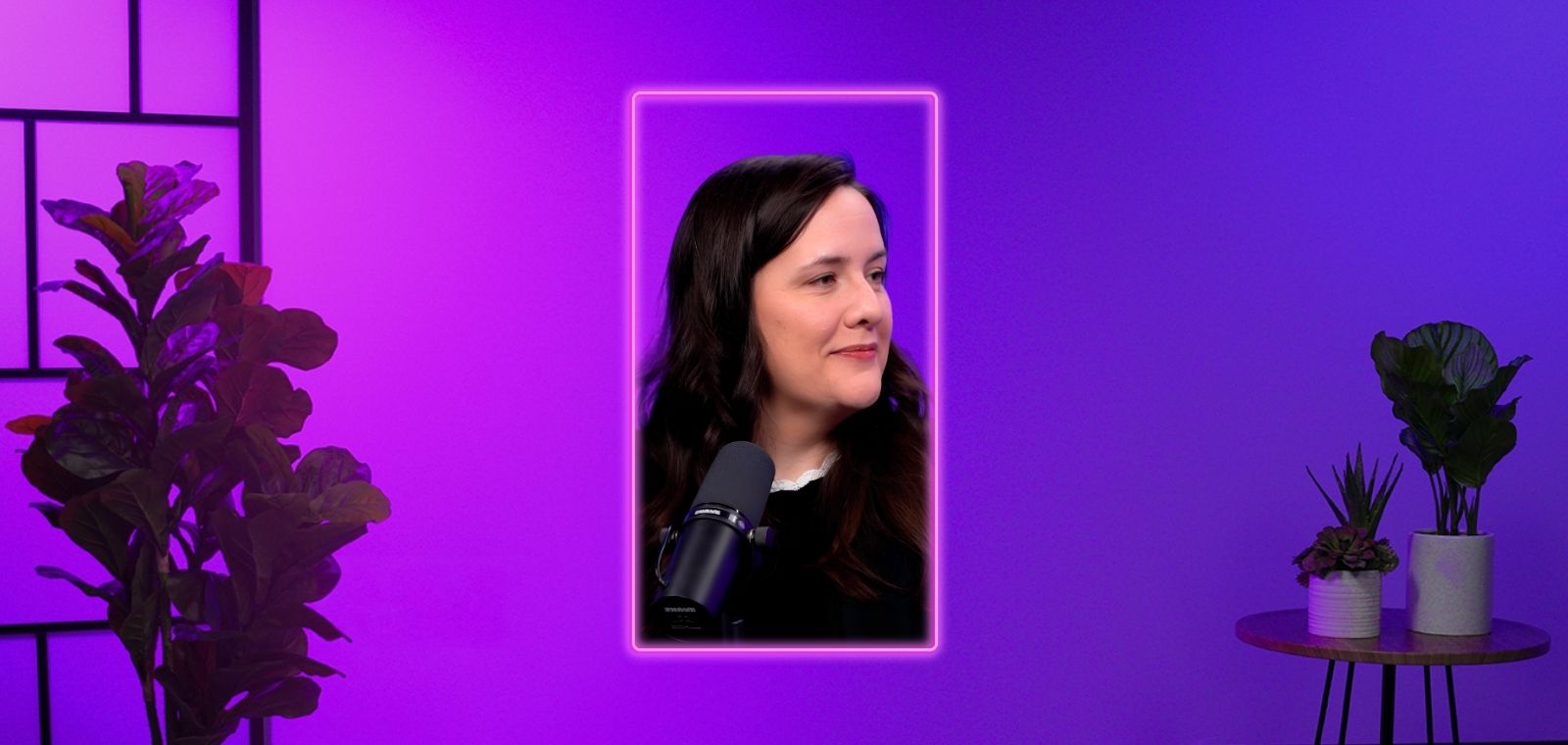
Ep. 59 | Language Access on the Front Lines: How Main Line Health Builds Trust at the Bedside
What happens when a patient can't communicate with the team caring for them? On this episode of the Elevate Care podcast, host Christin Stanford talks with Erin Dougherty Cieszynski, Manager of Guest Relations and Patient Experience at Main Line Health, about what language access looks like once a policy meets a patient in an exam room. This conversation is part two of a series with Main Line Health, following a leadership-level discussion on operational strategy with Suzanne Smith.
Erin brings over 12 years of patient advocacy experience to a conversation grounded in real moments from the floor: emergency department visits, registration desks, and the quiet handoffs between nurse, patient, and family. She walks through how Main Line Health moved from reactive interpreter use to automatic activation, why a universal sign-on changed adoption rates among clinicians, and how something as simple as a badge buddy can close a communication gap before it becomes a safety risk.
Erin also shares how an ASL interpreter helped identify a hearing-impaired patient as a victim of human trafficking, connecting the dots between language access, patient safety, and trust. Throughout, she reframes language services as a driver of stronger patient outcomes, better satisfaction scores, and increased community referrals, not just a regulatory requirement.
Key Takeaways
- Language access should be automatic at the start of care, not a last resort.
- Reducing friction through universal app sign-on, badge buddies, and dual handsets drives faster clinician adoption.
- Patients who feel heard are more likely to return, refer others, and engage in preventive care.
- Language access touches the entire patient journey, from registration through discharge and follow-up.
- Strong interpreter access supports both patient safety and staff satisfaction.
- Health systems should expect deeper digital integration and a shift toward population-mapped language access strategy.
Timestamps
00:00 – Introduction to Language Access and Patient Experience
01:39 – Erin's Role in Guest Relations at Main Line Health
02:06 – Where Language Access Shows Up Most for Patients
03:05 – Why Communication Is the Foundation of Quality Care
04:42 – Closing the Gap Between Policy and Frontline Reality
05:38 – What Good Language Access Looks Like on the Floor
07:09 – How Providers Use Interpreter Services Under Pressure
08:30 – Building Adoption Across Clinical Teams
09:35 – Feedback That Shaped a Better Program
11:04 – Adapting Language Access to Rising Patient Volumes
12:00 – Connecting Language Access to Referrals and Revenue
13:07 – A Story of Language Access Saving a Life
16:40 – The Link Between Language Barriers and Preventive Care
18:09 – Small Changes with Outsized Impact
19:17 – Where Communication Breakdowns Still Happen
20:51 – Advice for Healthcare Leaders
21:49 – The Next Five Years of Language Access
Meet Erin Dougherty
Erin Dougherty Cieszynski works across the full continuum of care to help patients navigate the healthcare system, understand their treatment, and feel confident their voices are being heard. Known for her empathy and ability to bridge the gap between clinical teams and the patients they serve, Erin has led efforts at Main Line Health to expand interpreter access, streamline technology adoption among clinicians, and connect language access directly to patient safety and satisfaction outcomes.
To hear more from the Main Line Health language access series, listen to part one of this conversation featuring Suzanne Smith's perspective on operational strategy and system-wide impact.
Transcript
00:00:00.080 — 00:01:39.600 · Speaker 1 Welcome to the Elevate Care podcast. The show where health care professionals, visionaries and thought leaders come together to explore the limitless possibilities of healthcare innovation. I'm Christin Stanford. Your host for today's episode with Erin. This episode is part two of a special Elevate Care series with main line health focused on language access and health care.
Following Suzanne Smith's leadership perspective on operational strategy and systemwide impact, Erin Cieszynski joins The conversation to explore what language access looks like on the front lines of care, where patient trust, provider behavior, and real time communication directly shape outcomes and experience at Mainline Health.
Erin serves as the manager of guest relations and patient experience for an acute care hospital, with over 12 years of experience in patient advocacy. She's a dedicated health care professional who consistently champions patient centered care and positive health care experiences. Erin is known for her empathy, deep understanding of patient needs, and her ability to collaborate effectively with teams to enhance service quality, resolve concerns, and ensure every patient's voice is heard.
So, Erin, we're so happy to have you here today. And, uh, really looking forward to our conversation. Uh, tell us more about your role there at Mainline Health.
00:01:39.640 — 00:02:06.470 · Speaker 2 Absolutely. Happy to be here today. Yes. Great. So my role at Mainline Health, I'm the manager of guest relations and patient experience. I serve there as an advocate to help our patients navigate through the health care system across their continuum of care, making sure that they understand what's going on, that they're able to make informed decisions, um, make sure that they their rights are being respected, and we're providing that compassionate experience and having them be heard.
00:02:06.510 — 00:02:21.150 · Speaker 1 Mhm. A very important role sounds like for sure being responsible for patient experience inside the hospital setting. Where do you see language access showing up most for your patients.
00:02:21.230 — 00:02:44.670 · Speaker 2 I think for us it's in those emergency care situations. Uh additionally with our nurse and doctor communication really making sure that our patients, again, fully understanding what is happening, understanding what's going on with their care. It's really important for us. Those emergency situations are always front of line.
But something as simple as just registration and intake as well is really important.
00:02:44.750 — 00:02:56.030 · Speaker 1 Um, yeah, I could imagine that between the patient first walking in to actually discharging, there's a lot in between all of that, right. Yes.
00:02:56.070 — 00:02:56.830 · Speaker 2 Absolutely.
00:02:56.870 — 00:03:05.590 · Speaker 1 Mhm. Mhm. And so why would you say that. Language access, uh, makes such a difference there at Mainline Health?
00:03:05.630 — 00:03:30.110 · Speaker 2 Sure. At Mainline Health, we see, uh, health care as human care. And so it's so important to have that great communication. Without great communication, we can't provide quality health care. So it's really important for us because when our patients don't fully understand that increases risks and increases adverse effects and events.
So we really try to avoid that. And that's where that language access it's really helpful.
00:03:30.150 — 00:04:01.230 · Speaker 1 Mhm. I love how you said that patient care is human care. Yes. Is that right. Yes. Yeah. Which is so right. I you know, even for someone who speaks English as their first language, a hospital setting or an urgent event, as you mentioned, can be fraught with emotion and lack of understanding. Goodness, all the medical terms and Latin names and medications.
I mean, even just that's overwhelming, much less a true language barrier. Yes. Right.
00:04:01.630 — 00:04:15.430 · Speaker 2 Yeah. I'm not a clinical staff member myself, so I'm great at talking to our patients and kind of bridging that gap between them and the clinical team. So there's even times where I don't understand what what they're saying. And it's like, wait a minute.
00:04:16.150 — 00:04:42.470 · Speaker 1 Yeah. I imagine that's that's so important. So, you know, staying on that line then. Um, where do you see the biggest disconnect between a leadership strategy and for you and what you, the work you do on the front lines of patient care as it relates to language access, maybe, you know, theoretical versus true tactical deployment.
00:04:42.510 — 00:05:04.540 · Speaker 2 Sure. I think rather than looking at it as a policy checkbox of remembering what the frontline, real time challenges are, I think there's also an old way of thinking, of relying on family, which can create tons of different issues and things, and that you don't even think of or even thinking that your bilingual staff might solve the problem.
00:05:04.580 — 00:05:27.420 · Speaker 1 Mhm. Mhm. Yeah. Because either of those could have uh adverse risk outcomes or ripple effects despite anyone's best efforts or intentions. Uh, if you don't have a medically certified interpreter who is held accountable for, uh, the clarity of the exchange. Right.
00:05:27.460 — 00:05:28.460 · Speaker 2 Yes. Absolutely.
00:05:28.500 — 00:05:38.140 · Speaker 1 Mhm. Yeah, I could see that for sure. From your perspective, what does good look like then for those front line experiences.
00:05:38.140 — 00:06:07.700 · Speaker 2 What good looks like for those frontline experiences is for them to have access to language service pretty immediately. So one of the great things that we've been able to do through our partnership with an is to have that access immediately there, with frontline access, having access to our interpreter devices, where we have both Vrai and OPI readily available, and also knowing that there's alternative methods if you can't get a video interpreter on, you might be able to receive someone over the phone and knowing that there's other ways to reach out as well.
00:06:07.820 — 00:06:20.860 · Speaker 1 Hmm. Mhm. So the program that you've built has enough flexibility, enough alternatives. Yes. Various ways to ensure that the patient always receives the care that they need.
00:06:20.900 — 00:06:40.740 · Speaker 2 Yes. The program that we've built allowed us to have access to the Rolling Stones that we all know and love with that beautiful lime green color. Uh, and then we also, your team was able to supply us with some beautiful badge buddies that we include. So there's quick access to what the alternatives are as well, to be able to call, call out for an interpreter if needed.
00:06:40.780 — 00:06:43.580 · Speaker 1 We lovingly call them the Green Machines.
00:06:43.620 — 00:06:44.580 · Speaker 2 Or the Green Machine.
00:06:44.580 — 00:06:50.700 · Speaker 1 But I did have a health system I was at a couple of weeks ago and they said they called theirs Shrek.
00:06:51.540 — 00:07:00.660 · Speaker 2 I will tell you that when we were at deploying our additional machines last year, the team was very excited to see that they were green because of the Eagles.
00:07:00.700 — 00:07:06.940 · Speaker 1 Oh, yes. Philadelphia Eagles. Of course. We planned that on purpose.
00:07:06.980 — 00:07:07.660 · Speaker 2 On purpose?
00:07:07.700 — 00:07:08.340 · Speaker 1 Yes.
00:07:09.420 — 00:07:42.100 · Speaker 1 So, staying with the line of thought, Erin, on the providers, the clinicians and physicians who are, you know, gosh, so busy these days, um, probably overscheduled, lots of patients to be seen, staffing shortages, all the things that, you know, to be true. Um, what patterns do you see in how providers use language services and maybe use them well, or don't?
Maybe they don't have a comfort with it or, you know, it's not working as well as it could be. Either of those.
00:07:42.100 — 00:07:55.860 · Speaker 2 I think there used to be a delayed reaction or maybe not delayed reaction, delayed activation of interpreter services and waiting until the communication breakdown had already occurred prior to reaching out.
00:07:55.900 — 00:07:56.460 · Speaker 1 I see.
00:07:56.460 — 00:07:58.860 · Speaker 2 But we've seen a huge improvement with that.
00:07:58.860 — 00:07:59.540 · Speaker 1 Great.
00:07:59.660 — 00:08:03.370 · Speaker 2 Over our past year of expanding access and services. Yeah.
00:08:03.410 — 00:08:16.050 · Speaker 1 And so what you're saying is that a physician clinician would try maybe on their own efforts. And when it was clear this was not going to be a meaningful exchange, then having to reach out.
00:08:16.090 — 00:08:17.250 · Speaker 2 That's when they're reaching out.
00:08:17.290 — 00:08:25.050 · Speaker 1 Yes. Yes. And so correcting that now to just making language access part of the initiation of.
00:08:25.050 — 00:08:26.410 · Speaker 2 The automatic now.
00:08:26.450 — 00:08:30.050 · Speaker 1 Yes. Mhm. And was that hard to get adoption there.
00:08:30.090 — 00:08:52.290 · Speaker 2 I think initially it was a little hard to get adoption. As excited as everyone was to see their green machines getting delivered and saying it was like Christmas Day. Uh it was it's still it's hard to get used to it. I mean, any anything is hard to get used to, and it's newly implemented or it's new to you. So it's been a great experience.
So and I know that they all really appreciate it.
00:08:52.330 — 00:09:09.730 · Speaker 1 Yeah. And the training, the, you know, ease of access, the repetitive moment where maybe the first time is perhaps awkward or less ingrained in the process, but pretty quickly becoming just the norm.
00:09:09.770 — 00:09:12.130 · Speaker 2 Absolutely, very, very quickly becoming the norm.
00:09:12.610 — 00:09:35.490 · Speaker 1 And so, you know, from that provider lens, the caregiver lens, then what feedback or issues do you hear from physicians or clinicians utilizing language access services devices? What kinds of things are you bringing back to say? Uh, what if we could do this or that to make a more positive outcome?
00:09:35.770 — 00:10:19.250 · Speaker 2 So I think for us, one of the things that we did was we moved away from these single sign on usernames, which presented issues for us when it logged out. We don't know how to log in to our app and access our interpreter in real time. So what happens there? So we did. We were able to bring that feedback to the team and then move to a model that allowed us just to have a universal sign on.
So as long as the app is downloaded, we're able to access it quickly with one click. Perfect. So that's made their lives a lot easier. Additionally, I think again, the alternative access was one of the things that we really explored with adding those badge buddies and even some dual handsets at our front desks.
00:10:19.530 — 00:11:04.480 · Speaker 1 Mhm. Mhm. So it sounds like you were pretty thoughtful in how do we get out of our own way maybe to make this work even better. Yes. Mhm. Yeah. I love the uh the refinement of that over time. So you know it makes me think of our conversation with su where you know main line took a maybe checkbox kind of program.
We have to have language access. Everyone does. But how do we really make it work for us and our needs and our patients and our clinicians, our processes, our workflows. And it sounds like you've been very purposeful in continuing to adapt and modify for your needs ongoing.
00:11:04.520 — 00:11:30.440 · Speaker 2 We really have. And right before we start, or right after we started the project, we had some external factors that resulted in us having a huge increase in our patient volumes across our entire healthcare system, and specifically at the hospital that I work at, which so we've really been thoughtful in making sure that we're giving the access that's needed to the right patient populations across our health care system.
00:11:30.480 — 00:12:00.040 · Speaker 1 Mhm. Yes. And I would imagine for those patients who have a positive experience, a positive, um, I, I've been heard I understand my care. I was communicated with in my language, um of preference that they would go back and tell their families and friends and communities. So you likely would get a bigger draw to a mainline health facility from those same populations.
Is that right?
00:12:00.080 — 00:12:10.720 · Speaker 2 Absolutely. We see that when patients feel respected and heard and they understand what's going on with their care, they're more likely to recommend us and they're more likely to send referrals out to friends and family.
00:12:10.760 — 00:12:32.440 · Speaker 1 Mhm. Mhm. So that takes a language access from being um kind of compliance regulatory to revenue generating patient draw. Um, you know, the market share if you will, in your community for the same patients who could go elsewhere and they're coming to you instead. Yes, yes.
00:12:32.480 — 00:12:46.400 · Speaker 2 We see that as well as increased scores too. Right. Doctors communicate nurses communicator. It really important for us when we're looking at our patient experience scores and satisfaction. So it's it's we get to see those outcomes as well.
00:12:46.440 — 00:13:07.960 · Speaker 1 That's great operational efficiency. Patient outcomes overall just sounds like a win win win win. Yes. Great. Erin, could you share an example of something you've seen out on the floor where language access came through or saved the day. So we had.
00:13:07.960 — 00:13:42.120 · Speaker 2 A disabled patient who had also impaired hearing present to our emergency department, with some vague complaints that they were accompanied by a visitor with them. And our emergency department. Nurses and providers were little suspicious of the visitor, whom they had asked the visitor to step out to allow them to finish the examination and triage process.
They were able to use the ASL interpreter and find out that the patient was actually a victim of human trafficking from another state. So through that, we were able then to contact the authorities and get that patient to safety.
00:13:42.160 — 00:13:44.080 · Speaker 1 That is so powerful.
00:13:44.160 — 00:13:45.200 · Speaker 2 Beautiful story.
00:13:45.600 — 00:13:57.480 · Speaker 1 Oh my goodness. Yes. Oh that takes my breath away. Just thinking about the power of truly saving a life in that way. Oh wow. Thank you for sharing that.
00:13:57.520 — 00:13:58.400 · Speaker 2 My pleasure.
00:13:58.440 — 00:13:59.640 · Speaker 1 That's amazing.
00:13:59.680 — 00:14:01.150 · Speaker 2 It's one of our proudest moments.
00:14:01.150 — 00:14:24.630 · Speaker 1 Yes, I would see why. So, Erin, as you think about the great work that you're doing there with Mainline Health and the community. Have you seen connections then a through line between language access and then the patient outcomes, referrals, community engagement? Like how would you talk to us about that?
00:14:24.630 — 00:15:01.870 · Speaker 2 When we see that our patients are respected, they're more likely to return. And so just a couple of weeks ago, I had a family member call me while their their loved one was en route to the hospital. They were new to the area, new to the hospital system to find out if we had access to interpreters. When they found out that we had 24/7 access.
They had the relief they felt and the gratitude they expressed really showed you how much of an impact that makes with our patients, and having them come back so that we can have those great financial outcomes and, and patient retention as well.
00:15:01.910 — 00:15:42.150 · Speaker 1 Absolutely. You've taken one more stressor off of this patient and their family who already has high anxiety or, you know, a troubled event. You know, they're coming to you for a reason. And and you've taken one more thing off their plate to have to worry about. Yes. Mhm. That's great. And so maybe with that same line of thought then I would imagine that a robust language services program, language access really engenders that trust that you're looking for between the patient and mainland health.
Is that right.
00:15:42.190 — 00:15:58.190 · Speaker 2 It does because the direct impact on seeking care and collaboration is where the trust is felt most. So even a small misunderstanding can make a patient avoid seeking preventative care, which then has adverse reactions on the back end.
00:15:58.230 — 00:15:58.470 · Speaker 1 Right.
00:15:58.510 — 00:16:14.430 · Speaker 2 Right. They're then coming in when they're much sicker or when it's a more urgent, life threatening situation for them. And then that's also increasing patient volumes in settings when you're coming in later coming in just for emergency care because you've avoided your preventative visits.
00:16:14.470 — 00:16:40.030 · Speaker 1 Hmm. That's a great point. I don't know that preventative care is necessarily come necessarily come up in some of the conversations we've had thus far. And that's absolutely correct. If a patient is hesitant to engage because they think they're not going to be communicated with properly now, adverse effects are likely forthcoming down the road.
Right.
00:16:40.070 — 00:16:40.950 · Speaker 2 Yes. Absolutely.
00:16:40.950 — 00:16:53.590 · Speaker 1 Mhm mhm. And so with that Erin um where do language barriers create the greatest risk for the patient. Would you say.
00:16:53.590 — 00:17:07.579 · Speaker 2 In those urgent moments also when it's a complex situation either the information is complex or it's medically complex for the patients and when mistakes are hard to reverse. That's what I would say that it creates the.
00:17:07.579 — 00:17:21.579 · Speaker 1 Mhm. And probably an equal amount of friction for the caregivers on the floor. If it's an urgent or unexpected outcome for the patient it would be the same for the physician or or nurse.
00:17:21.620 — 00:17:22.339 · Speaker 2 Exactly.
00:17:22.420 — 00:17:34.740 · Speaker 1 Yeah. And so the staff outcomes are likely higher. Or you probably track that to with different satisfaction scores or other things from the staff as well.
00:17:34.780 — 00:17:39.940 · Speaker 2 We do have different surveys and satisfaction that we look at from our employees as well.
00:17:39.980 — 00:17:50.340 · Speaker 1 Mhm. Mhm. With language access being part of what would make that satisfaction increase or be challenged depending on the quality of the program.
00:17:50.740 — 00:17:57.620 · Speaker 2 Yeah, absolutely. It goes back to the same things of the tools of being able to do their job efficiently and safely as well.
00:17:57.660 — 00:18:09.260 · Speaker 1 Mhm. Mhm. For a very busy Caregiver in today's environment? Yes. What small changes have made the biggest impact there at your hospital?
00:18:09.300 — 00:18:34.180 · Speaker 2 I think for us it was the inadequate access that we previously had. So the small changes of just adding more devices and having that be available has really had a great impact on us. As I discussed, we had some external factors that saw us have a huge increase in patient volume. And from an area where there's a large population of people with limited English proficiency.
00:18:34.260 — 00:18:50.300 · Speaker 1 Mhm mhm. So chair scoping I guess uh, an optimization exercise to see where do we not have equipment that we need to provide all the service that we know that we're capable of.
00:18:50.340 — 00:19:00.700 · Speaker 2 Yes. So we're not running around looking for an interpreter device or how can we get someone here quickly. Just knowing that there's something there at all times has really made a huge change.
00:19:00.740 — 00:19:17.620 · Speaker 1 Yeah. That's great, I love that. And where would you say that? Um, breakdowns tend to happen in the moment of care. Is there a certain point you might point us to on, you know, when it doesn't work as efficiently.
00:19:17.700 — 00:19:33.460 · Speaker 2 The high risk situations. So looking at it more of you need it right now for informed consent and remembering it needs to be part of that routine care as well. So it's really important for us with every patient, every time across that whole continuum of care.
00:19:33.500 — 00:19:37.860 · Speaker 1 Um, the life cycle, if you will, of a patient's journey.
00:19:37.940 — 00:19:41.540 · Speaker 2 Yes. From the front door all the way through discharge and even follow up.
00:19:41.580 — 00:20:21.570 · Speaker 1 Hmm. I think that's where Main Line has done such a great job on how you've chosen to operationalize your language access program. Sometimes can seem like a health system might see this as a clinical encounter, which absolutely is a crux of why you need the service in the first place, but you've really taken that from end to end.
It sounds like. And you know, the moment a patient walks through the door, they understand that they're being seen and heard and can communicate. And then all the way through, after the clinical encounter, to even discharge, I would imagine.
00:20:21.610 — 00:20:22.250 · Speaker 2 Yes.
00:20:22.290 — 00:20:22.810 · Speaker 1 Yeah.
00:20:22.850 — 00:20:27.410 · Speaker 2 Yeah. That approach, and it's been really great. I feel very lucky for the approach that we've taken with this.
00:20:27.450 — 00:20:51.450 · Speaker 1 Mhm. Good for you. So Erin the conversation today has been so good. And I just really appreciate you coming today and visiting with us and our listeners as we wrap up, what would you encourage other leaders at other health care systems to better understand what is happening on the front lines as it relates to language access?
00:20:51.490 — 00:21:26.370 · Speaker 2 I would encourage other leaders to remember that it's not just the policy it needs to. We need to remember the real time trade offs and what's going on On the technology side, if it's a clunky process to connect to an interpreter, you're going to have staff who default back to using a family member. And then we have an increase in those risks that we talked about.
Yes. Or partial communication again. It's also things like those invisible breakdowns, such as how it's documented that an interpreter was available versus what the actual patient experience was.
00:21:26.410 — 00:21:49.090 · Speaker 1 Hmm. Mhm. Mhm. I could see that. And so if we future forward and just think about how language access could evolve in say the next five years, where do you see this growing, evolving. What role do you think language access will continue to play in the health care system?
00:21:49.210 — 00:22:26.170 · Speaker 2 I think it's really important for health care systems to remember that language access leads to improved quality and safety measures, right? So we're able to decrease medication errors, readmit rates, adverse events when we have good communication with our patients. So that language access is so important for that.
In the next five years, I think we'll see a shift away from it's just something that we have to offer versus what's right for our patients. And then mapping access to the patient population would be really important, and I'm sure we will see much more digital integration going forward in the next five years.
00:22:26.250 — 00:23:18.960 · Speaker 1 Um, the rapid pace of technology advances, uh, AI, what AI might be able to do in different ways of that. I think that's absolutely right. And, you know, how we continue to encourage our, our peers, our leaders across the the United States for for great care. What you said completely resonates. It's not just compliance.
It's not just regulatory, it's positive outcomes. And yes, we care about positive patient outcomes, positive staff outcomes. But you're talking about mitigating risk. You're talking about protecting the the encounter and protecting the health system for, you know, positive encounters as well.
And if we think about the C-suite, the folks that maybe aren't on the front lines as much. That message hopefully would resonate with those folks.
00:23:19.000 — 00:23:19.720 · Speaker 2 I hope so.
00:23:19.760 — 00:23:40.800 · Speaker 1 Yes. Thank you so much. Thank you. Yes. Thank you for joining us for both parts of this special series. If you enjoyed these conversations, be sure to subscribe, share the episodes with your network, and stay tuned for more stories that showcase how care is being elevated across communities.