
Imaging in Interventional Radiology: Latest Techniques and Tools
Interventional radiology (IR) has come a long way from its early days of basic catheterization. Today, it stands at the forefront of minimally invasive medicine, offering treatments that were once only possible through open surgery. For physicians looking to stay ahead in this rapidly evolving field, understanding the latest imaging techniques is as much about patient care as it is career longevity.
Whether you are seeking permanent jobs or exploring locum tenens opportunities, mastering these modern tools is essential. From AI-enhanced fluoroscopy to 3D navigational mapping, let's explore the innovations reshaping the landscape of interventional radiology jobs.
The Evolution of Image Guidance
The core of interventional radiology has always been visibility. You can't treat what you can't see. Historically, 2D fluoroscopy was the gold standard, but the limitations were obvious regarding complex anatomical structures. The shift toward 3D imaging and fusion technologies has revolutionized procedural accuracy.
Cone Beam CT (CBCT)
Cone Beam CT has become a staple in modern IR suites. Unlike traditional CT scans, CBCT is integrated directly into the angiography system. This allows interventional radiologists to acquire cross-sectional images of soft tissues and bone structures right at the table.
- Application: It is particularly useful in oncology for chemoembolization procedures, ensuring that the catheter is perfectly positioned to deliver treatment to the tumor while sparing healthy tissue.
- Benefit: Reduces the need to move patients between the CT suite and the cath lab, saving critical time and reducing infection risks.
Image Fusion and Overlay
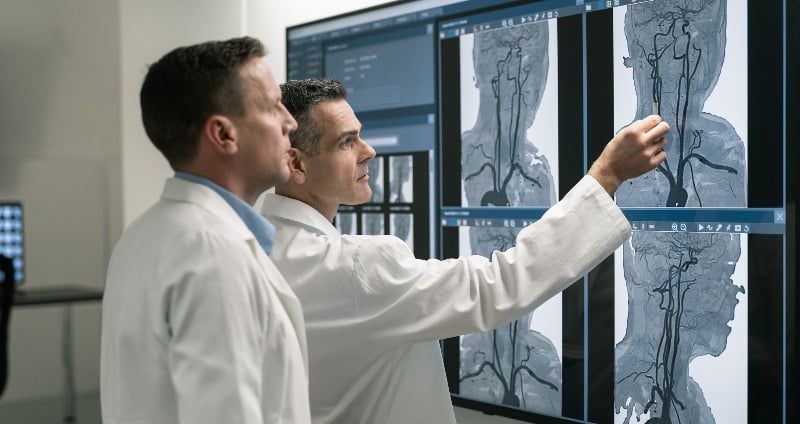
One of the most exciting developments is image fusion technology. This technique allows pre-operative CT or MRI images to be overlaid onto live fluoroscopy screens.
- Precision: It creates a 3D roadmap that adjusts in real-time as the C-arm moves.
- Radiation Safety: By relying on the pre-acquired roadmap, radiologists can significantly reduce the amount of contrast dye and radiation exposure required during the procedure.

Emerging Tools and Software
Hardware is only half the story. The software driving these machines is becoming smarter, aiding decision-making and improving outcomes.
AI in Interventional Radiology
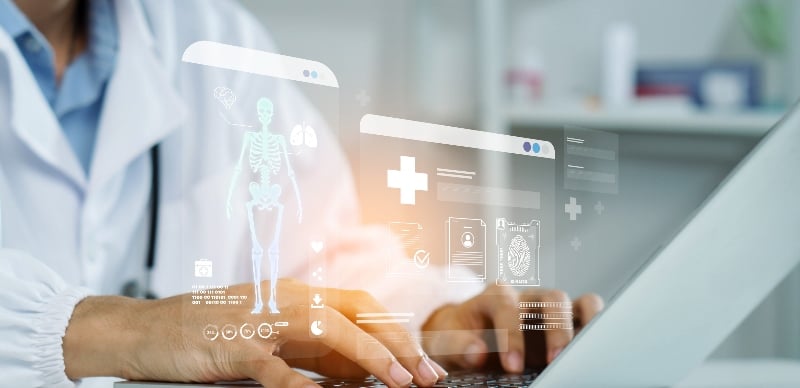
Artificial Intelligence is making waves across all physician jobs, and IR is no exception. AI algorithms are now assisting in:
- Segmentation: Automatically identifying vessels and tumors to speed up procedural planning.
- Dose Management: Optimizing radiation parameters based on patient size and procedural complexity to minimize exposure.
- Outcome Prediction: Analyzing data patterns to predict how a patient might respond to a specific embolization or ablation technique.
Augmented Reality (AR)
While still in the early adoption phase, Augmented Reality is poised to change how radiologists interact with patient anatomy. Head-mounted displays can project 3D anatomical holograms over the patient, allowing the physician to "see through" skin and bone to target vessels with unprecedented intuitive accuracy.
The Impact on the Job Market
For those browsing interventional radiology jobs, these technological advancements signal a shift in required skill sets. Facilities are increasingly looking for providers who are adaptable and tech-savvy.
- Permanent Jobs: Hospitals are investing heavily in hybrid ORs equipped with these advanced imaging systems. They need permanent staff who can lead these departments and train others.
- Locum Tenens: For traveling physicians, familiarity with various high-end imaging platforms (Siemens, Philips, GE) makes you a more attractive candidate. It demonstrates versatility and the ability to jump into a high-tech environment with minimal onboarding.
Find Your Next Role in Radiology
The future of interventional radiology is bright, defined by higher precision, lower risk, and better patient outcomes. As imaging tools evolve, so too does the role of the interventional radiologist. Staying up to date on these techniques ensures you remain a competitive force in the healthcare market.
Are you ready to take your expertise to a facility that values innovation? Partner with AMN Healthcare to find the perfect permanent or locum tenens position that aligns with your professional goals.