

How to Prepare for an ICU Travel Assignment
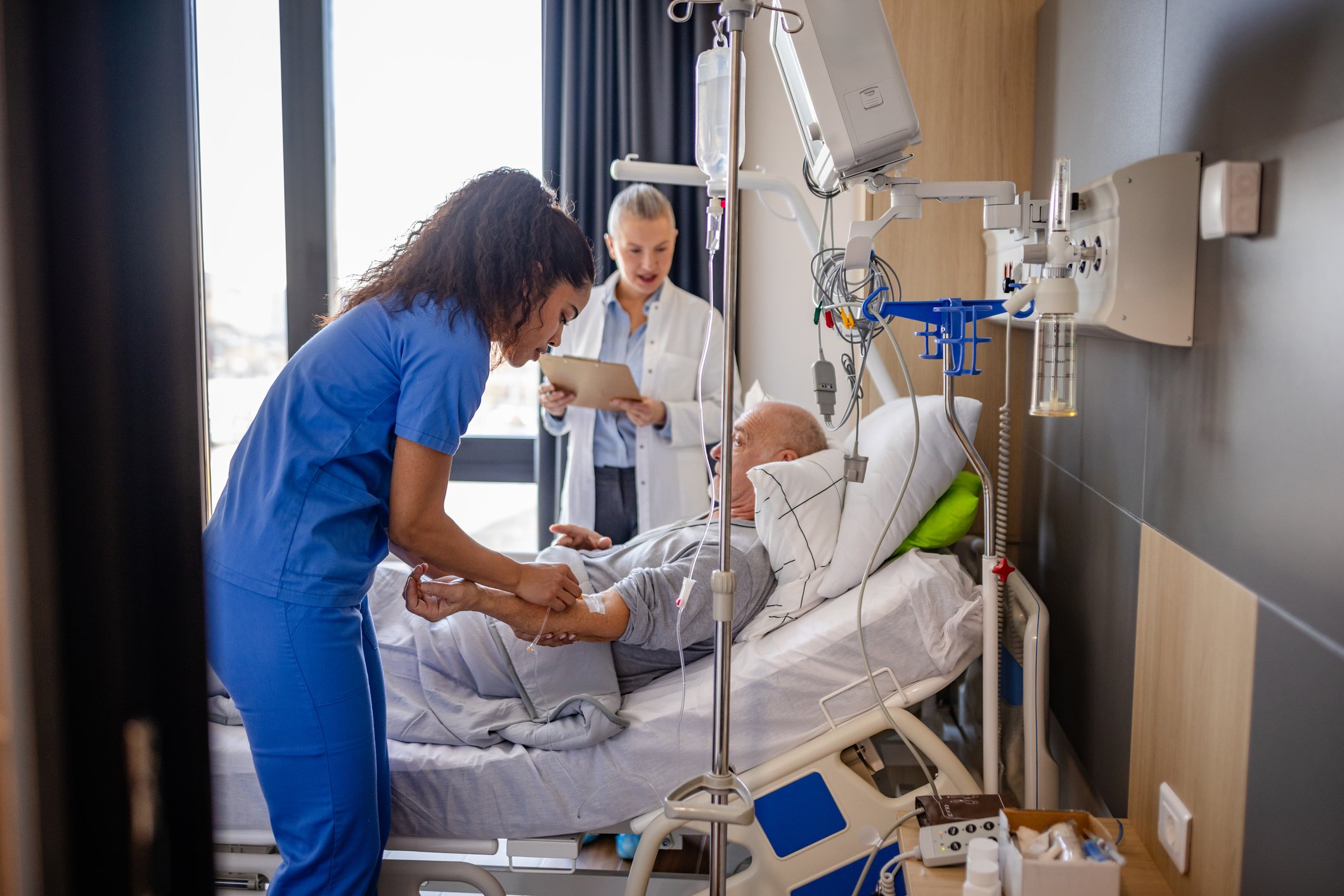
Stepping into a new intensive care unit as a travel nurse brings a unique mix of excitement and challenge. You get the opportunity to explore new cities, meet diverse healthcare professionals, and expand your clinical expertise. At the same time, you’re expected to perform at a high level in an unfamiliar environment.
Intensive care units operate with high stakes and complex patient needs. Facilities rely on travel nurses to step in and deliver top-tier care from day one. This requires a strong foundation of clinical knowledge, adaptability, and the right physical tools to support you through long shifts.
Thorough preparation helps you manage the stress of a new facility and ensures you can focus entirely on patient care. By organizing your skills, certifications, and gear before you arrive, you set yourself up for a successful and rewarding contract. Here is exactly what you need to prepare for your next assignment in the ICU.
Essential Skills for ICU Travel Nurses
Clinical competence forms the baseline of your nursing practice. However, travel nursing requires a specific set of soft and hard skills to help you thrive when the environment changes every few months.
Advanced Patient Assessment
Travel nurses must possess sharp assessment skills to identify subtle changes in a patient's condition. You will often work with complex cases involving multi-system failure, hemodynamic instability, and advanced mechanical ventilation. Trusting your assessment abilities allows you to intervene promptly and advocate effectively for your patients, even when you are still learning the specific protocols of a new hospital.
Adaptability and Quick Learning
Every hospital uses different charting systems, medication dispensing units, and standard operating procedures. You might have only two or three days of orientation before you take on a full patient load, so you must learn quickly and be adaptable to new workflows. Approaching each new facility with an open mind and a flexible attitude will make transitions much smoother.
Clear Communication
Effective communication prevents errors and builds trust with your new colleagues. You will interact with attending physicians, respiratory therapists, pharmacists, and family members. Asking clarifying questions when you encounter an unfamiliar protocol demonstrates professionalism and prioritizing patient safety. Establishing clear lines of communication early on helps you integrate into the unit's culture quickly.
Required Certifications for the ICU
Maintaining up-to-date certifications proves your competence and makes your profile highly attractive to hiring managers. Facilities look for candidates who hold the necessary credentials to handle high-acuity patients safely.
Basic and Advanced Life Support
At an absolute minimum, you need current Basic Life Support (BLS) and Advanced Cardiovascular Life Support (ACLS) certifications. These core credentials prove your ability to respond to cardiopulmonary emergencies. Ensure these certifications remain active throughout the entire duration of your contract to avoid any compliance issues.
Critical Care Registered Nurse (CCRN)
While not always a strict requirement for every travel contract, holding a CCRN certification from the American Association of Critical-Care Nurses (AACN) will boost your resume. This credential validates your advanced knowledge in critical care nursing. Many competitive, high-paying travel assignments strongly prefer or require a CCRN certification.
Additional Specialized Certifications
Depending on the specific unit, you might need extra credentials. For example, trauma units often require the Trauma Nursing Core Course (TNCC). If you plan to work in a neuro-ICU, holding an NIH Stroke Scale certification is essential. Review the job requirements carefully and secure these credentials before submitting your application.
Must-Have Gear for Your Assignment
The right equipment keeps you comfortable and efficient during 12-hour shifts. Investing in high-quality gear pays off by reducing physical strain and helping you stay organized.
High-Quality Stethoscope
A reliable stethoscope is your most important assessment tool. Intensive care environments demand precise auscultation to detect faint heart murmurs, subtle lung sounds, and bowel activity. Invest in a professional-grade stethoscope that provides excellent acoustic clarity and features a comfortable fit for your ears.
Comfortable Footwear
ICU nurses spend most of their shifts on their feet. Wearing the wrong shoes leads to back pain, joint stiffness, and fatigue. Purchase supportive, slip-resistant shoes designed specifically for healthcare professionals. Many experienced travel nurses alternate between two different pairs of shoes to give the cushioning time to decompress between shifts.
Organization Tools
Staying organized helps you manage complex medication schedules and frequent vital sign checks. Bring a sturdy clipboard or a folding nursing brain to keep your patient report sheets secure. Keep multi-color pens, penlights, trauma shears, and a small notebook in your scrub pockets.

Take the Next Step in Your Nursing Career
Thorough preparation allows you to step into any intensive care unit with confidence and clinical precision. When you have your skills sharpened, your certifications updated, and your gear packed, you can focus on what you do best: delivering exceptional patient care.
If you feel ready to embark on a new professional adventure, we can help you find the perfect opportunity. AMN Healthcare connects dedicated nurses with top-tier facilities across the country, offering unparalleled support, competitive compensation, and comprehensive benefits. Explore our current ICU travel nurse jobs and let AMN Healthcare guide you toward your next rewarding travel assignment today.