
Working With U.S. Hospitals From Abroad
You May Be on a Screen, but You're Never Just a Voice
For families who don't speak English, a remote interpreter can be the most important presence in the hospital room. This episode of "Making Meaning" shows you how skilled interpreters bridge language and culture gaps to support patients during some of the hardest moments of their lives.
A Trusted Resource for Interpreters Working With U.S. Care Teams
AMN Language Services connects certified medical interpreters with healthcare facilities across the country. In this episode, real interpreters and healthcare leaders share honest lessons from the field, so you can grow your skills and feel confident working with US hospitals from anywhere.
About This Episode
Working remotely with US hospitals brings real rewards and real challenges. In this episode of "Making Meaning," host Natalia J. sits down with interpreters and healthcare leaders to explore what it takes to serve patients well from a distance.
You will learn how to navigate the US healthcare system remotely, support Limited English Proficiency (LEP) patients, and build trust within care teams you may never meet in person. Whether you work from Mexico, another country, or across state lines, this conversation gives you practical insight into the work that shapes patient outcomes every day.
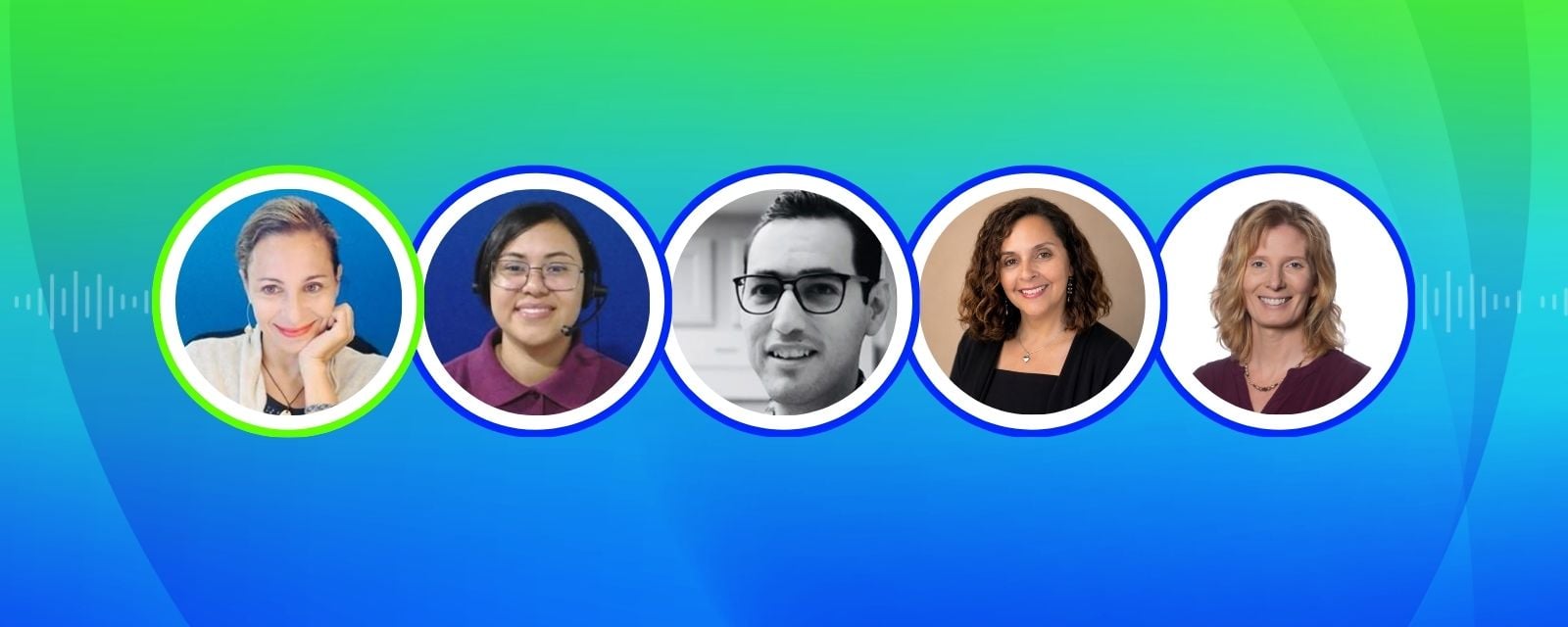
Natalia is joined by her co-interpreters Brandon, a Certified Deaf Interpreter (CDI), and Sasha, an American Sign Language (ASL) interpreter, who help make the show accessible to everyone. Key discussions included:
Keep Learning, Always
Medicine never stops evolving, and neither should you. Our guests recommend watching medical shows, listening to podcasts, and studying regional dialects to satisfy your curiosity and sharpen your skills.
Prepare Like a Professional
Set up your technology, lighting, and schedule in advance. Being well-rested and focused is vital for chaotic settings like the emergency room, where clear communication can change everything.
Respect Cultural Nuance
Some patients stay quiet out of politeness or unfamiliarity with informed consent. A great interpreter recognizes these moments and helps bring hidden concerns to the surface.
Meet the Dialect Challenge
Stanford Children's Hospital has seen a sharp rise in requests for Mixteco, a language with many dialects and few qualified interpreters. This episode looks at how the growing shortage of interpreters affects patients and why your skills are needed now more than ever.
Meet the Guests
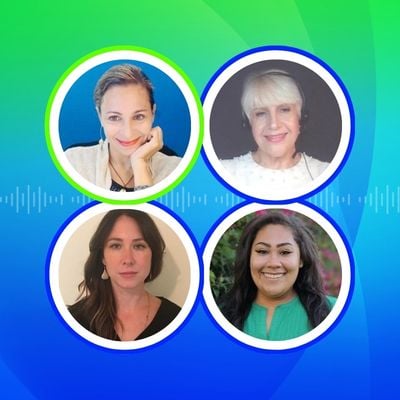
- Alix Van Buskirk—Assistant Manager of Interpreter Services at Stanford Children's Hospital. Alix shares an insider's view of managing high-acuity pediatric cases and the rising demand for rare dialects.
- Eduardo "Eddie" Alvarado—Spanish CMI remote interpreter based in Mexico, with 10 years of experience and six years with AMN Language Services. Eddie offers hard-won advice on preparation, professionalism, and de-escalating tense situations.
- Veronica Escobar—Lead Interpreter for Education and Training at Stanford Children's Hospital. Veronica explains why interpreters must clarify rather than guess, and how continuous learning keeps you ready.
- Kemlyemly Ortiz—Spanish medical interpreter with AMN Healthcare. Kemly brings real stories of cultural understanding that changed a patient's care.
Ready to Bridge Communication Gaps?
Your skills are valued and your career should be too. Enjoy the flexibility of remote work and the chance to serve patients nationwide with AMN Language Services.
Apply today and join a supportive team that values your growth.
Full Transcript
3:47-6:00
Hello, good morning. Welcome to our show Making Meaning. My name is Natalia Jiron and I'm going to be your host. I'm a member of the talent acquisition team and I'm also a CMI Spanish interpreter of many, many years. It is my pleasure to have you here with us today.
On video, we have Brandon, our CDI interpreter who's helping me along. And off video we have Sasha O'Doyle, our ASL interpreter who's also co-interpreting with Brandon. So thank you to both because without you we wouldn't be able to get this going every month for you, the guests, the audience. It's wonderful to have you here. We have a chat box here and we would love to hear from you. This is a live show, so it is for you. This is a great way to connect with AMN.
People are always saying how do we get in touch with you? How do we talk to you guys? Well, this is the way. We are here now to help. So use the chat box, drop the questions, the comments, and we're going to be getting to them as we go along.
Today's topic, it's a very interesting one. It's actually how to work with U.S. hospitals or the US healthcare system when you're working from abroad or remotely. For that, we're going to be going through a couple of things. Introductions. We're navigating the US health system, which is a huge thing in itself. We're going to be talking about the impact on the LEP patients or Limited English proficiency patients. Also building trust and insights from the field.
Now to be able to accomplish this, we have a great panel who has joined us today and we're very happy to have them here. One thing before we bring them in, if you want to apply, this is a great way to do it. Remember our site amnhealthcare.com/interpreters, this is the way we get your applications, and our recruiter is going to be contacting you.
So let's bring out our guests. Hello, Alix, Veronica and Eduardo, it's a pleasure having you here joining me today. Without you, we wouldn't be doing this show today. So we appreciate it. Let's take a couple of minutes. We'd like to hear from you, introduce yourselves. Alix, if you want, we can begin with you.
6:02-6:18
Sure. My pleasure. Good morning. It's great to be here. My name is Alix Van Buskirk. I'm one of two assistant managers of interpreter services here at Stanford Children's Hospital, which is a 360 bed facility in Palo Alto.
6:19
Thank you.
6:20
Eduardo, tell us about you.
6:23-6:40
Hello, everyone. My name is Eduardo Alvarado. I am a Spanish interpreter, CMI interpreter. I have been interpreting for about 10 years now. Six of those years have been through AMN language services. And I'm happy to be here.
6:40
Thank you.
6:40
You're working remotely, right? Where are you joining us?
6:43
Yes, I am a remote interpreter in Mexico.
6:46
OK, wonderful.
6:47
Thank you for joining us today.
6:48
Thank you.
6:48
And Veronica, tell us about yourself.
6:51
Yes, hi, I'm Veronica. I am the lead interpreter for education and training here at Stanford Children's in Palo Alto.
7:02
Thank you, thank you, thank you, to you three.
7:05
Together we are going to be doing this show today.
7:06
So let's get into it.
7:08
We would like to meet you a bit more.
7:10
So Eddie, let's begin with you.
7:12
What is a typical day for you when you're working with AMN and you're working remotely from Mexico as a medical interpreter?
7:21-8:52
My schedule is 8:00 AM to 4:30 PM. So, I typically get ready for my day, and I only need a few minutes before my shift starts to set up my computer, set up my lighting, my camera, which is mostly already done. Thankfully, everything's kind of already organized so that I have everything that I need. I open up my screens. I have my schedule. We have two screens, so one is for our video where we can focus on the interactions and then the other screen is where I have my chat in case anything happens with technology as it tends to happen. We have a great team that helps us with communicating those things and for, you know, whatever we need. I have my windows here to make sure I have everything I need for my shifts. So, once it's 8 AM, I click on ‘available’ on our system and I start receiving calls.
It can be anything from a simple, you know, cold or fever to just, you know, whatever sessions we get, we get a variety of sessions and we're just always ready to take whatever calls. I then take my breaks after a while and then that's just how it is. It's calls and calls, and we help with different sessions. And once my shift is over, I simply log out and I'm done for the day. Yeah. Pretty straightforward.
8:53
Thank you.
8:53
Thank you, Eddie.
8:54
We have some people joining us here at the chat.
8:57
So we have Spanish medical interpreter from Atlanta, GA.
9:01
We have Shema, who's joining us from Kigali, Rwanda.
9:04
Thank you.
9:05
Wow. Very far away.
9:07
Blandy Pierre also is very much interested in the position.
9:10
So remember, I'm going to be clueing you in to amnhealthcare.com/interpreters.
9:15
That's how you apply.
9:17
And Kadad is joining us from Ohio.
9:20
So thank you.
9:21
Thank you for joining us today, Alix.
9:23
Like tell me about, I mean, can you share your role and also how are the interpreter services structured at the hospital?
9:32
Sure.
9:33-10:04
So as I mentioned, I'm an assistant manager at Stanford Children's Hospital and we serve multiple inpatient, outpatient sites across more than 70 specialties that range from everything from new onset diabetes, heart transplant, psychiatry, a lot of very complex specialties.
But what makes our work really meaningful is that we serve a pediatric population, which means that we're not just interpreting for patients, we're also interpreting for families through some of the most difficult moments of their lives.
10:05-11:02
So there's a lot of nuances to navigate.
Ultimately, our language service model combines in person interpreters for high acuity and complex encounters with video remote interpreting to ensure coverage across the institution.
At any given hour, our in-house staff reflects the needs of our patient population, which means the majority of our patients are Spanish speaking.
Primarily the demographics of our patient population are Spanish speaking followed by Mandarin, Cantonese and Vietnamese.
But recently, probably in the last couple of years, our fourth most requested language, interestingly enough, has been Mixteco, which presents a unique challenge given the scarcity of qualified interpreters for those languages and given the range, the numerous dialogue or dialects of that language.
So we have to coordinate those requests by phone to connect families with the limited specialists available in that language.
11:03
Well, for all Mixteco speakers now, you know, there is a need for language services.
11:09
Thank you.
11:10
All right, Veronica, so in your opinion, how do interpreters, the interpreter services, fit into the broader patient care strategy at Stanford's Children?
11:23
I think you're on mute.
11:35
It's OK.
11:36
You just have to unmute yourself.
11:40
It happens sometimes.
11:41
Technology.
11:53
While Veronica is fixing that.
11:55
Let's move forward if you want to other questions.
11:57
We're now going to be talking about what it is to navigate the US health system.
12:01
It's a huge thing and we need to work alongside those doctors.
12:06
So it's really important that we... do we have your back on?
12:10
I'm ready.
12:11
OK, OK, OK, go ahead.
12:14
OK, good.
12:16
So, can you repeat the question?
12:17
Sorry, of course, of course.
12:19
How do you think or in your opinion, how do you think that the interpreter services fit into the broader patient care strategy at Stanford Children’s?
12:30-13:35
So I think for us, what I consider our strategy for patient care maybe would be to provide excellent care, right, Regardless of if you speak in English or if you speak any other languages.
So, for us it is important to, you know, provide the same equitable care to people who speak different languages. As Alix was mentioning, we serve a very broad population with a lot of different languages. And of course we cannot provide in-person interpretation for all of them.
We have about 30% actually of our population, patient population, that speak languages other than English. So, of course we have to take advantage of technology now and have remote interpreters help us fill in that need. But yes, we do want to provide patient care in many different languages.
13:36
That's what we have, right?
13:38
And so that's probably the most important strategy for us to continue providing excellent care in any language.
13:47
Exactly.
13:47-13:59
So, yeah, whenever we're not able to really cover the need for like in person interpreters and all that, it's always good to have those remote interpreters that are available 24/7. So that's a plus. Everybody's helping out.
14:00
We have more people joining us here at the chat, which is lovely.
14:03
Thank you.
14:04
We have Kedar who is a VRI working with AMN currently, so family.
14:09
That's great.
14:10
Kedrenia Dadien from La Paz, Baja California in Mexico, and she's team Orange.
14:16
So that means she's also working with AMN.
14:18
So thank you.
14:18
Thank you to all.
14:20
OK, so let's talk about navigating the US healthcare system, which is a huge thing in itself.
14:26
Eddie, let's go to you.
14:27
I mean, what helps you feel most connected and effective when you're working with the US hospitals from abroad?
14:37
Well, I think the biggest thing is being prepared and showing that preparedness, showing that I understand patients and providers. We have a lot of different departments that we work with.
So having that preparedness and knowing, you know, kind of what you're going to interpret and showing that as well to foster trust in the patient and provider, I think goes a really long way.
Slight nods when, you know, listening to the patient and eye contact with the provider, those kinds of things I think really help us to feel connected and to know that the message is getting across, the spirit of the message. And I think that really goes a long way and it helps.
It's great to have the video and to be able to feel like you're there and you know that you're giving a meaningful service.
15:38-15:42
Yeah, that's one of the things about technology and the video, like you are there, they can see you. You can see them.
15:42
And exactly, exactly like you mentioned it, you have like the nuances, the eye contact, you're able to establish reports, which is a great thing whenever we're dealing with those tough healthcare sessions. We have a person that joined us. Her name is Kemly .
15:57
So Kemly , welcome.
15:58
We're glad that you were able to join us.
16:00
Thank you very much.
16:01
Introduce yourself because we'd like to know who you are.
16:05
And then I'll ask you a couple of questions.
16:07
Thank you so much.
16:07-16:15
My name is Kemly . I'm a Spanish interpreter. And in the medical field I get to help break that language barrier with AMN Healthcare.
16:16
OK, so let me ask you a question.
16:18
How do you prepare yourself to support hospitals while working from abroad?
16:23
Was there any sort of training that you had to take ahead of time so you were able to learn everything about the cultural nuances that arise when you're interpreting for those patients and those providers in the hospitals?
16:36
Yes, there is a previous training and then you get all the insight into strategies for code switching or you have the opportunity to develop note taking skills and even mature that emotional intelligence that is very much necessary in every call.
16:53
And then in everyday sessions you also continue developing that because you're exposed to new vocabulary and even different regional expressions.
17:02
Yes, thank you.
17:04
And you, you mentioned something about those trainings that everything is online, like if you Google medical interpreter trainings, you're going to come across a lot of resources that we, as recruiters and members of the AMN, we always say, get into those webinars, go take those courses, get that additional training.
17:21
It's going to help you not only feel more comfortable, like comfortable and confident when you're taking those calls, but also it's going to be giving you more tools how to navigate those complicated sessions.
17:32
So thank you.
17:32
Thank you, Kemly , for joining us.
17:36
Alix, tell me about what challenges do hospitals face when they're delivering language services at scale?
17:44
Well, the core challenge is always scale.
17:48
At a hospital like ours, language access needs span dozens of languages, multiple care settings at every hour of the day.
17:56
Volume, unfortunately, is never predictable.
17:59
And so there's a lot of components to have to navigate.
18:03
One of the greatest challenges is matching interpreter availability to clinical work flows that move fast and rarely allow for any advance notice.
18:11
And the provider needs an interpreter now, not in 20 minutes.
18:15
So layer on to that, the complexity of coordinating cross platforms, maintaining quality and operating within significant resource constraints.
18:24
So it's something that we're constantly addressing every day and we're having to make judgment calls about where in-person interpreters are most essential.
18:32
And we're doing all of this against a backdrop that the whole field is feeling right now, in which there's a growing shortage of qualified medical interpreters at the same time that demand is increasing.
18:43
So it's a challenge that requires creativity and strong partnerships and the commitment to always provide the best quality care for our patients and families.
18:52
Yeah, you're right.
18:53
We, you mentioned qualified interpreters or like trained interpreters are a very good thing.
18:59
And I keep sending everybody to Google, right?
19:02
Go Google those trainings, everything is available for everybody to get more knowledgeable on the matter.
19:10
We have Kirenia Daryen, who says that it's challenging becoming an expert in all and every healthcare medical field.
19:17
Training and study helps a bunch, but it is only with the experience itself you become familiar and secure with your knowledge and interpretation.
19:23
Exactly.
19:23
Yeah.
19:24
This is the thing you learn it.
19:26
And then you have to drive the car.
19:28
You need to get behind the wheel.
19:31
You need to do the interpreting, so that you're able to acquire a lot of expertise.
19:35
So yeah, okay, Veronica, how do you help ensure that remote interpreters working from home are integrated into the care team?
19:46
So part of my job as a lead for education and training is helping providers and learning how to work with interpreters.
19:56
And so it is very different working with an in-person interpreter than with a remote interpreter.
20:03
So I help them, you know, understand what the differences are and also troubleshoot some things that may come across right.
20:13
Everything from the technicalities.
20:18
What happens in the ER, please keep your iPad charged at all times, things like that.
20:25
Also, how to position the iPad.
20:29-20:41
You have to position it in a certain way so that the interpreter can see who's speaking. Or put it maybe, I don't know, if there is a lot of noise in the room, what do you do?Things like that.
20:43
And then also giving awareness to them that these interpreters may not even be in the country.
20:50
So they may need to keep that in mind when they are talking to their patients.
20:58
Maybe trying shorter sentences, trying not to utilize a lot of idioms, for example, or very specific cultural references just for here in Palo Alto, CA.
21:12
Because you know, if you want the communication to be better, we need to try all these things so that it can be a successful session.
21:24
Also giving maybe a chance for interpreters to enter, you know, say their names and before they even start speaking, maybe having a pre-session with the interpreter to prepare them for what the session is going to be.
21:42
Give them a little bit of context, introducing who's in the room, things like that.
21:49
So we can make the the the remote interpreter also feel more comfortable with the situation.
21:56
Yeah, you're right.
21:58
Working with remote interpreters, it is a little bit different because you're working with the iPad and the technology.
22:03
So it's a wonderful thing.
22:04
You have access to interpreting services 24/7.
22:07
There's always going to be somebody behind the screen.
22:09
But yeah, technology has also its ups and downs.
22:12
So you need to learn how to maneuver the iPad, how to work with an interpreter.
22:16
Exactly.
22:16
Everything you mentioned.
22:17
Right.
22:18
Thank you.
22:18
Thank you.
22:20
OK, so let's talk about the impact on the LEP patients.
22:23
And you're going to hear that word a lot, LEP.
22:26
So what does LEP stand for?
22:27
It's a thing in the business and it means Limited English proficiency.
22:32
People that know it use it a lot.
22:34
But it basically means that we, we work with patients that sometimes speak no English at all or they might speak a bit, but not necessarily feel comfortable enough to be able to use it for medical sessions.
22:46
So that's why that's where the interpreters come into play.
22:49
So moving forward, Kelly, let's go to you.
22:53
What moments have stood out to you where your interpretation changed the patient experience?
23:01
There are several sessions that come to mind.
23:03
There was one in particular where the patient had a situation that was delicate to them.
23:09
It was a taboo for their culture, our culture.
23:13
And the patient went back to the phrase that I said at the beginning of the call, ‘this is going to be confidential’.
23:18
And because that was out on the table, she was able to say, ‘OK, I'm going to share this thing that makes me particularly vulnerable.’
23:29
And also the facial expressions, I try to regulate them so that no judgment will come across.
23:35
It's very important for us to stay impartial and she was able to render information that was very relevant to the treatment that she was going to receive.
23:45
Thank you.
23:45
And you did a great job making the patient feel at ease to be able to talk about very delicate subjects and very personal.
23:52
Thank you.
23:53
All right.
23:53
Eddie, can you share a time when you've had to provide additional context about the US healthcare system so to ensure that meaningful understanding took place while interpreting in a session?
24:05
Yes, I think a big one that comes to mind is informed consent.
24:10
That one can be kind of strange to some.
24:17
I've had a couple of sessions where patients feel like they don't have a say in their care and that kind of makes it a little challenging for the patient to kind of want to involve him or herself in, in their care and then their decision making.
24:36
So I don't recall the specific session, but I do recall just seeing how the session changed with, you know, an explanation of how the doctor is or provider is making you aware of your options.
24:52
And you do have a say and we do care about your opinion as far as your health care.
24:59
Yes.
25:00
And that, that's a great role that you, you brought it up, the advocacy, right, that the interpreter has for the patient's care, 'cause we always advocate that they do have rights.
25:08
They of course have a say.
25:10
It is their health.
25:11
Yeah.
25:12
Alright, Alix, what challenges do you see that LEP patients face in your hospital?
25:18
I mean, and how do you overcome all of these challenges?
25:21
By the use of remote interpreting services?
25:25
Well, yeah.
25:26
LEP patients in a pediatric hospital face multiple challenges because not only are they navigating an unfamiliar and highly complex system in a second language, let's face it, healthcare system is complex even in English.
25:41
But they're having to manage that with having no background knowledge whatsoever of the system.
25:49
And they're doing it while their child is sick, which just amplifies everything.
25:53
I think it makes people feel particularly more vulnerable.
25:57
And yeah, I myself have been a patient in another hospital in another country.
26:02
And it's intimidating.
26:05
And the miscommunication around diagnosis, medication, instructions or discharge plans can have real consequences.
26:12
But remote interpreting helps to eliminate the delay.
26:16
So instead of waiting for an available in-person interpreter, family can have access to a qualified interpreter within moments.
26:23
And providers can ask the questions they need to ask.
26:25
And families can voice concerns they might otherwise hold back in an unfamiliar setting.
26:30
We would love to have an in-person interpreter available at any moment at any given time, but it's simply just not possible with the scale of facilities and or specialties that we serve.
26:45
And there's times where that's when they're most in, when that language access is most needed.
26:52
We've seen cases where there's a gap in in-person support during the night when some of the most critical conversations take place during patient stay in CVICU or PICU.
27:05
Yeah, that's the thing.
27:06
Healthcare never closes.
27:07
Never.
27:08
It's 24/7, 2:00 AM in the morning.
27:10
An interpreter is going to be needed.
27:12
So that's where the remote interpreting sessions really play a huge role.
27:16
Thank you.
27:17
Thank you for sharing that.
27:18
Alright, so let's talk about building trust amongst the care team.
27:21
So of course, interpreters play a huge role in that.
27:24
We are a member of the care teams for the patients.
27:27
So Kemly , when you're in the remote session, right, you're at home, you're over there.
27:31
How do you quickly establish trust with both the provider and the patient?
27:37
One of the first things I do is try to look right at the camera.
27:42
It is not necessarily placed exactly where I see the patient on my computer screen.
27:46
So I look at the camera.
27:48
I nod my head when they are talking and that really helps out.
27:52
Throwing in a bit of a smile is very helpful.
27:55
And of course, if I need to interrupt them, I try to do it when they're taking a breath so that they feel that I'm on their team and not hindering their job.
28:05
Exactly.
28:06
The engagement.
28:06
You have to share engagement.
28:08
Exactly.
28:08
Look forward and everything that has to do with the fact that we are dealing with people.
28:12
And, and like you mentioned before, they are going through stressful situations and they're in the hospital at 2:00 AM in the morning and their child is sick.
28:19
And this is so complex.
28:21
So any act of engagement and kindness really goes a long way.
28:26
Thank you.
28:28
Eddie, what makes a video remote interpreting interaction successful, at least from your perspective?
28:34
Well, I think just being ready is a big one for me.
28:42
Just being ready 'cause you never know what sessions you're going to get.
28:47
It can be anything.
28:48
And so I think if you plan ahead of time, if you, you know, as interpreters, I have a big belief that you must be well rested, you must be ready.
29:00
You have to concentrate, focus on your sessions and your patients and all the things that can happen in a healthcare setting, which can be chaotic, sometimes even like in an emergency room setting.
29:13
And so we have to kind of navigate that and manage it.
29:17
And I think when we are prepared for those things, we have success in our sessions, we are always willing to help.
29:28
Sometimes we have to interpret for multiple disciplines in the same session and one comes in after another.
29:35
So just that willingness and striving for accuracy, professionalism, cultural competency, all those things I think will help there be success in that session.
29:48
Yes, you're right.
29:49
You mentioned that the fact that you have to be willing to and anything can come your way, you never know.
29:54
And as you could always tell candidates, you never know.
29:57
The first call could be labor and delivery followed by oncology and so on and so forth.
30:00
So you need to be willing to pivot right between all these medical specialties that bring along terminology in difficult sessions.
30:08
Yes, Daniel at Hanoric says that we're doing a good job, so I appreciate it.
30:14
Thank you very much.
30:16
Alix, how do providers build trust with interpreters they never met in-person?
30:22
Well, that is definitely challenging and trust is really a two-way street.
30:27
But effectively it's the interpreter that really sets the tone for the conversation and building that trust.
30:34
And the provider initiates a session and the interpreter connects promptly, introduces themselves professionally and demonstrates command of both clinical terminology and cultural context.
30:44
That really immediately sets the tone on our end.
30:48
As Veronica mentioned, we try to provide training for our clinical staff on how to treat interpreters as members of the team and really how to optimize the VRI as a support, essential support for the communication with our families.
31:05
Interpreters play a pivotal role in health literacy, and there are growing initiatives across healthcare to address health literacy broadly.
31:14
But for LEP and patients in particular, the interpreter's often the person in the room best positioned to catch the breakdown in understanding.
31:21
And that could be medical terminology that didn't quite land right, cultural belief that’s shaping how the information is received, or an educational gap that requires a slightly different approach.
31:33
So a skilled interpreter doesn't just translate words, they help bring those discrepancies to the surface and help bridge them in real time.
31:40
And that makes a significant clinical contribution.
31:46
Exactly.
31:46
And I think that's part of how the role of the interpreter has come a long way.
31:51
Like when you're first starting, you're just supposed to interpret and that's it.
31:54
But now we're able to get a little bit more in there and to be able to advocate.
31:58
And like you mentioned, if there's some sort of discrepancy and the interpreter is catching on to that, it's on the shoulders of the interpreter to speak up, say ‘I'm sorry, this is the interpreter’ and to interject.
32:09
And that's a very important role that we play.
32:12
But sometimes it's really not addressed.
32:14
But yeah, Veronica, is there any feedback you hear from clinicians about working with remote interpreters?
32:19
How does that go?
32:23
So the feedback is mixed. When the sessions are going well, I mean, there's nothing better than probably having a conversation, being able to have a conversation as if you were talking in the same language, right?
32:39
So on one hand, we hear the convenience of having an iPad interpreter right there and then when they need it, because as Alix said, they need the interpreter and now,.
32:50
So when it's a good conversation, maybe a follow up session, things like that, and things go smoothly, then everything works,.
33:02
But we also hear, on the other hand, when conversations are very complex with heavy medical jargon, the results are not very good.
33:14
So yeah.
33:15
So I would just recommend all VRI interpreters you know to clarify and try not to guess.
33:27
We're as interpreters, we are not guessing.
33:29
We do need to fully understand the message in order to interpret it.
33:34
So one of our roles as interpreters is also being clarifiers, right?
33:39
So there's nothing wrong if you don't know a word or if you don't know an expression or if something is not making sense to you, just, you know, intervene and the interpreter would like to clarify something and feel free, you know, to make sure that you're understanding the message before interpreting.
34:01
Yeah, very rich.
34:03
And Eddie, I have a question from the audience, for you.
34:05
Maybe you can help us because it's Kirania Yang asking.
34:09
This is the question I'm interested in knowing.
34:11
My co-workers want to know what to do in the sessions where the LEP lacks fluency in their own language. One moment they are all over the place.
34:19
So they say a bunch of words that don't necessarily transmit a specific message.
34:25
I've had sessions where the LEP requests Spanish interpretation, yet for some reason, perhaps a cultural background or lack of proper education, I struggle to understand what they're trying to get across.
34:36
So I mean, if that were to happen to you, which I'm sure it happens, what would you do?
34:41
Oh yeah, it's definitely happened.
34:44
I think the biggest thing that we can do in those cases is how do I explain this?
34:53
It's just if the patient has some challenges with that language, sometimes it's because he has he or she has a different language, like Mixteco was mentioned earlier and someone who speaks Mixteco may also speak some Spanish, but only a little bit, or any other dialect or any other language.
35:15
So sometimes recognizing that, I've noticed that, I kind of step in and intervene and say the interpreter thinks that maybe Spanish is not his preferred language.
35:28
Perhaps we can ask if he is more comfortable in a different language that we can offer.
35:33
And that's even happened sometimes when the patient is Portuguese, for example, which sometimes can be very similar to Spanish when speaking it.
35:41
And when that happens, we recognize it.
35:45
And I've had Portuguese patients who prefer to speak kind of a broken Spanish, maybe because they don't want to inconvenience and request a different interpreter.
35:55
I don't know.
35:55
But in those cases, recognizing that I think would be my biggest advice and then seeing if we can connect them with an interpreter that he or she is comfortable with.
36:07
And if that's not the case, and if the patient does speak enough Spanish to, you know, get his idea and point across, we speak in simple terms.
36:17
And I let the provider know, hey, I think we might have to, you know, give the patient some time to express himself or the interpreter may request some more clarification just to be sure I'm communicating the message properly.
36:33
I think that's the biggest thing.
36:35
I hope that makes sense.
36:36
It does, yeah.
36:38
You touched upon two things which are very true.
36:41
Sometimes they don't necessarily speak the language that is being provided because.
36:45
And I've had these happen to me like they speak Portuguese and a little bit of Spanish.
36:48
So they chose Spanish, but it's Portuguese in the end.
36:51
So it's a little bit different.
36:53
Sometimes some words are really...they do differ.
36:55
And also on the fact that we also as interpreters can clarify.
37:00
We can step in there and say, ‘you know what, this is the interpreter.’
37:02
‘I wasn't able to understand this.’ Request the clarification, the tools that are available for everybody to use and that helps facilitate the communication.
37:11
We have some people in the chat that are mentioning that the command of clinical terminology and professionalism sets the tone with our provider and they can quickly pick up how proficient and helpful you are during the session.
37:22
Exactly.
37:23
Alix mentioned that as well.
37:24
Like if the interpreter gets in and we have the interpreter and it's professional and engaged in the camera, like Kemly said, you're going to pick that up, right?
37:35
We can trust this person that we have, even if remotely, we can trust this person.
37:39
And also another user says that VRI makes a difference over the phone.
37:44
Just being able to have that added visual component makes a huge difference, which is what I just said.
37:48
Exactly the visual, right?
37:49
Not only from the interpreting side, we're able to see what's going on, but also the patient and the care provider are able to see us as well.
37:57
So that's great.
37:58
All right, Kemly , let's talk about what do you wish every US provider knew before initiating an interpreting session?
38:07
Like what would you, what would you like for that?
38:09
Yes, I wish that every provider would know that yes, an LEP parent is trying to connect, but they also want to be understood and understand clearly.
38:19
So in many sessions, a parent will start speaking English at the beginning, answering short talk or PHI questions like their name or their date of birth or their child's information.
38:32
And the provider may sometimes misinterpret this as the LEP parent trying to prove that they know enough English.
38:40
And so when it comes to the medical terminology, the provider continues to speak in broad sentences, so more than three sentences at a time perhaps and sort of dismiss the interpreter that is their ally.
38:57
And there are many providers that are conscious of this situation and they actually are part of our aid as interpreters in redirecting the LEP parent to the use of the interpreter.
39:11
I just wish all of the providers were well aware that after the parent speaks in English a little bit, that they redirect them to the use of the interpreter.
39:21
Yeah.
39:21
And in the end, it's for everybody's benefit, right?
39:24
Because not only will the patient be addressed and needs much better and much fluent and better communication, but also the provider is also going to be able to express himself or herself in a better way.
39:37
So there's no miscommunication specifically when it has to do with medical settings, which is a complicated subject.
39:43
Yeah.
39:45
Eddie, what advice would you give someone who's in the medical interpreting career?
39:53
I love this question because I like to share my experience.
39:55
Personally, the advice that I would give is just be exposed to the medical field.
40:05
Volunteer in your local hospital, or if there are any nonprofit clinics where you live, volunteer there so that you're exposed to the terminology to the healthcare setting.
40:19
To the different providers that you may work with, different specialties, the patients, their backgrounds.
40:28
Definitely study the national standards of practice.
40:32
Learn about the code of ethics training.
40:36
If you know of someone who is a medical interpreter, reach out and ask for advice.
40:44
Perhaps they can become your mentor.
40:46
I had a mentor and thanks to that mentor I was able to become an interpreter.
40:53
I've learned a lot through her and I actually have become a mentor for other interpreters as well.
40:58
And it's really a win win situation for everyone.
41:03
We always learn when we share our experiences.
41:07
And so, yeah, that's the biggest advice that I can give.
41:11
Just get exposed, get out there and you'll study and you'll learn and you'll grow and you will become an interpreter.
41:19
Yeah.
41:19
We're very lucky to get a mentor.
41:21
That's was great for you.
41:23
Again everything is online.
41:24
I think YouTube has tutorials.
41:26
There's so many webinars and there are a lot of free webinars that you can get on the topic.
41:32
You can learn about healthcare and all the medical specialties.
41:35
Yeah.
41:36
OK.
41:36
So Alix, what would you want aspiring interpreters watching today to understand about working with your healthcare team?
41:47
Well, I think it's been mentioned several times, but I can't emphasize enough the importance of preparation and continual learning.
41:55
I mean, no interpreter can be an expert in every specialty, but building familiarity with common diagnosis and just understanding how a lot of clinical encounters are structured goes a long way.
42:07
For inpatient sessions it's a lot more unpredictable.
42:11
A lot of times you'll just be suddenly thrown into sometimes a mid conversation without any sort of context.
42:18
So it's just being fully present, you know, taking command of the conversation to sort of help navigate all those gaps.
42:27
But the clinical encounters typically are pretty structured.
42:32
They're structured the same way they follow predictable flow.
42:35
Usually it starts with a nurse or a medical assistant collecting vitals and the reason for the visit, followed by more in depth intake with the resident or fellow covering medical history.
42:45
So you'll see different, different providers walking in and out over the course of the session.
42:51
But typically they gather a lot of the medical history, family history, social history and current symptoms.
42:58
Then there's typically a pause while the team steps out to confer with the attending physician.
43:04
So this is pretty normal.
43:05
And then the attending physician returns to discuss findings, explain the diagnosis and outline the care plan, which could include labs, imaging, referrals, medications, which can be challenging given the long names of a lot of the medications and follow up instructions.
43:22
So this final part of the conversation is usually the most critical for accuracy.
43:26
Families typically have questions and every word matters, but knowing that structure before you enter a session means you're not caught off guard and you can just focus on the communication rather than the process.
43:39
Exactly like you know what's coming.
43:40
There is like a flow that's very standard and if you learn it, it's not a hard thing to learn or to understand you know what's coming down the line.
43:49
From our chat, we have here that VRI is much more comfortable than OPI.
43:53
You have a better understanding of the body language and tone in the expressions.
43:56
Mohammed said that, and a user said that sometimes we receive a call and it's routed to us because it's similar to our language.
44:04
But if we're not going to be effective, our responsibility is to explain and reroute it to the proper peer interpreter, which is what Eddie was mentioning before.
44:12
So yeah, exactly.
44:12
As long as you're able to recognize that this is really not the target language, that's the interpreter's will to say, I'm not going to be able to assist, but just get the correct interpreter.
44:23
And another user is saying that volunteering is magnificent and that this person is doing it right now at a local clinic, which is wonderful.
44:30
And hospitals are a little bit more complex to be allowed to become a volunteer interpreter, but you can always find plenty of opportunities to help your community with your skills and talent.
44:39
Exactly.
44:40
In the end, it ends up being like a community service.
44:42
You may begin like that, learn a lot, and then get into it more professionally.
44:47
Now let's get a poll going here with the audience that is watching from home.
44:50
Like we were talking about communication and interpreting is a communication, right?
44:55
So it's all about effective communication.
44:58
So what matters when it comes to effective communication?
45:01
Would it be speed, accuracy, cultural understanding, or technology?
45:08
We really want to hear from you.
45:10
So let's get going with those answers and we'll circle back.
45:14
Veronica, what do you think matters most for effective communication and why?
45:21
I would say totally accuracy.
45:24
Yes, you really need to know exactly before you start interpreting.
45:35
Remember that here we're dealing with vulnerable populations that may be taking some decisions that can be life changing.
45:45
So it is important for interpreters to be accurate in what you know they are communicating.
45:53
Even if you don't know exactly the word or if this is a new word to you, we can only clarify.
46:01
But families need to be very well informed on what the treatment is going to be.
46:08
If there is an informed consent, anything that the providers are telling them, you would need to interpret that very accurately so that the patient can make a correct decision.
46:21
Same way when the patients are telling their history, their medical history, everything, is very important.
46:29
So, I would say accuracy is the most important thing for efficient communication.
46:35
OK, yeah, some of members of the of the chat are saying they're going for technology, but other people are saying speed.
46:44
Kemly can you share a time with the audience when a misunderstanding arose, I mean, from a difference in the US health system and that of the patient's country of origin?
46:54
And how did you go about clarifying that for the patient and for the provider?
46:59
Yes, there was a call where the patient did not understand the pain scale from zero to 10.
47:05
They had already addressed it in a previous encounter, a previous appointment.
47:11
So a bit of confusion arose when the patient said that they were getting better but chose a number that was higher than the previous one said in the previous consultation.
47:22
So the patient said it's 8 now I'm feeling much better than before.
47:25
And so the provider was able to clarify, OK, Last time you said it was a six, and now you're saying it's better.
47:33
And the fact that the interpreter was involved allowed them both to be able to talk in more depth about the confusion and come to a middle ground.
47:44
And these are the times where I'm so grateful God gives me the professionalism to really be helpful, but not advocate inappropriately.
47:52
And just me being able to convey the information accurately as they were saying it allowed them to understand.
48:00
OK, we'll base it off of ‘I am feeling better, better than last time.’
48:04
We won't use the number scale in this situation.
48:07
Yeah.
48:07
And you were able to see that. That's great because you were the one that caught it.
48:12
So it helped.
48:12
It helped ease communication in a more effective way.
48:16
Eddie, tell us, can you share an example of a time when you felt like you were an integral part of the care team in a healthcare encounter?
48:26
Yeah, I recall one.
48:27
And I've had a couple of these and all of my years working as an interpreter.
48:31-50:46
It doesn't happen very often, but there was a patient who was really, really upset about the care that he was getting. He felt like he was not being cared for well, like they were shrugging him off and that he wasn't wanted there. And he was very upset. He was not very well aware of what the information was, but of the information that was being given to him as far as his condition. And at that point, I remember that we had the nurse leader there. We had some other staff present and they were trying to calm him down, but he was very upset. And this session, I remember I arrived and like someone mentioned here before, sometimes you, you know, when you get to a session, you don't have any context.
So as soon as the call came up, I could tell that there was some tension. I could tell that the patient was very upset. And there was this, you know, big problem with the communication. Obviously, they called the interpreter. And once we started talking and the patient expressed himself and the patient expressed what his concerns were. And those were addressed by the staff, which they did an excellent job. Things were a lot better. And by the end of the session, he was much more calm. He was happier. He felt like he was heard and that his concerns really were addressed. There was a plan that was made about who they were going to speak to and how he could reach out to a nurse or anyone that you know, he needed. And once all that was communicated with the help of the interpreter and the great medical staff that did an awesome job at escalating, everything was just a whole lot better.
So I felt like that was a moment where I really was an integral part to help communicate those things, both from the patient being really upset and from the provider explaining how they were going to make it better.
50:47
Wow, yeah, thank you for sharing that.
50:48
Yes.
50:48
And you were a part of that solution.
50:51
And also the way that the staff, they were really interested in hearing the patient's concerns because sometimes they don't.
50:57
But this is great that they did cause in the end the patient feels like it's great to be able to express themselves.
51:03
Well, we have a member of the chat that's saying that all the components of the poll that we were running are part of it.
51:10
Your accuracy is key.
51:12
Proper technology and set up on working remotely can be a hindrance to communicatin.
51:16
True.
51:17
If it's not set properly.
51:18
Your pacer speed needs to be adequate to keep the flow, for example, in the ER.
51:23
Yes, yeah, very, very, very true.
51:25
All right, Alix, at this point, I mean at what point in the patient's journey is video remote interpreting an effective tool for enabling language access at Stanford's children?
51:38
Well, VRI is most effective where speed and accessibility are the priority.
51:44
Even with our interpreter model where we have interpreters assigned to certain units, I mean, there's just a lot of competing requests happening.
51:54
We can't be everywhere at all times at the same time.
51:59
So that's really where it helps fill that gap and especially in emergency situations during overnight hours or for languages where we don't have in-person staff coverage, as well as for spontaneous clinical conversations that can't wait for scheduling.
52:14
And in-person, it's a strong tool for follow up conversations, medication teaching and discharge instructions where clarity is critical.
52:23
Yeah, it is teamwork, right?
52:25
The interpreters, the in-person, the over the phone, the video, Veronica, how do you ensure that consistency in the interpreter quality across different modalities and services?
52:38
Well, as I was saying before, maybe just making aware to the medical team of how to work well or how to make the interpreters kind of like part of the team, right?
52:55
How do you do that?
52:59
Give as much of a pre-hession as you can.
53:02
It doesn't have to be a lengthy 15 minutes or even 10 minutes, but maybe a couple of minutes before you go in the room or you start a session.
53:12
Just share with the interpreter the goals of the session and then, start from there trying to assume what someone here was saying before trying to make the interpreter an ally when you are having a conversation with a patient.
53:34
That's very important.
53:35
And I think it's something that more and more as providers start understanding how to work with interpreters, I see that happening more and more.
53:47
Yeah, everybody works together as a team.
53:49
We have Margali here who says that she lives in Guatemala and she would like to apply.
53:55
Currently, Margali, we're not recruiting from Guatemala.
53:58
But again, you never know.
53:59
So you can still send your application, amnhealthcare.com/interpreters that's showing on the screen and a recruiter will contact you when we have openings available in your country.
54:10
We are getting to the final or the end of the show.
54:13
So let's have some final thoughts from our members.
54:16
Kemly , why don't you share with us a moment from an interpreting session that reminded you why this work matters?
54:26-55:15
Yes, there was a time when a psychiatric patient was having a distressful moment, and I was able to keep my cool and I was able to notice how it was different from when I started eight years ago to how I deal with the situation now.
There is a more natural way of addressing someone who is mumbling and you cannot understand asking repetition with a particular tone that favors that patient to repeat.
And I think that reminds me that I'm constantly growing not only as a professional, but also as a person, understanding that people are going through different situations and being able to understand their words as, or knowing how to reroute my thoughts so that I can ask for clarification.
55:16
And also allowing the person to be heard.
55:20
Yes.
55:21
And that's great that you were able to see that in yourself.
55:24
Yeah.
55:24
Give yourself kudos like you've learned, whenever we come across problems or difficult situations, we're going to learn from that.
55:31
Eventually, at some point, this is going to get easier and you're going to be able to to use those tools more adequately.
55:37
Eddie, what about you?
55:38
Like what is your biggest take away for medical interpreting training when it comes to cultural competency?
55:45
Well, I've heard a lot of different viewpoints on cultural competency.
55:51
They used to call it cultural brokering.
55:53
Well, I think they still call it that sometimes.
55:56
I think the biggest thing is we can't be culture experts.
56:01-57:08
We can't assume that because a patient has a certain background that he or she isn't familiar with other cultures or grew up in a different one maybe. So I think just being vigilant about those patterns, those cues, like sometimes power dynamics plays a big role in how the interpreter session goes. So kind of recognizing if maybe the patient's a bit quiet or maybe out of quiet politeness, the patient doesn't participate much in his or her care.
Like I had mentioned about informed consent, recognizing those things really helps so that the patient can have a good outcome. And I think another thing is just learning the idioms and the slang and the different expressions, like colloquial expressions, which it can be very difficult. There are a lot of Spanish speaking countries and there are a lot of different ways to say one thing and one thing can mean something for many different peoples and cultures. And so we can learn those things.
57:09
I'm still learning them and I know interpreters that have been doing this for like thirty, forty fifty years and they're still learning too.
57:16
We always hear new words and expressions.
57:19
And so I think the biggest thing is that we are always willing to learn and that we can strive to convey the spirit of the message.
57:29
And that clarifying too is important in those cases.
57:32
Yes, that willingness to be able to facilitate communication then opens up a whole brand new understanding, like oh, I don't know that idiom.
57:41
I need to go learn about that.
57:42
I don't know that.
57:43
Well, when it comes to healthcare, I've never heard that acronym, that's going to come up too.
57:47
So I need to go learn about that as well.
57:49
So, yeah, it's an ongoing learning process for everybody.
57:53
We have a member of our chat that says that he or she is a VRI interpreter.
57:56
And it's a useful platform to cover all bases and gaps when there's a shortage in in-person interpreters, which this person also does.
58:06
Being an in-person interpreter is a common element to our LEP and they appreciate the the presence of the interpreter.
58:12
Yeah, it's very different.
58:14
Both, I mean, all the modalities are very different.
58:16
They all have their pluses and their negative sides, but we're all making it.
58:21
Alix, let's go to you.
58:23
Like what would be the last piece of advice for remote interpreters when working with the US healthcare system or hospitals?
58:31
Well, first and foremost, I just want to acknowledge how impressive it is the task that VRI interpreters do.
58:43
I have profound respect for the work that you all do.
58:48
I've worked as a Spanish medical interpreter.
58:51-59:36
So I really, you know, respect how challenging it can sometimes be to have to just fill in those gaps and have very little context to work off of. But the US healthcare system is its own culture hierarchy. It has its own pace.
Every specialty has its own rhythm, so the more fluent you become and how the hospitals operate, how care teams communicate, where those critical moments and encounters tend to fall, the better you can anticipate what's going to come up next in the conversation. So, it's really that anticipation getting familiarized and you'll start to notice patterns and it gets easier over time. And also just never lose sight of the weight of the work you're doing.
59:37
We had two recent examples of recognition that were shared across our organization that really illustrate the profound impact you can have.
59:44
For example, an iPad interpreter was present when a mother suddenly fainted in the exam room.
59:49
It was an interpreter that told the child to go get help and the staff were able to quickly respond to assist.
59:55
In another encounter, an interpreter supported a conversation involving an adolescent at risk and the recognition he received.
1:00:03
was, and I quote ‘his support was meaningful and clear and accurate interpretation helped facilitate understanding between all parties and one of the most sensitive conversations a care team can have.’
1:00:14
So that is what the work is.
1:00:16
You may be on a screen, but you're never just a voice.
1:00:20
So for families who don't speak English, you can be the most important presence in the room.
1:00:25
Yes, that's wonderful that you took the time to mention that because that is so true.
1:00:30
I always say that the medical interpreting is a service.
1:00:34
It is a service to a community and we are really doing something that at the end of the day, we can feel proud that we were able to be a member of all of that.
1:00:44
And we have a member of the chat, Dasu, that says ‘that's what I love the most about being an interpreter here, that I get to learn a lot every day and grow both as a person and as a professional.
1:00:55
I love AMN so much. Thank you for letting me live all of these experiences.’
1:00:59
So thank you very much for sharing that.
1:01:01
OK.
1:01:03
And Veronica, what is your last piece of advice for folks in the audience who are interested in working as a medical interpreter?
1:01:11-1:02:04
I would just say be curious, you know, medical interpreters are always learning. Medicine is changing. It's evolving all the time. So there's always new treatments, new diagnosis, new ways of doing things. And so we always have to be, you know, in the know of what's going on with this and that.
There are many ways that we can be, you know, satisfying this curiosity, maybe watching videos, watching TV shows that have to do with medical developments, even podcasts and do it in both languages, as Eduardo was saying, even listening to different dialects in Spanish, like how do Argentinians speak against, how do Mexicans speak in this language that they use in one country or in another country?
1:02:05
It's very different.
1:02:07
So as medical interpreters, we have to, we're going to be dealing with a very diverse population, especially specifically in Spanish, right?
1:02:15
So being aware of all these differences and nuances between our Spanish communities is always a plus.
1:02:22
So continue learning all the time.
1:02:25
Invest in your professional development.
1:02:27
Yes, yes, thank you.
1:02:29
It is a profession.
1:02:30
It is no longer just a job, it is a career.
1:02:32
Some people have, I mean, spent a lot of years learning and getting certified and all that.
1:02:37
So it's grown a lot.
1:02:38
So that is the end of our show today.
1:02:40
First and foremost, I'd like to thank our two interpreters from AMN for joining us today.
1:02:45
I would also like to thank our guests from Stanford Children’s for joining us today as well.
1:02:49
We hope to have you back again on another show.
1:02:52
To Sasha and to Brandon, thank you.
1:02:55
Thank you very much for always helping me do this.
1:02:57
This is a live show.
1:02:59
So to our guests and everybody that participated in the chat, thank you as well.
1:03:04
We're going to be back next month, the third Wednesday of July.
1:03:09
So we will see each other again soon.
1:03:11
Thank you.
1:03:12
Have a good day.