
LS Live Q&A Ep. 15 How to Be an OPI Medical Interpreter
Our most recent live show brought together voices from around the world to share stories, practical advice, and insights into the valuable work of over-the-phone (OPI) medical interpreters. This special event was filled with expertise, enthusiasm, and valuable perspectives for anyone interested in a career in medical interpreting, especially in the remote OPI field.
Here's a review of the key highlights and thoughtful exchanges from the session. Our panelists explored how interpreters bridge critical gaps in healthcare communication, discussed the realities of freelance work, and answered audience questions about training, daily challenges, and the rewards of helping others across languages and cultures.
Highlights from the Live Show
Our show was a blend of personal journeys, real-world tips, and audience Q&A. These were some of the standout moments:
- Personal Stories: Panelists shared their paths into interpreting, underscoring the universal desire to connect and support others in times of need.
- Expert Advice: The team discussed the importance of continuous learning, managing flexible work hours, and being proactive about professional growth and training.
- Real-World Scenarios: The show highlighted the genuine impact of interpreters, from overcoming cultural barriers to facilitating meaningful healthcare experiences for patients and providers.
- Live Q&A: Attendees had the opportunity to ask questions about requirements, best practices, and the day-to-day realities of OPI interpreting.
Are you ready to be part of something bigger?
Full Transcript
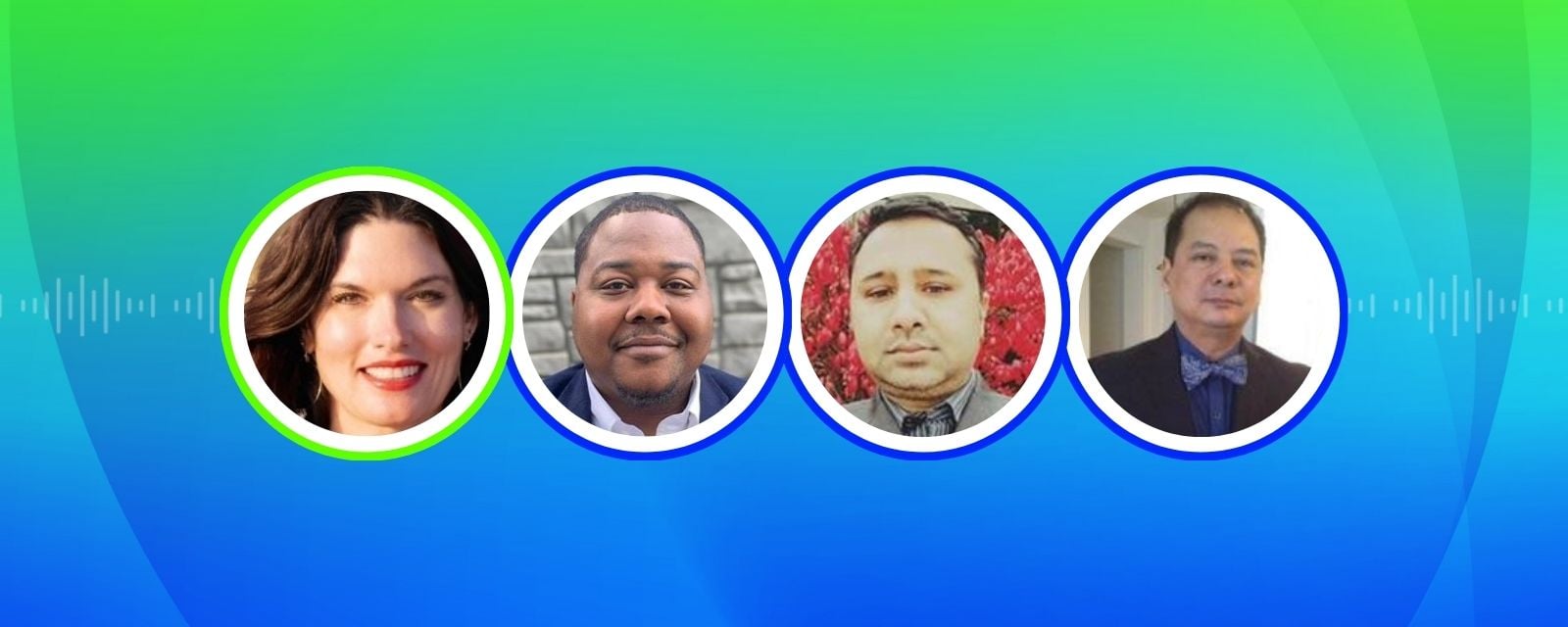
Host: Kristen Burk (Talent Acquisition Manager, AMN Language Services)
Guests: Richard Rama (Burmese and Karen Interpreter), Kedar Dhakal (Nepali Interpreter), Christopher Slayden (Recruiter, AMN Language Services)
Certified Deaf Interpreter: Shawn (co-interpreting with Sasha, ASL Interpreter)
[3:56] Kristen (Host): Hello, everybody. Welcome to our live show. My name is Kristen Burk. I’m the Talent Acquisition Manager for AMN Language Services, and I’ll be your host today. I’m joining from Tampa, Florida.
[4:11] Kristen (Host): I’d love to know where you’re joining from.
[4:15] Kristen (Host): I see a bunch of people already chiming in.
[4:18] Kristen (Host): We have someone from Montana, and someone from Kyrgyzstan. Keep the locations coming!
[4:26] Kristen (Host): We love seeing folks from across the globe join us for today’s topic: how to be an over‑the‑phone interpreter.
[4:38] Kristen (Host): Great topic for the new year—new job, new opportunities. Let’s find out how to become an OPI interpreter with AMN.
[4:48] Kristen (Host): More folks are chiming in—Idaho, North Carolina, Haiti, Arizona. This is so cool. Thank you for joining!
[5:00] Kristen (Host): With me today are our fabulous guests: Christopher, Richard, Kedar, and of course Shawn, our sign language interpreter. [applause]
[5:19] Kristen (Host): Thanks so much for being here. Today we’ll cover time management, tips and practice, and stories from the field. Let’s jump in.
Introductions
[5:33] Kristen (Host): Richard, tell us about your background and how you got into over‑the‑phone interpreting.
[5:43] Richard (Burmese and Karen Interpreter): Hi, all. I’m Richard Rama. I’m originally from Burma. I came to the United States 33 years ago as a refugee. In my early years here, I worked in car sales—used cars, then Chevy and Volvo—and at a resettlement agency. I started working as an over‑the‑phone interpreter in 2006.
[6:14] Kristen (Host): Thank you, Richard—great to have you here. Kedar, could you introduce yourself and share what drew you to medical interpreting?
[6:28] Kedar (Nepali Interpreter): Good morning. I’m Kedar, a Nepali interpreter. I’m originally from Bhutan. We were evicted and lived in a refugee camp in Nepal for about 20–21 years. In the camp, I taught school and often interpreted for visitors from UN agencies and others—even before I knew “interpreting” was a profession. After I came to the U.S. in 2009 and resettled through the IRC, they encouraged me to interpret. I completed 40 hours of training there, later moved from Arizona to Utah and completed another 40 hours. I eventually moved to Ohio, worked with Mount Carmel as an interpreter, and then joined AMN (formerly Stratus) first as on‑call, then as a video interpreter. I also studied medical assisting, which helped me learn medical terminology.
[8:42] Kristen (Host): Thank you, Kedar. Chris, what’s your favorite part about recruiting in language services?
[8:52] Christopher (Recruiter): I love meeting interpreters with diverse backgrounds and cultures, hearing how they started, and helping them find opportunities at AMN. That’s the best part of this work.
Audience Q&A (Early)
[9:28] Kristen (Host): We’re already getting great questions. Laura asks how to contract with AMN for OPI. Answer: You’re in the right place—stick around. You can also apply on our website where all OPI languages are listed. A recruiter will follow up. [link shown on screen – amnhealthcare.com/interpreters/]
[10:17] Audience Question: Do you work with interpreters outside the U.S.? I’m in Kazakhstan and would love to work as an OPI.
[10:27] Kristen (Host): At this time, we cannot hire OPI interpreters outside the U.S. We’re working toward this, so stay tuned over the next few months.
Language Focus
[10:52] Kristen (Host): Richard, you interpret more than one language for AMN. How did you become multilingual?
[11:04] Richard (Burmese and Karen Interpreter): I’m Karen (from Burma). At home we spoke Karen and Burmese. Burmese is the official language of Burma, so I grew up bilingual.
[11:25] Kristen (Host): And how did you become so fluent in English?
[11:29] Richard (Burmese and Karen Interpreter): My parents were college professors. We learned English from a young age. After coming to the U.S., I adjusted from British English (used in Burma) to American accents and pronunciation.
[12:05] Kristen (Host): Kedar, same question—your language background and how you became proficient in more than one language?
[12:15] Kedar (Nepali Interpreter): In Bhutan and Nepal, we used English‑medium schools—influenced by British English. I studied English through grade school and college (majored in English and Political Science). Teaching in English in private schools helped me improve speaking skills. After coming to the U.S., interpreting became my path.
Recruiting Hard‑to‑Fill Languages
[13:56] Kristen (Host): Chris, what’s a language that’s hard to recruit for?
[14:03] Christopher (Recruiter): We recruit for 200+ languages. One that’s been especially tough for me is Berber—we currently need several Berber interpreters. If you speak it, please apply at amnhealthcare.com.
[14:35] Kristen (Host): For those who applied months ago (Mandarin, Russian, Spanish) but haven’t heard back: our needs change monthly, sometimes weekly. Re‑apply—you did the right thing by applying. Timing is key.
Becoming an OPI Interpreter
[15:37] Kristen (Host): Richard, how did you prepare to become a medical interpreter—training or assessments?
[15:49] Richard (Burmese and Karen Interpreter): I studied medical terminology, ethics, and protocols (e.g., interpreter protocols). I completed 40 hours of medical interpreting coursework and took language assessments in English and my target language(s). I’m still learning every day.
[16:21] Kristen (Host): As independent contractors, you’re responsible for your qualifications. Bring your training and assessments to show you’re ready.
[17:06] Kristen (Host): Kedar, walk us through your journey into OPI with AMN/Stratus.
[17:08] Kedar (Nepali Interpreter): I started interpreting with a resettlement agency and completed two 40‑hour trainings (Arizona, then Utah). My medical assistant studies boosted my terminology. I began with AMN/Stratus as an on‑call OPI, later moved into a full‑time video role.
[18:31] Kristen (Host): For training options, we’ve done a live show on Career Connections partners—check our website/LinkedIn for past sessions, including where to obtain a 40‑hour training.
High‑Level OPI Role Overview
[18:54] Kristen (Host): Chris, can you give us a high‑level overview of the OPI role at AMN?
[18:56] Christopher (Recruiter): OPI is a freelance contractor position with lots of flexibility. Interpreters log into our app, make themselves available, and receive calls on their laptop or mobile device. There are also pre‑scheduled calls.
[19:21] Kristen (Host): OPI offers flexible log‑in times. VRI (video) roles are employee positions with set schedules and benefits. Recruiters can advise on peak call windows by language.
[20:00] Audience Question: Are we onboarding Haitian Creole OPIs?
Kristen (Host): Not right now, but possibly in the future—please stay tuned.
[20:24] Audience Question: Do contractor roles guarantee hours or include benefits?
Kristen (Host): No guaranteed hours or benefits for OPI contractors. If your language has VRI openings, those roles do include benefits and scheduled hours.
Time Management for OPI
[21:01] Kristen (Host): Richard, how do you manage your time as an OPI contractor?
[21:07] Richard (Burmese and Karen Interpreter): I’m an early bird and log in at 8:00 AM Eastern (even when I’m in California). Morning call volume is strong. I schedule personal appointments after 2:00 PM Pacific. Calls often spike after office hours, especially from ER and labor & delivery. Managing your schedule wisely helps maximize volume.
[22:04] Kristen (Host): Great tip—keeping a routine helps even as a contractor. Kedar, any tips to increase paid time as a contractor?
[22:20] Kedar (Nepali Interpreter): Think of OPI like fishing—stay logged in and ready. Learn your peak times and be at your computer then. Daytime is often busiest, but it varies by time zone.
Requirements to Join as an OPI Contractor
[23:35] Kristen (Host): Chris, what are the requirements to join as an OPI contractor?
[23:45] Christopher (Recruiter):
Updated resume
- 6+ months of interpreting experience
- 40‑hour medical interpreting course
- LPA (language proficiency assessment)
- Ability to pass background check and drug screen
[24:08] Kristen (Host): We sometimes make exceptions for rare languages (very small U.S. speaker populations), though we prefer to see formal training.
[24:42] Audience Tip (Irina): AALB offers 60 hours of medical interpreter training with an easy schedule.
Kristen (Host): Thank you—AALB is one of our Career Connections partners; their program is excellent.
[25:11] Audience Question: Are all calls medical?
Kristen (Host): Mostly medical. Some business calls come through. We do not do court interpreting.
[25:32] Audience Question: Hiring outside the U.S.?
Kristen (Host): Not yet for OPI; we’re working toward global hiring.
What It’s Like to Work OPI with AMN
[25:54] Kristen (Host): Richard, what’s it like working OPI for AMN?
[25:59] Richard (Burmese and Karen Interpreter): Shout‑out to our OPI manager, Sandy Robelo—she’s awesome. AMN continually improves systems across management, payroll, HR, and training. We get timely support. I’m grateful to be here. [applause]
[26:30] Kristen (Host): Kedar, for those new to OPI, what are your top success tips?
[26:40] Kedar (Nepali Interpreter):
Work in a quiet, distraction‑free room.
Audio quality matters—use good equipment.
Build and maintain medical terminology.
Keep a personal glossary/notes for frequent terms.
[27:41] Kristen (Host): Interpreters must keep learning new terminology. For OPI (contract), we can’t provide training. For VRI (employee), we do have training programs—and many VRI staff later move into contracting, and vice versa.
Getting Through the Door
[28:08] Kristen (Host): Chris, one piece of advice to help candidates get in the door as OPI?
[28:12] Christopher (Recruiter): Apply at amnhealthcare.com. A sourcer or recruiter will reach out and guide you on next steps.
[29:12] Kristen (Host): Make sure your language(s) are clearly listed on your resume. Gather your training certificates and assessment results—they show you’re serious and qualified.
Stories from the Field
[29:25] Kristen (Host): Richard, tell us about a time you broke through a communication barrier.
[29:34] Richard (Burmese and Karen Interpreter): Interpreting itself bridges languages, but cultural differences can still create gaps. Example: a diabetes education session where the provider asked a patient what they ate. The patient answered “rice” for breakfast, lunch, and dinner. Without context, the provider assumed a rice‑only diet. In reality, rice is typically eaten with proteins and vegetables. As interpreters, we help patients be specific (without adding our own information) and bridge cultural understanding. That’s how we prevent frustration and ensure clarity.
[32:09] Kristen (Host): Kedar, many contractors work with multiple agencies. What made you feel AMN was the right fit?
[32:23] Kedar (Nepali Interpreter): I previously worked with another company but received more calls and better pay documentation from AMN/Stratus. When I needed pay stubs (for assistance applications), the other company couldn’t provide them properly; AMN provided professional pay stubs from the first pay period. The consistency and support made AMN the right choice.
[34:37] Kristen (Host): Chris, a time you helped someone land their dream job?
[34:49] Christopher (Recruiter): I connected with a Spanish interpreter who had just moved and urgently needed work. We completed onboarding, and she later told me how much the opportunity helped her family. Moments like that are highlights of this role.
Common Challenges During Calls
[36:19] Audience Question (Vera): What are the most common issues interpreters face during calls?
[36:23] Richard (Burmese and Karen Interpreter):
Cultural/administrative mismatches, like name formats. In Burmese, there’s no first/middle/last name, which can confuse forms. We explain this to staff and help fit names into required fields.
Accents—providers and interpreters may not be native speakers.
Clarity—never guess. Ask for repetition if anything is unclear.
Final Q&A and Advice
[39:48] Audience Question: Can a VRI employee also be an OPI contractor?
Kristen (Host): No—due to employment classification, a VRI employee cannot simultaneously contract as OPI. People do switch paths over time based on flexibility needs
[40:31] Kristen (Host): Kedar, your final advice for someone new and interested in OPI with AMN?
[40:45] Kedar (Nepali Interpreter):
Master medical terminology in both languages.
Understand how patients refer to conditions (some communities use English disease names even in non‑English conversations).
Keep learning; training plus practice is key.
[42:17] Kristen (Host): Chris, final advice to help candidates get through the door?
[42:24] Christopher (Recruiter): Apply on the site; a sourcer or recruiter will reach out. Make sure your resume clearly lists your language(s) and have your training/assessments ready.
Closing
[44:12] Kristen (Host): Thank you for the excellent questions and to our panelists for sharing their insights. Big thanks to our ASL interpreting team—Shawn and Sasha—for supporting today’s show. See you next month, and have a great 2026! [applause]