

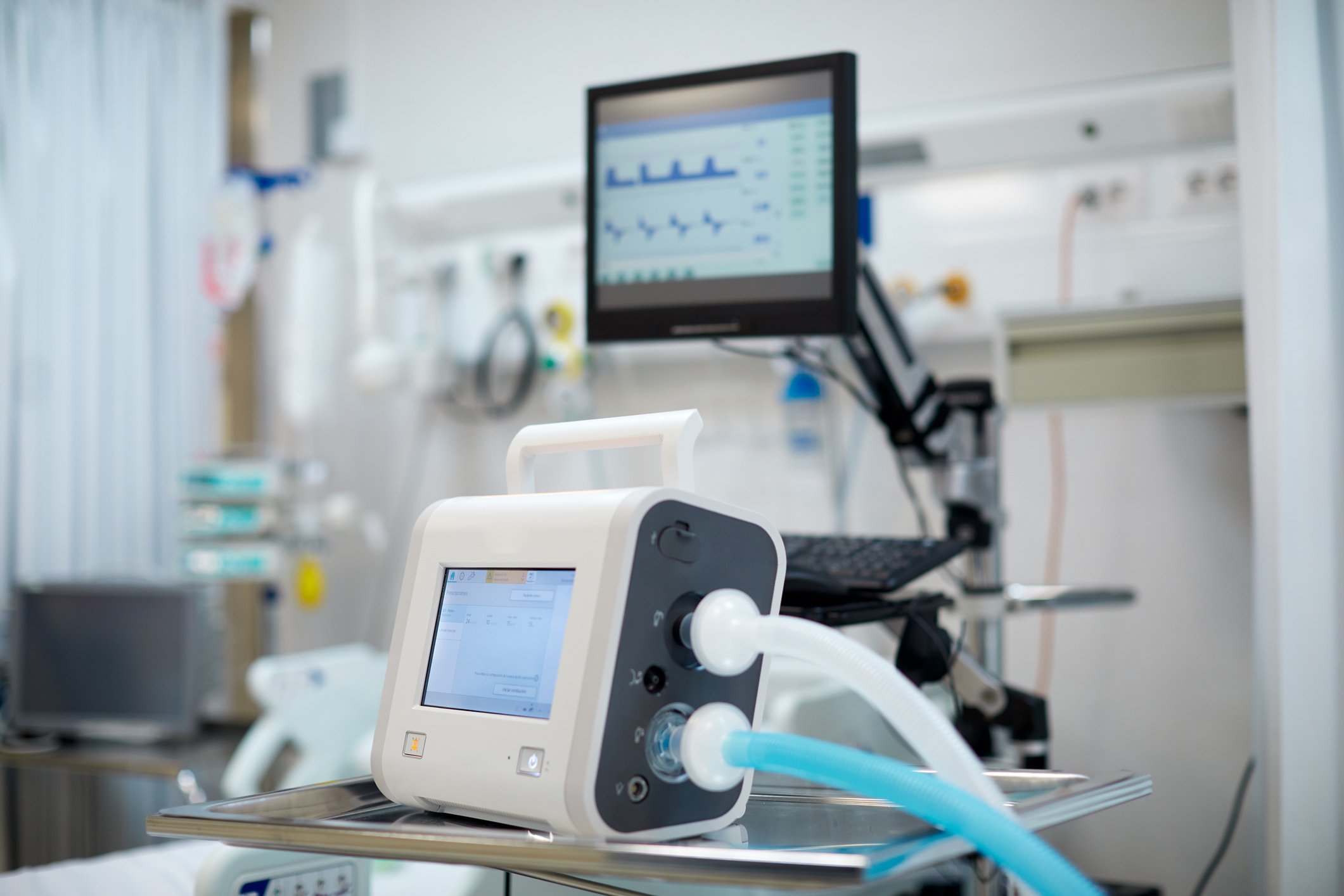
Smart Vents and AI Are Transforming Respiratory Care
The healthcare landscape is experiencing a technological revolution, and respiratory care sits at the forefront of this transformation. Smart ventilators and artificial intelligence are reshaping how we approach patient care, creating exciting opportunities for respiratory therapists who want to stay ahead of the curve.
For travel respiratory therapists, these advances represent more than just new equipment to master, they signal a future filled with enhanced career prospects and the chance to work with cutting-edge technology across diverse healthcare settings.
How Smart Ventilation Technology Works
Smart ventilators represent a significant leap from traditional mechanical ventilation. These advanced systems use real-time data analytics and machine learning algorithms to continuously monitor patient responses and automatically adjust ventilation parameters.
Unlike conventional ventilators that require manual adjustments based on periodic assessments, smart vents can detect subtle changes in a patient's breathing patterns, lung compliance, and oxygenation levels. They then make micro-adjustments to optimize therapy delivery, potentially reducing ventilator-induced lung injury and improving patient outcomes.
The technology integrates seamlessly with electronic health records, providing comprehensive data tracking that helps clinicians identify trends and make more informed decisions about patient care.
AI Applications Revolutionizing Respiratory Therapy
Artificial intelligence is enhancing respiratory care through several innovative applications. Predictive analytics help identify patients at risk of respiratory failure before symptoms become critical, enabling proactive intervention strategies.
Machine learning algorithms analyze vast amounts of patient data to recommend personalized treatment protocols. These systems can predict optimal weaning schedules, suggest appropriate ventilator settings, and even identify early signs of complications like ventilator-associated pneumonia.
AI-powered diagnostic tools are also improving accuracy in interpreting pulmonary function tests and chest imaging, supporting respiratory therapists in developing more effective treatment plans.
Career Impact for Travel Respiratory Therapists
These technological advances are creating unprecedented opportunities for skilled respiratory therapists willing to travel. Healthcare facilities across the country are investing in smart ventilation systems and AI-powered respiratory care tools, but many lack staff with the expertise to maximize these technologies' potential.
Travel respiratory therapists who develop proficiency with advanced equipment become invaluable assets to hospitals and medical centers implementing new systems. This expertise often translates to higher compensation packages and priority placement in desirable locations.
The learning curve associated with new technology also means travel RTs can differentiate themselves in a competitive job market. Facilities prefer candidates who can hit the ground running with minimal training on sophisticated equipment.
Skills Development for the Modern RT
Staying current with technological advances requires a commitment to continuous learning. Respiratory therapists should focus on developing competencies in data interpretation, as smart systems generate more detailed patient information than ever before.
Understanding the basics of how AI algorithms work helps RTs better collaborate with technology rather than simply operating equipment. This knowledge enables more effective troubleshooting and helps identify when manual intervention might be necessary.
Many continuing education programs now offer specialized courses in advanced ventilation technologies and AI applications in respiratory care. Travel therapists who invest in these learning opportunities position themselves for the most rewarding assignments.
Future Outlook for Respiratory Care Technology
The integration of smart vents and AI in respiratory care is still in its early stages. Emerging technologies like voice-activated controls, augmented reality interfaces, and even more sophisticated predictive modeling promise to further transform the field.
Remote monitoring capabilities are expanding, potentially allowing respiratory therapists to oversee patients across multiple locations simultaneously. This evolution could create entirely new job categories and work arrangements for travel professionals.
As healthcare systems recognize the value of these technologies in improving patient outcomes while reducing costs, adoption rates will continue accelerating. Forward-thinking respiratory therapists who embrace these changes today will find themselves well-positioned for tomorrow's opportunities.

Find Your Next Assignment with AMN Healthcare
Ready to advance your career with access to the latest respiratory care technology? AMN Healthcare connects travel respiratory therapists with leading medical facilities that are pioneering the future of patient care.
Our extensive network includes hospitals and healthcare systems at the forefront of implementing smart ventilation and AI technologies. Whether you're looking to expand your skills or seeking respiratory therapist travel opportunities that offer professional growth, AMN Healthcare can help you find the perfect assignment that matches your career goals and expertise level.