

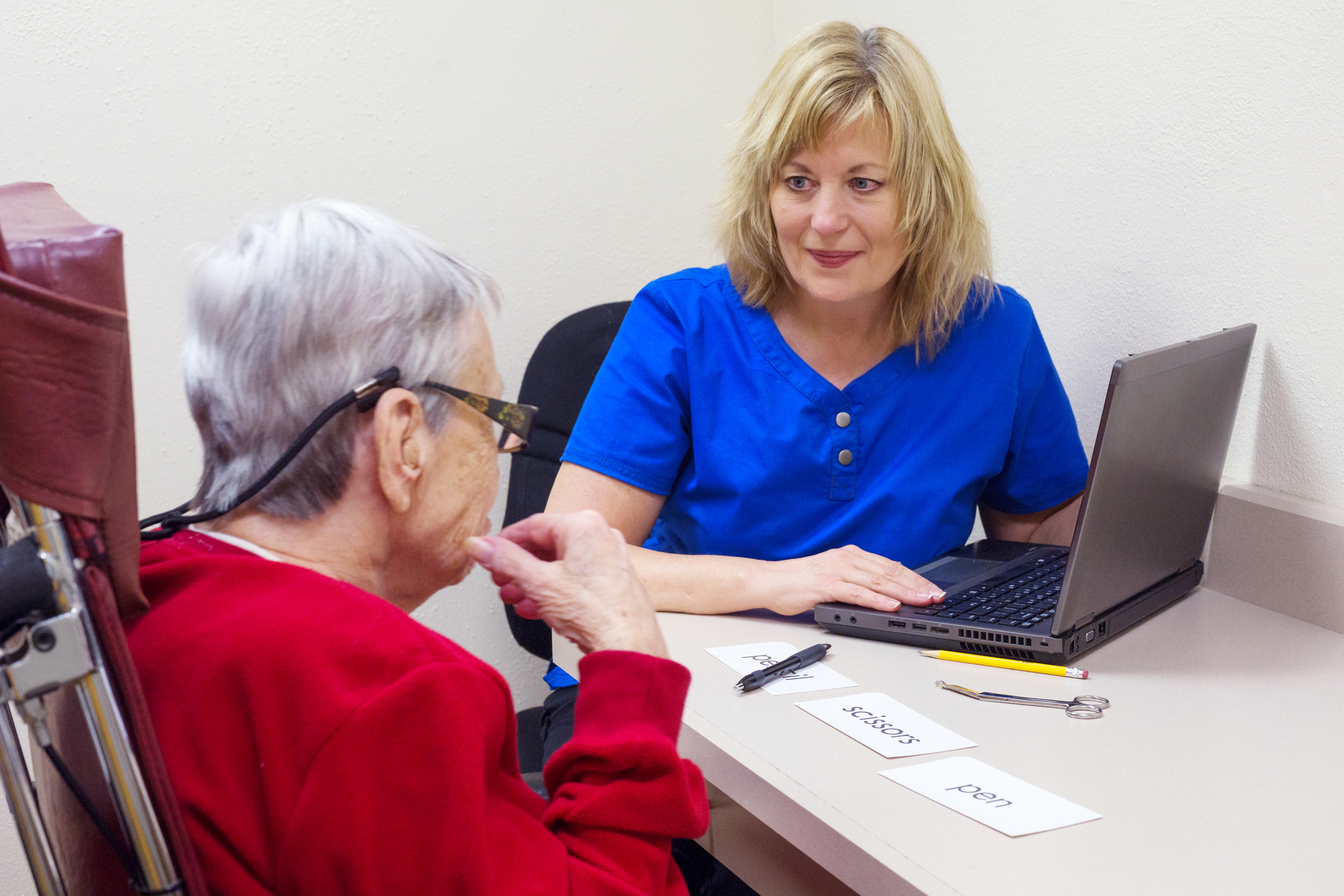
SLPs & the Aging Brain: Helping Boomers Keep Their Voice
America's population is aging rapidly, and with it comes a growing need for specialized healthcare services. Speech-language pathologists (SLPs) are finding themselves at the forefront of addressing age-related communication challenges, from stroke recovery to dementia care. For healthcare professionals seeking meaningful work that makes a real difference, this field offers exceptional opportunities to impact lives while building a rewarding career.
The aging process naturally affects communication abilities, but many conditions can be successfully managed with proper intervention. As baby boomers continue to age, the demand for skilled SLPs has never been higher, creating abundant opportunities for both permanent and travel positions across the country.
Understanding Age-Related Communication Changes
Normal aging brings subtle changes to voice and communication. Vocal cords may become less elastic, leading to a softer or more breathy voice quality. Processing speed might slow slightly, affecting conversation flow. However, significant communication difficulties often signal underlying health conditions that require professional assessment and treatment.
Stroke remains one of the leading causes of communication disorders in older adults, affecting approximately 800,000 Americans annually. Post-stroke communication challenges can include aphasia, dysarthria, and apraxia—all conditions where SLPs play a crucial role in recovery. Early intervention often leads to better outcomes, making skilled speech pathology positions essential in hospitals, rehabilitation centers, and outpatient clinics.
Dementia and related cognitive disorders present another significant area where SLPs make a vital impact. While these conditions are progressive, speech therapy can help maintain communication abilities longer, improve quality of life, and support family communication strategies.
Growing Opportunities in Speech-Language Pathology Positions
The Bureau of Labor Statistics projects that employment for speech-language pathologists will grow 21% from 2021 to 2031, much faster than the average for all occupations. This growth is largely driven by the aging population and increased awareness of communication disorders.
Healthcare facilities nationwide are actively seeking qualified SLPs, creating opportunities in various settings:
Acute Care Hospitals need SLPs for stroke recovery programs and post-surgical rehabilitation. These positions often involve working with patients in critical stages of recovery, where intervention can significantly impact long-term outcomes.
Rehabilitation Centers offer opportunities to work intensively with patients over extended periods, allowing SLPs to see dramatic improvements in communication abilities.
Skilled Nursing Facilities increasingly recognize the value of speech therapy in maintaining residents' quality of life and social engagement.
Outpatient Clinics provide opportunities for ongoing therapy relationships and community-based care.
For SLPs seeking variety and adventure, travel Speech pathologist positions offer unique advantages. A traveling SLP can experience different healthcare systems, work with diverse patient populations, and explore new geographic areas while maintaining career growth.
The Rewards of Travel SLP Positions
Travel SLP assignments typically last 13 weeks, providing enough time to make meaningful connections while offering the flexibility to explore different regions and healthcare settings. Many travel Speech pathologists find this variety keeps their skills sharp and prevents burnout.
Benefits of travel positions often include competitive pay rates, housing assistance, travel reimbursements, and comprehensive benefits packages. For new graduates, travel assignments provide exposure to different treatment approaches and mentorship opportunities across multiple facilities.
Experienced SLPs often appreciate the professional growth that comes from adapting to new environments and collaborating with diverse healthcare teams. Each assignment brings fresh perspectives and challenges that contribute to clinical expertise.
Making a Lasting Impact
Working with aging populations requires patience, creativity, and compassion. SLPs often witness remarkable recoveries—patients regaining their ability to communicate with loved ones, participate in family conversations, or express their needs and preferences clearly.
The work extends beyond individual therapy sessions. SLPs educate families about communication strategies, train caregivers on swallowing safety, and collaborate with interdisciplinary teams to optimize patient care. These contributions ripple through families and communities, making the role both professionally fulfilling and personally meaningful.

Your Next Career Adventure Awaits
Whether you're established in your career or ready for a change of scenery, opportunities in speech pathology continue to expand across the country. The combination of professional growth, competitive compensation, and the satisfaction of helping others maintain their most fundamental human ability—communication—makes this an exceptional time to explore new possibilities in the field.
Ready to discover your next assignment? AMN Healthcare connects talented speech-language pathologists with leading healthcare facilities nationwide, offering both permanent and travel positions that match your career goals and lifestyle preferences.