

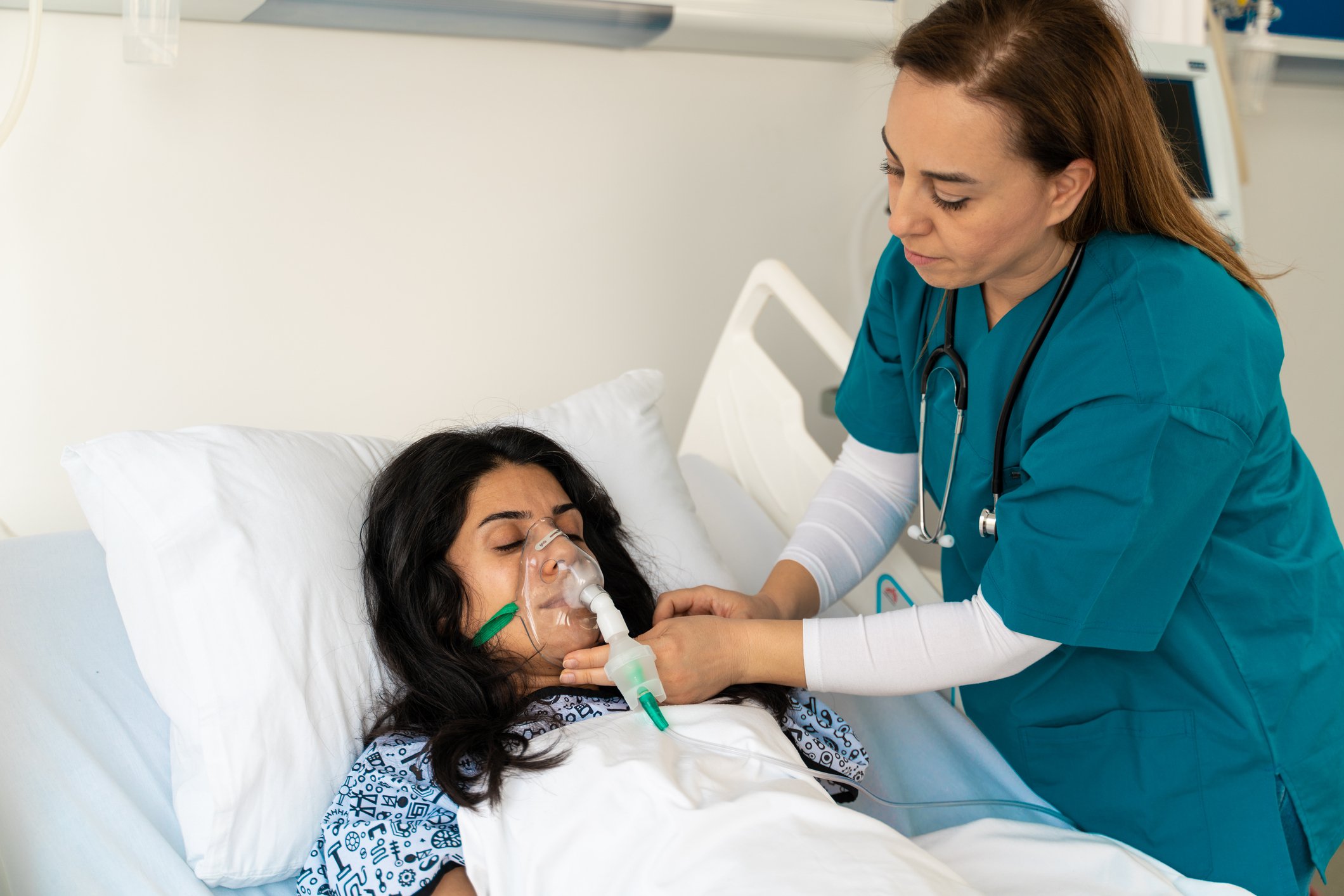
Latest Ventilation Strategies for Acute Respiratory Failure
Acute respiratory failure (ARF) remains one of the most complex challenges in critical care medicine. For clinicians, the primary goal has shifted from simply maintaining gas exchange to a more nuanced approach: supporting oxygenation and ventilation while actively minimizing ventilator-induced lung injury (VILI). As our understanding of lung mechanics evolves, so too do the strategies we employ at the bedside.
Staying current with evidence-based protocols is essential for respiratory therapists, critical care nurses, and physicians. Modern mechanical ventilation is no longer a "set it and forget it" intervention; it requires dynamic assessment and rapid adaptation to the patient’s changing physiology. Here is an overview of the latest strategies defining the standard of care for ARF.
Prioritizing Lung-Protective Ventilation
The concept of lung-protective ventilation is not new, but its application has become more rigorous. The cornerstone of this strategy remains low tidal volume ventilation (LTVV), specifically targeting 4 to 8 mL/kg of predicted body weight rather than actual body weight.
However, recent clinical focus has expanded beyond tidal volume to include driving pressure—the ratio of tidal volume to respiratory system compliance. Maintaining a driving pressure below 15 cmH2O is strongly associated with better survival outcomes in Acute Respiratory Distress Syndrome (ARDS) patients. By limiting the stress applied to the lung parenchyma with each breath, clinicians can significantly reduce the risk of volutrauma and biotrauma.
The Role of Prone Positioning
Prone positioning has moved from a rescue therapy to a standard early intervention for moderate-to-severe ARDS. Placing a patient in the prone position for 12 to 16 hours per day improves oxygenation by recruiting dorsal lung regions, making ventilation more homogeneous, and reducing ventilation-perfusion mismatch.
While the physiological benefits are clear, successful proning requires a coordinated team effort to prevent complications such as pressure ulcers or accidental extubation. For patients with a P/F ratio below 150 mmHg, early implementation of prone positioning is a critical strategy that has been shown to decrease mortality significantly.
Optimizing PEEP and Recruitment Maneuvers
Positive End-Expiratory Pressure (PEEP) is vital for preventing alveolar collapse (atelectasis) and improving oxygenation. However, the "optimal" PEEP level remains a subject of debate. The strategy has moved away from aggressive recruitment maneuvers, which can cause hemodynamic instability and barotrauma, toward a more personalized approach.
Clinicians are increasingly using decremental PEEP trials or esophageal manometry to find a "sweet spot"—a level of PEEP that keeps the lung open without causing overdistension. The goal is to balance lung recruitment against the risks of high intrathoracic pressure, ensuring that the benefits of improved oxygenation outweigh the potential cardiovascular side effects.
High-Flow Nasal Cannula (HFNC) as a First Line
Before moving to invasive mechanical ventilation, High-Flow Nasal Cannula (HFNC) therapy is gaining traction as a primary support mode for hypoxemic respiratory failure. By delivering heated and humidified oxygen at high flow rates (up to 60 L/min), HFNC washes out dead space, reduces the work of breathing, and provides a modest level of positive airway pressure.
Utilizing HFNC can prevent intubation in select patients, reducing the need for sedation and lowering the risk of ventilator-associated pneumonia. Monitoring these patients closely is crucial; if respiratory status does not improve rapidly, delayed intubation must be avoided to prevent worse outcomes.

Elevate Your Career with AMN Healthcare
Mastering these advanced ventilation strategies makes you an invaluable asset in the critical care environment. If you are ready to apply your expertise in new clinical settings, consider finding your next travel assignment with AMN Healthcare. We connect skilled professionals with top-tier facilities across the country, allowing you to expand your resume while exploring new cities. Whether you are looking for professional growth or a change of scenery, our team is dedicated to matching you with opportunities that align with your career goals. Explore our current openings today and take the next step in your professional journey.