
AI and the Human Eye: How Rad Techs Safeguard Diagnostic Accuracy
We hear it constantly in healthcare news: artificial intelligence is revolutionizing medicine. In the world of medical imaging, algorithms are becoming increasingly sophisticated at flagging abnormalities, measuring growth, and prioritizing urgent cases. This rapid technological evolution often leads to the question of whether software will eventually replace the skilled hands of a radiologic technologist.
However, the reality on the front lines of patient care suggests otherwise. While AI offers incredible computational power, the human eye and the critical thinking behind it remain the ultimate guardian of diagnostic accuracy. For travel rad techs, who adapt to new environments and equipment constantly, this human element is more vital than ever.
Search Rad Tech Jobs Nationwide
The Limits of Algorithms
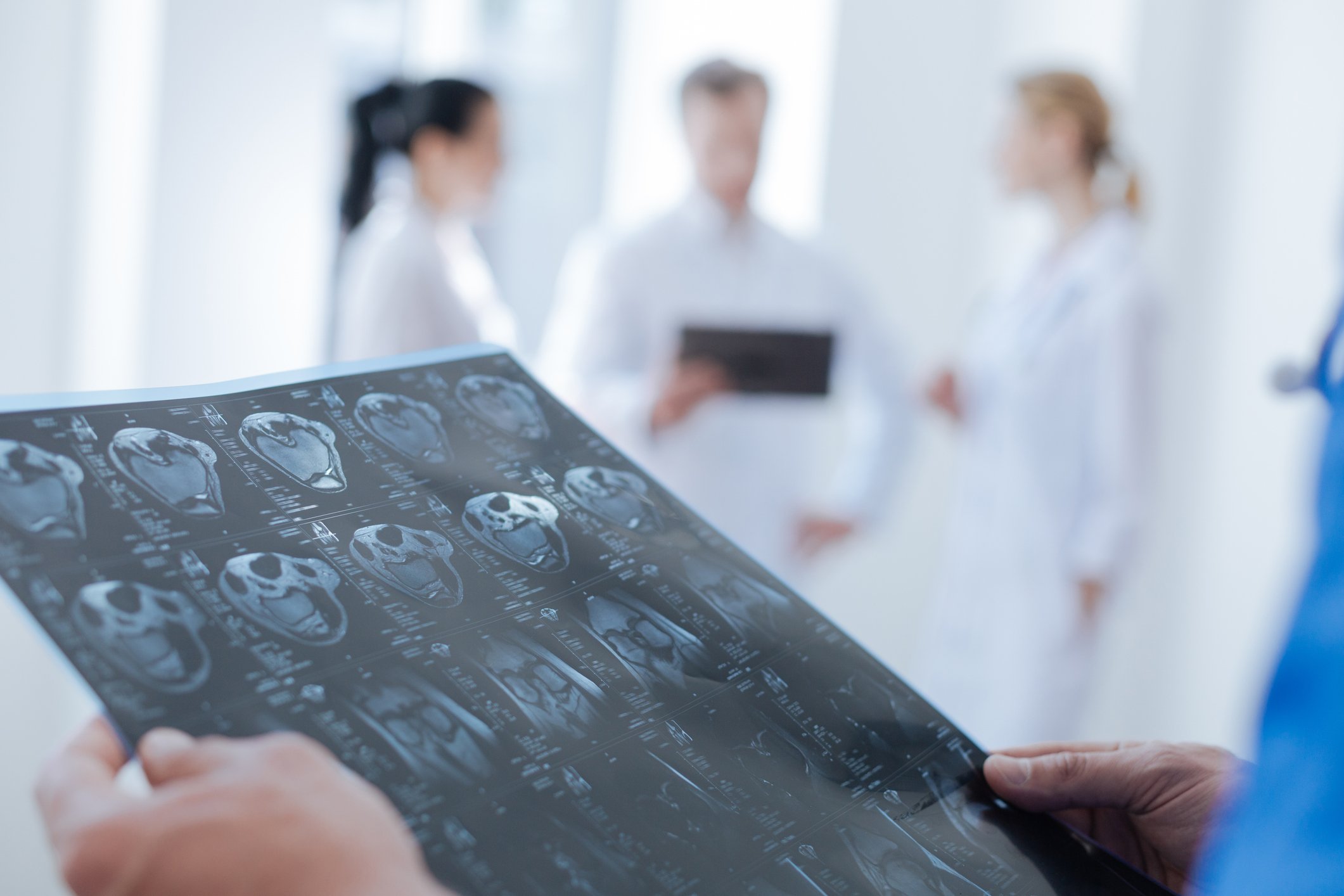
AI excels at pattern recognition. It can scan thousands of images in seconds to identify a potential nodule that the human eye might miss due to any number of reasons, including fatigue. But AI operates on a "garbage in, garbage out" principle. The algorithm is only as good as the image provided to it.
This is where the radiologic technologist becomes indispensable. An algorithm cannot comfort a pediatric patient to ensure they stay still for a clear scan. It cannot physically adjust a trauma patient to get the necessary angle without causing further injury. It cannot look at a patient and realize that their physical anatomy doesn't align with the standard textbook positioning required by the machine.
The technologist ensures the quality of the data input. Without that human expertise ensuring precise positioning and exposure factors, the most advanced AI is rendered useless.
The "Traveler" Advantage in Quality Control
Travel rad techs play a unique role in defending diagnostic accuracy. Because they move between facilities, they are exposed to a wide variety of equipment, protocols, and patient demographics. This diverse experience sharpens their clinical judgment.
A permanent staff member might get used to the quirks of a specific MRI machine or CT scanner. A traveler, however, brings fresh eyes. They are often the first to notice when a protocol needs updating or when a machine’s output is drifting from the standard. This adaptability makes travel techs a critical firewall against diagnostic error. They combine high-level technical skills with the adaptability required to maintain high standards, regardless of the facility's resources.
Partnering with Technology, Not Competing
The future of radiology isn't about choosing between AI and humans; it's about integration. AI provides a powerful second opinion, a tool that allows techs and radiologists to work faster and more confidently. But the foundation of that confidence is the technologist who captures the image.
As technology advances, the demand for highly skilled professionals who can navigate these complex systems is rising. Facilities need techs who do more than push the buttons, they need diagnostic partners who understand how to leverage technology for better patient outcomes.

Launch Your Career with AMN Healthcare
If you are ready to bring your expertise to facilities where it is needed most, AMN Healthcare can connect you with the right opportunities. As a leader in healthcare staffing, we offer access to exclusive travel assignments at top-tier hospitals and imaging centers across the country. Whether you want to expand your skill set with cutting-edge technology or explore new cities while you work, our team is ready to help you find your ideal placement. Visit our job board today to view current openings for travel radiologic technologists.