

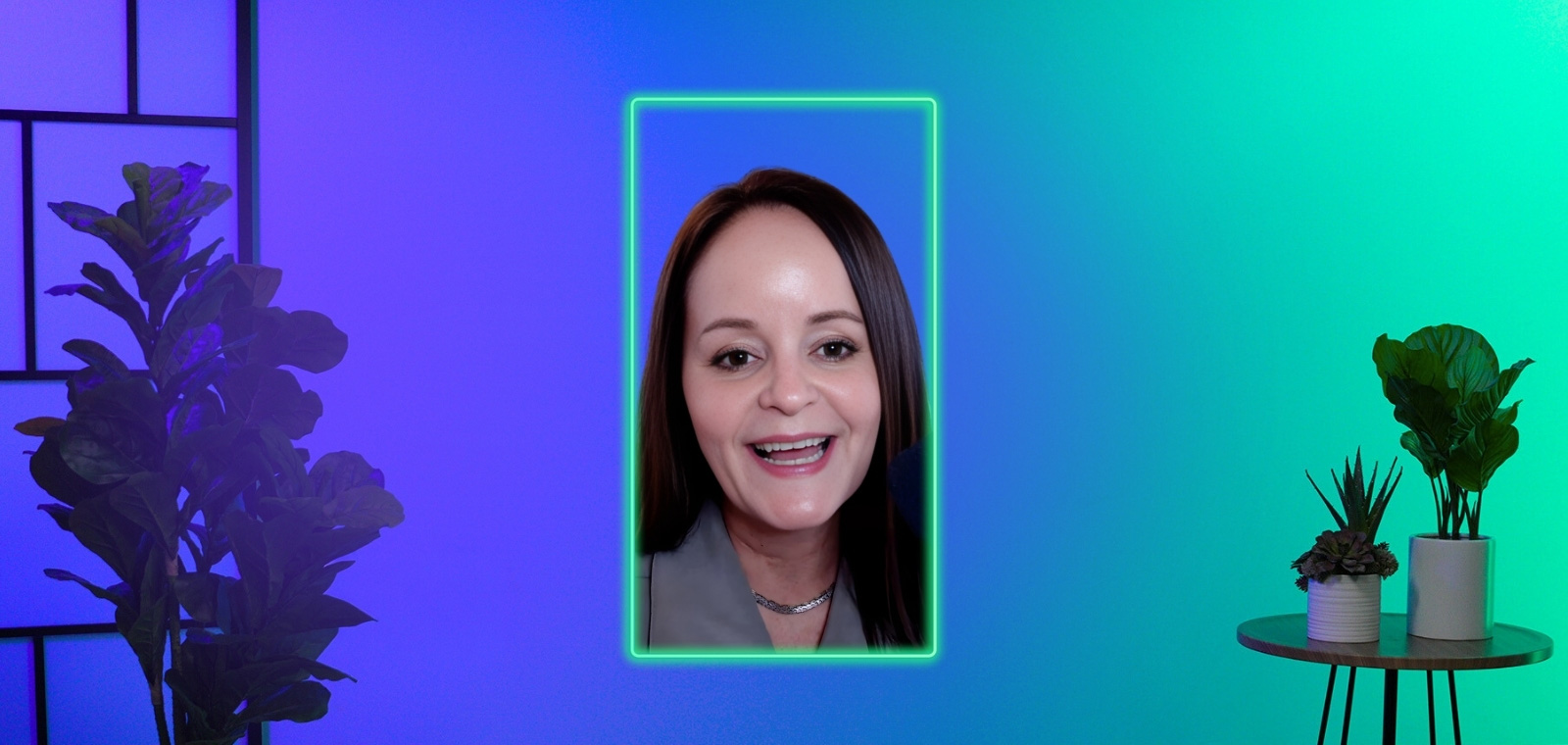
Ep. 137: On-the-Job Training: Articulation Therapy Insights
In episode 137, Michelle explores the realities of articulation therapy, and the practical skills speech-language pathologists learn on the job. While graduate school provides a strong foundation in anatomy, speech sound norms, and analytical skills, many therapists find themselves figuring out the exact techniques to correct specific sounds through trial and error. Michelle shares her experiences bridging this gap, offering encouragement and practical advice for both new and seasoned professionals.
The conversation covers the challenges of group therapy, coaching parents with accessible language, and the realities of speech sound development charts. You will also discover strategies for scaffolding sounds, the importance of accurate initial diagnoses, and how telehealth and visual aids can enhance therapy outcomes.
Subscribe to the Podcast!



Timestamps:
00:00 – Introduction to On-the-Job Training for Articulation
01:17 – The Gap Between Graduate School and Real-World Therapy
03:00 – Keeping Drills Engaging and Adjusting Mid-Session
04:14 – Coaching Parents and Writing Attainable Goals
06:29 – Managing Group Therapy and Differing Needs
08:04 – Navigating Speech Sound Development Norms
09:31 – Scaffolding Sounds From Isolation to Conversation
12:08 – The Importance of Accurate Initial Diagnoses
14:36 – Breaking Habitual Motor Patterns in Short Sessions
17:06 – Multi-Sensory Input and Telehealth Success
19:58 – Advice for New Speech-Language Pathologists
Key Concepts Discussed
- On-the-Job Training: The transition from academic knowledge to practical application in correcting specific speech sounds like the R, L, and S.
- Parent Coaching: Translating complex clinical terminology into everyday language for Individualized Education Program meetings, teachers, and parents.
- Therapy Generalization: Moving a target sound from isolation to syllables, words, phrases, and ultimately, natural conversation.
- High Repetitions: The challenge of achieving the recommended 30 to 60 repetitions for articulation, or 80 to 100 for phonological disorders, within a typical 30-minute session.
- Accurate Diagnosis: Understanding that misdiagnosing a phonological, articulation, or motor disorder is the primary factor that can stall therapy progress.
Connect with Us: Share your thoughts on speech sound norms and therapy experiences on TikTok at @SLPFullDisclosure or Instagram at @AMN_allied. We share regular updates, behind-the-scenes content, and SLP job opportunities.
Subscribe: Do not miss future episodes with amazing guests from across speech therapy! Subscribe to SLP Full Disclosure on your favorite podcast platform. Learn more about this episode and our show on our website at amnhealthcare.com.
About Michelle
Michelle Gage, MA CCC-SLP, embarked on her journey in speech-language pathology during her undergraduate studies at the University of Mississippi, where she also worked at North Mississippi Regional Center, gaining invaluable experience in various therapy approaches. Following her Master's Degree in Speech-Language Pathology from the University of Central Florida, she has dedicated 25 years to empowering children and families in improving language skills and overall development. Currently residing in Mississippi, Michelle extends her expertise through telehealth services. Additionally, she proudly serves as the host of the SLP Full Disclosure podcast.
Outside of her professional commitments, Michelle is the proud mother of Mia, an accomplished middle school math teacher and all-around amazing human. In her leisure time, she indulges in her love for travel and cherishes moments spent with family and friends.
Transcript:
00:00:00:06 - 00:00:25:09
Michelle Gage
Hey y'all, it's Michelle with SLP. Full disclosure, and I want to welcome everyone back to the podcast. I'm so excited about today's episode. It's something that I would say ten years ago, I never thought that I would feel confident enough to talk about, but what we're going to be talking about today is I think we've titled the podcast on the job training, and I know you're probably wondering what that means, but what we're talking about is articulation.
00:00:25:11 - 00:01:02:01
Michelle Gage
And I think that when I know that for myself, when I was in graduate school, I was anticipating, you know, among all the other classes, the anatomy and physiology and the language development and the adult and the neuro and all of those classes. I remember thinking to myself at one point, when am I going to have a class that's going to teach me how to fix and or fix an owl, or fix an ass, and much to my surprise, as you know, if you're a, speech pathologist or if you're in grad school, there is no such class or there wasn't when I was in grad school.
00:01:02:03 - 00:01:17:19
Michelle Gage
So that we didn't have a class that taught us. Now, when you're working with a child that can't produce, there are here are some techniques and here are some things here's here's how you do it. This is how you explain it. We don't learn those things. What we do learn is we learn about speech, sound development norms.
00:01:17:21 - 00:01:42:10
Michelle Gage
We learn how to analyze speech samples. We learn, you know, phonetic placement. We learn maybe those big approaches, the cycles, minimal pairs, traditional approaches, maybe practices for cueing and stimulus selection. But we learn all of this not in a class, but through supervised sessions with real clients while our supervisors are observing us, which I'm so glad I don't have to do that anymore.
00:01:42:10 - 00:02:03:16
Michelle Gage
It was so nerve wracking. But what you quickly learn and I learned this very quickly when I graduate. When I graduated 25 years ago, back in the late 1900s, as my daughter likes to say, I learned that I've got a child that comes in that has an R or an L or an S, how do I fix that?
00:02:03:16 - 00:02:23:20
Michelle Gage
Like I know where your tongue is supposed to be. I know all of those things, but I learned very quickly that I was going to have to learn on the job by talking to other speech pathologist, having mentors, that I was going to have to figure this stuff out kind of on my own and build my own toolbox, if you will.
00:02:23:22 - 00:03:00:06
Michelle Gage
I think the, the hardest thing is picking the right approach for specific children, knowing where they are cognitively, what age are they? And that is what I find hardest in my practice today is making it fun. Because let's be honest, articulation therapy and the drills are not always super fun, but finding ways to keep the child engaged while making sure I get another repetition and practice in that 30 minute session that we're making progress, but also learning.
00:03:00:06 - 00:03:24:06
Michelle Gage
I had to learn on my own that what real world cueing, what actually works. Sometimes what we hear in the classroom, or what our supervisors tell us that might not be what works best for this child. And I have found that to be true. More times than not. I can talk about, you know, taco time or whatever it might be with one child and the next child.
00:03:24:06 - 00:03:51:22
Michelle Gage
They're like, what? What are you talking about? What does that mean? So I'm having to constantly change and modify how I'm presenting this information in a session constantly, and to how to modify that approach, you know, right in the moment. While we're working on that sound, I found it very difficult to when I mean, you're it's one thing to start talking about articulation when you get, you know, KS and G's and R's and L's and S's.
00:03:52:02 - 00:04:14:05
Michelle Gage
But when you throw in that phonological piece and you've got phonological disorders on top of that, you might even have some motor speech problems on top of that. How do you generalize all of those skills and work on that to how do you do that in a structured setting to get it to then generalize outside of the speech session?
00:04:14:07 - 00:04:41:13
Michelle Gage
How to coach parent? That was something that I also had to learn on the job. It's one thing, you know, even here on this podcast as I'm talking, it's designed for speech pathologist. I can use, specific terminology that it's going to be familiar to you. You're going to know what it means. But when I start talking about phonetic placement and I start talking about all these things, I have to make sure that I'm using terminology that parents understand.
00:04:41:13 - 00:05:09:11
Michelle Gage
So when I'm in those IEP meetings, I have to use everyday normal language and know how to explain it in a way that makes sense to a parent, even to teachers. And as a matter of fact, in my district that I'm working in now, we had a meeting, yesterday, just an SLP monthly meeting. And that was one of the things that we talked about, making sure that the language that we're using is easily understood by other people, and that throws in a whole nother kink.
00:05:09:11 - 00:05:38:01
Michelle Gage
That's just something that you're you're not anticipating as a new grad. And it can be hard because when you're coming out of graduate school, I mean, you've got all the knowledge, you are fully trained, you are ready to go. But the terminology that you're using is academic knowledge. And so sometimes learning how to transfer that so that you can explain it in a way that an everyday layperson can understand, can be hard, but also just how to write a goal.
00:05:38:03 - 00:06:05:08
Michelle Gage
That's something else that has been, you know, that I have found over the course of my career, I have gotten and I do pride myself. I feel like I write very good goals that are, achievable because we want to make sure that they're achievable. But being able to write those goals that we can monitor that progress and that we can see that progress and help to get that generalization out of that speech session room and into into the classroom, into the home.
00:06:05:08 - 00:06:29:07
Michelle Gage
And, and when they're with their peers. Another one of the things that I learned really quickly is when you're in graduate school, like I talked about earlier, we learn these practices through sessions with real clients, but those sessions are always one on one. So it's you with one child. And when you're in a school setting, it is not you with one child.
00:06:29:09 - 00:06:46:23
Michelle Gage
It is not like that. It's not like it is in the graduate clinic. Most caseload, I mean, I know early on in my career now, I don't have more than two kids in a in a group. But early on in my career, when I had caseloads that were 100 plus, I would have 3 or 4 kids in a group.
00:06:47:01 - 00:07:06:05
Michelle Gage
And that is something that's really hard to manage. You obviously want to do your best to group those kids so that they're all working on the same sound. If you can. But that's not always the case. So you might have two hours an L and an S in a group. And then what do you do? How do you target that?
00:07:06:05 - 00:07:33:09
Michelle Gage
How do you work on that? You also might have I've got kids now that I work with that or both of them are working on the same sounds. But the way I explain it to them individually is very different, because there's one child may not understand the concept that I'm trying to explain, especially with KS and GS. Oh my goodness, KS and GS, we could do a whole episode on goes and they may not understand it well while the next child does.
00:07:33:09 - 00:08:04:16
Michelle Gage
So just learning how to shift mid session to explain it. And I think a lot of times people don't understand that you have to have a lot of language. Oh, the children have to have a lot of receptive language and a lot of understanding of their aural structures to work on sounds, I know, and that this is something I do want to address, is the speech sound articulation norm chart.
00:08:04:18 - 00:08:31:19
Michelle Gage
If you're listening to this, I would love for you guys to leave us a comment or on our on the podcast if you want to reach out to us on the SLP Full Disclosure TikTok page. But I want to know what sound development norm chart are we using? There seems to be if you just Google it. And I did Google it last week when I was working on this outline, and honestly, a plethora came up.
00:08:31:19 - 00:09:05:15
Michelle Gage
There were so many different links and so many different charts that it was really hard to decipher. I would say for the most part, they were pretty, you know, on target and on track. But I as I'm practicing as a speech pathologist, as I've worked with children birth to 21, when I see that K and G is a sound that starts to emerge at the age of three and should be mastered by the age of four, I think to myself, what in the world is happening?
00:09:05:15 - 00:09:31:01
Michelle Gage
Because I don't know if you're like me and you've worked with the three year old recently on a K and G, but it can be hard. It can be very, very difficult. So in general, what sound development chart are you guys using and if there are any techniques that you have, I would greatly appreciate them because I do have a really young one right now that I'm working with K and Jian and it's it's challenging, very, very challenging.
00:09:31:03 - 00:09:55:13
Michelle Gage
You know, just talking about what all you have to learn on the job. You have to learn how to word it. How am I going to explain to a three year old to use the back of their tongue and tap their soft palate for K and a G? And I have done a thousand different things. We've looked up, we cough, we I mean, we've done all the things, but once we get that sound in isolation, how do we figure out that scaffolding process?
00:09:55:13 - 00:10:18:17
Michelle Gage
How do we scaffold from isolation to syllables to words to phrases to conversation? And that is something that's really difficult to do, even for myself as a very seasoned SLP. So I know that our young SLPs are challenged with that, because I remember that was one of the things I had a hard time with initially when I first graduated was I got this sound in isolation, now I got it in syllables.
00:10:18:17 - 00:10:37:06
Michelle Gage
Let's move it to words and phrases and how you do that and how you do it in a successful way. Because if you move too quickly, you're not going to get the success. So just being able to create those, those strategies and those scaffolding processes, is something that you're going to have to learn and you're just going to have to practice.
00:10:37:06 - 00:10:57:13
Michelle Gage
And sometimes I hate to say this, it's just going to be trial and error. You just have to figure out sometimes a way you word it. If you start talking about taco time and the kids are like, what are you talking about? When you use the tongue depressor, when you're using the straws, when you're using all of those things to help elicit some of those sounds.
00:10:57:15 - 00:11:14:12
Michelle Gage
I have one right now that I'm working with, and it's the craziest thing. He's young, but he we've been using the tongue depressor for the K and the G, and he doesn't even use it correctly. He can literally, as long as the tongue depressor is anywhere near his mouth, it doesn't even have to be between his teeth. It might not even be in his lip.
00:11:14:13 - 00:11:37:08
Michelle Gage
He can sometimes get it up there, and it can just be closed. And the K and the G perfect every time. All word positions. And that's something else that we have to figure out. How do you work on those sounds and the initial medial and final position. What is the process that you go through to transition that sound and transfer that sound from the beginning of the word, the middle of the word and the end of the word.
00:11:37:10 - 00:12:08:16
Michelle Gage
And I think what I want to encourage the new grads with is there's no right or wrong way to do this. I think the only time that you might see some stall in your process and in your progress, is if you misdiagnosed phonological disorders versus articulation. So I want the new grads to understand and be confident in the fact that what you're doing, you are trained to do, and there's really no right or wrong way to do it.
00:12:08:18 - 00:12:30:20
Michelle Gage
What I say to my children in therapy might not be the way that you want to say it in word, and it that's okay. Everyone has their own style. Everyone has their own, their own way of explaining things to work through that process. Because you've got to start. I mean, we all know I mean, we learn these things in school.
00:12:31:01 - 00:12:53:06
Michelle Gage
The auditory discrimination, isolation, moving to syllables, words, phrases, sentences, conversation. But then that big piece is that generalization. I've got kids that I've worked with out in California, that in speech and in our speech sessions, their speech is perfect, but then they go to the classroom because they know I'm there and they're they're really concentrating and they're paying attention.
00:12:53:11 - 00:13:26:18
Michelle Gage
But then they go into the classroom and it's reverting right back to those same errors that they had when they first started. So we all learn those traditional approaches and how to move through those that how do you move through them and how you explain it in that session to a child is totally up to you, and that's something that you're going to learn and be confident in the fact that just because you've never heard another speech pathologist explain how to put their tongue where their tongue is supposed to be, that's okay.
00:13:26:18 - 00:13:42:05
Michelle Gage
If the if this is the first time you've ever said because you may say something one time and it clicks and you're going to be like, okay, well, that's how I'm going to get the next child that I have working on this. And I'm going to remember that phrase. You're going to say that phrase and guess what? It's not going to work.
00:13:42:06 - 00:14:13:06
Michelle Gage
They're not going to get it. And that's okay. That's where that trial and error comes in. But I think that you've got I just want you guys to be confident in the fact that, no, we're not trained on how to fix articulation disorders specifically, but, you know, the anatomy and physiology and you know what you're doing, what's most important is that you are distinguishing between an articulation versus a phonology versus a motor disorder, because that is really the biggest skill.
00:14:13:08 - 00:14:36:15
Michelle Gage
And if you misdiagnose in that initial phase, that's when your therapy progress is going to stall. So there was something interesting that when I was doing my research for this podcast, because I say research like I've not been doing this 25 years, but I just kind of wanted to see what would come up on the Google or in I when I type in speech sound development norms and charts.
00:14:36:20 - 00:14:59:19
Michelle Gage
But one fascinating piece, and I had not even thought about talking about this. We forget that it's repeated in practice. A lot of these kids have had these sound disorders for many, many years, and it becomes a habitual pattern. That's just how they say the sound. That's where they put their time. And to break that habit and to break that motor memory, it's really hard.
00:15:00:00 - 00:15:21:07
Michelle Gage
We have to remember we you know, we've to I don't know if I've ever talked about this, but we have our kids and our speech sessions for 30 minutes. Well, why 30 minutes? Who picked that number? I have no idea. Why wasn't it 45? Why wasn't it 15? And you may you may structure your therapy sessions a little differently.
00:15:21:09 - 00:15:46:10
Michelle Gage
I feel like with our younger kids, more frequent shorter sessions would be better instead of one 30 minute session. But as a speech pathologist in a school district where I work full time and cover many schools, I know that that's not always possible. Just logistically. I would love to see. I've got a handful of kids that I would love to see every day for 10 or 15 minutes, but just logistically, that's not possible.
00:15:46:12 - 00:16:17:08
Michelle Gage
My point to all of that is that when we got these kids in these sessions, we have to remember that we're breaking a motor speech pattern that they've had for a long time. And for a traditional articulation sound. It the what I found said that you have to have 30 to 60 productions per session. So if we've got these kids for 30 minutes, that's 1 to 2 productions of that sound every minute that they are in speech that day.
00:16:17:10 - 00:16:47:06
Michelle Gage
I know for a fact that my kids are not getting 30 to 60. I would say probably in this or maybe 30 to 40 range, possibly. But for phonological approaches, it recommended 80 to 100 repetitions or productions in a single session. That's a lot. We know that we've got kids who may have attention disorders. They may have a hard time focusing just having that general conversation.
00:16:47:06 - 00:17:06:18
Michelle Gage
How was your weekend? What did you have for breakfast? What did you have for lunch? And then if you got another child in there and you're splitting that 30 minute session with another child, there's no way they're getting 30 to 60 productions or even 8100 for those phonological disorders. So it's hard. It's really, really hard. Goodness. There's so much more I want to talk about.
00:17:06:18 - 00:17:33:08
Michelle Gage
And I am going to talk about this, our use of visuals and our use of just that multi-sensory input that we used. When I first started as a speech pathologist, I was working in a multi handicapped unit. So for the first 15 to 18 years of my career, I did not do traditional articulation therapy. And that's why I said at the beginning, I never thought ten years ago that I would be confident enough to talk about articulation.
00:17:33:10 - 00:18:01:04
Michelle Gage
But again, I learned on the job with my individual kids because once I started working with traditional articulation and phonological disorders, I realized, I don't know how to fix it, or I don't know how to explain how to produce. And I will sound, but because I work virtually now, I don't have the opportunity to use those tongue depressors or the straws or the pipe cleaners to show them, the tongue shape.
00:18:01:06 - 00:18:26:04
Michelle Gage
I will say that I use YouTube videos a lot because the person on the YouTube has a big mouth model. I've got amazing, fabulous, wonderful pair of facilitators this year who are confident and willing to use those tongue depressors and those straws and those pipe cleaners and all of those things for me in person. And that has helped tremendous.
00:18:26:06 - 00:18:41:08
Michelle Gage
So if you are as blessed as I am with amazing pair of facilitators that are willing to do that, because some are like, I don't feel comfortable doing that. And if they don't feel comfortable doing that, then I'm not there to force them to do it. Although I try to explain them, it's going to make our job a lot easier.
00:18:41:10 - 00:19:07:05
Michelle Gage
Sometimes that's just not the case. But this year, 100% blast. So using those tongue depressors the straws, the pipe cleaners. I have also had wonderful success. Everybody wants to to ask me all the time, what do you feel about the efficacy of the telehealth services that you're providing? And I hands now, 100% will tell you that it is a fabulous, magnificent therapy model.
00:19:07:07 - 00:19:30:21
Michelle Gage
And it is. I'm seeing progress in all of my children that I work with. And it's great in this sense because remember back in the day, remember I started I graduated in the late 1900s and started practicing in the early 2000. We had to use the little mirrors well with the computer. When I'm on the computer with my kids, not only can they see me, but they can see themselves.
00:19:30:23 - 00:19:57:23
Michelle Gage
And I have found that I'm being able to see themselves has made the biggest difference in how we're progressing in therapy. So that's a lot of information on the job training, all of the things that we learn in graduate school, do prepare us for practicing as speech language pathologist in different settings. But a lot of the things that we learn, we have to learn on our own.
00:19:58:01 - 00:20:28:12
Michelle Gage
But I want our new grads in our speech pathologist that are new to the field, to feel confident in the fact that there's really no right or wrong way to explain to a child how to make a specific sound or elicit a sound in a child. And remember, the only time I feel like you can make that difference if you're is if you're not diagnosing correctly in the very beginning, whether it's a phonological disorder, an articulation disorder, or a motor disorder.
00:20:28:12 - 00:20:49:06
Michelle Gage
And that's really the only time that's really where you've got to make that delineation. Once you make that distinction in your assessment, then you can start that therapy planning and you're going to figure it out. What I say with my kids might not work. And I have found that what works with the child, one child certainly doesn't work with the next child.
00:20:49:06 - 00:21:14:09
Michelle Gage
And I have found myself explaining things in a way to six year olds, five year olds, four year olds that I'm like, oh my goodness, how am I going to do this? But you just figure it out and it's it's so much fun. I had a kid just last week have an amazing breakthrough with KS and GS in the final position, and it was the most joyful, amazing feeling to see the look on his face.
00:21:14:09 - 00:21:37:19
Michelle Gage
He's a third grade little boy oh boy. And he was so proud of himself. His eyes actually got big and he kind of leaned back from the computer because he heard it and he was so proud of himself, and he was like, I can't wait to go home and show and show my mom. So what we do matters and we're making a difference in these kids lives.
00:21:37:21 - 00:21:55:10
Michelle Gage
So keep at it, figure it out. Let us know in the comments what speech sound developmental norms are you using? Because I really do want to know that. And I want to know how we figure this out. And I also want to know if anyone else out there struggling, working on KS engages with three year olds, or if it's just me.
00:21:55:10 - 00:22:11:16
Michelle Gage
So if you've got some advice for me, please let me know. Guys, thank you so much for listening today. You can find us on Spotify, you can find us on Apple or on YouTube. And you can also find us on Tik Tok at SLP. Full disclosure thank you all so much and we'll see y'all soon.
00:22:11:18 - 00:22:33:07
Michelle Gage
Thank you for tuning in to SLP. Full disclosure you can learn more about this episode and our show on our website at AMN. Health care.com. If you enjoyed this episode, share it with a friend and subscribe to our show on your favorite podcast platform. You can also find show updates and sleep opportunities on our Instagram at AMN ally.
00:22:33:09 - 00:22:37:12
Michelle Gage
Special thanks to AMN healthcare for making this show possible. See y'all next.
00:22:37:12 - 00:22:37:19
Michelle Gage
Time!


