

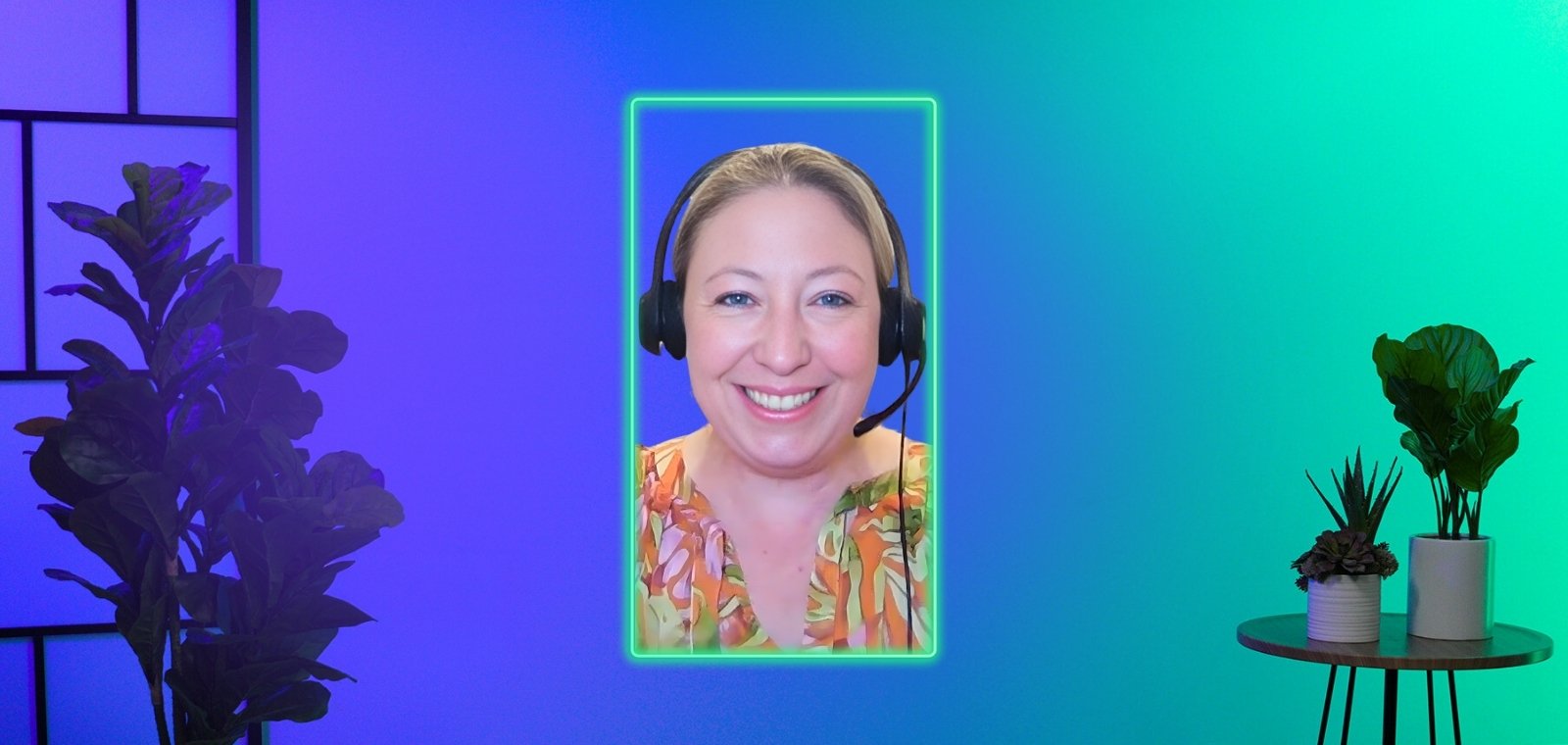
Ep. 136: Understanding Childhood Apraxia of Speech with Laura Baskall-Smith @slpmommyofapraxia
In episode 136, Michelle welcomes back Laura Baskall-Smith, a speech-language pathologist who specializes in childhood apraxia of speech (CAS). Also known as the "SLP Mommy of Apraxia," Laura brings both clinical expertise and personal experience as a mother of a child with CAS. She breaks down exactly what apraxia is—a disconnect between the brain's planning and the mouth's movement—and why the diagnosis can often feel overwhelming for families. The conversation explores how to differentiate apraxia from other speech sound disorders using dynamic motor speech exams. Laura debunks common myths, such as the idea that a child cannot be diagnosed before age three, and shares critical red flags to look for during a parent intake case history. Listeners will also learn about evidence-based treatment strategies like DTTC, the importance of the principles of motor learning, and why ongoing continuing education is vital for speech-language pathologists.
Subscribe to the Podcast!


Timestamps:
00:00 – Introduction to Childhood Apraxia of Speech
00:28 – Welcoming Guest Laura Smith (SLP Mommy of Apraxia)
01:58 – Defining Apraxia: The Disconnect Between Brain and Mouth
03:18 – Why an Apraxia Diagnosis Can Be Scary for Parents
05:08 – Distinguishing Apraxia from Other Speech Sound Disorders
08:26 – The "ASHA 3" Core Characteristics of CAS
11:58 – Debunking the Age of Diagnosis Myth
15:10 – Key Red Flags to Look for in Early Case Histories
17:32 – Hidden Challenges of Apraxia in Daily Life
20:00 – Effective Therapy Techniques and DTTC Training
22:02 – Recommended Frequency for Apraxia Therapy
23:18 – Advice for Graduate Students and SLPs
26:02 – Conclusion and Upcoming Episode Plans
About Michelle
Michelle Gage, MA CCC-SLP, embarked on her journey in speech-language pathology during her undergraduate studies at the University of Mississippi, where she also worked at North Mississippi Regional Center, gaining invaluable experience in various therapy approaches. Following her Master's Degree in Speech-Language Pathology from the University of Central Florida, she has dedicated 25 years to empowering children and families in improving language skills and overall development. Currently residing in Mississippi, Michelle extends her expertise through telehealth services. Additionally, she proudly serves as the host of the SLP Full Disclosure podcast.
Outside of her professional commitments, Michelle is the proud mother of Mia, an accomplished middle school math teacher and all-around amazing human. In her leisure time, she indulges in her love for travel and cherishes moments spent with family and friends.
Transcript:
00:00:00:03 - 00:00:28:04
Unknown
Hey y'all it's Michelle with SLP. Full disclosure. Thank you all so much for joining us today. We have a super exciting topic and one that's very specific and one that I'm really excited to learn more about. Today we are going to be talking about a praxis of speech. Praxis is something that's often misunderstood. And when it's diagnosed, it leaves families with lots of questions about what it means, how it's diagnosed, and most importantly, what they can do to help their children find their voices.
00:00:28:09 - 00:00:53:04
Unknown
And that is why I am so excited to be joined by Laura Smith. So, Laura, welcome to the podcast. Let me say welcome back to the podcast that this is your second appearance on SLP. Full disclosure. Yeah. Thanks, Michel. Thanks for having me. Oh, I'm so excited to talk to you. Because a prexy is something that I feel like is so specialized and it's such a little niche inside of speech language pathology, which there are a million different niches in our field.
00:00:53:04 - 00:01:30:18
Unknown
Right. So yes, but I'm super excited to have you back on the show today and get your expertise on a prexy and speech. So yeah, welcome back. So let me tell you guys a little bit about Laura. Laura is a speech language pathologist specializing in childhood apraxia of speech. Her advocacy work for apraxia awareness has taken her into starting her own private practice, a mile high speech therapy, authoring the book Overcoming Apraxia, lecturing on a praxis and spreading awareness via her various social media outlets under the handle SLP Mommy of Apraxia, which I will say that is how I found you.
00:01:30:20 - 00:01:59:17
Unknown
Yeah, on TikTok though, right I did. I found you on TikTok and I was like, oh my gosh, you came on my page and I just started watching all of your videos just over and over. And I was like, I have to have her on the podcast. So Laura, the first question I want to ask you in your own words, as a specialist in a practice of speech, how would you define a praxis in a way that parents, educators, and SLPs can understand?
00:01:59:18 - 00:02:18:07
Unknown
So, I mean, I have to start with the technical definition first just because we have it from Asha. So basically that Asha says it's difficulty planning and programing the movements for speech. So when we think about a praxis as opposed to our other speech sound disorders, apraxia starts in the brain. The brain is what is planning the movements.
00:02:18:07 - 00:02:37:02
Unknown
When we're talking. It's, you know, planning the parameters of what we're saying. And so it really starts in there. And I would say for the easiest way for people to understand that, I've seen it described by multiple people who have a practice here themselves, is that there is a disconnect between the brain and the mouth. So that would be your easy definition.
00:02:37:04 - 00:02:53:23
Unknown
Okay. So a disconnect between the brain and the mouth. So your the brain knows what it wants to say. The brain has the words. The brain knows exactly what it wants to do, but the mouth is not connected to the brain. And so when the words come out, or when you try to say the words, the words are just not coming out or they come out incorrectly, right?
00:02:53:23 - 00:03:19:04
Unknown
Correct. Yeah. I would say that was the easiest way to describe it to someone who doesn't really know. Yeah. Why is the praxis so scary to parents? Why do when they hear that word, why is it so frightening? Well, one reason can be Google. So if you as an SMP don't send your families to credible information, or a website or resources that you know are credible, you'll Google it.
00:03:19:04 - 00:03:35:21
Unknown
And the first thing that a lot of times the first thing that comes up would be acquired a proxy of speech in adults. And the way you get acquired a proxy speech is through stroke, TBI, some sort of brain injury. And so parents see that and could potentially freak out. Right. And not all parents freak out at first.
00:03:35:21 - 00:03:59:13
Unknown
You know, some some didn't don't know what it is. They're like, oh, okay. Yeah, just treat them or whatever. But I would say that's the biggest problem is when parents go to a search engine and then find information that's not relevant to their case. However, after that, once they find information relevant to their case and they're reading up about it, a proxy, if a child truly has childhood a proxy of speech, it is a lifelong neurological disorder.
00:03:59:18 - 00:04:25:23
Unknown
And so just the fact that that word lifelong is in there makes you question, oh my gosh, like, are they ever going to be able to talk? If they talk, can they talk clearly? Are they going to be successful? Will they hold down a job like, it's so crazy because when I was an SLP in this, in the schools, for example, I had a supervisor who was always telling me before and because I was an SLP before I was an SLP, and I had a supervisor before we went in to meetings, I always tell me, remember, Laura, this is someone's baby.
00:04:26:01 - 00:04:43:15
Unknown
And she didn't she didn't elaborate. And I didn't have children at that time. And after the 20th or whatever time, like, why is she always say this to me like, I know this is someone's baby, but only until it really happened to me is when I realized as a school SLP, those IEP meetings were great. You go in there, we rocked the goals.
00:04:43:15 - 00:05:08:18
Unknown
You get to tell the parents we met. These goals here are new goals. I'm just thinking year to year parents are thinking adulthood and life. They're thinking, yeah, they're thinking forever. Yep. You're exactly. How would you say a praxis is different from other speech disorders, your articulation disorders, your phonological disorders? I know that we talked about that disconnect in the brain, but a lot of times they can present very similarly.
00:05:08:18 - 00:05:30:07
Unknown
Correct. Oh, yes. Because you can have someone who looks severely unintelligible, particularly with, you know, severe phonological disorder. And if you're just, you know, listening to them talk, it's not going necessarily to be readily apparent that, oh, that one's a proxy. And that one severe phonological disorder. So really the biggest difference comes down to your motor speech exam your diagnostic.
00:05:30:08 - 00:05:49:06
Unknown
So really important to do what's called a motor speech exam because the difference with a proxy a, as opposed to all other speech sound disorders is that it is a motor planning, it's difficulty planning and programing the movements for speech and those characteristics will show up in a motor speech exam. What motor speech exam do you use.
00:05:49:06 - 00:06:08:00
Unknown
Do you have a specific one that you use? So I was trained in I was trained in an informal motor speech by this, these international experts. I went to this training for three days. And so they just taught me how to do one. But now we do have formal ones like the Dems is out there. People don't find the Dems to be particularly user friendly.
00:06:08:06 - 00:06:26:09
Unknown
The vim pack is one that I know a lot of school SLPs have used with my daughter. I personally have not used that one, but everyone who's used it has found it pretty user, family friendly, and you can link those like in your comments to or whatever. Like your yeah, yeah, your show notes and stuff. But basically what they're all oh the SLP Kaufman speech.
00:06:26:09 - 00:06:46:06
Unknown
No, the Kaufman speech Praxis test, something like that. That one was intuitive as well. And it it doesn't necessarily you have to be careful with that one because she diagnoses everyone with a proxy in that test. It's either mild, moderate or severe. But what it does give you an idea of is like, you know, you go through all of the different syllable shapes, having the child repeat them.
00:06:46:06 - 00:07:08:17
Unknown
And you do find discrepancies like, oh, wow, how come they could say nee and a CV and then it was high in a CV. CV like that's interesting. They should be able to say, honey, if they had it in me. So that test was really good and taught me a lot too. But essentially a motor speech exam is you're having the child say words multiple times in a row taxing their zone of proximal development.
00:07:08:17 - 00:07:27:08
Unknown
So you know, if a child can speak in multi syllabic words and you're like, say ty five times and they're consistent, you're not taxing the motor plan. We have to find where it's going to be really challenging. And then you will see, you know like let's say a kid was at oh let me give you Ashton's example. So I thought Ashlyn had dysarthria.
00:07:27:10 - 00:07:42:05
Unknown
And Ruth Steckel is an international expert who was coming to Denver, where I live, not giving a talk on a practice. Yeah, give me a talk on literacy. But I was like, she was one of my mentors in that training I was talking about. And I was like, please, please, please, will you? We'll see her. So she agreed.
00:07:42:05 - 00:08:00:10
Unknown
So I crazy mom went to her hotel room and first she just wanted to verify the approximate diagnosis. But Ashlyn by this point had had a lot of therapy and you know, she was pretty consistent. And things that she was saying, and I was like, how is she going to do this? So she starts with like ladybug, say ladybug five times, ladybug, ladybug, ladybug, ladybug.
00:08:00:10 - 00:08:26:06
Unknown
She nails it, say butterfly nails. It. Then she went into stethoscope, say stethoscope five times, say microscope five times, say statistical five times. Oh, there you saw it all come out. And so. Wow, what we're looking for in that motor speech exam. Asha has there's an Asha three. So the top three characteristics for kids that are in Astro must have are inconsistent errors on repeated production of words.
00:08:26:06 - 00:08:43:09
Unknown
So you're going to see that. And when you're texting the motor plan if it's approximate. So I give the example. If it's Fano let's say you have a severe fan okay two. And maybe their representation of microscope is like made to dope. That would be a common way to say it if you have or disorder. But they're not going to say it inconsistently.
00:08:43:09 - 00:09:11:03
Unknown
They're just going to say might not make the don't make the there's not going to be this like hard like struggle to get the word out right. It's going to be unintelligible to some people. But yeah, with a praxis, you're going to see likely inconsistent errors on those repeated production of words. The second criteria from Asha is that difficulty with articulatory transitions, which really just means going from one sound to the next to one syllable to the next, and that will show up when you do a motor speech exam that's taxing the motor plan.
00:09:11:05 - 00:09:30:13
Unknown
And then the third must have of the Asha three is some sort of prosodic disturbance, some issue with prosody. So usually what we see is like equal syllabic stress. So instead of tomato you might see tomato or ladybug you might see ladybug, ladybug. You know where it's like there's still having equal syllabic stress. So that's how we usually see it.
00:09:30:15 - 00:09:53:04
Unknown
But do keep your ears out for inability to variate. Their volume like that can be a thing where you go, like with a car like we, that could be really challenging for someone with a fracture and then pitch tone, you know, things like that. But usually it's with the stress that we see it. So when you do your motor speech, motor speech exam, you're going to be looking for those three.
00:09:53:06 - 00:10:13:13
Unknown
But then there's other characteristics. There's another great article that you could probably link in your show notes. I'll send it to you by Edith Strand. It was a 2017 called Appraising Apraxia. And in that one she identified characteristics, additional characteristics that are becoming more discriminatory of childhood, a proxy for speech. And she lays it out in a really clinician friendly way.
00:10:13:13 - 00:10:38:02
Unknown
I feel like and has like charts and comparisons and things like that and some other additional characteristics. Yeah, it's really good. Yeah. Other characteristics would be like, vowel errors or distortions, consonant distortions, super hard to give you an example of a consonant distortion, but if you're an SLP, you know, a not clear substitution when you hear one.
00:10:38:04 - 00:11:01:05
Unknown
Yeah. So that's more discriminatory. But yeah definitely look up that article. Very clinician friendly. Super helpful. That's awesome. I'm thinking about back over my career and I don't know that I've ever had a child that I've worked with that was officially diagnosed with approximate speech. But early on in my career, I'm thinking back to kids that I worked with and I'm like, that was a proxy.
00:11:01:07 - 00:11:20:11
Unknown
And I just didn't know it then. I didn't know, so. And you, you there's good reason for that. Asher only officially recognized childhood apraxia speech has its own separate and distinct disorder. In 2007. So I knew that. Yeah, I knew it wasn't long. I mean, 2007 seems like a long time ago, but in my world, that wasn't really that long ago.
00:11:20:12 - 00:11:40:06
Unknown
Yeah, well, I mean, even me, I graduated from grad school in 2008, so I didn't have any information even in 2008, I yeah, 11 loose leaf papers, maybe on childhood, a practicing speech. Yeah. Interesting. And that's what a lot of people don't understand. It's it's not really it's always been there, but it just wasn't recognized until 2007. Yeah.
00:11:40:08 - 00:11:58:14
Unknown
Wow. What are some common misconceptions? I know there are a lot of movement out there, and the first one that I can think of that I've had people tell me before, is that it can't be diagnosed until a certain age. If I was just going to go there, yeah, I've heard you can't diagnose until three until five until eight.
00:11:58:15 - 00:12:17:03
Unknown
I've heard like all of those random numbers. Really, age of diagnosis is not as important as if what's the most important is can they complete a motor speech exam? So as you were just hearing me talk, if we want a child to repeat words five times in a row, what two and a half year old is going to be willing to do that?
00:12:17:03 - 00:12:35:22
Unknown
And even if they can do that, they're still toddlers. Like, who would be wanting to do that? You do get it. You know, you do get an outlier. That girl with no ADHD that just wants to please you, that does everything you say. I mean, that happens once in a blue moon, but it's very unusual to be able to find a two and a half year old that's going to be able to do a motor speech exam.
00:12:35:22 - 00:13:00:23
Unknown
So really, that's the main thing. So you can be. And then the reason the three is the myth is because Asha has in there, I don't know if it's the technical report, but very much so in their portal that a diagnosis before three is tricky. And they're only saying that for the reasons I just outlined. And so they said, you know, if you suspected though, operate under a provisional label like suspected childhood, a proxy speech.
00:13:00:23 - 00:13:20:05
Unknown
So I think because Asha put in an age, that's where that myth kind of like tends to persist, like, oh, you can't diagnose until three. So yeah, I'm thinking about a little one that I worked with about a year or so ago, maybe two years ago, who is basically I mean, I wondered if the child had selective mutism like I can.
00:13:20:05 - 00:13:48:05
Unknown
That's a comorbidity, but we haven't studied that as well yet. Yes, he had no words and would not even attempt. He wouldn't attempt to make a facial expression. And the motor, you know, we always forget about speech being a motor act, but there's just that gross motor imitation was almost nonexistent. And mom had gotten on the internet like you said, she'd gotten on the Google and she came almost like I think he has a proxy of speech.
00:13:48:05 - 00:14:05:22
Unknown
And I'm like, I don't know because he won't. How how am I going to know if he has a proxy of speech, if he has zero words or three words that he says randomly? But when I ask him to say something or a ways, he's it's modeled where prompting we're doing the things and he's just looking at me.
00:14:06:00 - 00:14:24:12
Unknown
I mean, you can't diagnose dyspraxia in speech if they're not willing to to try, right? That's why a lot of autism parents get discouraged because they suspect that their children, have a proxy. But then when they find out we we have to do a motor speech exam. We have to. That's why Asha has a criteria now for diagnosis.
00:14:24:12 - 00:14:48:20
Unknown
If we just go after after suspicions without any diagnostic process, we can't do that. But what I will tell you is that if we suspect it, just as Asha said before the age of three, if you do suspect it, you do want to change your treatment plan to a provisional label of suspected childhood, a proxy speech. So what would make us suspect case in a non-speaking child that's not giving you anything?
00:14:48:20 - 00:15:10:10
Unknown
So there's actually quite a few things that I only learned post graduate. And honestly, with my own lived experience with Ashland. So one of them right away come in. And case histories, case history, you dig deeper than you've ever done before with any other child. I will tell you, you can gain so much from a case history so frequently reported in case histories for apraxia are, right off the bat, difficulty latching.
00:15:10:14 - 00:15:32:00
Unknown
Most of the time it's concluded that the baby had a tongue tie, but did they? Because, there's this theory that there's this like, what's it called? Suck, swallow, breathe. Whatever that pattern is, it's a motor plan. So right off the bat, you might see it there. Then by six months, we expect children to have read duplicated babbling mama, mama, that that that does.
00:15:32:03 - 00:15:49:10
Unknown
If you ask the parent, hey, did your child babble? They might say yes, give them examples because then they'll be like, oh no, no, no, they never did that. Like they just made sounds super common. Yeah, yeah. Super common us. Yeah. Yep. And then by nine months, definitely. Even if the parent says yes at six months, we have duplicated babbling by nine months.
00:15:49:10 - 00:16:06:13
Unknown
Most of them almost always say absolutely no variegated. They didn't hear jargon variegated babbling like that's not in their case history. And then other things. This is a big one too, that I didn't know until I got in this field. Pop out words. So this is different than autism where parents report they had language language, language. And it just stopped and then went backwards.
00:16:06:15 - 00:16:31:02
Unknown
Pop out where it's the child still talking. They're still developing language, but they have words once or twice that then disappeared. Yeah, very common to have that reported in the case history. And so I ask all those questions during an evaluation. And if you know, every time the parent says yes, yes, yes, yes, it's adding to my body of evidence that this might be motor planning and I have more reason to suspect it, just like you said, with difficulty imitating gross motor.
00:16:31:05 - 00:16:49:01
Unknown
Are there motor planning in other places of the body like gross motor, fine motor and a big one that I like to ask is oral motor. So oral apraxia is difficult. Planning in programing the movements not for speech like nonspeech or motor movements. So can we round our lips? Can we blow out a candle. Can we pucker for a kiss?
00:16:49:01 - 00:17:08:01
Unknown
Can we round and retract our lips quickly? You know, if they have difficulty doing that without respiration and phonation, you're really suspecting a proxy? Yeah. But again, in that two and a half year age, when you're looking at a two and a half year old, is it that they're not doing what I'm asking to do because they yes.
00:17:08:03 - 00:17:32:18
Unknown
Motor planning it, or are they just not doing it because they're like, two and on your. Exactly do that. And that's where that misconception of an age of diagnosis I think comes in. What are some of the biggest challenges that kids with apraxia of speech, face and just daily life? I mean, I don't think that we mentioned this, but you've mentioned Ashland a couple of times so that your daughter and she is, she was diagnosed with a proxy of speech.
00:17:32:18 - 00:17:54:23
Unknown
How old was she when she was diagnosed? She was almost turned three. Okay. So what are some of the biggest challenges that children with childhood apraxia of speech face? So I would say besides the obvious, which is just having difficulty speaking, communicating their message, you know, behavior is communication. So you're going to see a lot of behaviors in these kids because if they can't communicate, behaviors come up.
00:17:54:23 - 00:18:14:09
Unknown
But I think our audience probably knows that. I'd like to touch on some things that most people don't realize. And as I said earlier, it's a lifelong neurological disorder. And what really makes it more lifelong, more than anything, because you can have a highly intelligent person, not intelligent, intelligible person as an adult, where you might not even think that they had a proxy.
00:18:14:11 - 00:18:35:21
Unknown
But in on demand speech is always going to be difficult than just casual speech. So you might have the child in your classroom who's talking with their friends, they're at recess, they're at lunch. There doesn't seem to be a problem talking. And then the teacher calls on them. Think you're a severe ADHD kid who's always having like, you know, like bursting out or whatever, having outburst rather.
00:18:36:01 - 00:18:54:12
Unknown
And then the teacher calls on them and they don't answer and the teacher assumes they're being defiant. That could be. But a lot of it could be this difficulty with on demand speech. I do work for I volunteer for the proxy, a foundation. And Jordan is the founder and he has grown up with childhood apraxia of speech.
00:18:54:14 - 00:19:10:23
Unknown
And he tells the story of being in third grade and the teacher had given everyone their assignments, and he was capable of doing the assignment, but he was unable to ask a clarifying question. So he just sat there and the teacher told him once to get to work, told him twice to get to work, and then sent him out in the hallway for the rest of the class.
00:19:10:23 - 00:19:35:15
Unknown
Since he was refusing to do his work, and only as an adult could he finally say, I reason I wasn't doing my work is because I couldn't ask a clarifying question. So he literally got punished for his childhood. A practice of speech. Wow. That is unbelievable. Yeah. Can but children who have a practical speech, I think you just answer that they can eventually become intelligible, fluent communicators, correct?
00:19:35:15 - 00:20:00:03
Unknown
Yeah, absolutely. Prognosis varies wildly, though, and for a variety of different reasons. So absolutely, you see people who speak like you wouldn't even notice. You wouldn't detect that there was a speech disorder there all the way to still non-speaking using an ATC device. Wow. What are the what are the most effective therapy techniques? What can we as speech language pathologist do?
00:20:00:05 - 00:20:20:00
Unknown
We got a child. We it's been diagnosed childhood a proxy of speech. Where do you start? Right. It's so hard because I feel like every training helped me in in incremental ways. It was like the more trainings I took, the more I understood and the more I understood, and the more I understood. It was like a gradual process into understanding a proxy.
00:20:20:01 - 00:20:44:14
Unknown
It wasn't just this like one light bulb training, you know what I mean? So yeah, I feel very ill equipped. I think if a child came in with to me with a proxy of speech, and I have one that I'm suspecting now, I don't know where, I wouldn't know where to begin. Yeah. So I can link some. We could put some more things in the show notes, but there is a course on child, a proxy, a treatment, dawg, where you can get DTC for free.
00:20:44:14 - 00:20:59:08
Unknown
It's like 7 to 8 hours of training and you can you don't have to do it all at once. You can just, you know, keep coming back to it and you can get cues. And that's taught by Edith Strand, who pioneered it. So that's available for everyone and it's for free. And the reason it is, is because it's through the foundation.
00:20:59:12 - 00:21:20:09
Unknown
And that's what the foundation is. Funding is training for SLPs to know how to treat. And at least that'll get you like a a baseline of at least DTC, which is an evidence based approach for apraxia. All the evidence based approaches for apraxia all have one thing in common principles of motor learning, and how we apply principles of motor learning to the speech, so that can get you started.
00:21:20:09 - 00:21:40:11
Unknown
Another good one is on the A proxy a kids website. Edwin Moss does a our pre introductory. He calls it like a gentle introduction to their learning. And so it's an hour in it and it gives you like an idea of what principles of motor learning are. So those two I could probably get you started, but like I said all the trainings help me.
00:21:40:11 - 00:22:02:13
Unknown
You know, I love listening to Nancy Kaufman. That woman is brilliant. If you get a chance to attend a workshop from her, she is phenomenal as a clinician, like she's more of a clinician, not like a research guy, you know? So I relate a lot to things that she says. And, yeah, maybe start from there. And what about frequency of therapy does is it different for children with approximate speech.
00:22:02:17 - 00:22:28:00
Unknown
Yeah. So so current research we had for the most part says 3 to 5 times a week of individual five times. To me, I don't tend to, you know, recommend five times a week unless I'm dealing with a really profound case. And the child can participate in therapy that much. I mean, that's a lot, a lot, yeah. So we use our clinical instincts on, you know, when we're when we were, you know, saying we recommend that.
00:22:28:01 - 00:22:49:22
Unknown
But there are researchers like I always forget his last name er even though up in Canada where that's not possible to get that much therapy for kids. So he's trying to research ways that we can get parents involved at only two days a week and has had some success there with one research article that he published. So but by and large, right now the recommendation is 3 to 5 times a week of individual right.
00:22:50:00 - 00:23:18:10
Unknown
Because repetition in practice I mean, that's it, right? I mean, when you're dealing with motor speech, it's repetition in practice when you're dealing with motor anything. So think shooting a basketball, playing a piano. What is the thread that holds all that together that gets you better practice. Practice. Yeah absolutely. Practice. What advice do you have for speech language pathologist that are listening to this that because I think a lot of our listeners, some of them may not be as seasoned as I am, and you've been practicing for 25 years.
00:23:18:10 - 00:23:37:22
Unknown
A lot of them are in graduate school or recent, recent grads with their, master's degree. What advice do you have for them in working with children with, approximate speech? I think my biggest advice to grad students is to understand that no one expects you to be an expert in every speech and language condition, from birth to geriatrics when you come out of school.
00:23:38:00 - 00:23:54:04
Unknown
And I only say that because for some reason I thought those CS meant that that's what I was, that I had to be that and I had to present it that way. Yeah, yeah. And it's just not possible. And it's okay to say, you know what, let me look into this some more like, you know, or maybe I don't I don't have enough knowledge in this.
00:23:54:04 - 00:24:15:05
Unknown
I will tell you, a parent will respect you much more if instead of pretending you know it all and you've got it under control, that they will respect you so much more. If you're like, you know what, let me look into that. Let me see. Right. Yeah, yeah. Because there are people out there like you who are experts in the field and who would be a great resource for someone who's got a child on their caseload that has a prexy of speech.
00:24:15:11 - 00:24:42:22
Unknown
Yeah, I do consultations all the time, not only for parents, but like they'll pull in their SLP, especially internationally. SLPs might not have experienced either. And honestly, when you learn characteristics of motor learning, which some of the main differences that you're going to see in therapy is you're going to have cueing. So cueing is, any sort of cue verbal, visual, tactile, that you use to cue the child with whatever sound sequence you're working on.
00:24:43:00 - 00:24:58:09
Unknown
So common cues that I'm sure your listeners have heard, like BRM is doing a great job marketing her sound cue cards. So like she has em is the yummy sound, and then she has an E, and so if you're cueing the child, you'd be like, start with your yummy sound. And then you're gonna show that they e gonna put this together.
00:24:58:10 - 00:25:20:19
Unknown
Me in doing that I just demonstrated simultaneous production. That's a characteristic. That's a DTC strategy. Super effective. Getting that core simulation. I had a kid with, practically an autism. And, I mean, that was very strong. So I was like, sing it, sing it. It's not me. It's me. And trying to use simultaneous production with those cards really helped.
00:25:20:21 - 00:25:38:13
Unknown
So you're going to be seeing and doing a lot of that, and that's different than Fano. And then the other big piece of it besides repetition is performance feedback. So with performance feedback, we have to tell the child what they're doing with their mouth and what we need them to do. So for example, last night I had a kid asking for more and he's like, my mama.
00:25:38:13 - 00:26:02:14
Unknown
And I'm like, you said, Ma, we need you to round your lips and I need you to say more. I mean, really slowing him down. So that's performance feedback right there. Yes. Two big things are what you're going to be seeing is a different different strategies being used throughout therapy for apraxia. Wow Laura I've got a million other questions like I can sit here and pick your brain for the next hour, but I know we don't have that time.
00:26:02:16 - 00:26:22:18
Unknown
I think that we've done a really good job of giving just a broad overview of a praxis of speech. I'm going to recommend that we bring you back and that we do an episode on just evaluation, and we do a valuation looks like, and then maybe bring you back again and then again and again and just go through everything.
00:26:22:18 - 00:26:41:08
Unknown
But I would love to have you back and talk just about the evaluation piece, because I think that that I mean, obviously you've got to have a good evaluation to get going and get that diagnosis and then what do you do? So but I think we've done a really good job of just giving a broad overview, helping our listeners understand what apraxia of speech is.
00:26:41:10 - 00:26:58:10
Unknown
What you need to look for. And we're going to have all of those evaluations linked, if you will make sure that you send those to us that we have all of the evaluations linked, and any resource that you have. And then you guys go to TikTok and find. So performing as a practice. Yeah. Because that is where I found her.
00:26:58:10 - 00:27:17:22
Unknown
I have found so many of my guests on TikTok, so I love watching your videos. It's been great having you on the show. Thank you so very much for coming back. I just want one final thought, if I may. Yes, I absolutely love it. I just want to say to me, the most dangerous thing about the field is that SLPs may think they know.
00:27:18:00 - 00:27:38:17
Unknown
And so if you think you know how to treat a apraxia, how to do a task, and you have not gone to an updated continuing education course in that whatever you're treating, if you have not gone to an updated continuing course and just made sure you're still on track with the research, that's more dangerous than just saying, I don't know, let me go look into it.
00:27:38:18 - 00:28:01:04
Unknown
Because this not only happens with a practice, but this just happened with a client I had with ATC. She was fitted with so many people that were limiting the child's vocabulary, wanted her to just learn one thing before moving on to the next thing and research. Now, with all of my air, I'm not an expert, but with all of my ATC expert colleagues is we give the child access to a robust form of communication.
00:28:01:06 - 00:28:17:07
Unknown
We don't limit the vocabulary. We're not hiding folders so that they learn one thing at a time. That's not how we learn language in general. And it just made me think like, like this is exactly the problem. Like, that's how I was taught 20 years ago how to use ATC. I haven't gone to an AC course in how long?
00:28:17:07 - 00:28:36:10
Unknown
So anyway, that's my final thought on anything. I love that make sure you know, keep up with the research, go to the continuing education and give us the websites too. Because you talked a lot, a lot about free trainings and free webinars and free CS. So things that you guys can do on the weekends, listening in the car while you're driving, maybe like listening to this podcast.
00:28:36:10 - 00:28:57:10
Unknown
So perfect. All right. Thank you so much for joining us. It has been amazing having you on. And I do want to bring you back and do one just on evaluation. Yeah. Let's do it. All right. Thank you so much. I hope you guys have a great day. Thank you for tuning in to SLP. Full disclosure you can learn more about this episode and our show on our website at AMN.
00:28:57:10 - 00:29:15:16
Unknown
Health care.com. If you enjoyed this episode, share it with a friend and subscribe to our show on your favorite podcast platform. You can also find show updates and SLP opportunities on our Instagram at Aman Ally. Special thanks to AMN healthcare for making this show possible. See y'all next time!


