

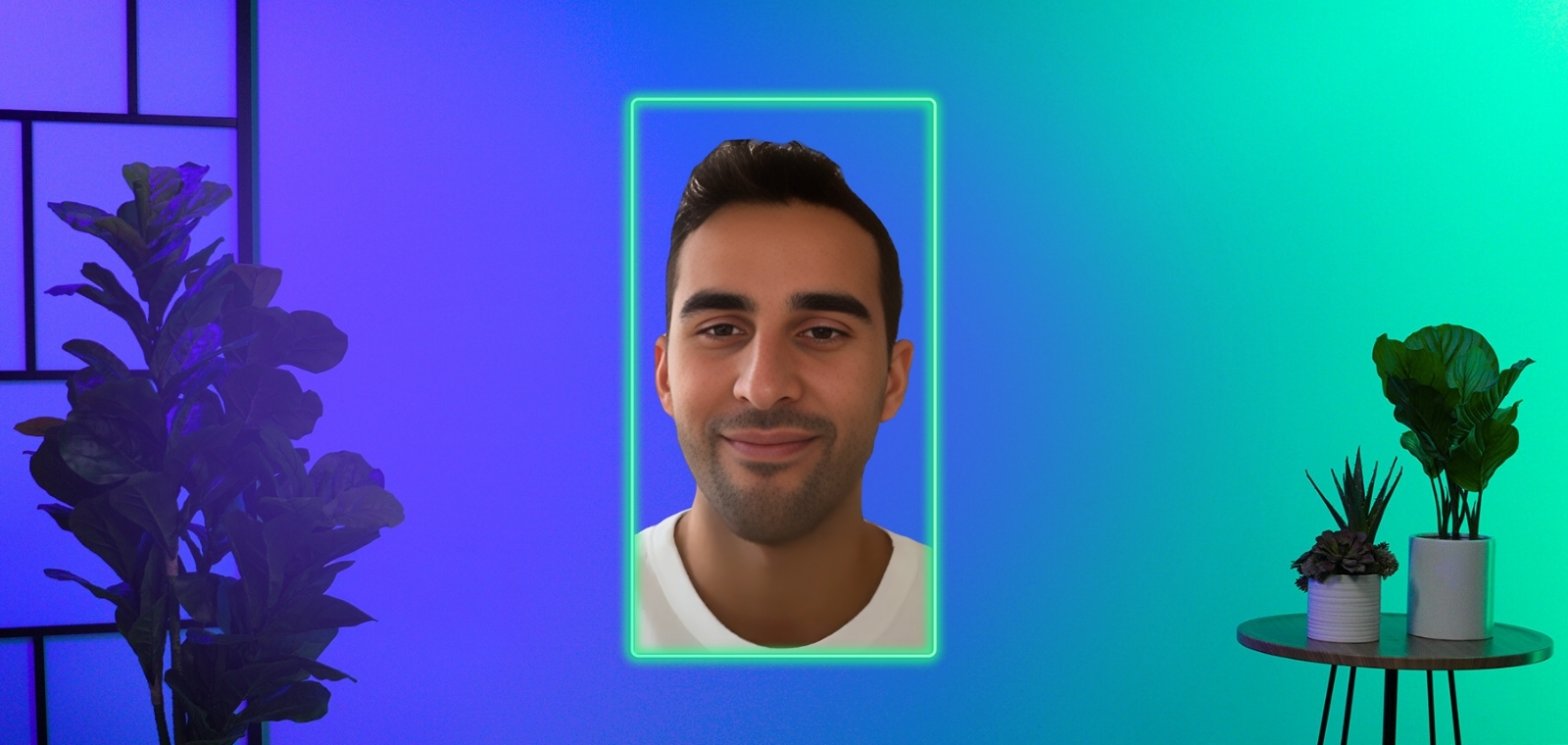
Ep. 135: Breaking Down Communication Barriers with @Ner_chat
In episode 135, Michelle welcomes Dylan Makani, co-founder and CEO of Ner Chat, to discuss how his company is revolutionizing augmentative and alternative communication (AAC). Inspired by a close friend who used an AAC device but struggled to stay in touch remotely, Dylan set out to bridge the gap in digital communication. He created tools that allow AAC users to connect seamlessly through mainstream messaging, moving beyond the limits of face-to-face interactions.
Dylan shares the journey of developing Leaf, an iOS keyboard that integrates AAC symbols directly into everyday apps like text messaging and email. The conversation also dives into Glint, a groundbreaking platform designed for speech-language pathologists and educators.
Glint allows professionals to create highly customized, interactive visual supports in seconds, complete with Google Image integration, voice output, and simple sharing via QR codes. By streamlining the creation of visual materials, Ner Chat is saving SLPs countless hours and empowering complex learners across all environments.
Subscribe to the Podcast!
Timestamps
00:00 – Introduction to Ner Chat and Guest Dylan Makani
02:24 – The Inspiring Story Behind Ner Chat
05:10 – Introducing Leaf: AAC in Everyday Messaging
08:22 – The Difference Between Ner Chat, Leaf, and Glint
09:03 – How Glint Simplifies Visual Support Creation
11:24 – Seamless Google Image Integration in Glint
13:08 – Sharing and Customizing Visual Boards with Audio
16:29 – Partnering with AMN Healthcare and Elevate
18:23 – Real-Life Success Stories with Glint
23:37 – Dylan's Message to Families and Professionals: You Are Not Alone
25:33 – Upcoming Demos and Conclusion
About Dylan
Dylan Makani is the Co-Founder of Ner Chat, the company behind Glint, an AI-powered platform transforming how educators and therapists create visual supports. He graduated from Vanderbilt University with dual majors in Neuroscience and Medicine, Health & Society, and is currently an M1 at The George Washington University School of Medicine & Health Sciences.Dylan’s background spans neuroscience research, private equity, and healthcare investing, combined with personal experience in autism and assistive technology through his work with Best Buddies. His mission is to make communication supports faster, easier, and universally accessible for educators, families, and the students who rely on them.
Follow Ner Chat
Website: www.nerchat.com
Instagram: https://www.instagram.com/ner.chat/
TikTok: https://www.tiktok.com/@ner_chat
YouTube: https://www.youtube.com/@Ner_chat
About Michelle
Michelle Gage, MA CCC-SLP, embarked on her journey in speech-language pathology during her undergraduate studies at the University of Mississippi, where she also worked at North Mississippi Regional Center, gaining invaluable experience in various therapy approaches. Following her Master's Degree in Speech-Language Pathology from the University of Central Florida, she has dedicated 25 years to empowering children and families in improving language skills and overall development. Currently residing in Mississippi, Michelle extends her expertise through telehealth services. Additionally, she proudly serves as the host of the SLP Full Disclosure podcast.
Outside of her professional commitments, Michelle is the proud mother of Mia, an accomplished middle school math teacher and all-around amazing human. In her leisure time, she indulges in her love for travel and cherishes moments spent with family and friends.
Transcript
00:00:00:02 - 00:00:24:03
Speaker 1
Hey y'all, it's Michelle with SLP. Full disclosure, we have a really exciting guest joining us today. And we're going to be talking about something that I think a lot of you guys have not heard about. It's called Nurture Chat. And you might be thinking what is Ner Chat? Well, Ner Chat is a groundbreaking AACE platform that is changing how people with communication differences communicate and connect with people in their everyday lives.
00:00:24:05 - 00:01:02:18
Speaker 1
Instead of being limited to standalone apps, Ner Chat integrates AAC directly into mainstream messaging, making conversations natural, inclusive and seamless. I came across Ner Chat with Am in health care because of our elevate platform, and it is integrated into our elevate platform and it is absolutely amazing. So joining me today is Dylan Makani. So Dylan is the founder and creator of Nurture Chat, and he's going to share his journey behind developing the app, creating this tool and why he came about doing this in the first place.
00:01:02:18 - 00:01:25:14
Speaker 1
And it is absolutely the most beautiful story. And you guys are definitely going to want to stay tuned and listen to this. So let me tell you guys a little bit about Dylan. Dylan is the co-founder and CEO of Ner Chat, creators of glint, a fast, easy to use platform that helps educators and specialists produce high quality visual supports in seconds.
00:01:25:19 - 00:01:48:02
Speaker 1
He is pursuing his MD at the George Washington University School of Medicine and Health Sciences at Vanderbilt Graduate in Neuroscience, and in medicine health. And so let me start over. All right. Dylan is the co-founder and CEO of Ner Chat, creators of glint, a fast and easy to use platform that helps educators and specialists produce high quality visual supports in seconds.
00:01:48:07 - 00:02:11:21
Speaker 1
He is pursuing his MD at the George Washington University School of Medicine and Health Sciences. A Vanderbilt graduate in neuroscience and in medicine. Dylan began in neuroscience research and later worked in finance with a focus on health care investing. Inspired by a close friends experience, he co-founded Nair Chat to develop deliver simple, scalable tools for providers and families.
00:02:12:00 - 00:02:23:18
Speaker 1
So, Dylan, before we get started, I want you to share the beautiful story that you shared with us in our intro call about what inspired you to create Nair Chat?
00:02:24:00 - 00:02:48:22
Speaker 2
Sure. And Michelle, thanks so much again for having me here. Super excited and big fan of the show. I, I really feel that everyone who gets into this space always has some sort of tie or connection. And mine really was just through very close friend of mine. So, as you know, I'm from New York. I went to school out in Vanderbilt, in Nashville and was very passionate about, you know, volunteering in a couple of, awesome programs.
00:02:48:22 - 00:03:22:22
Speaker 2
So one that I was particularly involved in was called, Best Buddies. And through this amazing program, I actually got to meet a very close friend of mine who happened to be in Arkansas. And at the time, I really did not really know much about AEC, but it was kind of a novel experience. We had developed such a close friendship, but one of the roadblocks that we experienced was that every time I would go back and forth between New York and Nashville between our semesters, we would lose touch because his device really restricted him to, you know, robust communication only when we were together in person.
00:03:23:03 - 00:03:49:21
Speaker 2
It was so much strain in our relationship, and I always wish that there was just an easier way that we could have done this. And that got us interested in this whole, you know, assistive technology space. I really wanted to learn about how are we creating technology to support, you know, our learners in the community. So I ended up volunteering in a couple of local schools and clinics trying to understand what is easy, what is assistive technology in general?
00:03:49:23 - 00:04:11:20
Speaker 2
And since then we kind of have just been building a variety of different products. Just for some context, some of the products we built have been, you know, arc focused, have been, you know, working on those gaps in which you see has some shortfalls. And we landed on a really burning problem recently, which has been the time to creation of personalized visual supports.
00:04:11:22 - 00:04:35:08
Speaker 2
So that's been the focus of our, work right now is just we found that so many, so many providers in the Care Circle network, are, you know, scrolling endlessly on teachers pay teachers or dragging symbols manually on different platforms to create visuals. And it just takes so long and it ends up being a really, really tough undertaking.
00:04:35:08 - 00:04:44:00
Speaker 2
So we wanted to simplify that. So the past couple months, our focus has been something new called glints, which we've been pushing pretty hard and seeing some amazing.
00:04:44:02 - 00:05:10:17
Speaker 1
So you decided to build this platform because you had a friend who is an augmentative communication user, and it limited your ability to communicate with him when you were not face to face. And when I learned about this app and learned about this platform, it had never dawned on me that augmentative communication users really are limited to communicating with others face to face.
00:05:10:22 - 00:05:26:01
Speaker 1
Unless you've got someone there that you can help them FaceTime and do all of those things, but in an app. So it's all it's in a messaging system, is that correct? So you can use it as a messaging system, like a text message or something like that. How does that work?
00:05:26:03 - 00:05:56:12
Speaker 2
Right. So when we think about this AAC platform, that was our original product called leaf. So leaf is all about how can we take AAC and put it in places where it doesn't exist already? The number one place was trying to fill in that gap of if I'm trying to text in a family, a group chat, if I'm trying to communicate in a in a digital space, and we are living in such an increasingly digital world, and because of that, many users who have no alternative sources of communication end up falling through the cracks.
00:05:56:12 - 00:06:19:09
Speaker 2
Because technology is not designed for that. To send a text message or to, to work, send an email, do a lot of these things that we, you know, regard as being easy for us may not be so easy. So what we did was we embedded a single based keyboard into iOS so that the same way you switch from one language to another, you can switch to this.
00:06:19:09 - 00:06:28:05
Speaker 1
It's called leaf. Correct. Now how how would you get that sense to leave? How would I get access to leaf? Or if someone out there listening wants it, how do you get it?
00:06:28:07 - 00:06:31:12
Speaker 2
Yeah. Leaf is an application on the App Store. Now you can just look up.
00:06:31:12 - 00:06:41:18
Speaker 1
So it's kind of like switching back and forth between that emoji keyboard and all of that. So instead of an emoji, you're inserting the the AC icons.
00:06:42:00 - 00:06:43:17
Speaker 2
Exactly with the speech. Apple.
00:06:43:18 - 00:06:46:12
Speaker 1
That is so amazing. How long did it take you guys to develop that?
00:06:46:14 - 00:06:57:02
Speaker 2
That was a pretty hard undertaking. It took us know about six months ish because you had to go through Apple and a lot of, you know, red tape to get even close to what we built.
00:06:57:02 - 00:07:11:06
Speaker 1
But now, do you and your friend use this leaf currently to communicate? Wow. Oh, yeah. It's easy. It was easy for him. So is it on his device? So it's a separate app on his device that then connects to a messaging service?
00:07:11:08 - 00:07:29:03
Speaker 2
Yeah, exactly. The thing that we see with GIF is all the different modalities that people are using it. Things that we didn't dream of when we initially created it. So, you know, we see people with leaf texting in the family group chat for their first time, writing an email or commenting on Instagram and doing things that generally they would not be able.
00:07:29:04 - 00:07:53:03
Speaker 1
Wow, that is amazing. So it just opened up a whole new world for our our AAC users and for friends and family who have someone who uses an augmentative communication device. That is amazing. Is it pretty easy to navigate now? Where are the symbols coming from? Are they symbols from like the language that we're familiar with in the speech language world, or where are the symbols coming from?
00:07:53:05 - 00:08:03:09
Speaker 2
Yeah, we use a set called symbols X. So this is like yeah, you know, gold standard sets that we see out there. So we we have their symbols that we license and you can customize everything.
00:08:03:09 - 00:08:22:04
Speaker 1
And so it's it's also customizable. That's the one thing that I love about what's in my elevate room I love it. All right. So we have Lisa which is an app that's going to allow communication device users to communicate with others. Now let's talk about in the chat and glance. Tell me the difference between their chat and glance.
00:08:22:04 - 00:08:23:09
Speaker 1
How do they go together.
00:08:23:13 - 00:08:32:13
Speaker 2
So this is a great question and one that has been a little confusing to some people, but the answer is this their chat is our company and glint is our name. Our main purpose.
00:08:32:14 - 00:08:38:09
Speaker 1
So Ner Chat is the overall arching company and glance is the product.
00:08:38:12 - 00:08:42:15
Speaker 2
Glint is when we talk about, the visual creation. Right.
00:08:42:18 - 00:08:50:07
Speaker 1
So yeah, in your words, when people ask you, hey, Dylan, what is their chat? What is your response to that?
00:08:50:09 - 00:08:59:11
Speaker 2
Yeah. So we should say now our chat is our company. You know, we developed different types of assistive technology tools such as glint and the. Okay. So that's kind.
00:08:59:11 - 00:09:03:06
Speaker 1
Of like all right. So let's talk about glint. Tell us what that is.
00:09:03:09 - 00:09:25:21
Speaker 2
So this is kind of, you know, the main focus of their chat for the past 3 or 4 months. It's very exciting. It's linking to that age old problem I told you before of making visuals. Right. So again, we found so many educators and providers just spending their Sundays like dragging symbols on board, maker scrolling. And the teachers pay teachers.
00:09:25:22 - 00:09:48:05
Speaker 2
Yeah, right. And it's often just hard to do that, you know, especially if you have a high caseload. You're working in a school district or some type of scenario where you can't a lot that much time, glance at its core is designed to really enhance speech and learning outcomes for complex learners. And we do that by making visual supports ridiculously easy for you.
00:09:48:07 - 00:10:03:07
Speaker 2
So all you have to do is select what type of, you know, creation you're trying to make with. Have a visual, whether it be like a simple grade to a social story, to a task analysis board, and many, many more, you type in your topic and it creates in a couple.
00:10:03:07 - 00:10:21:09
Speaker 1
So I know that when we did the training with Amnh, and I think you were, I think you did the training and we were all on a zoom call and they were showing us how it worked. And I think at one point during your presentation, while you were showing us that my mouth was dropped open, I was like, like it was so, so fast.
00:10:21:09 - 00:10:38:16
Speaker 1
You guys do not understand. You have got to go to their website. You have got to take a look at this product. It was amazing. And when I say seconds, when he said ridiculously fast, he was not exaggerating. It was so fast. I think you did one about going to a coffee shop, right?
00:10:38:18 - 00:10:39:07
Speaker 2
Yeah, yeah.
00:10:39:07 - 00:11:02:02
Speaker 1
That's good. And you literally just type in what you want. You choose how big you want the grid. Do you want, two by two. Do you want a three by three? Do you want, you know, whatever you want, however big you want, the grid. And then you type in what pictures you want and it automatically goes into all of the grid like it fills the grid.
00:11:02:08 - 00:11:24:14
Speaker 1
You don't have to. Like he said, click and drag. And every speech pathologist out there that's worked with an AC device knows exactly what you're talking about. It is just it is so tedious. It is so tireless. And then you can't find the the symbols that you're looking for. But one of my favorite things, and I want you to explain this because I don't have the technology background.
00:11:24:16 - 00:11:47:10
Speaker 1
You are integrated with Google. All right. Okay. So then Dylan shows us that, I mean, so the speech pathologist listening, you guys know you've got your symbols up there, but you might have some kids that do better with real images. So instead of the symbol for bathroom, they may need a picture of a real toilet or a symbol of apple juice.
00:11:47:10 - 00:12:00:10
Speaker 1
They might need a picture of the actual apple juice that they drink when they're at home or they're at school. So tell us what you guys did with Google. It was it blew my mind. This is the part in the in your presentation that my mouth dropped open.
00:12:00:15 - 00:12:21:12
Speaker 2
Yeah. So Michelle, we often saw that, you know, many therapists were just pulling from Google images to, you know, create materials for their, for their unique learners. And what we just did instead was said, hey, can we create a button, a one click integration that allows you to pull from this Google image repository and bring it into your, visual, right?
00:12:21:12 - 00:12:44:16
Speaker 1
And that he's right. It's one button. You literally click the button up at the top. This is change images. I what it says or yeah, it says change image. You click the button and Google pops up and you can type in whatever you want. And then you click it and it's there. There's no dragging, there's no searching, there's no switching back from page to page, going to Google, saving the image, copying the image, then the image being too large.
00:12:44:16 - 00:13:08:11
Speaker 1
Sometimes the image you choose is two are none of that guys, it is mind blowing how fast it is and I absolutely loved it. And as an am mental a therapist, having it integrated into my elevate room where I can just click a button and it comes up, it's amazing. Talk about this share feature. Explain that. I'm going to explain it from a speech pathologist, view.
00:13:08:11 - 00:13:30:13
Speaker 1
And I want you to explain the technology and how that works. So not only when I use Ner Chat in my room, when if I create a board, let's say we're, doing a bubbles. Let's we're requesting bubbles, we're requesting different activities. And I've got five symbols up there. And we've used that in our virtual speech session.
00:13:30:15 - 00:13:56:01
Speaker 1
Then what do we just let it go? That's kind of unique to that 30 minute session. Oh, no. No. The chat has allowed you to share that exact board with educators with the teachers, with the pair facilitators and with the parents. So then they have the exact same board that you worked on in your speech session. And when I share it, correct me if I'm wrong.
00:13:56:01 - 00:14:02:03
Speaker 1
Dylan. They don't have to have anything special on their phone to access it. So let's talk about that aspect of it.
00:14:02:07 - 00:14:22:10
Speaker 2
Yeah, that's exactly right, Michelle. So a couple things that make us very unique are number one, the speech output. So when you create materials generally they come out as what we call static. Right. They're just you know, they're just they're you can't really hear anything. But we try to take both three things the image, the text and the audio output.
00:14:22:12 - 00:14:51:16
Speaker 2
So when you click on the symbols, you get this audio right. And that's a really research backed way of improving speech and learning outcomes. So building on top of that we felt it's one thing for, you know, an educator or specialist to have that on their device or to be able to share it. But really what's important is that whatever visual you're creating, a social story, a task analysis session, a verb sheet, whatever you're working on needs to be done and shared in other sorts of scenarios, right?
00:14:51:18 - 00:15:27:05
Speaker 2
Our goal is, at the end of the day, to give our learners more autonomy and independence. And that includes allowing them to utilize their visuals in any scenario where it could come in handy. And with anyone in their care circle, you know, families at home, educators in the school, wherever it is. So we added a way, which you're talking about, where any client, you have a client account, you can share any visual via a link or a QR code and what that means is whoever is the recipient of that link or scans a QR code will be able to have access to that exact visual you created with the.
00:15:27:06 - 00:15:48:16
Speaker 1
And I forgot about the voice output piece. It's not just you're not just clicking on pictures. They're actually and you can change the voices, right? Yeah. I mean exactly. It's like having access to an arc device that you develop yourself in on your computer. Right. That's kind of what it's like. Like I can create anything I want. Social stories.
00:15:48:16 - 00:16:08:16
Speaker 1
Like he said, task analysis, daily schedules and boom, it's done in seconds. And I think that's another part that I loved about it, is that it was it was automatic, it was fast. So I was like, okay, we've got five schedule of five and you can change the layout, you know, how do you want it? I mean, it is absolutely amazing.
00:16:08:20 - 00:16:29:01
Speaker 1
It was and it was so easy to learn how to use. That was another thing that I loved about it. Typically you have to, you know, the settings and you go here and you go there and we hide and things are we doing this? You just create it and it's there. It was amazing. So we're talking about the Ner Chat being integrated into the elevate therapy room.
00:16:29:06 - 00:16:35:12
Speaker 1
And as an a mental a therapist. That's what I use every day. Tell me how your relationship with AMN came about.
00:16:35:14 - 00:16:57:19
Speaker 2
It's a great question actually. So it all came about because a referral I got to, Jen O'Keefe actually, who who really is one of the key drivers of the whole, you know, AMN SLP program. So something I really love about this space is that, you know, the educator and therapy space are very tight knit. So people are so willing to, you know, bounce you around and give you advice and give you ideas.
00:16:57:19 - 00:17:17:14
Speaker 2
So very early on, maybe about a year ago, I was able to meet with Jen and we were just brainstorming and spitballing. What would an ideal world look like for, you know, our users and folks who benefit from symbol based visuals? And we were like, wow, it would be so cool and impactful. You could have that on these 12 therapy platforms.
00:17:17:18 - 00:17:32:06
Speaker 2
And this wasn't something that was ever thought of or existed. So from then we just put the plans in motion. We ended up working very closely with some of the key companies like Amazon and Co View, and really went to work and eventually created this integration.
00:17:32:11 - 00:17:45:13
Speaker 1
And it is unbelievable. But you don't have to be an Am and tell a therapist to access this platform. Tell our listeners how they can go about getting access to this. Then all of the wonderful things that we've been talking about today.
00:17:45:15 - 00:18:07:08
Speaker 2
Yeah, Glenn, as a standalone website is just available. If you go to WW dot Ner Chat.com, you can just, go on there, log into client and create your account. And everyone has access to ten free visuals that they can make every month. So that in effect just allows you to see is this a good fit? Is this something that could help support, you know, my okay.
00:18:07:10 - 00:18:23:21
Speaker 1
And then leave. They go on just Apple App Store to get them. Yeah. Okay. Now let's talk about some success stories. I think we mentioned this a little bit in our intro call. So I want to hear about some success stories that you could share with us with our chat.
00:18:23:23 - 00:18:42:07
Speaker 2
Yeah. So really good question I there are always so many that's honestly the my favorite part about working in this space is what are the outcomes. So one of the best things about Glenn that we see is that visuals in the past used to be restricted to maybe a couple of people who are really good at using like one of those visual softwares.
00:18:42:07 - 00:19:06:09
Speaker 2
Right. Now anybody can be a client expert and a visual superhero, right? They can support a whole school just with, you know, their accounts. And one of the greatest things was a school out of Georgia. I was meeting with one, one SLP out there, and she told me, listen, I've been in this space for 40 years, and I've never seen a flier form that this she's ready to use.
00:19:06:11 - 00:19:36:13
Speaker 2
And the the thing that she mentioned that always stuck with me was like she had mentioned, I made more visuals in the past five days than I did in the past three years. And I think that just goes to show how impactful the ease of use can be and how that leads to a lot of these outcomes. And she she told me specifically, we use Clint because we want to challenge our learners to be their best selves, because the software is so good at meeting students and learners where they are today.
00:19:36:15 - 00:20:00:07
Speaker 2
That's the whole the whole benefit of it is being able to tailor right and it reminds you of one story that I also heard, which was about, you know, someone who is going to the doctor and they were very is a complex learner, and they were very, very afraid of getting a shot at a doctor. So that SLP, you know, a good friend of mine knew that he loved Mario.
00:20:00:07 - 00:20:28:07
Speaker 2
He loved watching Mario. So she went ahead and created him. This social story about, you know, Ben as a name was and Ben are Ben, you know, watching Mario on the way to the doctor to get his shot. And then a seconds had this whipped up and had sort of practicing that with him and sat at home with mom and mom, started using them in the car on the way to the doctor instead of throwing, you know, and getting very, very anxious and angry and really upset.
00:20:28:09 - 00:20:41:14
Speaker 2
He was actually listening to the story. He was processing it, and he ended up being super calm throughout it because the social story that was personal to him helped him realize what was going to happen. And that made him more comfortable with this. Right.
00:20:41:16 - 00:21:02:21
Speaker 1
And I think what I take away from that, a beautiful story is that that SLP was able to create that social story in minutes, like a handful of minutes, less than five minutes, maybe less than three minutes. And she was able to to share it with his mom. She was. And it was the exact same one that she was talking about in school.
00:21:03:02 - 00:21:21:07
Speaker 1
She was able to share it with his teacher. She was able to share it with everyone and everyone had the exact same one and it shared electronically. No more printing, no more using all that color ink, no more, you know, losing it because mom's always going to have her phone. The teachers are going to always have access to their computers.
00:21:21:13 - 00:21:43:16
Speaker 1
So but you can also print them out. But we I remember in your right, it's just the ease and just how rapid you can get these done. And the SLP that said she had created more visuals in five days than she had in the last, you know, 3 or 4 years because it is so easy to use and it is so fast.
00:21:43:18 - 00:22:02:14
Speaker 1
I love that it is amazing. How do you see Ner Chat in the future? Fitting into schools therapy sessions? Do you have more people that are more SLPs that are accessing it, or have you gotten more families or individuals with augmentative who are augmentative communication users?
00:22:02:16 - 00:22:26:17
Speaker 2
Yeah, that's a great question. Our primary focus with Clint these days is all about how can we be the best provider tool possible. So our main users are, you know, special educators and speech pathologist are two main, you know, parties who, are using us. And that's because they kind of have the background and experiences and they're already using other softwares to create visuals.
00:22:26:17 - 00:22:46:23
Speaker 2
So for them, it's allowing them to save time and spend time on things that matter more. What's coming is the future is we are just expanding the capabilities of what we're able to create. You know, right now we may have like 20 ish types of high yield speech pathology and special ed templates. You're always adding more, and that's our biggest growth area.
00:22:47:04 - 00:23:04:10
Speaker 2
The plan is really to start growing after we we do well with our special educators and our SLPs to trickle down and help support parents and families. We already have many users who are like that, but really just driving a greater focus on that area as well.
00:23:04:12 - 00:23:22:15
Speaker 1
It is. You guys have got to go check it out. We're going to have everything tagged and our, podcast so that you guys can access it. And reach out to the support. I know that I've had a little of a couple of issues here and there with mine, and you guys have been amazing. Just the customer support with us has just been incredible.
00:23:22:15 - 00:23:37:13
Speaker 1
And it is an amazing platform. Nair chat Glent leaf I can't wait to try the leaf app. I need to do that today. I have to try that out. Dylan, if you could share one message with families or professionals, what would that message be?
00:23:37:15 - 00:24:01:12
Speaker 2
Wow. That's deep, I think. I think the message to send would be you're not alone. Meaning often, you know, families or providers could feel pretty overburdened with some of the caseload or life. At times when you are working with someone who has, you know, is a complex learner and I think it can feel isolated, you can feel like you're just in this tiny black box alone.
00:24:01:14 - 00:24:24:17
Speaker 2
You may be feeling a burnout a little bit. You could just have so much on your plate. But just to know that you are not alone in this space, and there's so many amazing communities that you can be a part of, and amazing providers and individuals and technologies who are coming here just to work and build for you, to save you time and really enable your quality of life to be better and better.
00:24:24:17 - 00:24:29:01
Speaker 2
So just knowing that that is there for you, to you, I love it. Not alone.
00:24:29:02 - 00:24:48:21
Speaker 1
Because oftentimes when, especially when we're working with those complex learners, I know as a speech pathologist, we think there's so much more I could do. There's, you know, I've, I it took me 45 minutes or, you know, an hour to make this one page on their one AC device. But now the, the book of the week is over.
00:24:49:01 - 00:25:12:20
Speaker 1
And now I've got to go back in and I've got to create another page for that book of the week, because there's a new book of the week every week. Right. And it can, it can very quickly be overwhelming. So I love that you're not alone. And there are technology. There is technology out there like Ner Chat that is making this easier for SLPs and for families and for our complex learners.
00:25:12:23 - 00:25:33:07
Speaker 1
Dylan, thank you so much for joining us. And I think I want you to explain this a little bit. I think you and Katie, our producer, have been talking about doing some clips and some videos about because I know talking about this platform is and getting the word out there and letting people know that it's there and that they can access it on their computers from their phones, that's great.
00:25:33:09 - 00:25:51:07
Speaker 1
But what you guys need to see is how it works. And so, Dylan, you're going to work on creating some short video clips that we can post to our social medias, just to show people that are listening to this podcast. And I know you're probably trying to visualize it in your mind. That's what we all do. But tell us how you're going to do that and what you're going to do.
00:25:51:09 - 00:26:10:04
Speaker 2
Yeah, we're super excited. Usually the best thing is if we can get someone on a demo, we always say, we can make you an expert in Glent in ten minutes, and we're not lying. It's actually true if you schedule a demo with us. So I'm excited to just start making or this short form content to show, you know, people, how are we using Glenn today and how it can be applicable to you?
00:26:10:04 - 00:26:28:03
Speaker 1
So so you guys, it's going to be our social media platforms. Watch our TikTok sleep. Full disclosure on TikTok. Watch our page. Because I think that Dylan is going to be creating some really fun demos that we're going to be able to share for you guys, and when you see how fast it is, I promise you you're going to be like me, jaw on the floor.
00:26:28:09 - 00:26:44:11
Speaker 1
You're going to be amazed. It is an amazing platform. And, you guys need to go check it out. So Dylan, thank you so much for joining us today. And I just found out that you're going to be at Asher. I know this, this episode's going to come out after Asher, but I'm super excited to meet you in a few weeks.
00:26:44:11 - 00:27:01:11
Speaker 1
So thank you so much for joining us. We're going to have everything linked in our, podcast. And you guys watch our sleep. Full disclosure, TikTok, because Dylan is going to be sending us over some great demos for us to show you guys so you can see how amazing this platform is. So thank you guys for joining us.
00:27:01:11 - 00:27:26:10
Speaker 1
We've enjoyed it and we will talk to y'all soon. Thank you for tuning in to SLP. Full disclosure you can learn more about this episode and our show on our website at AMN. Health care.com. If you enjoyed this episode, share it with a friend and subscribe to our show on your favorite podcast platform. You can also find show updates and SLP opportunities on our Instagram at AMN ally.
00:27:26:12 - 00:27:30:22
Speaker 1
Special thanks to AMN healthcare for making this show possible. See y'all next time!


