

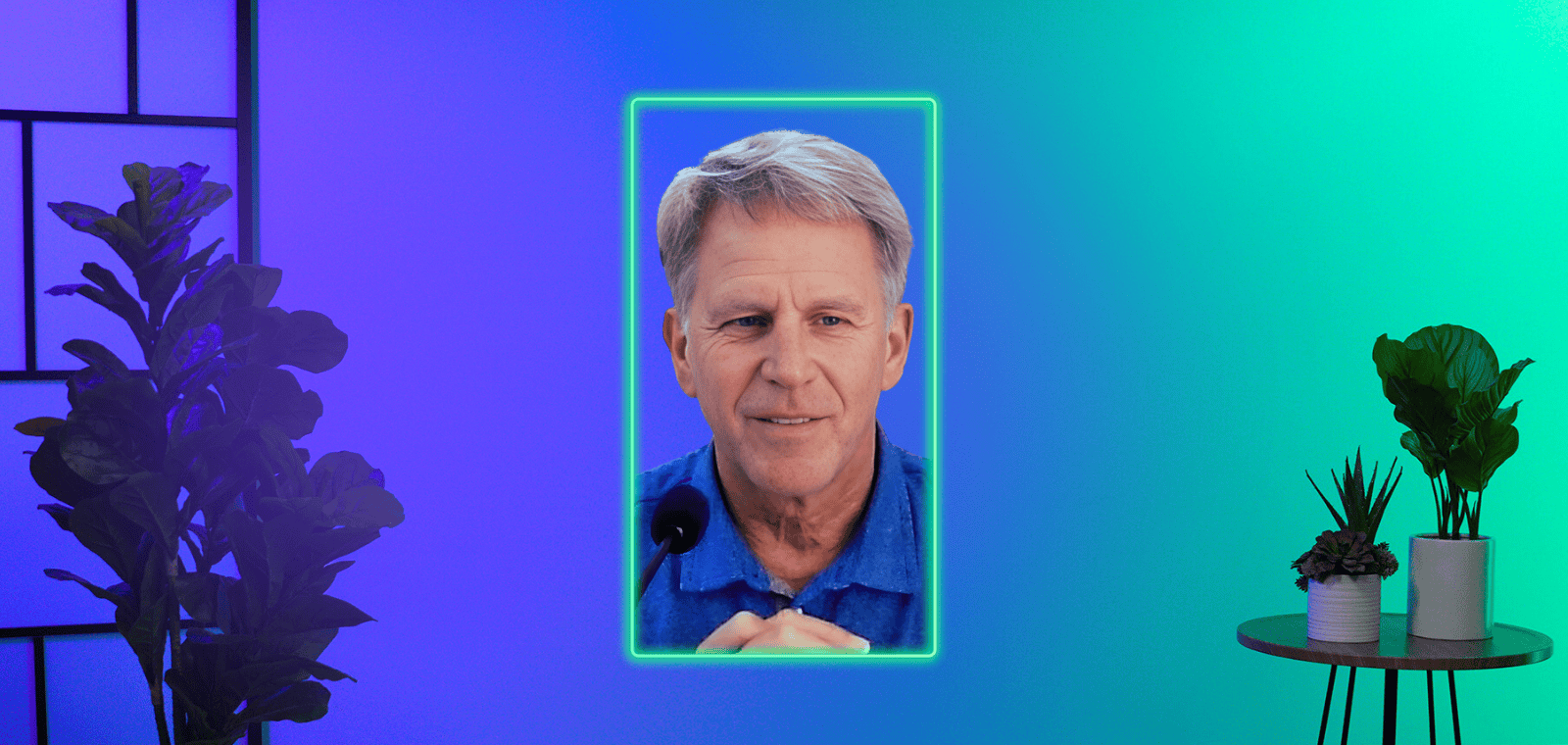
Ep. 132: Fluency, Anxiety, and Cognitive Behavioral Therapy with Tim Mackesey
In this episode, Michelle sits down with Tim Mackesey, a board-certified specialist in fluency disorders with over 33 years of experience. Tim brings a unique perspective to the conversation, as he is both a seasoned clinician and a person who stutters. Together, they explore the complexities of fluency disorders, moving beyond the mechanics of speech to address the deep emotional and psychological components of stuttering.
Resources Mentioned:
- Stuttering Foundation of America: Tim recommends their "Pioneer" videos as a foundational resource for SLPs.
- The Michael Palin Centre for Stammering (London): A great source for solution-focused therapy and counseling videos.
- Book: Mind Lines (for conversational reframing).
- Website: stutteringadvice.com (Tim's educational modules).
Subscribe to the Podcast!



Timestamps:
00:00 – Introduction to Tim McKenzie and Fluency Disorders
01:59 – The Role of an Expert Witness in Sudden Onset Stuttering Cases
03:30 – Tim’s Personal Journey: From "Stutterer" to Person Who Stutters
09:57 – The Anxiety of Stuttering in Professional Settings
11:42 – A Shift in Perspective: The Impact of Dean Williams
17:16 – Stuttering in High-Stakes Professions: Police, Pilots, and Medical Students
22:07 – Therapy Approaches: Direct Models for Preschoolers vs. CBT for Adults
26:22 – The Developmental Impact of Stuttering at Age Seven
30:15 – Timeline Therapy: Addressing Past Trauma and Reframing Memories
33:26 – Practical Techniques: Using Mind Lines and Conversational Reframing
37:00 – Essential Resources for SLPs: Where to Start with Fluency
About Tim
Tim shares his personal journey, from negative experiences with speech therapy in childhood to finding his own path to confidence. He discusses his fascinating work as an expert witness for cases involving sudden onset stuttering following brain injury and details how he integrates Cognitive Behavioral Therapy (CBT) into his practice to help clients manage social anxiety.
About Michelle
Michelle Gage, MA CCC-SLP, embarked on her journey in speech-language pathology during her undergraduate studies at the University of Mississippi, where she also worked at North Mississippi Regional Center, gaining invaluable experience in various therapy approaches. Following her Master's Degree in Speech-Language Pathology from the University of Central Florida, she has dedicated 25 years to empowering children and families in improving language skills and overall development. Currently residing in Mississippi, Michelle extends her expertise through telehealth services. Additionally, she proudly serves as the host of the SLP Full Disclosure podcast.
Outside of her professional commitments, Michelle is the proud mother of Mia, an accomplished middle school math teacher and all-around amazing human. In her leisure time, she indulges in her love for travel and cherishes moments spent with family and friends.
Transcript:
00:00:00:00 - 00:00:19:14
Speaker 1
It's Michelle with SLP Full disclosure and welcome to the podcast today. We have an amazing guest that once again I found on TikTok and reached out to him and was stalking his TikTok page. And that's how I met Tim McKenzie from the Atlanta, Georgia area. So Tim, thank you so much for joining us today. I'm super excited.
00:00:19:19 - 00:00:23:21
Speaker 2
Thank you so much for for for asking me to be your guest today.
00:00:24:02 - 00:00:51:07
Speaker 1
Yes. So I came across Tim's TikTok and he is a specialist in the area of fluency. One of those very specialized in niche areas of speech language pathology that, I don't personally have. I've been practicing for 25 years, but I don't have a lot of experience. So I'm really excited to pick your brain and learn some things today from you about the area fluency, because it's so much more when we talk about stuttering.
00:00:51:12 - 00:01:14:02
Speaker 1
It's so much more than what we hear in a person's voice and hear in their words. It's a lot about the connection. It's about, confidence in helping our clients build that confidence so that they're comfortable using their voices in this world. And I know that that can be a challenge, but today is all about fluency. So let me tell you guys a little bit about Tim before we get started.
00:01:14:04 - 00:01:38:20
Speaker 1
Tim is a speech language pathologist with a private practice dedicated to stuttering. He has 33 years of experience as an SLP and as a life member board certified specialist in fluency disorders. Tim had a stutter well into his 20s. He has taught graduate level fluency disorders courses at Georgia State University, and integrates four modalities of CBT into stuttering therapy.
00:01:38:22 - 00:01:58:20
Speaker 1
Tim has published several articles in peer reviewed professional journals and also serves as an expert witness in litigation. Welcome! I'm so excited. So something we didn't talk about that I didn't put on our outline, but I do want to ask about the expert witness in litigation. What is that like? That sounds very interesting.
00:01:59:00 - 00:02:32:07
Speaker 2
It is. I'm a minute case now. Usually it's adult. No history of stuttering. These are my cases. They've all been adults with a sudden onset of stuttering after brain injury. Oh, and one of the fascinating things about this. This particular man was 40 when he was injured. But. So he's never stuttered your whole life. And all of a sudden you're injured and you start stuttering and then you have the reality of stuttering.
00:02:32:09 - 00:03:00:22
Speaker 2
So you go out into public and you go up to to the pharmacy to fill your prescription or go out to eat. And you're now someone who stutters. And the reaction from the environment or from loved ones who are very concerned, maybe crying when they hear you talk, is it going to get better? And you quickly develop the kind of thoughts and feelings as though you've stuttered for 25 years?
00:03:01:00 - 00:03:30:16
Speaker 2
And that's something that's not understood. But it's more than just the injury to the brain has created Disfluencies which they can develop social anxiety similar to, to someone who stutters. So I have an expression the sudden stutter. There's a big difference between stutter and stutter. Were stutter were is someone whose identity they identify strongly. What. They're stuttering.
00:03:30:18 - 00:04:03:18
Speaker 2
I became a stutterer in second grade being teased and bullied. And it went on through all the way through grade school and college. I prefer to be called someone who stutters than a stutterer. Okay. That's the choice I get to make because it's me. But this phenomenon of brain injury resulting in stuttering and then all of the avoidance has been very rewarding to help these people with reducing their anxiety, fear and shame, as well as improving their speech.
00:04:03:20 - 00:04:09:10
Speaker 2
And then that takes me in the courtroom many times as a witness on their behalf.
00:04:09:12 - 00:04:34:00
Speaker 1
Wow, that is amazing. It's unbelievable that you were talking about. It's more it's about that confidence and that connection that we're making with our clients and how rewarding it is for you. And I think the field of speech pathology is in general, it is probably the most rewarding profession that you can have, because getting people and teaching people to use their voice and be able to communicate, it's just a beautiful thing.
00:04:34:02 - 00:04:40:09
Speaker 1
So you mentioned that you yourself were a stutterer, a person who stutters. Is that what you said?
00:04:40:11 - 00:05:01:13
Speaker 2
Well, I from some, from time to time still stutter. Okay. It's mild now, and I withhold the tasks of the courtroom. That's, by the way, the most difficult challenge I've had facing my own stuttering in the last 20 years has been the times when I appear in court.
00:05:01:15 - 00:05:04:02
Speaker 1
Right. It's a high tense situation anyway.
00:05:04:06 - 00:05:29:14
Speaker 2
There's a microphone like this. You're sworn in. I have to provide all of those words that I used to be afraid of my name or I've graduated my title. All that business. And then you're being drilled by lawyers. Right. And and and depositions tend to of course come before the courtroom appearance, deposition and are recorded and videoed.
00:05:29:16 - 00:05:55:07
Speaker 2
Both counsel are there. There's a court reporter. And I will tell you that in the last 20 years, nothing has been a greater test to my speech than depositions and court appearances. And I enjoy it. I've always. I had bad speech therapy starting in second grade and second, third, fourth, fifth, sixth grade. I went into a little speech room at school.
00:05:55:09 - 00:06:12:19
Speaker 2
As I got older, fifth and sixth grade, you become more aware of what's going on. And what I could surmise now is that the goals were written for me not to stutter. So I would go in the little speech room which was a closet for the janitor. I'm not getting more as a sink in the.
00:06:12:20 - 00:06:13:07
Speaker 1
Hallways.
00:06:13:07 - 00:06:16:12
Speaker 2
Room and a bucket and a little window. Amen.
00:06:16:13 - 00:06:18:19
Speaker 1
But you were lucky if you had a window.
00:06:18:21 - 00:06:23:10
Speaker 2
Yeah. So I would go in. I mean, a window into the hallway, not a window outside.
00:06:23:11 - 00:06:24:12
Speaker 1
Oh, yeah. For sure.
00:06:24:12 - 00:06:44:00
Speaker 2
So I would go in there and I think I would talk about photo cards. The girl is swimming or the boy is eating ice cream and I wouldn't stutter. And my last day of speech therapy was like this. I went in and I cut my my feelings very close to my chest. I went in one day and I said, and I have to talk tomorrow in class.
00:06:44:00 - 00:07:04:10
Speaker 2
I'm terrified. Now you're in sixth grade. You're like 11. And the person said, just say five words. Take a breath. Five words. Take a breath. You'll do great. You won't stutter at all. I went in to class, I started stuttering, and the same kid started laughing. And I quit speech therapy. And sixth period. I went over to my parents.
00:07:04:10 - 00:07:27:10
Speaker 2
They're like, we find somebody else outside of school to. No, no one can help me. I refused help the rest of middle school. Arthur, or high school and all through college. When I was a senior in college at Wisconsin Madison. This is emotional for me. I finally met someone. Her name was Florence Philly on faculty at Wisconsin Madison the clinic.
00:07:27:12 - 00:07:50:06
Speaker 2
It's the first person I ever met in my life who really understood stuttering could see into my stuttering soul. There were a lot of famous women on faculty at Wisconsin Madison at that time. The who, the who's who. Right? Right. Anyways, so I met with her and I met with some grad students, and I had a few appointments before I moved to Atlanta.
00:07:50:08 - 00:08:10:11
Speaker 2
I moved to Atlanta with a severe stutter. No job, no money, and became my own speech therapist. So that's my speech therapy background now. Again, when I say stutterer, I woke up in the morning. How much am I going to stutter? Who's going to find out who's going to make fun of me? What's going to happen? The giant in change.
00:08:10:11 - 00:08:31:02
Speaker 2
They call that right? Or you're fully absorbed in. When people think of me, they think of stuttering. I'm identified. So the stutter were right. Do I still stutter from time to time? Sure. Do I give? Do I give any meaning to it? No. Do I have any anxiety? No. Do I avoid? No. And like I said, court courtroom appearance.
00:08:31:04 - 00:08:56:19
Speaker 2
These kind of videos with no preparation. Podcasting. So, you know, I just, I'm always looking to take on new speaking tests for myself. It's like yourself. Well, for me. For me personally and my my goals for my speech are and were personal to me. What I want to accomplish is it was like playing chess. So here's an example.
00:08:56:21 - 00:09:24:00
Speaker 2
I go off for dinner with some people I don't know. You see, if the server came right to me, I could look up an order more easily than if that server is for chairs down and everyone's going to hear me order, right? Okay, now, if you don't stutter, that might not make any difference at all. But if you go back to when I was like 23, I would point to a menu to get the server to say it for me.
00:09:24:02 - 00:09:24:23
Speaker 1
00:09:25:01 - 00:09:38:06
Speaker 2
I had all kinds of trickery. There are adults right now who confide in me that they have an app on their phone to order, and, but when they go in, they'll show their phone to the person for the person to say their name.
00:09:38:08 - 00:09:39:06
Speaker 1
Right.
00:09:39:07 - 00:09:57:18
Speaker 2
That's a stutterer. So again, going into the field, it was very difficult to coming out of graduate school. Being a person who stutters, I immediately I had rigid beliefs. Now that I'm entering the field, I cannot stutter.
00:09:57:20 - 00:09:59:18
Speaker 1
So you put more pressure on yourself.
00:09:59:18 - 00:10:28:00
Speaker 2
52 weeks a year. 365 were the world's authorities on talking. Now I entered work in hospital. So I'm walking around with a white lab coat with my name to Mark as his speech pathology, and I projected my thoughts. This is the all the psychology I learned. I projected my thoughts on a doctor, nurse or whatever. You know, when you meet someone new at the hospital, where do you look?
00:10:28:02 - 00:11:00:08
Speaker 2
Their name. Tag name? I had a belief that as I'm stuttering and someone's looking at my nametag, that they're saying what? He can't hear any of the stuttering speech therapist. Those were my beliefs. And so my beliefs about stuttering created anxiety. So I come out of graduate school with a master's degree in speech path. I knew a lot about the brain, and I had been working on my speech, and I had an exacerbation or flare up of stuttering.
00:11:00:10 - 00:11:20:03
Speaker 2
There was about as severe as high school. And that's when I said I need to know psychology. So I was certified in multiple, multiple things first to help myself to eliminate my anxiety, and then to add that into how I deliver for people who had stutter.
00:11:20:05 - 00:11:23:04
Speaker 1
And that's why you use the cognitive behavioral therapy.
00:11:23:06 - 00:11:25:08
Speaker 2
It's the difference that makes the difference.
00:11:25:10 - 00:11:42:07
Speaker 1
Wow. How is your perspective on stuttering or fluency disorders? How has it changed over the course of your career? Because you're like me, you're seasoned. You got 33 years of experience. So from when you first started until now, 2025, how has that perspective changed?
00:11:42:09 - 00:12:16:02
Speaker 2
Mine has not a lot. I encourage all the young people go to the Stuttering Foundation of America. I'm gonna turn off my phone. Sorry. And the pioneers, I call them. This would be Dean Williams, Van Riper Berry guitar Ram, Hal Looper, Walt Manning. Everyone I named grew up stuttering. They all got their PhDs or faculties somewhere. Lectured, taught all of these people.
00:12:16:04 - 00:12:47:01
Speaker 2
And there are few more. They did want to improve the way they spoke fluency shaping, fluency modification, as well as the cognitive changes. Disclosing they stutter, being open about stuttering, advocating. So that model of the pioneers, right? The pioneers I met many of them. Some of them are still living. But Dean Williams rocked my world. He was one of the most amazing people in the world.
00:12:47:03 - 00:13:14:04
Speaker 2
So I'm at an event in Knoxville, Tennessee for the Stuttering Foundation of America, who I love that organization. It was the original nonprofit. So Dean Williams was there and very guitar, and Walt Manning and Hal Looper and Peter Ram making all these people who I just, you know, just hung the moon for me. So I walk in the lunchroom and they're all at this long table.
00:13:14:06 - 00:13:31:10
Speaker 2
And one of, I think Hal Luper, who was incredible, is like, is such, such a gentle and so endearing. He invited me to come and sit with him. And I'm sitting at the end of the table. I have no right to be there. And Dean Williams is to my right. He was the one that just watching his video content.
00:13:31:12 - 00:13:58:06
Speaker 2
You watch his video content. Watch how he connects and builds rapport with kids who stutter. It's uncanny. So I took this moment. I was nervous and stuttering a lot. I think I said, you know Doctor Williams well, what's the secret to stop stuttering? And everyone's looking because he was so sage to see. What's he going to say? All he said was, I would want to know what I do when I stutter.
00:13:58:08 - 00:14:18:02
Speaker 2
That's all he said. And everyone's like, they're biting their lip. It's like that classic Dean Williams, I guess. I was young, I felt cheated at first. I got in my car and drove back to Atlanta. I'm like, you know, I had this moment and all. He said is, I would want to know what I do when I stutter.
00:14:18:04 - 00:14:44:13
Speaker 2
And it literally became everything for me because you have to if you stutter, you have to look at before the stutter. Do I have anxiety? During the stutter do I have choices to modify. I do. And after the stutter. So if I had a moment of stuttering or avoidance I would go back and analyze what I was thinking or feeling that was associated with the moment.
00:14:44:13 - 00:14:58:18
Speaker 2
Stutter. Okay. So he dropped it on me in 1990, but it took a while for me to develop the skill set to fulfill. I'd want to know what I do when I stutter. Wow. Unbelievable.
00:14:58:19 - 00:14:59:23
Speaker 1
So profound.
00:15:00:01 - 00:15:25:11
Speaker 2
So the pioneers, I believe I haven't I haven't left the course I just wanted. I wanted to command stuttering more like them. Where I could tell people I stutter, which I didn't do for a long time. I can advocate for myself. Advertising. Stutter. And I wanted to dramatically change how I spoke. When I got to Wisconsin in age 20 or at age 23, I still have the report.
00:15:25:13 - 00:15:53:16
Speaker 2
My stuttering was 38% in conversation, 40% in reading. And so I had on the UN, the SSI and a version of it. That would be a very severe stutter. Right. The Z guys today, you know there are some groups that say that we are not supposed to touch the manner by which someone talks. One author even said it's a microphone aggression.
00:15:53:18 - 00:16:18:14
Speaker 2
If he helped Charlie say Charlie. Right. Just think about Charlie's day. Maybe he's in fourth grade. He stutters on his name. People say, oh, did you forget your name? He goes to summer camp. He's teased and bullied a soccer clinic. Who knows? Charlie, you spend a month in his life stuttering on his name. It can be humiliating. Right.
00:16:18:15 - 00:16:54:11
Speaker 2
Now I can help Charlie eliminate his anxiety, advocate for himself and say, Charlie. So I'm concerned when an SLP refuses to help the child who's stutter changed her name because they have what's called paradigm paralysis. I will not do it. On the other side, I was honored on a website where the practitioner said that he guarantees stutter free speech in, like, a month.
00:16:54:12 - 00:16:56:22
Speaker 2
That's ridiculous. There's no cure.
00:16:57:00 - 00:16:57:12
Speaker 1
Right?
00:16:57:15 - 00:17:22:18
Speaker 2
So there's too much black and white thinking. Either. Or there's too many. Like, there's like there's camps, right? Yeah. But there are people who stutter in the middle who have specific. I'm going to give you a few quick examples. A police officer here in Atlanta had gone through basic, but now he was in, field training, which he's in the squad car with his FTO next to him, about 12in from the shoulder.
00:17:22:19 - 00:17:50:04
Speaker 2
Lifetime trouble saying t words silent, blocking his f left. Feels like spit it out and back at at, at the police department. Officer officer. As he's silently blocking every vehicle can hear it too. So he was hearing flak from other officers. So he comes in my office and he has a desperate need to change how he speaks in a hurry or he's going to.
00:17:50:06 - 00:18:06:16
Speaker 2
He's going to be kept out about because of the severity of stutter and the time factor. Look at a license plate. T is tango. So he's is just this is example. You're you are in pursuit of a vehicle and you're calling in the tag, but you can't call in the tag.
00:18:06:18 - 00:18:07:23
Speaker 1
Because you can't say it.
00:18:08:00 - 00:18:25:10
Speaker 2
Reality for him. Another 1010 four is actually a thing. So if, if, if, if dispatch calls his vehicle and he's supposed to respond with ten four and nothing's coming out. So folks, it's a problem right.
00:18:25:12 - 00:18:27:18
Speaker 1
So really impacting his life.
00:18:27:19 - 00:18:28:03
Speaker 2
Yeah.
00:18:28:04 - 00:18:28:22
Speaker 1
His profession.
00:18:29:00 - 00:18:42:06
Speaker 2
Yeah. I have pilots right now I'm helping. They stutter on the tail number. And so when you're approaching the tower there's time constraints and communicating to get approval for landing.
00:18:42:07 - 00:18:42:20
Speaker 1
Certainly.
00:18:42:21 - 00:19:03:22
Speaker 2
Otherwise you're reprimanded. Maybe you have to do a lap of the airport and come back. But there's no. Now I know I'm talking about some kind of extreme situations. A little bit less extreme than you're about to kicked, get kicked out of, flight training or kicked off the police force. Our medical students right now have three medical students.
00:19:04:00 - 00:19:37:00
Speaker 2
When you get to medical school and this would have. This would have been a nightmare for me. You interview patients, fake patients. They bring in people who's lay in a hospital bed, and you're supposed to read their history. Some of it's real, some of it's fake. But that's what the professor who's an MD is grading you and all of your medical student peers, not only are listening to the fake patients, listening to right, and your peers are invited and encouraged to give you feedback.
00:19:37:06 - 00:20:00:02
Speaker 2
Right. Right now I have three medical students who were in a frost. And I get it because you walk up, first thing is like, hi, Mrs. Davis, my name is Tim McCarthy. I'm a medical student. Nice to meet you. I'd like to ask you some questions. Mind you, I'm being graded. Observed. So the cinema of the mind, I call it was stuttering.
00:20:00:04 - 00:20:28:18
Speaker 2
I approached the bad. I'm might. I might project thoughts on the patient. That they're going to judge him I stutter. The professor is judging and grading. There is a hard time limit to. Well most of my clients say it's four minutes. So you're being timed right. You're being graded and your peers. So you can you can project thoughts about stuttering in multiple directions.
00:20:28:19 - 00:20:54:23
Speaker 2
This is all of the important CBT part. If you have a young lawyer who says I'm comfortable with associates and paralegals, but if I have to go with a partner to deposition or court on behalf of the firm, or the partner is going to come with me on a client, on a client meeting, I project my thoughts.
00:20:54:23 - 00:21:25:13
Speaker 2
I worry that the partner will be concerned about my stuttering, and I won't be on partner track. Right. So the medical students, the young lawyer got into work learning how their thinking and feeling creates anxiety. But they also want to be able to ease their words out. To to introduce themselves. I've had young young young lawyers tell me they're when they stand up in the morning you know you introduce yourself, you name your firm and you introduce your client.
00:21:25:15 - 00:21:55:02
Speaker 2
Right. And they're afraid to stutter. So that lawyer wants to be able to modify his speech. Maybe his name is Kevin. He wants to form the heart. See? As he exhales, Kevin Smith with the firm of King and Spalding, which is a huge firm in Atlanta. I'm just making up the name. Right. And then so the the client, the person who stutters, you know, if you get to know them and ask them some questions.
00:21:55:04 - 00:22:01:01
Speaker 2
Help me with my speech and help me to all the get rid of Langsford.
00:22:01:03 - 00:22:07:03
Speaker 1
So does your practice primarily consist of adults right now or do you work with children as well? You work with you know.
00:22:07:03 - 00:22:14:02
Speaker 2
I it's a great day. I've got preschooler. Yes. Through corporate adult.
00:22:14:04 - 00:22:22:23
Speaker 1
Wow. How does that therapy differ when you're working with a preschooler versus the med student or the police officer or their lawyer?
00:22:23:02 - 00:22:23:21
Speaker 2
00:22:23:23 - 00:22:24:13
Speaker 1
Yeah.
00:22:24:15 - 00:22:32:15
Speaker 2
The preschooler. The parent is in the room. I teach parents how to help their own child.
00:22:32:17 - 00:22:33:11
Speaker 1
Right.
00:22:33:13 - 00:23:13:10
Speaker 2
So I'm doing diagnostics on the fly every appointment. I'm educating the parent parents of very dramatically the temperament of children, very dramatically. And so I'm doing all of that at once. Right. College student a medical student. A lot of CBT and speech. But what's fun is I as I get to change hats all day. Yeah I know that I could have a three year old and then a 26 year old, and then a four year old and a five year old that an 18 year old and a 50 year old is just starting with me and everything in between.
00:23:13:12 - 00:23:15:17
Speaker 2
Some virtual, some in person.
00:23:15:19 - 00:23:29:17
Speaker 1
Can you give us some quick techniques? For the speech pathologist that are listening, give us some quick techniques. Where would you start with a three year old? What are you focusing on in that therapy session? Because you're not doing CBT with the three year old?
00:23:29:19 - 00:23:58:01
Speaker 2
No, I do a direct model of therapy. So, I have found in my 33 years that young children stutter the most, pronouns and questions and names like mom, dad, miss Katie, the name, even the name of their pact. Okay. And it makes sense because the first word that comes out of your mouth every day for you is a question pronoun, or name.
00:23:58:03 - 00:24:23:17
Speaker 2
Right. And children who stutter have the most difficulty getting started. I've got a finger trap here I use quite a bit. So, like. What can I, can I? Or. So I look at the most common stuttered words and you do have to look at is it repeating blocking. Prolonging. Remember the speech cortex is here. It commands your articulators.
00:24:23:18 - 00:24:53:06
Speaker 2
So some of the activities I do change the patterns of stuttering. So the questions pronouns that are so chronic and severe as you can continue to practice those words, little children and the speech systems like putty. It's very pliable. And you have to increase time pressure and excitement methodically because they get excited. Yeah. It's really fun because parents become great diagnostician.
00:24:53:08 - 00:25:28:15
Speaker 2
That's a they word diagnostician. Typical excitement drama increases stuttering temperaments. Important because when we interrupt, negotiate, test authority and seek things immediately, the urgency and emotion in the soma rises up and the stuttering is more severe. So if I just looked, you know, I've got so many little children who improve sometimes siblings. My record now I have a family five out of five children stutter.
00:25:28:17 - 00:25:53:05
Speaker 2
Wow. And my colleague and I, four of the children, seem to be stable. And one of them close. They're doing great. I'm not saying I cure stuttering. I'm not saying I offer a guarantee, but a direct model is just that. I would not leave it at for example, a little girl whose head is going up and down who's sensitive.
00:25:53:05 - 00:26:22:12
Speaker 2
So now she's whispering. She's changing words. She's emotional about this thing called stuttering, even though she doesn't know what it does. I wouldn't leave it at. She's just neurodiverse. And this is she's going to have this for life, because I've just seen so many examples of making that speech smoother and easier and a relief for that. Right. Because there's a lot on the horizon.
00:26:22:12 - 00:26:50:04
Speaker 2
Remember, our industry always talks about age 7878787. It's not resolved by seven people tend not to dig in. What's special about age seven? Well what happens? Everyone look up Piaget's pre operational stage from age 2 to 6 as you're getting up to age five and six. Several things happen. You begin to compare yourself to other. I'm the slowest running.
00:26:50:06 - 00:27:20:08
Speaker 2
I wear glasses date. Don't I have freckles? Date. Don't write. I wasn't invited to the birthday party. It seems like everyone was. I stutter, they don't. So early projecting and comparing self to other is starting. When is that? Kindergarten. First. Second then. So as the cognitive stuff starts developing that identity of a stutter or starts developing social anxiety.
00:27:20:10 - 00:27:44:22
Speaker 2
The DSM five, when you look up stuttering, social anxiety is part of the description of stuttering, right? So there is a time window here I disagree with. Like if it's not this, not by seven, because I mean I was severe at 24. I'm doing okay right now. So I'm ever the optimist yet again. There's no cure for stuttering, right?
00:27:45:00 - 00:28:10:23
Speaker 1
Wow. It this the field of speech pathology. And see, I just stumbled across my words there and I think that and I'm not a stutterer. Yeah I don't have a fluency disorder. But that just shows that everyone at some point in their life. Yeah. Has that those moments where they can't get their words out. Right. Because the reason and so there was no anxiety there.
00:28:10:23 - 00:28:37:14
Speaker 1
But if I, if I really analyze what just happened. Yeah, I've learned so much and we've, we've talked about so many things that are so in depth that I couldn't really find the words that I wanted to say. But that didn't make me anxious or nervous or upset. But I don't have that history. And so it would be different, at hearing, you know, now that you, you said the word some of your clients are stable.
00:28:37:16 - 00:28:51:01
Speaker 1
So when you have those moments of dis fluency now as an adult, do they do you have that same thought process that you used to have that same self projection. This is what they're thinking. Yes.
00:28:51:03 - 00:28:58:07
Speaker 2
For me, a worst case scenario stutter now would be something like, Atlanta.
00:28:58:09 - 00:28:59:01
Speaker 1
Yeah.
00:28:59:03 - 00:29:04:15
Speaker 2
I zero projecting. I don't care what people think.
00:29:04:17 - 00:29:09:08
Speaker 1
I think that comes with our age too. I'm at the age where I don't care what people think.
00:29:09:09 - 00:29:37:23
Speaker 2
That helps. That helps. Now I worked very hard using CBT to do what I call my antivirus scan. Go up there and find all my negative thoughts and feelings about stuttering that led to my anxiety and avoidance in college. My transcript. If you looked at my transcript, there's some D's for drop. Every one of those was specifically to not stutter.
00:29:38:01 - 00:29:52:06
Speaker 2
I found out that I'd have to stand in front of a room or do speeches. The problem is, you're 2 to 3 weeks into a semester. That's 15 weeks at Wisconsin Madison, which has a great school. Very difficult. I just dropped.
00:29:52:08 - 00:29:55:15
Speaker 1
Right. Okay. You just avoided it. I'm just not going to do that.
00:29:55:17 - 00:30:15:06
Speaker 2
It took me five years. Not for. So stuttering was expensive for me. I dropped. No one told me to drop. All my decisions were my decisions to try not to talk. Something that's exciting is what I called was. I don't call it, but I'm trained in timeline therapy now. Okay.
00:30:15:08 - 00:30:16:17
Speaker 1
What is time line therapy?
00:30:16:21 - 00:30:39:15
Speaker 2
You start stuttering. Obviously. T is usually between H two and a half and five, but when you start having timeline moments. Second grade, I'm reading in a play. I stutter and kids laugh at me. Kids are asking me, why do you talk that way? I started having traumatic moments of stuttering. I start developing beliefs because I stutter.
00:30:39:15 - 00:31:09:11
Speaker 2
People think I'm weird or odd. So you start projecting. You're identifying. You're like a stutterer now. No, I know where you're really obsessed on your stuttering. So fast forward, I meet you, your medical student, and you're freaking out. I felt so many. And 20, 25 anxiety goes way back to when you were young. There's an article on my website comparing post-traumatic stress disorder to stuttering.
00:31:09:11 - 00:31:39:18
Speaker 2
I did an author is fantastic. So we have these moments of stuttering that we remember, and we've personalize with shame and embarrassment. And now it's 2025 and I have to interview this patient. My unconscious mind has opened up these memories like an encrypted channel on the internet. So you can have an encrypted channel. I have all these stutter movies I call them memories and the unconscious mind can open them.
00:31:39:20 - 00:32:05:12
Speaker 2
Here's my anxiety now. So timeline therapy, you can go back and look at these moments twice removed. What was I thinking? What was I feeling at summer camp when I was ten and I was bullied for two weeks? I still think about it. And you have to know what you're doing with this kind of therapy. But you can look at these old memories, find out all of the thoughts and feelings about stuttering, and you can edit them, delete them.
00:32:05:17 - 00:32:27:20
Speaker 2
It's really exciting because the cumulative, effect is amazing. Wow. Here's another example in the day of someone who stutters. So a lot of people stutter, afraid of drive thru windows, like pulling up if they have a tablet or speaking the speaker. It's class, right? So I'm driving down the road, I have some friends in the car and one of them goes, bro, I'm starving.
00:32:27:20 - 00:32:50:11
Speaker 2
Pull in here. I'm going to have to order for everyone. So soon as they say it, I freak out. I start projecting. Remember? I'm wondering what they'll think as I stutter in the fishbowl of my car. And then there's the speaker box at the person with the tablet. So again, the how did my body freak out when the guy goes, bro, I'm starving.
00:32:50:11 - 00:32:57:00
Speaker 2
Poland is within one second my unconscious mind populated or opened. All these.
00:32:57:00 - 00:32:57:13
Speaker 1
Morphemes.
00:32:57:16 - 00:33:10:07
Speaker 2
Flutter. This can happen the first day of class. We're going to do something fun or we're going to go around the room and introduce ourselves and tell us two things. If you're a person disorders that can be a freak out moment.
00:33:10:12 - 00:33:25:23
Speaker 1
I'm not a person who centers and that still freaks me out. I don't like doing that. So what point, Tim, can you do? You start the cognitive behavioral therapy. At what age is there a certain age that you're like, okay, you're this old. Let's start with some CBT.
00:33:26:01 - 00:33:55:20
Speaker 2
Okay. So I invite everyone to pick up a book called Mind Lines, a mind like mind Lines. And it's it teaches you how to do what's called conversational. Re reframing. Reframing. It's like it's pretty dance. It's a deep read. But here's something that I can do with just a third grader. A third grader tells me that at lunch they stuttered and three kids just blew up laughing.
00:33:55:20 - 00:34:18:05
Speaker 2
And then this third grader is traumatized, of course. So they come in my office, I take a carpet swatch, put it on the floor, and the third grader sees the event like a movie, you know? What were you thinking or feeling? Did you say anything back? You know, did you advocate? That's a fancy word. But for us, I want to find out.
00:34:18:10 - 00:34:42:13
Speaker 2
Did they say anything or did they just just endure it? Right, right. So I find out the thinking and feeling about it. All of the details. Then I have them step on the carpet swatch and change what they would have done. Maybe. Hey, I stutter, so what? Which is my favorite comeback? I stutter, so what? Right, I'll push back and then they end up stepping out of the movie.
00:34:42:14 - 00:35:16:11
Speaker 2
I call it a movie. Kids can really relate to movie content. And then they get to either burn the movie or spray water at the movie. Imagine. Or they step back on the carpet and kick it. So they're letting go the emotion from that memory from that moment. Again you have to know what you're doing. Because if you're associate someone into trauma beyond any kind of trauma and you don't know what you're doing, you can make that memory actually gain power if you're a novice.
00:35:16:13 - 00:35:40:07
Speaker 2
Okay. But the ability to relieve emotions and trauma, you know, we always talk. We always talk about stuttering is not caused by trauma, but trauma has a huge role in stutter rendering, right? Moments of tears and bullying and snarky comments are traumatic and they create anxiety.
00:35:40:09 - 00:35:42:07
Speaker 1
And they stay with you for a long time.
00:35:42:09 - 00:36:08:21
Speaker 2
Right? So that's traumas role in stuttering. It helps remember social anxiety the DSM five. You ask and you go in to read it for stuttering. What's everyone talking about. I'm angry because I can't say my name. I'm having trouble dating because of my stuttering. I want to apply for jobs where I'm afraid to stutter. It's all about a lot of.
00:36:08:21 - 00:36:15:08
Speaker 2
It's about the emotional impact, the anxiety, social anxiety related to the stuttering, right?
00:36:15:10 - 00:36:42:02
Speaker 1
Wow. Tell me. It has been amazing talking to you today. One question that I always ask my guests, I would like for you to send over the books that you recommend the website. All of that information because this podcast is really designed for obviously speech pathologist. But for those like myself with 25 years of, you know, working in this field, I don't I'm not a I'm not a specialist in fluency.
00:36:42:02 - 00:37:00:12
Speaker 1
So I always ask my guests, what is one piece of advice that you would give SLPs that are maybe new to the field? Maybe they're seasoned, they've been practicing a long time. They haven't had that fluency student in quite some time. Where do they start with therapy? And what recommendations do you have for them?
00:37:00:14 - 00:37:08:14
Speaker 2
The Stuttering Foundation of America, the Pioneer videos I would watch. So a lot of those.
00:37:08:16 - 00:37:09:11
Speaker 1
Okay.
00:37:09:13 - 00:37:39:00
Speaker 2
And the Palin Center out of London, they have this this the solution focused re therapy. Then there's counseling videos on them. I would begin there with their content and they can earn C use. Because they would see a ton of examples of holistic therapy where speech pathology meets disclosure acceptance. I would begin with that as a foundation.
00:37:39:02 - 00:38:08:00
Speaker 1
Awesome. I love that. We're going to get all of the websites linked. The book that you were talking about, mind lines. Is that what you call. Yeah. Yeah I'm going to definitely get that book. I'm always looking, especially in this very specialized area of speech pathology. I just feel like I don't have the knowledge. And now, after talking to you and realizing the, you know, just how in-depth it goes with the behavioral therapy, the cognitive, the anxiety, I know now, I really don't know what I'm doing so.
00:38:08:00 - 00:38:21:16
Speaker 2
Much too much. All therapy was about like, my name is Tam and counting the stuttered syllables. May I may I plug my new site?
00:38:21:18 - 00:38:23:16
Speaker 1
Absolutely. Please do. Well, definitely.
00:38:23:16 - 00:38:31:07
Speaker 2
Hearing advice.com stuttering advice.com. You can watch seven modules. That's my newest website.
00:38:31:09 - 00:38:45:03
Speaker 1
Okay. Awesome. I love it. We're going to definitely check that out. And we'll have it linked in the podcast and in the show notes so that everyone can reach out to you with questions. Tim, thank you so much for joining us today. It was amazing. The next time I'm in Atlanta, I'll have to give you a call.
00:38:45:05 - 00:38:51:08
Speaker 2
Please do that. And thank you for making people who stutter important with your podcast.
00:38:51:10 - 00:39:14:02
Speaker 1
Absolutely. It has been great. Thank you guys so much for joining us today, and we will talk to you all soon. Thank you for tuning in to SLP. Full disclosure. You can learn more about this episode and our show on our website at AMN. Health care.com. If you enjoyed this episode, share it with a friend and subscribe to our show on your favorite podcast platform.
00:39:14:04 - 00:39:24:15
Speaker 1
You can also find show updates and sleep opportunities on our Instagram at AMD ally. Special thanks to AMN healthcare for making this show possible. See y'all next time!


