

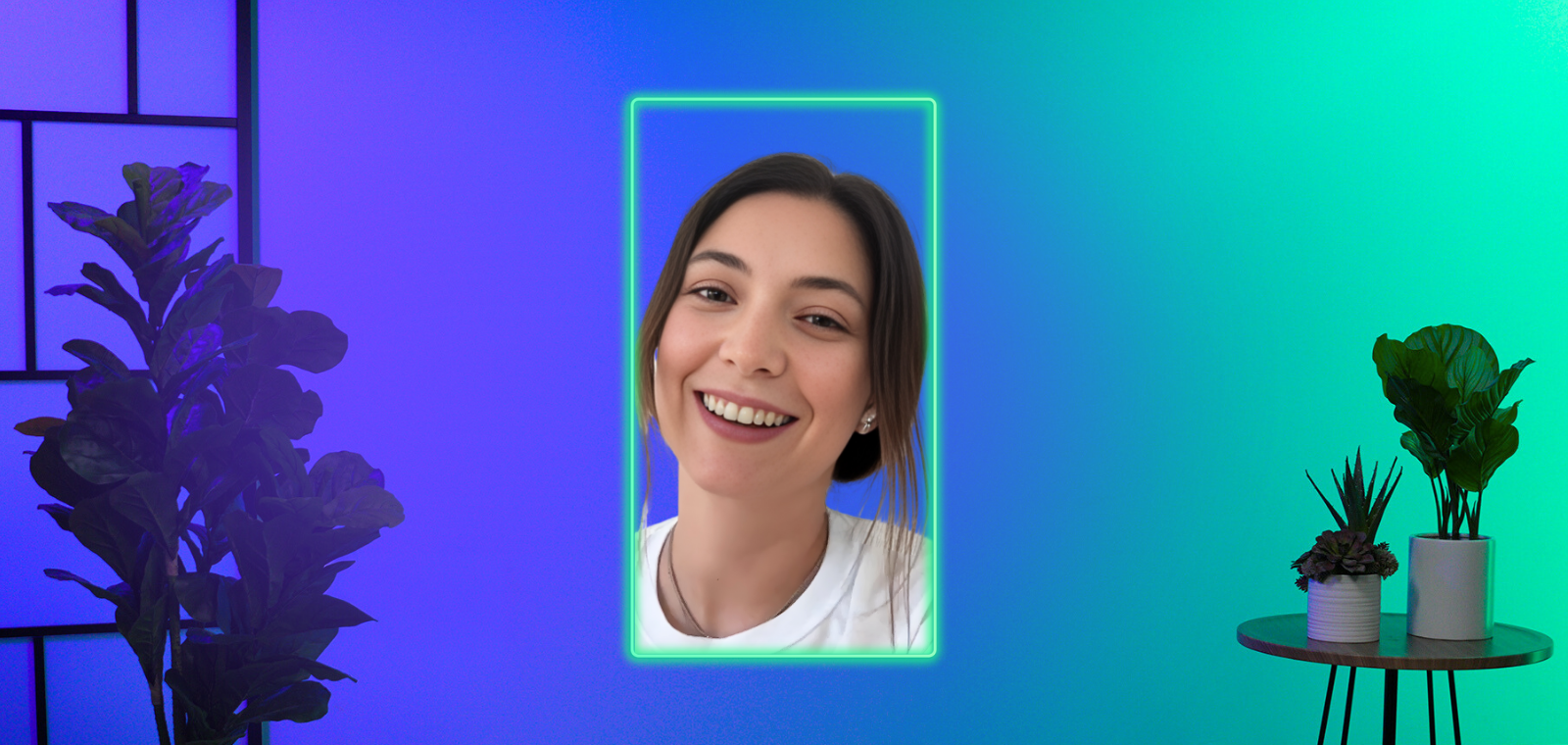
Ep. 129: A Global Perspective on Cleft Palate Care with Regina Ramone
In this episode, we're joined by Regina Ramone, a Speech Language Pathologist who brings a unique perspective from her work in Cabo San Lucas, Mexico. Regina shares her journey from Texas to directing a clinic in Mexico, focusing on the critical care for children with cleft lip and palate.
She discusses the significant differences in speech pathology services, early intervention, and family support between the U.S. and Mexico. This conversation highlights the challenges and rewards of providing multidisciplinary care in an area where speech therapy is still an emerging profession and resources can be scarce.
Subscribe to the Podcast!



Timestamps:
00:00 - A Look at Speech Pathology in Mexico
03:30 - Regina's Journey to Cleft Palate Specialization
04:54 - Structural vs. Functional Therapy
06:26 - The Process and Timing of Surgical Intervention
09:23 - Gaps in Family Support and Follow-Up Care
10:51 - Building a Multidisciplinary Care Team
12:39 - The Biggest Misconception About Cleft Palate Care
21:13 - Serving the Community in Southern Baja California
23:43 - A New Profession in Mexico
36:30 - Recommended Resources for SLPs
About Regina
Regina Ramone is a speech language pathologist who grew up in Del Rio, Texas. She earned her undergraduate and graduate degrees at the University of Texas at Austin with a focus on serving bilingual populations. With a background in early childhood intervention and medical settings, Regina is now the director of Communicable in Los Cabos, Mexico. She collaborates with local foundations to provide essential care for children with cleft lip and palate.
About Michelle
Michelle Gage, MA CCC-SLP, embarked on her journey in speech-language pathology during her undergraduate studies at the University of Mississippi, where she also worked at North Mississippi Regional Center, gaining invaluable experience in various therapy approaches. Following her Master's Degree in Speech-Language Pathology from the University of Central Florida, she has dedicated 25 years to empowering children and families in improving language skills and overall development. Currently residing in Mississippi, Michelle extends her expertise through telehealth services. Additionally, she proudly serves as the host of the SLP Full Disclosure podcast.
Outside of her professional commitments, Michelle is the proud mother of Mia, an accomplished middle school math teacher and all-around amazing human. In her leisure time, she indulges in her love for travel and cherishes moments spent with family and friends.
Transcript:
00:00:00.040 — 00:00:16.880 · Speaker 1
Hey y'all, it's Michelle with SLP. Full disclosure and welcome to the podcast. Today we have a really exciting show. We are joined by a I'm going to call her my friend. We've met once, Regina Ramone from Cabo San Lucas, Mexico. Regina, thank you so much for joining us today. Oh, thank you.
00:00:16.880 — 00:00:18.160 · Speaker 2
So much for having me.
00:00:18.360 — 00:01:47.830 · Speaker 1
Yes, we're going to be talking about a couple of different things. So I vacation in Cabo every summer. I love it, and I don't even know what made me start searching for speech pathologists in Cabo last year before we went. But I started searching and came across some information about, you know, their training and how services are provided.
I couldn't really find anything about school, speech, language, pathology. So I just reached out to Regina and she very kindly responded to my email, and we ended up meeting and having lunch while my daughter and I were there, and it was wonderful to talk to her. Um, Regina is a speech language pathologist and she specializes in cleft lip and cleft palate right now.
And we're also going to be talking about that in just the specific therapy techniques, because it is a little different than your traditional articulation therapy. But we're also going to be talking about how services are provided in other countries, because I was under the misapprehension that because I live in the United States and I have my master's degree and I'm trained and Asha certified, I have my sees the continuing education and that children here have access to services starting at birth with early intervention, that that was this case everywhere.
And unfortunately it is not. So Regina is going to give us some insight on how the services are different in other countries, specifically in the area where she lives in Cabo San Lucas. So, Regina, I'm so excited to have you here. We've been trying to get this schedule for quite some time.
00:01:47.870 — 00:01:48.550 · Speaker 3
I know.
00:01:49.030 — 00:03:30.330 · Speaker 1
I know, all right. So let me tell you guys a little bit about Regina. She has an amazing, amazing bio here. She is a speech language pathologist who grew up in a border town in Del Rio, Texas, where two cultures shaped her love for language and communication. She earned both her undergraduate and graduate degrees at the University of Texas at Austin, where her master's studies focused on serving bilingual populations.
After graduation, she began her career in early childhood intervention, supporting children and their families during the most critical stages of development. Later, she transitioned into a medical setting, working in a nursing home and rehabilitation center, where she gained experience in the medical aspects of speech therapy.
During that time, she continued to supervise a speech language pathology assistant at Early Childhood Intervention, combining clinical and educational perspectives in her work. A few years ago, her family moved to Los Cabos, Mexico, where her husband, a dentist, opened a dental clinic. Soon after, they were approached by two local foundations, Communicable and Los Cabos Children's Foundation, to collaborate in providing care for children with cleft lip and palate.
Palette. Through that collaboration, she discovered the speech therapy side of the program and was invited to become the director of Communicable Diseases, a role she's proudly held for the past six months. Wow. I'm so excited to have you here and pick your brain. The first thing I want to talk about is, um, you've got such a diverse background and you've got so much experience in different settings.
Um, I too love early intervention. That birth to three population is just my heart. But did you go into your current job with communicable having that specialized training in cleft lip and cleft palate?
00:03:30.610 — 00:03:56.839 · Speaker 2
No, I actually really had no experience with cleft lip and palate. And I mean, I remember, I think from my master's program and doing different rotations in hospitals or something, you know, in different, uh, clinics, seeing a little bit about cleft palate. But I never specialized in it. I really didn't know too much about it.
I knew the overall just kind of like the general
00:03:57.840 — 00:04:15.160 · Speaker 2
what you would typically see in kids with cleft lip and palate, just because of my educational background. But I really didn't have any clinical experience whatsoever. So that was really interesting when I started this job, because it was a whole different side of speech therapy that I really hadn't explored.
00:04:15.280 — 00:04:53.880 · Speaker 1
Right. And that's just another great example of how the field of speech pathology is so diverse. Um, we had a guest on, um, earlier today that we recorded talking about fluency, and that is just a it's a very small niche of what we do. And I think the cleft lip and cleft palate is the same thing. It's an area of specialty.
And obviously those therapy techniques and how you approach it are very different than the traditional articulations unit. So let's talk about that. Um, how does that therapy differ with cleft lip and cleft palate as compared to just traditional. Let's work on an R and L or an S. Us.
00:04:54.240 — 00:06:06.830 · Speaker 2
Yeah. So just with traditional articulation, we it's more functional that, you know, with these errors that we're seeing, it's, it's due to like function and how they're not maybe doing the correct placement of articulation. But it doesn't mean that they can't do it with cleft lip and palate. It's more structural.
So right, there's something going on, you know, with their anatomical structure that's not allowing them to to produce certain sounds. Um, so we do see a lot of compensatory errors because of this, because they really physically cannot produce these sounds. So, um, it's a lot of therapy, and it's even before they have any of the surgeries, you know, you start working on placement of articulation, even begin before they, they have the surgeries in order to start, you know, to get them kind of thinking about that.
How should I be producing this sound? What is the typical production of this sound, whereas the placement of articulation. So we work a lot on on this with these kids. And then once their surgery is completed, then they have the placement of articulation. So it's just kind of an easier transition for them to be able to produce these sounds.
00:06:06.990 — 00:06:26.470 · Speaker 1
Right. So at what point are you getting them to work with them. So you you said you start with some of those articulation placement strategies before the surgery at what is the kind of what's the process. So a child is born with cleft lip and cleft palate. And when do they have their first surgery? And how many surgeries are you looking at after that?
00:06:26.510 — 00:08:28.970 · Speaker 2
Yeah. So the first surgery is always the lip and that usually happens. So something that I want to to also say is I work with the foundation here. So I work with them. So we don't typically see these ideal situations. So ideally you know when the child is around three months of age we have the first surgery the lip surgery.
But in order to have that surgery, they need to. It's like the rule of ten is what they call it. So they at least have to be the ten weeks old 10 pounds and the and the ten of hemoglobin. And this is all for the baby has to be healthy enough to be able to have the surgery. And also for them to be able to be able to recuperate from the surgery properly.
And the healing process has to be, you know, there's a whole so so the child has to be healthy enough. And sometimes we don't see that here. And that's and it's tough. And then the second surgery would be around 9 to 12 months of age. Um, and then we start working on speech. You know, we start working. We get these kiddos when ideally when they're born and we work with the families kind of like early childhood intervention.
And we start working on baffling. And sometimes what happens a lot is these families don't because the child isn't producing a lot of sounds because they can't, and we don't see the typical babbling. Parents won't, won't, you know, play with them like they would a typical developing child. Because because they do hear it from them.
So it's kind of like answering back and forth and and so we work on parents, on work, on babbling on sounds that they can't produce. So we'll, you know, work on babbling with nasals, nasal sounds and um, so we start working with the families from very early on and kind of teaching the parents. I think what's really, really important, especially with our population, is for the parents to understand what and why we're doing what we're doing, right.
00:08:29.010 — 00:08:40.530 · Speaker 1
So that they can support that at home because they're with their at home the majority of the time. So that it's kind of like an that early intervention piece. But early intervention doesn't really exist in Mexico. Correct?
00:08:40.690 — 00:08:42.530 · Speaker 2
Correct. No it doesn't.
00:08:42.570 — 00:08:50.400 · Speaker 1
Only children that are getting the services from a speech pathologist or those those kids that have cleft lip and cleft palate.
00:08:50.800 — 00:09:22.400 · Speaker 2
Yeah, I mean, it's what we do see a lot here is we don't get that in Mexico. We don't get that immediate follow up like we do in the States. Um, you know, in the States, you have a baby. They're born with a club up and palate, and your journey begins right there. You start seeing specialist pediatrician. They'll do referrals.
You're referred out to ACR or early childhood intervention. Um, and and you're just kind of going along this whole process with somebody kind of holding your hand through it and telling you, you know, what.
00:09:22.520 — 00:09:23.320 · Speaker 1
To do next.
00:09:23.400 — 00:10:26.350 · Speaker 2
Yeah, yeah. And here, there, there is none of that. So really speech therapy and a lot of other therapies are for I mean, are seen mainly in with families that can afford to pay private pay because they're mainly in private um, clinics, and also that they have the ability, the ability to find out, you know, what it is that you have to do, you know?
Especially our patients and our families. I mean, they're they really don't. Even know where to start. So, you know, it's really hard to start this whole process with them and for them to really understand. And then there's a whole other cultural, you know, there's a lot of cultural, you know, things that we have to hurdles that we really have to go through because sometimes it's like, I don't know, my uncle was like that and he learned to speak on his own and he never got surgeries.
And it's like, no, no, no, no, no, no, no, let's, let's try to change that. Yeah. But um, so yeah, that's also been, it's been interesting.
00:10:26.870 — 00:10:51.500 · Speaker 1
So with these kids, when you get them, how long are you typically working with them. Because they come to your foundation. The foundation provides the speech language pathologist. And we're going to get into that here in a little bit. So we're not going to get into too much detail. But so they're coming to you.
How long do you typically work with them. And are these kids like toddlers all the way up through 1821. You see everybody.
00:10:51.660 — 00:11:45.850 · Speaker 2
Mhm. We do have both uh, kids and adults. Um but typically there are, there are, there are kids, there are young kids that have been with us for I mean it varies. Sometimes we do have babies, we do get some babies. And then we kind of go through them throughout the whole process. We do have a, um, a multidisciplinary team here.
Um, it's a comprehensive team where we have an orthodontist. They get all their dental work. They do speech therapy, the surgeries as well. Audiology. We do see a lot of hearing loss in in kiddos with cleft lip and palate. So we kind of are with them through a whole process. Sometimes they pause speech therapy for a while, but they continue in the program and then we pick them up again after their surgery.
So, I mean, sometimes we see these kids for we've had kids in the program for five years.
00:11:47.250 — 00:11:49.610 · Speaker 2
I mean, it can go on longer.
00:11:49.610 — 00:12:04.210 · Speaker 1
And communicable is the only foundation in Cabo San Lucas that provides the speech therapy for children with cleft lip and cleft palate, so they're not able to go to their local school district and have a speech pathologist support what you guys are doing outside of school, correct?
00:12:04.530 — 00:12:39.610 · Speaker 2
I mean, I don't. To be honest, I don't know if there are any private in any private clinics that anybody that specializes in cleft lip and palate. But yeah, I mean, this foundation started because an ENT, a doctor from the States was coming to operate and and his wife was a speech therapist. And she was like, who is seeing these kids after, uh, for speech?
So she started this program and it's been amazing. And, you know, it came from a very she's done something really, really special here in Cabo.
00:12:39.770 — 00:12:48.880 · Speaker 1
What would you say, Regina, is the biggest misconception about speech therapy as it relates to infants and children with cleft lip and palate.
00:12:49.560 — 00:13:43.030 · Speaker 2
I think with our families, what we see a lot is they think it's a quick fix after their surgery is done. You know, it's like they think that, you know, they had their palate repaired and then we should be able to see them for a little bit, and then they should be on their way. And it's not always like that. It's you know, it's a whole process depending.
You know, it's a whole thing also it's it's so important the post like surgery care. We don't see a lot of that sometimes. So we do see fistulas. We do see the palate open up again. It's really frustrating for the families, but it just takes so much from the entire team to be able to get these kids to where they want to be.
Um, and I think that's that's difficult because they think, well, you know, we're doing everything. We have the surgeries now what? You know. Now what?
00:13:43.070 — 00:13:44.030 · Speaker 1
And now.
00:13:44.030 — 00:13:45.510 · Speaker 2
What? Yeah. And then.
00:13:45.830 — 00:13:49.790 · Speaker 1
And it also probably depends on the severity of the cleft palate.
00:13:49.870 — 00:13:50.590 · Speaker 2
Exactly.
00:13:50.670 — 00:13:55.030 · Speaker 1
Because there are different severities of cleft palate. Some can be small, some can be large. So I think a.
00:13:55.030 — 00:13:58.070 · Speaker 2
Lot of unilateral some are bilateral. It's right.
00:13:58.470 — 00:14:49.150 · Speaker 1
There's a lot to consider when you're looking at those speech sounds. And we're talking about you. You mentioned earlier the anatomical structure. And we know that those you know, they're not you know, the pharyngeal closure, that kind of stuff. You're going to get the nasality right. I think speech pathologists know those common errors, which are those, you know, those sounds that require more air support are going to be more difficult to produce.
Yeah. At what point do you say, okay, we have to look at this at from the standpoint of this might be just be speech sound differences versus this is a speech disorder due to cleft lip and cleft palate. Like how do you measure that? How do you measure and say, okay. Yes. You still may have some speech sound differences, but we've done all we can do, right?
00:14:49.190 — 00:14:52.229 · Speaker 2
And so when it comes to
00:14:53.550 — 00:15:53.180 · Speaker 2
velo for like insufficient velo pharyngeal closure, it sometimes it's so this happens after a surgery is what we can see. And it and it's it's really it's impressive how people that have been in this field for a really long time. The cleft lip and palate speech therapist that I've been there and they have such a clinical ear for it and they know like, oh, this is in you know, there's insufficiency here.
And then the low pharyngeal closure, but it's not always the case. Sometimes it takes you a while to figure it out. Um, because these kids have learned to, because they did have this air escaping through their nose for, you know, a long period of time. And that's how they learn how to produce these sounds.
Mhm. That it you don't know sometimes if it's just they, they're continuing to do it that way because that's how they initially learn how to do it. Or is there is the velum not closing properly.
00:15:53.220 — 00:15:53.780 · Speaker 1
Right.
00:15:53.780 — 00:16:43.770 · Speaker 2
So there gets to a point where you have to you know, do they have the correct placement of articulation. You also see other sounds. Have they're producing other sounds correctly. And then you send them off once you're like, I've done everything I can. I still hear the hyper nasality. Then you can send them to get the nasal.
And then and then that's when we can really determine if the velum is closing properly or not. But it takes a whole team sometimes. I mean, we work with the surgeons and we're like, do you hear it? Like, do you listen to this? We've been working on this for, you know, I don't know, uh, we give them a time and we still see the nasality.
Then we refer them out to see if they're with imaging if we can see if it's closing properly or not. And they might need another surgery.
00:16:44.250 — 00:16:48.930 · Speaker 1
How many surgeries typically does a child have to have? Does it just depend on the severity?
00:16:48.970 — 00:17:30.010 · Speaker 2
It depends on each child's. But the main ones are the closure of the lip really early on and then closure of the palate. And then from then on it's it's you know, it's just depends on how successful the surgery is. And I say successful like this because it's I mean what is a perfect success story. It varies from, you know, patient to patient.
But but it really depends on how everything is healing after surgery and then how much you know of of work they do during therapy in order for them to be able to reach their, their overall goals.
00:17:30.170 — 00:17:43.440 · Speaker 1
Yeah. So it's just really it just depends. There's no way to know that this is the outcome when I say this type of cleft palate or, you know, this severity level, there's no way to say it's it's not a cookie cutter.
00:17:43.640 — 00:17:43.880 · Speaker 2
No.
00:17:43.880 — 00:17:52.000 · Speaker 1
Each child is going to respond differently to those surgeries depending on how their body healed and and depending on a lot of different factors, it sounds like.
00:17:52.000 — 00:19:00.990 · Speaker 2
And also it's all about it's really interesting that sometimes I just went to a conference not too long ago, and they were speaking so much about asking the patient first thing. It's like, what do you want? Like when it comes to mainly more like plastic surgery type surgeries after, um, and sometimes the the surgeon can say, you know what, your nose.
You know, I recommend we do this or this to make your nose look better. I mean, who are you to say that, you know, your nose needs to look better? So they're making a huge shift, and, I don't know, maybe this has been going on for a long time, but especially in the States where it's like, what does the patient want?
Sometimes you can have so many surgeries to correct so many aspects of of, you know, physically. But is everything functioning properly right? If it is, do they need it right or do they want it? And if they want it, of course they can get it. But if they don't want it, why even bring it up? Right?
00:19:01.230 — 00:19:01.910 · Speaker 1
Yeah, I know.
00:19:01.950 — 00:19:03.430 · Speaker 2
I that was a humble thing.
00:19:03.630 — 00:20:22.940 · Speaker 1
One of my first patients that I ever clients that I ever had that had cleft lip and cleft palate was in Alabama. And the little girl was, uh, six years old. She moved to Alabama, to this district where I was working, and she had never had speech therapy. And the teacher, you know, of course, they were like, oh, we have to refer for speech, her articulation, blah, blah, blah.
We do the referral meeting, we bring the parent in, and the parent was like, we understand everything she says. She's not, you know, she's not concerned about how she sounds. And I guess at six you can say, you know, people are making fun of me or I sound different. I think that's probably we talked a little bit about that this morning about around the age of seven is when kids start to see, oh, well, I am different and I look different and I sound different.
And the parents completely were like, no, we don't want any speech therapy for her. And she was unintelligible. Uh, everything she said was intelligible. But were there speech sound differences? Absolutely. But her parents were very much, hey, this is how God made her. This is how she sounds. And we're not going to do any kind of speech therapy for her.
She was smart. She was doing well in school. And just like you said, who are we to say, hey, that needs to be fixed? Yeah. And the parents were very kind and they were like, thanks, but no thanks. We're not going to go there. Yeah.
00:20:22.940 — 00:21:01.490 · Speaker 2
And I think, yeah, overall the overall goal is for them to be intelligible and to be able to, you know, be understood, um, and not have these compensatory errors, because those make it really difficult for for intelligibility. I mean, you don't really understand really. Now that I've been in it and I've been able to hear it, I understand the child and I know what they're doing to to if they're doing like a glottal stop instead of like a p, I know that they're doing it so now and it helps me because now I understand that.
But if you have no background in this, it's really hard for you to understand what they're trying to say. Right.
00:21:01.890 — 00:21:12.930 · Speaker 1
Um, how is communicable? How do you provide these services? Are they provided? Do you have a clinic? You have a brick and mortar building where they come for speech therapy. And how many speech therapist do you have?
00:21:13.210 — 00:22:00.280 · Speaker 2
So incommunicado, which I want to say that the founder, her name is Tanya Hatch. And I want to just make sure I mention her because this has been, I think, such a like passion project for her. And she's done such an amazing job. So I just wanted to mention her name, but, um, we have There's two like like you mentioned at the beginning, Los Cabos Children's Foundation is one is a really big foundation here for kids in Cabo.
And then there's Codigo. So we worked together as part of a comprehensive cleft palate program, and we actually have six speech therapists on our team. And we have. So we serve both at Cabo San Lucas, San Jose del Cabo and La Paz.
00:22:00.720 — 00:22:01.280 · Speaker 1
Okay.
00:22:01.320 — 00:22:22.400 · Speaker 2
So we help all the kids in Baja California Sur, but we have different therapists that serve different locations. So we have offices in San Jose, which we work with. Another foundation that's called Inspire Mexico also. And they provided this building and they actually built us these offices. So they built us three
00:22:23.440 — 00:22:47.590 · Speaker 2
spaces within a really big building that specifically for our needs. So our speech therapies are, are there in San Jose and then in San Lucas. We have a small a small space where we provide speech therapy. And then in La Paz, it's in one of the state hospitals. Okay. We have spaces in there. So we I mean, we work a lot with different foundations for to get these spaces.
00:22:47.590 — 00:22:50.510 · Speaker 1
Because it's primarily private pay. Right.
00:22:51.070 — 00:22:52.790 · Speaker 2
Everywhere else. Yes.
00:22:53.030 — 00:22:53.590 · Speaker 1
Mhm.
00:22:53.830 — 00:22:55.070 · Speaker 2
Yeah. Yep.
00:22:55.350 — 00:23:43.180 · Speaker 1
All right. So now let's talk about the speech therapy services and the speech therapists in Mexico. Because this is what really blew me away. Um, and you and I talked about this on the phone before I came and met you in Cabo. And we talked about it at lunch. We've talked about it several different times, and it just blows me away, because when you say we're providing speech therapy services to children and adults with cleft lip and cleft palate, I think we have a certified speech language pathologist that has gone to an undergraduate program, moved on to a master's program, Graham received their master's degree, completed that clinical fellowship year with all those 100 and some odd hours under the supervision of a certified speech language pathologist, they've passed a praxis.
They've done all this training. But that's not the case in Mexico.
00:23:43.820 — 00:24:09.540 · Speaker 2
No it's not. Okay. Um, so in Mexico, I think it's a fairly new. Oh, no, I don't think I know it's a fairly new profession, so I think it's not it's picking up a lot more recently, but whenever I was looking at different schools, there were no schools in Mexico. Really. That or not? No schools. But there were very, very few schools that had any speech
00:24:10.580 — 00:24:35.060 · Speaker 2
and speech therapy programs, but they were more kind of like part of a psychology department, part of communication, part of like but it wasn't part of maybe education, but it wasn't like a speech language pathology program like it is in the States where it was. I applied to go to the speech language pathology program at UT and then.
00:24:35.060 — 00:24:35.980 · Speaker 1
To master.
00:24:36.020 — 00:25:45.930 · Speaker 2
There. Yeah, exactly. So it was it was a whole process and it was even shot like not shocking, but it was surprising to me that it there wasn't really speech therapists in Mexico. And and I guess when I say speech therapist, there were people providing some services, but they focus more on the educational part of it, more like the language part of it.
You know, they're having trouble with reading or things like that. A speech therapist would help with that here in Mexico. Um, but it's not one of our the speech therapist that works with us, she is in charge of in La Paz. She makes sure that the different schools have a speech therapist, but it's not. And I actually had we had a meeting last night and I and I told them about the podcast and I was like, so what do you see in school?
Like, what do you see? Because she is working in public schools. But she was like the kids that we see in the school. It's not even like a speech therapy program. So she was like, don't think of it as like, we're going in speech therapist, pulling kids out and being one of what?
00:25:45.970 — 00:25:50.130 · Speaker 1
No formal documentation? No. No sort of.
00:25:50.170 — 00:26:41.440 · Speaker 2
Documentation. But I don't know exactly what that looks like. I don't think it's as extensive as it is in the school districts in the States, because I've worked in the school district and it's it's a lot of paperwork. Yeah. And she was like, you, you. Now they're changing to they're focusing more on the social part of it.
So now they're not pulling kids out of classrooms anymore. So she was just telling me this last night and she was like, this is new. This is brand new this year. They're not allowing us to take kids out of classrooms anymore, and we have to sit with them during class. And I'm like, well, what do you do with that?
Like for speech? Like, how do you. And she was like, no, because you, you sit with them and you make sure that they're understanding the assignment and understanding that, you know, they're the homework assignments or, I don't know, I.
00:26:41.600 — 00:26:48.440 · Speaker 1
That's like educational support. That's not the child that can't do an R or an L or an S or has.
00:26:48.440 — 00:27:15.120 · Speaker 2
So they don't do any of that. Yeah. In schools and the and the kids that are specifically pulled for speech therapy services are kids that are very, very delayed. And there's something else going on. They probably have some sort of diagnosis. Maybe they're not diagnosed. Um, there's something else going on.
So there are the kids that are getting the support.
00:27:15.440 — 00:27:28.830 · Speaker 1
What about those kids who are born with down syndrome or cerebral palsy? What about those students in the school? What kind of support or children with autism? How are they being supported?
00:27:29.350 — 00:27:32.469 · Speaker 2
You know what I. So in
00:27:33.470 — 00:27:34.949 · Speaker 2
in the private school
00:27:36.110 — 00:27:44.030 · Speaker 2
I mean I can speak more about the private school because to be honest, I don't really know what goes on in the, in, in the public school system
00:27:45.110 — 00:28:03.950 · Speaker 2
because I don't even know if they're allowed to go to school in the in the public school system. I, I don't know, I need to look into that more. But in the private school system where I have my kids and as you know, my daughter has autism, but it's it's it's a struggle. It's a struggle.
00:28:05.310 — 00:28:55.140 · Speaker 2
The teachers are not I feel like prepared. So my daughter goes with a shadow that I have to pay for. She's she's somebody that I had to get. And I worked really hard to get this person to help me out with my daughter, with the whole therapy team that I take her to privately. Mhm. Um, and, and it's a struggle. So I can't imagine what goes on in the public school system, even the private school system, it's we don't have any speech therapists on campus.
Um, there's really no I mean, you kind of have to look for your own, pave your own way in the schools, and it's it's difficult. Yeah. And find your own support and.
00:28:55.340 — 00:29:15.540 · Speaker 1
And you're you know it. Cabo is a very wealthy area. Mhm. Um, and there is a lot of money there, but not everyone has access to that. So you and your husband have the financial ability to pay for that shadow and to pay for the private therapy. And not all families have access to that. Right. Which I.
00:29:15.540 — 00:29:15.700 · Speaker 2
Would.
00:29:15.700 — 00:29:17.500 · Speaker 1
Think just makes it even worse.
00:29:17.500 — 00:30:18.970 · Speaker 2
And I feel like it's not even that they don't have access to it financially, but I don't even think they think about it. I don't even know if they think that it is an option to do this. I come with a whole, you know, because of what I because I am a speech therapist and what I've done and my whole life or not, my whole life, my whole working life, um, with these kiddos, I, I knew kind of where to start.
I knew what doctors would look for. I knew kind of weird to go, but I even moms that are in the private school system that have come up to me and are like, what do I do? Where can I go? Who can I see? Who can help me? I mean, I there's a big, big need, I think in Mexico in general to just I think also with pediatricians kind of starting from there.
Like we need referrals early on. We need to, you know, get these kids in therapy the earlier the better. And we do not see that here.
00:30:19.130 — 00:30:24.120 · Speaker 1
Is there a license and licensing process for speech pathologist?
00:30:24.400 — 00:31:22.150 · Speaker 2
No, no, and it was really funny because I think it was yeah, my state license had to be renewed and I had to get some some continuing education hours in. And I it was a whole thing because I'm in Mexico. So I had to go back to the States and I was going to be in California, and it was a whole thing. And I was telling the therapist and they were like, what are you talking about?
And I'm like, I have a state license, and I'm Asha certified. Like, there's two different things that I have to be updating every certain amount of time. Yeah. And maintain. And they're like, that is crazy. Like they had there's nothing like that here. So you graduate from the program, the two year program.
Most of them are to your program and and then you're you're ready to go out. But they don't have a lot of the same. Like we during our master's program, you see a little bit of everything. You see a little bit of the medical part of it. You see educational part of it.
00:31:22.150 — 00:31:28.470 · Speaker 1
So there's it's typically a two year program that they graduate from. And that's all they have to do. There's no.
00:31:28.470 — 00:31:59.350 · Speaker 2
And then that's all they. Yeah. And they don't have all the experience or exposure that maybe we have in those days where you get like the, the clinical background, the, the medical background, the educational background, like all of the or the different settings, maybe a better word. They don't get that here.
I mean, so it's really, really focused on more than anything like articulation and learning or. Yeah. I mean not not so specific like we have in the States.
00:31:59.430 — 00:32:16.830 · Speaker 1
With our master's program. Yeah. Very in-depth. How many hours do you have to get that last year of graduate school, like all the different areas, you've got to do adult language and a child language and the Arctic and the fluency and the voice. You've got to get all of those hours. And they don't they don't have that extensive training.
00:32:16.860 — 00:32:52.220 · Speaker 2
No no no no, not at all. When I first got here, they actually called me in to talk about dysarthria because they really had. No, no, I, I mean really no knowledge about it. So we went in, we had this, you know, a little, just little concept with like a in service. Yeah. With the speech therapist. And they were able to ask and, and they asked me a lot about different.
But I mean right, right now they do see so many kids that are so specific. I mean, only cleft lip and palate, kiddo. So it's so specific that we really don't see a lot of other things going on, um, other than language, but but yeah.
00:32:52.820 — 00:33:07.220 · Speaker 1
Awesome. All right. Tell us about communicable. So tell us about the foundation. I want our listeners to be able to go to your website. It was it's a great, informative website. And just what do you want us to know about communicable.
00:33:07.660 — 00:34:32.530 · Speaker 2
So communicable is well, I think we went over this a little bit earlier, but it's a foundation that is based here in Cabo. We only see kids with cleft lip and palate, and we help these families since the time these kids are born. Ideally, we will get them when they're born. But that's not always the case. We've created, along with the Moskowitz Children's Foundation, this great program with the state as well.
So we have access to the different hospitals, the public hospitals here in order to provide these surgeries for the kids. And we have follow ups and we have dentists, and we've created a great network here in Cabo where they see, you know, the the dynasties, the kids orthodontist sees the kids in a in a clinic that's actually my husband's clinic.
So we donate this space there. Um, and, uh, we've worked, you know, great with other foundations, like I mentioned earlier, Inspire Mexico also to provide, um, the different offices. Uh, but it's a, it's it's a great program. I think it's a very unique program. You don't see a lot of programs like this in Mexico, but the only we only deal with cleft lip and palate kids.
So our therapists are pretty much very specialized in this. They are great at what they do. And yeah, I mean, I don't know what else to say about it, but it's an amazing it's an amazing program that's touched a lot of people's lives.
00:34:32.570 — 00:34:48.250 · Speaker 1
Yeah. And it sounds like it's a very much it's vital to that community. It's vital to Mexico and Cabo San Lucas and La Paz. Um, that those kids. Are you just serving kids in Mexico, or do you ever have kids from other areas come?
00:34:48.610 — 00:35:16.040 · Speaker 2
No, it's only in Mexico. So really, only in the Baja. We did a trial program with some kiddos from Mexico City. Um, to do, like this virtual therapy. There were some things that weren't, I don't know, it's a little difficult to do virtual therapy, especially, you know, with, with the population that we do see internet connections not always great.
So it made it a little bit difficult. We're still seeing those kiddos, but we'll see what happens.
00:35:16.320 — 00:36:08.880 · Speaker 1
Okay. I love that. Regina, it has been so amazing having you on the show and just learning about talking about cleft lip and cleft palate, a very specialized area of speech pathology, but also just opening everyone's eyes to the fact that we are very lucky in the United States to have not only have the certified speech language pathologist in the programs that we have here to train us, but just access to services in general.
Um, if you've got a child with cleft lip or cleft palate, or if you get a child born with heart or physical needs, uh, down syndrome, whatever it may be on the autism support. Um, we're very lucky in the United States to have access to all of that. Um, and I thought it was important that we talk about that because I think that I know for me, I just assumed that because we go through the training we go through, everybody does that, and that's not the case.
00:36:09.000 — 00:36:29.150 · Speaker 2
So and I think you see it more in big cities where you have more trained speech therapists, but not in more rural areas at all. And in the States you do, you do. You see a you know, you see speech therapists everywhere. I mean, not everywhere, everywhere. But there is access to speech therapy.
00:36:29.190 — 00:36:29.910 · Speaker 1
Yeah.
00:36:30.030 — 00:37:29.020 · Speaker 2
You're right. Yeah. And for and and I wanted to mention also, I mean for anybody out there that has a child with cleft lip or palate. Doctor, we work very closely with Doctor Kate Crowley. Catherine Crowley from Teachers College in, in Columbia University in New York. And she has an amazing, amazing program.
She has an amazing website, it's leaders project. There are tons of materials on there. There's tons of videos. You can take her course. So we're all certified from her course. And it's super, very well made, very easy to understand. And you get a lot, a lot of information on cleft lip and palate and how to work with these kiddos.
Tons of strategies. You can download a bunch of games and they're in. Yeah. And she's done an amazing, amazing job. And and they're in tons and tons of languages. So whatever language you. Yeah, obviously we, we use all the Spanish material, but she has tons of different languages. That's awesome. And it's really amazing.
00:37:29.260 — 00:38:10.250 · Speaker 1
Um, Regina, make sure you get that information over to Katie, because I do want to link the communicable website, the Cabos Children's Foundation, and then that website as well for okay, just for speech pathologist to go to and get those resources because, again, it is a very cleft lip and cleft palate.
It's not traditional articulation therapy. It's a very specialized area. And the more we know the better and the easier that we can help these kids. So yeah. And, you know, these kids are probably likely in the United States receiving medical speech therapy services at a hospital or private clinic, but then they're also probably getting those services in the school system as well.
So they're getting they're getting a lot more intervention.
00:38:10.250 — 00:38:12.130 · Speaker 2
So for sure. Yep.
00:38:12.170 — 00:38:14.090 · Speaker 1
All right. Well thank you so much for joining us.00:38:14.130 — 00:38:14.770 · Speaker 2
Thank you guys
00:38:14.810 — 00:38:17.930 · Speaker 1
It has been amazing when I come back to Cabo in June or July.
00:38:17.970 — 00:38:19.930 · Speaker 2
Definitely need to meet up.00:38:19.970 — 00:38:20.810 · Speaker 1
Yes. We'll go ahead.00:38:20.930 — 00:38:25.730 · Speaker 2
I spoke to the board about you, and I'm sure you know, we would all love to do something together.00:38:25.770 — 00:38:33.170 · Speaker 1
Yes, that would be amazing. All right. Thank you guys for being with us today. We hope you enjoyed the podcast and we will talk to you all soon.00:38:34.330 — 00:39:00.690 · Speaker 1
Thank you for tuning in to SLP. Full disclosure you can learn more about this episode and our show on our website at AMN healthcare.com. If you enjoyed this episode, share it with a friend and subscribe to our show on your favorite podcast platform. You can also find show updates and SLP opportunities on our Instagram at AMN ally.
Special thanks to AMM healthcare for making this show possible. See y'all next time!


