

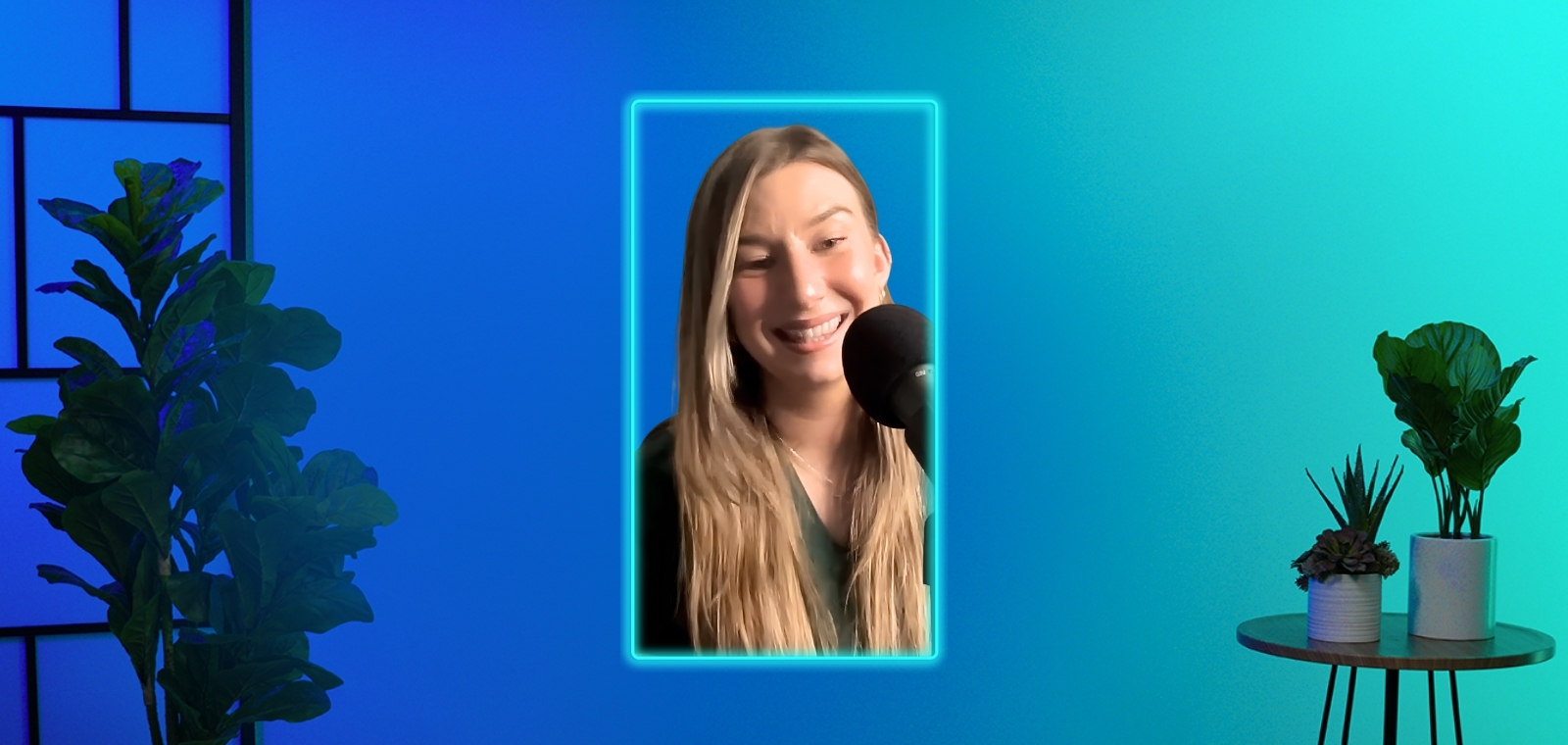
Nursing Unchartered Ep 120 - From New Grad to PACU Pro—Resume, Interview, and Career Tips Every Nurse Needs
In this episode of Nursing Uncharted, host Ann welcomes Maddy, a PACU nurse with six years of experience and a passion for helping new graduates break into the field. Maddy takes listeners through her own winding path, from cardiac ICU to PACU, and shares the exact strategies she used to build a standout resume, ace interviews, and position herself for every opportunity that followed. Whether you are still in nursing school or searching for your next assignment, this conversation offers practical, encouraging advice you can start applying today.
Subscribe to the Podcast!



Click here to become a Travel Nurse or Download the AMN Passport app.
Key Topics Discussed:
- Maddy's Nursing Journey: From a hospital tech role to cardiac ICU, and eventually finding her fit in PACU.
- Building a Resume as a New Grad: What to include, how to highlight clinical experience, and why specificity matters.
- Networking Before Graduation: Why relationships with professors and preceptors can open unexpected doors.
- Interview Confidence: How honesty, preparation, and a printed resume can set candidates apart.
- Transitioning Between Specialties: What to consider when moving from critical care to PACU, and finding your ideal setting.
- Tracking Your Career Journey: Why documenting milestones early pays off for travel nursing and beyond.
Chapters
- 00:00 - Introduction and meeting Maddy
- 02:12 - Maddy's background: from tech to cardiac ICU
- 13:05 - What led Maddy to PACU
- 15:28 - Why PACU stands out as a specialty
- 18:11 - Is PACU the right fit for a new grad?
- 21:05 - Preparing for your first nursing job
- 24:17 - Building a resume that gets noticed
- 33:26 - Interview tips: honesty, preparation, and standing out
- 39:06 - Tracking your clinical experience for long-term career growth
- 43:45 - Final takeaway: "It's only new once"
Resources Mentioned
Maddy's YouTube channel, documenting her nursing school and career journey https://www.youtube.com/channel/UCkvCJl3FcV95ft2nEkZm2gg
AMN Passport, for tracking assignments and locations throughout a travel nursing career
Guest Spotlight
Meet our guest, Maddy, a PACU nurse with six years of clinical experience spanning cardiac ICU and post-anesthesia care. Maddy began documenting her nursing school journey on YouTube and has since built a platform dedicated to helping new graduates and nurses exploring new specialties. Her candid advice on resume building, networking, and interview preparation offers a roadmap for anyone navigating the early (or next) chapter of their nursing career.
Ready to take control of your next career move? Subscribe to Nursing Uncharted and share this episode with a fellow nurse who is just getting started!
Transcript
00:00:00:00 - 00:00:23:07
I repeated to myself in school was it's only new once. You are only going to have to experience it brand new one time. And then after that you already have experience,
00:00:23:09 - 00:00:41:21
Hey guys. Welcome back to another episode of Nursing Uncharted. It's your host, Ann. So I want to go back to a previous episode a couple of weeks ago where I had a girl that I actually got to work with, but she was in nursing school at the time, and we did an episode about what it's like in that journey, finding your new job.
00:00:41:21 - 00:01:03:13
And she brought up a lot of things that I didn't really think of, that I didn't know how difficult it can be to find your first nursing job. And, you know, it's something that everybody that you talk to and you tell them you're a nurse, you always say, hey, you're always going to have a job. But sometimes that first job, especially when you know what you want to do, can be really difficult.
00:01:03:13 - 00:01:25:21
So I thought and also everyone here at Nursing Uncharted thought, how can we help? How can am help? How can this podcast help? And fortunately, we had someone really close with the team that actually works with us, that has already been doing this and giving those tips and tricks for new nurses or nurses looking to transition into something different, a different specialty.
00:01:25:23 - 00:01:48:06
There's already someone making these videos, so why not have her come on here and share her experience her knowledge, and share those tips and tricks with you? So welcome Maddie to Nursing Uncharted and thank you so much for being here. Yeah, thank you guys for having me. I'm super excited to be a guest and to share some of my knowledge with you guys.
00:01:48:12 - 00:02:12:23
Yes, yes. Well, to get started. Tell me a little bit about yourself. I know that you, we and full disclosure, we just met like a few days ago. So this is actually going to be a pretty raw and organic conversation between you and I because I was traveling and, you know, jumping on the call a little late. So this is going to be a new type of episode, because usually I have a better understanding of of everyone on the show.
00:02:12:23 - 00:02:33:12
But this will be kind of cool. This will be our first initial real conversation. So why don't you tell everyone you know how long you've been a nurse, what you're currently doing, what you started out with, a little bit of background? Sure. Currently I've been a nurse for going on six years now. I currently work in the PACU, which is the post anesthesia care unit.
00:02:33:14 - 00:02:57:12
It's kind of a hot spot to a lot of nurses will transition into PACU, and they're not quite sure what they're doing and if they want to leave bedside or not. So I've had a similar journey to that. But, my very first job out of school was in the cardiac ICU. Prior to that, I had been a tech on that unit for two years, while I was in school.
00:02:57:14 - 00:03:19:23
And, my journey kind of began. I went to nursing school. I knew I wanted to be a nurse for most of my life. My family actually lived overseas, so I've shared a little bit about that on my, on my platforms that I grew up in East Africa. So while we were doing a medical missions trip, I think it was like 12 or 13 years old.
00:03:20:03 - 00:03:44:20
I felt very inspired by the medical team that my family was working with to be a nurse in the future or a doctor, but it ended up being nursing, just because I'm more of a people person. Yeah. So that stuck with me for obviously almost a decade. I went to college and I did a four year bachelor's degree in nursing, actually got two bachelors.
00:03:44:21 - 00:04:11:04
I got a bachelor in healthcare as well. So it was a cool dual program. And while I was in school on my very first clinical rotation, which was on a medical surgical unit, I want to say it was a neuro ortho unit. I felt like a deer in the headlights. I couldn't find the nurse that I was assigned to half the time, and I wasn't quite sure what to do.
00:04:11:04 - 00:04:35:07
I had already done my hand hygiene, like a check off and bed bath check off prior to my first clinical. But yeah, definitely felt like a deer in the headlights. And at the end of my first clinical, I was like, am I cut out for this? And fast forward in other clinical, I passed out while watching someone put in an IV, so I was really racking my brain like, and I cut out.
00:04:35:09 - 00:04:57:04
I'm not kidding you, I it's on this podcast is like like when you're like, I want to do nursing your first year or your first semester is terrifying. And they kind of throw you in even before your program. Yeah. Like you're in a, you know, and you're usually in like an assisted living or nursing setting that first time and you're like, what am I doing?
00:04:57:06 - 00:05:16:01
How am I supposed to ask these extremely personal questions to a stranger? And then I actually watched a pick line attempt on a 19 year old, and I passed out as a teen year old, put me in my place, and I was like, can I do this? Oh, man.
00:05:16:03 - 00:05:41:22
Yeah, it happens more frequently than you realize. So I would say the first couple of days I felt super discouraged, but I decided to put on my big girl pants, if you will. And my big goal scrubs. And, I started a YouTube channel around the same time and shared that experience of passing out and that, I wanted to keep going, essentially.
00:05:42:00 - 00:05:53:11
I think I shared that video later on, but I started my YouTube channel around the same time just to document my experience in nursing school so I could look back later on and say, I did it. I made it through. So I started.
00:05:53:11 - 00:05:53:21
At it.
00:05:53:23 - 00:06:11:08
And then, at the same time, I also decided that it was probably a good idea for me to work as a technician so I could get used to working with patients and just being in the hospital setting, which I was still super foreign to. So I became a tech on the key. I see you.
00:06:11:10 - 00:06:29:22
And that's that's wonderful. And that's something that even I haven't really talked about it on, on the podcast as much. But in, you know, at bedside, you know, the students come in or, you know, they come into shadow. And I work in the neonatal ICU, so not everyone gets to come through there. But when they do, it's always like, what?
00:06:30:01 - 00:06:56:21
What piece of advice can you give? And I always say I my personal experience was I worked in a med surge setting before I specialized into NICU, which you can't go directly into whatever specialty. But if you don't be a nursing assistant, be a tech during nursing school. Get that experience. Get get comfortable being uncomfortable because as a nurse, we are in people's private, private space.
00:06:56:21 - 00:07:16:21
We know everything about them that even some of the family members in the room don't know about them. So we have to be able to be mature and professional and, you know, respectful of of their wishes and, you know, care, caring for them at a pretty young age, if you think about it, you know, I'm, I'm now we want to say almost 40.
00:07:16:22 - 00:07:38:05
I like thinking back to when I was 21 years old as a bedside nurse. I can't believe what what I was actually doing for these patients. And so, you know, it is like that comfortable being uncomfortable is you you're going to get that experience if you start putting your toes in, getting your feet wet a little bit before you're just like, boom, here you are.
00:07:38:07 - 00:07:57:16
Exactly. Yeah, I totally agree with that. And I think being a tech gets you comfortable with it faster than nursing school, because you only have clinicals like maybe once or twice a week and they're not even a full 12 hours. Being a tech gives you that full 12 hours and a lot of one on one time with your patients without getting pulled away.
00:07:57:17 - 00:08:06:21
Either by, you know, your clinical instructor or, you know, a different need. So yeah, it definitely gets you comfortable faster, I think.
00:08:07:01 - 00:08:13:07
Yes. And did you say you did that like right away in nursing school or like how far into your nursing program were you when you decided to do that?
00:08:13:08 - 00:08:39:04
I was kind of calculated about it. I had found out that the hospital that I was doing my clinical rotations in, if you completed your first semester of nursing school, that counted as CNA training. So instead of going through a CNA certification program, they would take all of my clinical skills that I had learned in my first semester and that would transfer into like a CNA certificate.
00:08:39:04 - 00:08:47:02
So I waited, completed my first semester, had all my check offs, and then applied for a nursing assistant position.
00:08:47:04 - 00:09:11:23
That's awesome. That's actually a really good to know. And for for nurses in nursing school right now to seek out that opportunity, because that may just be like a a hidden gem at some hospitals because it makes sense. Like I actually helped a friend go through CNA school if she really wanted to be a nurse, but she was a new mom, and just how a time and when she was going through like what her training and stuff was, I'm like, this is what you this is the first thing you learn in nursing school.
00:09:11:23 - 00:09:23:15
So that's a it's a really I'm glad you brought that up because I think that people will now start to seek that opportunity out a little bit more, because to get that additional training is more work. So if you can cut that step out, that's great.
00:09:23:20 - 00:09:25:03
Exactly.
00:09:25:05 - 00:09:32:21
So did you want to do like cardiac critical care or like or did you have a passion going in from the beginning or you just I did.
00:09:32:23 - 00:09:59:05
Yeah, I honestly didn't. And I went into it between passing out from the IV and just feeling that during the headlights feeling so much, I wanted the softest position that I could find when I was out of school for the first like two semesters, but I wanted to work on my cardiac ICU one because just to be transparent, it was the most flexible job offering as the name that I was given.
00:09:59:07 - 00:10:21:09
Because I was allowed to work weekends, I was allowed to work evening, like an evening shift after I was done with clinicals. So they were super flexible. Plus I thought might as well see the most intense stuff as a tech. While I feel safe in my role that we sense, yeah, and just get to see as much as possible before making a decision.
00:10:21:11 - 00:10:38:21
But by the end of my two years working in that Kvik unit, I completely fell in love with it. And of course, I thought all the nurses were like, like, amazing. And I would see, like, a fresh post op heart coming to a room and the nurses settle them and I didn't know what I was even looking at.
00:10:38:23 - 00:10:52:23
Like, obviously test tubes and ventilator and like all these drips. But I'm like, how do they know how to manage all that? But after a while, getting to see it a lot without having to be responsible for it, I just fell in love with it.
00:10:53:02 - 00:11:10:20
Yeah, it's like that, that exposure, it's so funny. And to have a little squirrel for a second, I, I am a NICU nurse. I did a year and a half of med surge and, you know, very like small community hospital and then went to the NICU and my dad actually had a heart attack and had to have surgery.
00:11:11:00 - 00:11:32:09
And I remember I'll never forget this. The doctor comes in, we're in the waiting room with like, my mom. And I'm like, I'm like, okay, mom, be prepared. You're going to see some scary things like, you know, I'm not even sure what it's going to be. And I walked into that room. My mom was so calm because I prepared her and I was like, what.
00:11:32:09 - 00:11:48:15
Is this? And what? Like he was on, you know, like the I think it's still called ECMO and adult world, like the bypass machine and you know, and then and the nurse was like doing all this stuff and I'm like, and I'd been a nurse for like eight years at.
00:11:48:15 - 00:11:49:02
That point.
00:11:49:02 - 00:12:09:04
And I'm just like, what? You can do this. Like, this is crazy. So you know that you telling that experience, I don't know. That story is probably not relevant prevalent to this, you know, episode. But I just thought like that experience and getting that exposure even as a nurse, I was like so taken aback. But yeah, like good on you.
00:12:09:04 - 00:12:13:20
Because that's that's a really hard, hard place to work.
00:12:13:21 - 00:12:17:16
Yeah, for sure. And especially right out of school to not gonna lie.
00:12:17:21 - 00:12:18:00
It.
00:12:18:00 - 00:12:19:11
Was you know.
00:12:19:13 - 00:12:20:05
Yeah.
00:12:20:07 - 00:12:42:01
Yeah yeah. And it was during Covid. But I started it too, which made it more brutal because they decreased the number of post-op hearts that we were doing at that time, just because they didn't want, surgical patients to get Covid and get sick if they could delay their procedures. So if we weren't doing post-op hearts, we were on the Covid unit.
00:12:42:07 - 00:12:46:16
Yeah. Wow. Wow. That's a whole girl. That's a whole nother episode. We're going to have to.
00:12:46:16 - 00:12:49:02
Get out for real.
00:12:49:04 - 00:13:05:04
I feel like that's that just sparked an idea for me, but. So. So what brought you into PACU, like, was that like a hinge? Because as most nurses know, listening to that definitely has a little bit more, favorability with a schedule. But what what was it? Yeah.
00:13:05:06 - 00:13:27:19
I think that I wouldn't have made the jump to pack you so soon if I didn't have, a lifestyle change. My husband was beginning a PhD program in a different state. And at that time, I was about a year and a half, as a new grad still in the CBI. Siu. Or at least I consider myself a new grand.
00:13:27:19 - 00:13:48:17
Still, but it had been a year and a half, and I was still a night shift. And, you know, with seniority and a lot of these, ICU positions, it takes a little while to get to day shift position in. My opportunity hadn't come yet, so I knew I wanted something on days just because I was starting to get burnt out and exhausted already.
00:13:48:19 - 00:14:03:21
If we had stayed, I probably would have stuck with it and waited my time out to go to day shift. But since we were already moving, I'm like, you know what? Now's my opportunity to try something new, and if I like it, great, I'll stick with it. And if not, I already know what I love. So I'll look for that position again.
00:14:04:01 - 00:14:26:11
So I had done at least one clinical rotation, in the Perry operative setting, and had watched a packing nurse, and it was actually the initiative during that clinical rotation that was super kind, very, very much wanted to educate me. And he ended up pulling me around most of my clinical as opposed to the nurses that day.
00:14:26:11 - 00:14:43:20
And it was kind of fun. So I decided to apply for a position that I had seen. And, I got the position and within a couple of months we had moved and I started it. And now I've been there for the past four years because I like it so much.
00:14:43:21 - 00:14:44:12
Yeah.
00:14:44:14 - 00:14:56:10
And I had worked in a cardiac step down for like, a blip for like a couple months. But then I ended up getting pregnant and having a kid and wanted to go back to simplicity and just working in the pack. You.
00:14:56:12 - 00:15:19:04
Yeah. And it is. And that, you know, we've we've had PACU nurses on here before and it just seems to really hit with nurses because it's so funny because in no offense it, it's never been like a goal of mine. But yeah, so many nurses talk about it. So I even hearing the stories of like what are the benefits and everything is really, you know, is really great.
00:15:19:04 - 00:15:28:13
So what for me, let's say like I'm like, oh, why would I ever do that? Like, what is something about the pack that is really, you know, special?
00:15:28:15 - 00:15:53:11
Sure. Honestly, I think that you get to use a lot of your clinical or critical care thinking skills. But you don't have to use them on the daily basis. It's a little spread out in terms of how often you're using it. So, parking positions can either be in an outpatient setting, like a surgical center, or they can be in the hospital.
00:15:53:11 - 00:16:14:17
I have a hospital position at the moment, which is my preferred because I do get occasional critical care patients on drips with arterial lines. I think very rarely do we get a patient because they'll tend to go straight to ICU. But if there's not an ICU bed available, we have to know how to take care of them.
00:16:14:19 - 00:16:39:03
So I get to still use my critical thinking skills from time to time, but I don't have to. What's the best way to put it? I'm just not like, I don't have to mentally work us hard every single shift. And I think there's more flexibility in the shifts to because we don't typically have night shift positions in PACU.
00:16:39:04 - 00:17:10:01
There typically call shifts because we're trying not to do surgery overnight. So, there's more daytime position opportunities, which I think is great for your circadian rhythm. Weekends. Yeah. There's fewer weekends. You do tend to get rotated on weekends, but there tend to be more weekend options and people like them, because of the differential. So there's fewer weekends and then, holidays are call shifts only instead of full scheduled shifts, which can be nice.
00:17:10:03 - 00:17:10:17
Nice.
00:17:10:19 - 00:17:11:07
Yeah.
00:17:11:10 - 00:17:37:01
And then there's a lot of different shifts within PACU. Again, in the hospital specifically, I can't speak to outpatient as much, but, because you're not going to get like 20 surgeries first thing in the morning unless you're at a huge hospital. Surgeries are going to be staggered throughout the day. Depending on the case load. And therefore our shifts are staggered.
00:17:37:01 - 00:18:04:05
So we our shifts start from 8 a.m., go till 8:30 p.m., up until like 11 a.m. to 11:30 p.m.. So you think I'm in later or you can come in earlier, and then some times they offer shifts anywhere from like 6 to 8 hours, you know, four days a week, versus 312. So there's just a lot of shift variability and there tends to be less turnover in pack you two.
00:18:04:06 - 00:18:11:08
So you get a lot of long timers a lot of good experience. Yeah. Those are some of the many reasons.
00:18:11:10 - 00:18:28:09
Do you so, you know, since we really want to focus on like new grads and people, do you think that the pack is a setting where a new grad would, would be, would be a good fit? I know it's possible. Or do you think that critical care really helps set you up for the pack? You?
00:18:28:11 - 00:19:09:09
I from my personal opinion, I think that the critical care or even a PC setting so like a step down setting is a better set up for a new graduate who wants to go into power. Q I've, presented new graduates in the pack who have done an excellent job. But I've noticed that sometimes the struggle comes when you have a patient who has to board in PACU because we don't have an in-hospital bed, and because they haven't had as much exposure to setting up meds on the IB pond or, you know, managing drips, and like doing more bedside type care, it gets a little tricky for them because packing is kind of
00:19:09:10 - 00:19:17:23
like a stop recover them and go setting so we don't get as many, like inpatient type patient care.
00:19:18:01 - 00:19:39:17
A really good, really good point. And you know, the whole the whole thing that really, you know, started this thought process for me was the girl that I had on her name was Stella. I don't know if you caught that episode or not, but she usually did like a, like, preceptor ship in the NICU that I was working in, and she was a phenomenal nurse, but she really wanted to do.
00:19:39:19 - 00:20:05:03
And that was the that was the, the, the hard stop with finding a new grad program and initial and you know, she wanted to stay in Southern California, which there's very little options. So you know, when you're in those situations. Yeah, you, you know you go and you, you know, exhaust all of your opportunities. And then you have to kind of pivot a little bit and see if, you know, maybe I have to move further away.
00:20:05:03 - 00:20:25:22
Or do I get that, you know, PCU or even the opportunity for an ICU experience, you know, with going into the PAC, you. So I think that's a good takeaway from from that is that if you know, a nurse listening to this is like I want to do, I want to do PACU knowing that you could be in situations where the bedside actually helps you.
00:20:26:03 - 00:20:37:14
You know, getting that experience can be really helpful. And most of the people on a cardiac ICU, surgical ICU, they're going to have that surgery experience. So you're going to get a little bit more exposure.
00:20:37:16 - 00:20:53:04
you're going to be exposed to those people and working in those other units that you might want to explore. So so I love that. But let's let's get into I could talk to you forever like I wish I would have, you know, known all of this before, but this is kind of nice to have this organically.
00:20:53:06 - 00:21:05:12
But what like, let's let's talk about preparing for your first job. Like, what is it that you, you tell nurses and way.
00:21:05:14 - 00:21:25:17
Yeah. Don't wait till you're almost done with school to start preparing for your job. That's the first thing that I would say. Just because you're in school and getting some clinical experience doesn't mean that you shouldn't start thinking about your career while you're in school, because there's a lot of things you can do while you're still in school.
00:21:25:23 - 00:21:43:08
To make you more successful at finding a job as a new grad, because it is hard to find new graduate positions right now. When I graduated, I think it was easier because we were in the middle of a pandemic and they were willing to take any extra stuff that they could find. So there wasn't as much competition.
00:21:43:08 - 00:22:11:23
But every following year, I think that it's getting harder for new graduate nurses to find jobs, especially in the specialties of their choice. So I would say start as early as I did, which was as soon as you start your nursing school program, start networking, make friends with your professors, the ones who aren't going to eat you and eat their young, make friends with them, get, you know, even letters of recommendation from them if you can.
00:22:12:01 - 00:22:49:00
Same thing from nurses that you shadow. A lot of schools will offer a clinical rotation and your final year of school called a capstone. So you get to do your entire clinical on that specific unit, and you get to work with one of the nurses on the unit and do a lot of hands on care. So I would capitalize on that, getting some kind of reference from that nurse, making friends with the people on the unit, talking to the manager while you're there about positions available, because sometimes positions open up even if they're not posted because of the networking.
00:22:49:02 - 00:23:14:03
As I always tell nursing students to, school is the most important thing you need to focus on. If you're finding that nursing school is it's already challenging. But if you're finding it, like incredibly challenging to the point that you know you need to, that needs to be one of your soul focuses and priorities, maybe it's not the right time to go out and get a job on top of it, because you need to be academically focused.
00:23:14:09 - 00:23:42:08
But if you know that you can work a job at the same time, get a job as a tag or as a lab technician, you could even get a job as, like a unit secretary, or an orderly transport. I know nursing students who have done transport anything hospital related that you can do, as like a part time job even or appear in job before you graduate adds to your resume.
00:23:42:09 - 00:24:11:12
Add to your networking. So start before school. If you're getting ready to graduate and you're already out of school, currently looking for a job. I mean, it's not too late to optimize your resume and optimize, yourself when like, you're doing interviews. So I would still say try to get letters of recommendation if you can, look back through your clinicals and try to pull any and every experience that you've had from them.
00:24:11:12 - 00:24:17:06
And, you know, tailor those experiences to the unit that you're applying for.
00:24:17:08 - 00:24:31:15
Like on your resume. You mean, because, you know, that's in the good point. Like it's easy for me to build my resume now? You know, I have I was a bedside nurse for eight years. I've been traveling for seven years. You know, I kind of have the I have to, like, remove stuff because it gets a little bit seen.
00:24:31:18 - 00:24:48:21
But. Yeah, but as a new grad of thinking, like, looking back, I didn't even really know what because I, I had a scholarship, so my job was guaranteed for me. But what? Yeah, I mean, I was lucky, like, I didn't think about that at the time, but, you know, looking and hearing from these nurses now I'm like, well, goodness.
00:24:48:22 - 00:25:04:09
Like, this really was like it was not luck. But like I was grateful grateful for having that, you know, less stress to have to deal with. But how do you build a resume as a new grad? Like what? What do you put on there? What do you recommend?
00:25:04:10 - 00:25:29:02
Yeah, I would definitely say. I mean, when you're a new graduate nurse, it's going to be different because you might be a new graduate nurse who is, you know, a, a parent who is going back to school and getting their nursing degree. So you might have a different background in a different way to create your resume compared to someone who's 21 or 22 years old getting ready to graduate.
00:25:29:02 - 00:25:54:02
So regardless, I would say, try to stick with, like specific examples in your resume. So like show what you actually did in clinicals, talk about your capstone and the skills that you learned in your clinical setting, what and whether you had a job in the hospital or not before graduating. You want to talk a lot about your skills.
00:25:54:04 - 00:26:16:03
So it could be as simple as, what kind of charting system did you use as a nursing nursing student? I help one new graduate nurse, going through a resume, and it was very short. And I'm like, we need to get a little bit more specific and show what you actually learned, whether it was leadership in school, you know, that counts.
00:26:16:05 - 00:26:34:18
If you had any kind of certifications or you were in school and then, one thing that I helped her add was I had asked her what kind of targeting system did you use? Did you get to chart anything as a nursing student? She's like, yeah, I was allowed to chart my assessment. It was with my instructor.
00:26:34:18 - 00:26:53:06
I'm like, that counts. You still got used to a specific turning program. Like, what did you use? Did you use Cerner? Did you use epic? Did you use something different? And in her case it was Cerner. I'm like, okay, I'm like, let's add that to your skill list because you learn how to work on Cerner, you know?
00:26:53:08 - 00:26:55:21
So that's worth adding,
00:26:55:23 - 00:27:13:17
Really good advice, like, you know, because it is I, I think, you know, if you're in a program or you have a mentor, you have a nurse in your in your friend group or in your family, you know, it's somewhere you have that advice. But there are nurses out there that this was their this they might be the first one in the family getting a degree.
00:27:13:17 - 00:27:35:02
And they are so excited. But they're stuck. So just at resume and those letters from professors and your clinicals. That's brilliant. And I think that that you know is a really, really, really solid piece of advice for anybody listening and for everyone listening. Pass that on to your nurse friends that you know. You know that that really helps.
00:27:35:02 - 00:27:58:07
And it'll also trigger your your memory to like if you're getting that reference from this clinical, you obviously had a really good experience. So you could relate that, you know, because they're going to ask you, what about this? You know, what about this letter of recommendation or whatever, however they might do that in the interview and you could be like, well, actually, we had this situation happen and I was able to remember what I learned in school and apply that to the patient.
00:27:58:08 - 00:28:13:09
You know. Those those situations will make you stand out. I mean, I'm just I'm assuming you've you've put a lot of work and, you know, dedication into into this process. But I can see that, you know, if I was interviewing someone that would stand out to me.
00:28:13:10 - 00:28:39:00
Absolutely. Yeah. And I've even gotten the chance to interview technicians for our unit before. And I've interviewed a nurse coming to our unit before. So I look for those things. Even as someone who has had limited experience interviewing people, I, I like hearing those stories and the things that stand out because that makes you a memorable, a memorable person during your interview or on your resume.
00:28:39:02 - 00:29:06:01
You know, you you know that it's so I still, I, I don't know how to get this information out like to myself, but it baffles me how people are struggling at a nursing school to get jobs. And I think it's the fact of that new grad program that a lot of hospitals are geared towards, rather than just coming in, not having that designated new grad program, which I never went through, I was just put with a preceptor.
00:29:06:01 - 00:29:32:05
And I learned what you do. And when your preceptor says you're good, you're done. You know, that was my that was my thing. But there are these really structured new grad programs that there's no and there's only so many positions. And look at everyone in nursing school. So I think that this this episode, why this came why I think this is important is, is let's give these new grads tips and tricks and ways to stand out.
00:29:32:05 - 00:29:53:18
And I think those special stories, keeping a log even like, like what your clinical experience was or like when you if some because some I don't know if this is I might be over speaking but some places let you draw blood and start IVs. You know you other places don't allow that. But if they do allow you to do that, keep keep track of how many?
00:29:53:19 - 00:30:28:06
Exactly. Yeah, exactly. No. I'm in. My program was one that by the time I reached my senior year of nursing school, I was allowed to do IDs and do lab draws. It's obviously different everywhere. In some programs, mold like one program won't be the same two years in a row. I feel like they changed their restrictions. But yeah, if you do get that opportunity, some places even let technicians, like remove IVs or at least do lab draws, like in the E.R., for example, a lot of EHRs will let their text do lab drawers.
00:30:28:09 - 00:30:49:07
So, yeah, any any experience like that, you want to list for sure. And yeah, even like, I tell a lot of students to like, if they didn't have a job in school, I'm like, what kind of projects did you do? Like, what did you work on? Did you do any research while you were in school? Or write any big papers in your senior year of nursing school?
00:30:49:08 - 00:30:53:05
Like, add that to share, like what you're passionate about.
00:30:53:07 - 00:30:56:20
And even what you said. I like that you said that that leadership experience.
00:30:57:01 - 00:30:57:13
Yes.
00:30:57:15 - 00:31:11:22
That's part of the a bachelor's degree in nursing is that leadership class use yacht like you use that as like gained experience. Like there's ways to, you know, build build things in with AI now it's brilliant. You don't really.
00:31:11:22 - 00:31:16:17
Have to. Yeah, yeah too much.
00:31:16:19 - 00:31:40:04
But obviously be careful with AI because if everyone's using the same AI, everyone's resume is going to look the same. So you make sure you're including your own personal personality in your wording of of how you how you present that. But I love I love all of this. And and with the interviewing, you know, your experience with being able to interview texts or nurses, what like what really stands out to you?
00:31:40:05 - 00:31:49:12
Like, what is one tip you could give the person interviewing that could be like their appearance, what they bring in with them, like anything, like anything that you've really noticed.
00:31:49:14 - 00:32:17:00
Yeah. These days all of the applications are digital. They're online. So I've noticed I personally like printing out people's resume so that I haven't. I can refer to it, but I've noticed a lot of the individuals who even interviewed me don't remember what's on my resume. They have whatever their programs brought up for them. They look at it ten minutes before I show up for my interview.
00:32:17:02 - 00:32:42:22
I have always brought in my resume with me, and I encourage every other, new grad nurse to take a physical copy of your resume with you and. Yeah, and and your letters of recommendation. I'm like, they will read it if you hand it to them. So, that's one of my top, tips is to just take in the physical copies and hand it to them right at the beginning and say, hi, my name is so-and-so.
00:32:42:22 - 00:33:05:12
Thank you so much for this opportunity. I wasn't sure, you know, I don't know. I would just say something along the lines of, I brought my resume and a letter of recommendation. If you have time to look at it and just hand it at the beginning. And then, there have been instances where people during the interview, they get done with their, typical question that they.
00:33:05:12 - 00:33:08:02
Have to ask. Yeah.
00:33:08:04 - 00:33:08:12
For.
00:33:08:13 - 00:33:21:03
Like the, the unit policy. And then at the end, they're actually looking at my resume and they're like, well, this is interesting. Can you tell me about this? You know, they see something that they relate to. So that's why I bring.
00:33:21:03 - 00:33:23:09
It on. That's that stands out I think.
00:33:23:14 - 00:33:24:06
Yeah.
00:33:24:08 - 00:33:25:11
Is a good thing.
00:33:25:17 - 00:33:26:17
Absolutely.
00:33:26:18 - 00:33:48:08
You know, and maybe this is bad advice, so don't don't listen to me. And it's okay. Everyone listening. So I actually had to interview, like, my, my, the first time in my career that I felt like I was actually in an interview that meant something. Usually it was just like a formality because, you know, networking is wonderful.
00:33:48:09 - 00:34:04:09
So I was in an interview for like a charge nurse position where I knew going in how how this hospital was set up, that it's a point system. I had to like she had to blow her interview to even get me to get the same points as her because of the the amount of time she was there.
00:34:04:09 - 00:34:10:01
But I chose to still go through the interview process because I think. It's build, build yourself, get.
00:34:10:01 - 00:34:10:09
That.
00:34:10:15 - 00:34:28:10
It is, learn something or take away from what you know they're looking for. So then I can learn, you know, learn from that. So I went in knowing I was definitely not going to get the job, but I still wanted to go through the process. And when they ask questions, I'm honest and honestly like they ask you those questions.
00:34:28:11 - 00:34:53:14
Tell me about a time where you had a conflict with this, or, you know, as a charge and a conflict with a difficult family or a difficult physician, and they're looking to you for leadership. I really think it's important to be honest and justify why you acted the way that you did. Because now nursing, we are asked to step in in situations that there's not one right way to do something.
00:34:53:18 - 00:34:54:16
And I.
00:34:54:18 - 00:35:21:03
And I think that just being and showing that you can stand behind a decision that may not be a decision that 80% of the people would do, but to have your justification and that transparency and that honesty really stands out. This is important caveat for the travel nurse industry as well, is that you have to be honest. And and I've noticed, unfortunately, I've been in situations where I'm like, how did you do this?
00:35:21:03 - 00:35:26:15
Because you have never had this, this experience. And they're like, well, it fudged a little and I'm like, no, no.
00:35:26:15 - 00:35:28:02
No, no.
00:35:28:06 - 00:35:34:15
So it's like and not I always say like, just be honest, be you. Show people who you are.
00:35:34:17 - 00:35:35:08
Yeah.
00:35:35:10 - 00:35:57:11
I agree with that fully. Yeah. I think, even in that, I noticed that when I talked to new grad nurses who they're like, well, I don't have any problem talking about like the limited experience that I have and like awards that I have, but sometimes I haven't gone through some of these scenarios that they're asking me about.
00:35:57:11 - 00:36:28:11
So how do I be honest about that? Because I don't want to give like a I haven't gone through this answer before. I'm like, you can be honest about that. I'm like, tell them, you know, I haven't experienced that specific situation yet, but if I did, this is what I would do. And then just go through your head like, you know, maybe I would follow the chain of command, which is what a lot of times they're looking for in behavioral type questions like, are you going to go to the right people first, or are you going to try to hash it out in the break room when nobody's looking?
00:36:28:11 - 00:36:29:08
You know what I mean?
00:36:29:11 - 00:36:30:06
Yeah.
00:36:30:09 - 00:36:31:09
It's very good advice.
00:36:31:09 - 00:36:32:09
I didn't even really.
00:36:32:14 - 00:36:37:05
Think of that because in my head I was like, oh, I'll just relate it to a personal experience.
00:36:37:07 - 00:36:37:18
Yeah.
00:36:37:21 - 00:36:40:20
That may not end up depending on the type.
00:36:40:20 - 00:36:41:00
Of.
00:36:41:03 - 00:36:47:10
Person you are, you may give a little bit too much information. Guilty. That maybe won't end as well.
00:36:47:16 - 00:36:48:03
For you.
00:36:48:03 - 00:36:53:06
But saying that hey, I haven't. But like, let's say that happened to me today. This is what I might do.
00:36:53:08 - 00:36:53:20
Yeah.
00:36:53:23 - 00:37:13:19
I think that's a great way to stay honest and show them that you're thinking on your feet, even in the middle of an interview. And that you. Yeah, are just addressing it properly without not giving an answer. I try to tell new grads, I'm like, if you've never experienced it before, I would avoid making up a scenario.
00:37:13:20 - 00:37:39:11
I'm like, they haven't been there in that situation. So there's nobody going to be like going back and checking with people that, you know, to see, did this experience actually happen or not. And like so technically maybe this is bad advice. You could make up a story. I'm like, but I think it's just better to be honest upfront and then make up a scenario and say, this is what I would do, you know, and.
00:37:39:13 - 00:37:40:17
Just keep engineering.
00:37:40:19 - 00:37:43:01
Yeah. And making up that scenario.
00:37:43:03 - 00:37:43:13
Yeah.
00:37:43:18 - 00:38:03:06
Conversation with the person shows really brings out a personal quality to be like, oh gosh. Like I've never really had that. But thinking about that, let's say I was in a situation and this happened. This is how I would handle it, you know? And so you're making up that story, but you're making up that story while involving, you know, the individual that's in there.
00:38:03:08 - 00:38:07:09
And that was critical thinking. It shows creativity.
00:38:07:12 - 00:38:08:07
It shows.
00:38:08:12 - 00:38:27:20
The on your feet, which is all things that we look for in nurses. You know, even as people who don't interview like we're presenting you or like you ask us a we want someone to ask a question to be like, hey, this happened. I was going to do this, but like, what do you think? Instead of being like, hey, what do I do?
00:38:27:22 - 00:38:40:01
Like lands differently? So if you if you enter an interview that way, I think that's going to show your personality and set you up for success when not if, but when you get to job.
00:38:40:03 - 00:38:42:04
Exactly. I couldn't agree more.
00:38:42:09 - 00:39:06:07
Yeah, I love this. I feel like we touched, like really, you know, really good tips for going through that interview process, setting up your resume and honestly, that resume. Like you, I start that after your first year, after your first semester, however, your program set up start just like doesn't need to be formal, but have that running, you know, notes folder or word document, whatever you're using.
00:39:06:09 - 00:39:33:20
And everyone has their their phone on them. I said iPhone because yeah, I'm guessing just throwing those experiences in there. And you know, this is all stuff I wish like looking back, even in my travel nurse career, I wish I would have tracked everywhere that I went. So I'm late to the game and I actually, funny enough, just got this huge United States bulletin board because my new job is I'm traveling every week to somewhere different and I will keep track of where I'm going.
00:39:33:20 - 00:39:54:10
So I'm going to try and like, thankfully, here's a little, here's a little Am plug is that Am passport literally shows you everywhere you went. And I explicitly traveled with him for seven years. So I think I'm going to like go through and like mark everything and do that in nursing school. You know, like, do you do that with your experience?
00:39:54:10 - 00:40:10:01
Is the first time I saw a baby be delivered. The first, you know, I've, I put in my first blood draw my first chest tube that I, you know, there watch, you know, those things and then that can like build that resume for you when the time comes.
00:40:10:03 - 00:40:45:19
Yeah I agree, I think you can use that both personally and professionally because one, you can look back on it kind of like I did with my YouTube videos and just say, look how many things I experienced and did and not take that for granted. But then, yeah, you might be going through your new grad journal, if you will, and be like, oh, actually, this is a great thing to bring up in my next interview, or this is a great thing to put on my resume and then keep track of it even when you're out of school, too, because you'll want to keep track of, like, your continuing education credits, you want to keep track
00:40:45:19 - 00:41:10:14
of any leadership opportunities that you have in your first years in you grad, because there's opportunities you can always be on, like a shared governance in your unit. There's certain like awards that hospitals awarded to new grad nurses to, and then even if you get a chance, I think I was allowed to at least shadow the rapid response team in my unit, even though I wasn't necessarily on it.
00:41:10:14 - 00:41:26:00
So I took all those opportunities. Yeah, and I got track of all of them. So yeah, if you do want to travel, eventually you want all of those opportunities listed, whether it's switching your specialty or changing your specialty to traveling.
00:41:26:02 - 00:41:47:03
Yeah, yeah. And I love that. And I think that that's a huge trend that that I'm you know, I personally I'm hearing is that, you know, and I don't know if it's like this in any other units. But in the NICU, sometimes these babies are there for like maybe they're for a year even sometimes. But you're looking at 3 to 4 months of a, a baby being in the hospital at times.
00:41:47:07 - 00:42:06:16
And those nurses go back to school. So I've actually I have two, two people personally that have gone back to school and still reach out to me. And I was their nurse, and they're coming to me for like advice. The one girl was like struggling with the cranial nerves and we were taught this. I'm not even going to say it on this podcast, this horrible way to remember them.
00:42:06:17 - 00:42:07:15
And I was like.
00:42:07:21 - 00:42:11:22
I know exactly what you're talking about because I learned in school.
00:42:12:00 - 00:42:36:18
Here you go. And she was like, I remembered them, you know? So it's just it's really it's really, really cool. Like to see that trend of of nurses coming back, like, as maybe a second career. And a lot of times it's for the intention of travel. So yeah, you know you nailed nailed it right on the head is that with travel nursing, your experience, your opportunities, all of that is going to make you favorable to those units.
00:42:36:18 - 00:42:59:14
And when you're ten nurses looking for one position, those those experiences and keeping track of that shows not only you have the experience, but you're organized, which is what you know, which which is what hospitals want for nurses that have to jump right in, you know, and get get things going. So I love all your advice. I feel like I looked at the time and we've been we've been chatting for a while.
00:42:59:16 - 00:43:21:16
So I don't want to I don't want to make this go too far. But I love your tips. I love all of, you know, resume building things, the interview stuff, like all that scary stuff. And I think, like, personally, what I'm taking away from that. Start early, keep track of what you do now, transparent, be honest and seek out those opportunities and don't wait till the last minute.
00:43:21:18 - 00:43:29:09
Exactly. Yeah, I do not wait until you're graduating if possible. And even after that, don't wait till the last minute.
00:43:29:10 - 00:43:45:10
Is there anything that you say to a new nurse, or maybe someone that you, you know, like that one piece of advice? Is there is there something that, you know, we can kind of use as a takeaway from this as, as your, you know, your experience and, and everything you've seen?
00:43:45:12 - 00:43:50:02
Yeah. The biggest one that tends to resonate with the most people, and that
00:43:50:02 - 00:44:01:14
I repeated to myself in school was it's only new once. You are only going to have to experience it brand new one time. And then after that you already have experience,
00:44:01:16 - 00:44:08:07
limited as though it may be. Just tell yourself it's only new once and after that you can build off of that.
00:44:08:11 - 00:44:09:02
So yeah.
00:44:09:05 - 00:44:19:22
That's great. I mean, I need that in my, my life right now. So I'm going to take that, put that in my pocket and carry that with me because that's her. So. Right. And that makes it less scary.
00:44:20:00 - 00:44:22:03
It does. Yeah it does.
00:44:22:05 - 00:44:34:07
Yeah. Takes a lot of burden off of of the, the scenarios and the situations you're in. So I love that. Well I hope everyone goes and checks you out on Instagram and YouTube. Do you still have your YouTube?
00:44:34:09 - 00:44:38:23
I do yeah I still have my YouTube should be the same username for both.
00:44:39:01 - 00:44:59:12
Well Maddie, thank you so, so much for doing this. You're a wealth of knowledge for new nurses, new grads, people in nursing school. I really think people need to go and check out your videos. You are on Instagram and you are on YouTube, which I need to go check out your YouTube of your nursing school journey. That is brilliant.
00:44:59:12 - 00:45:12:14
I think everyone listening should do something similar to that, so you can just go back and be proud of yourself. You can tell you have a passion for wanting success in this nursing industry. So thank you so, so much for being here.


