

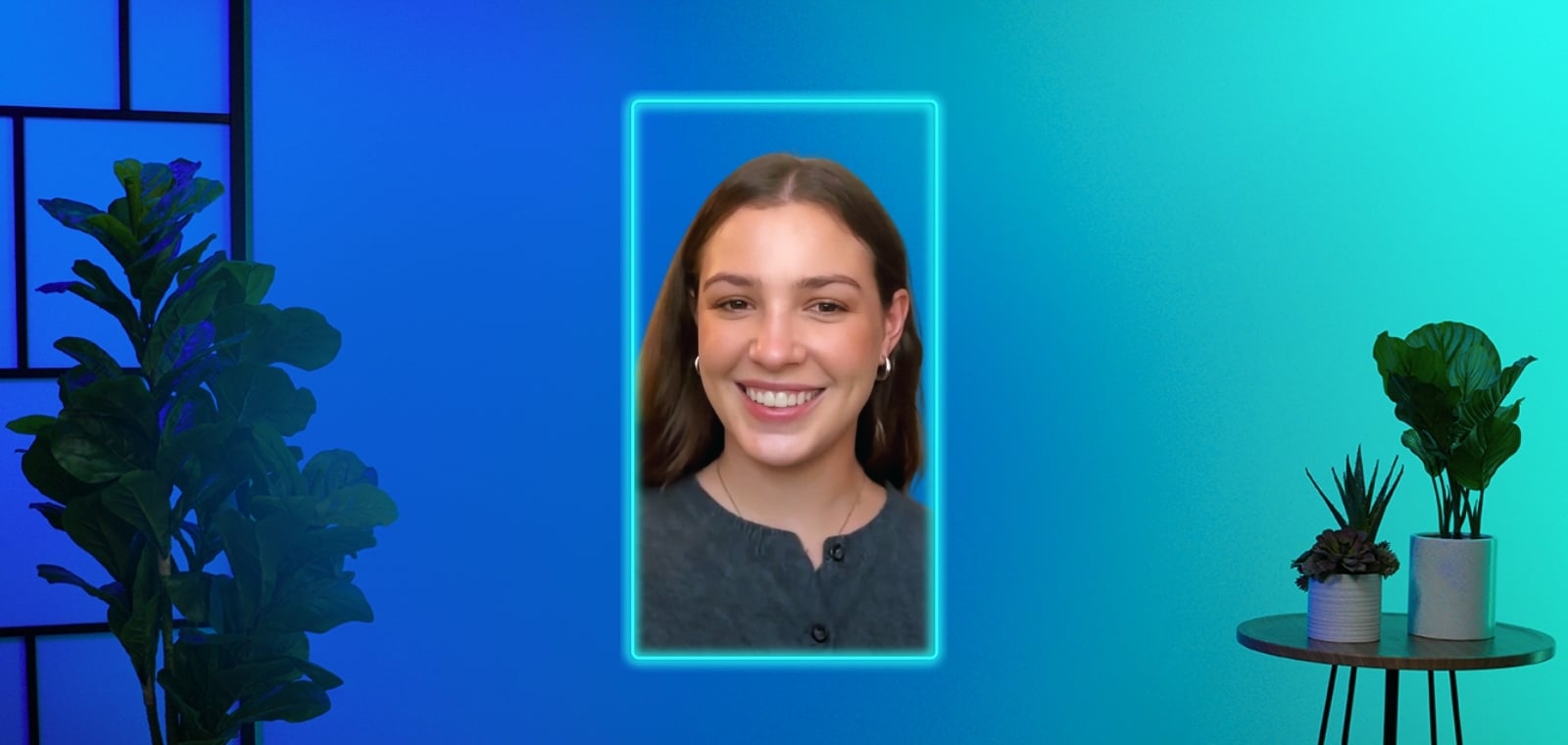
Nursing Uncharted Ep. 114: The Real Story of Finding Your First Nursing Job with Stella Leiken
Landing your first nursing job sounds straightforward after graduation—but for many new grads, the reality is far more difficult. In this episode of Nursing Uncharted, host Ann sits down with Stella Leiken, a recent MSN graduate from the University of San Diego's Master's Entry Program in Nursing (MEPN), to talk honestly about what it's really like to enter the nursing workforce for the first time.
Stella shares her journey from a psychology degree at UC Santa Barbara to an accelerated MEPN program, completing 192 hours of hands-on NICU preceptorship, and preparing to take the NCLEX. But the conversation quickly turns to something many nursing programs don't prepare you for: the search for that first nursing job.
Despite an MSN, a strong clinical record, and glowing recommendations, Stella applied to nearly every NICU in California and was denied by all of them. She opens up about the emotional toll of repeated rejection, the nursing shortage paradox that leaves new grads competing fiercely for a shrinking number of residency spots, and why she made the decision to look out of state rather than settle for a specialty she didn't want. Her story is raw, honest, and relevant for any new grad nurse navigating today's competitive job market.
If Stella's story resonated with you, share this episode with a fellow nurse or new grad who needs to hear it. Subscribe to Nursing Uncharted on your favorite podcast platform so you never miss a conversation that matters, and follow us on Instagram at @AMNnurse for show updates and nursing opportunities.
Subscribe to the Podcast!



Click here to become a Travel Nurse or Download the AMN Passport app.
Key Takeaways
- Don't settle for the wrong specialty. Taking a job in a unit you don't want
just to get hired can make transitioning into your dream specialty later
even harder. - Start applying before you graduate. Some new grad residency programs
close months before graduation. Others open applications for only 24 hours
with no public notice. - Networking matters. Stella secured her NICU preceptorship because she
made a strong impression during her leadership rotation. Connections can
open doors that applications alone cannot. - Broaden your geographic search. If your local market is oversaturated,
looking out of state can unlock opportunities and help you grow in
unexpected ways.
Protect your confidence. Rejection after rejection takes a real toll. Staying
focused on your goal and leaning on your support system can make all the
Chapters
- 00:00 – Introduction and why this episode is different
- 01:49 – Stella's background: from UCSB psychology to the USD MEPN
program - 03:08 – MEPN vs. ABSN: understanding the pathways into nursing
- 04:25 – The three-week boot camp that kicked off her program
- 07:54 – How preceptorships work and why specialty selection is so
competitive - 09:22 – NICU placement and the power of networking for new grad nurses
- 11:47 – NCLEX prep: how Kaplan and school support set Stella up for
success - 15:26 – The new grad job hunt begins, and why the timeline catches many
off guard - 18:37 – The nursing shortage paradox: high demand, fierce competition
- 19:03 – Applying to every NICU in California and facing rejection
- 21:10 – Looking out of state: Nashville, Georgia, Colorado, and beyond
- 26:43 – The emotional reality of repeated rejection
- 30:08 – Stella's advice: stay confident, don't settle, and go where the
opportunity is - 35:36 – Closing thoughts and words of encouragement for new grad nurses
Guest Spotlight
Meet Our Guest, Stella Leiken. Stella Leiken is a recent MSN graduate from the University of San Diego's Master's Entry Program in Nursing (MEPN). She earned her undergraduate degree in psychology from UC Santa Barbara before working in a private ophthalmology practice, an experience that confirmed nursing as her true calling. Through her MEPN program, Stella completed 192 hours of NICU clinical preceptorship across two semesters, gaining hands-on experience caring for critically ill infants. She is preparing to take the NCLEX and is actively searching for her first nursing role.
Transcript
00:00:00:02 - 00:00:19:09
Unknown
Hey guys. Welcome back to another episode of Nursing Uncharted. I know I say this all the time that I'm extremely excited and looking forward to this episode, but this one is it's really special because I had this epiphany at the beginning of the year that I wanted to highlight things that we really haven't touched on in this podcast.
00:00:19:09 - 00:00:43:21
Unknown
We've talked about almost every aspect of nursing, but I haven't gotten the perspective of what it's like to enter into the nursing field. So this guest with me today, I met her in an amazing way, and we will get into that story. But I just wanted to start this off by saying this is about nursing first, and what it's like actually entering into this for the first time and what that process looks like.
00:00:43:21 - 00:00:52:17
Unknown
So Stella, thank you so, so much for being here. And I am so excited to talk about your story. Yeah. Thank you so much for having me. I'm also so excited.
00:00:52:19 - 00:01:03:21
Unknown
when we when we had our first conversation, I just appreciated how like open and honest and vulnerable you are talking about this experience. Because for me, when I when I became a nurse, my gosh, I only want to say this out loud.
00:01:03:21 - 00:01:21:16
Unknown
Like 17 years ago, I didn't have to worry about finding that first job, right? Like, I, I had a scholarship that I got there a small hospital, so I had a guaranteed job, so I didn't have to worry about this process. And as much as we say there's a nursing shortage, it comes down to like how difficult this experience.
00:01:21:16 - 00:01:49:01
Unknown
So before I disclose way too much information ahead of ahead of myself, let's kind of start of the basics. So tell me a little bit about you and where you're at. And you know what what you're doing. Yeah. So my name is Stella Lycan. I'm originally from the Bay area. I went to undergrad, UC Santa Barbara. I got my degree in psychology, and then I still didn't fully know what I wanted to do, so I went.
00:01:49:01 - 00:02:09:09
Unknown
I worked, in ophthalmology private practice for a couple of years. And through that experience, it just really seemed like I wanted nursing. I always knew I wanted to do nursing or medical field. My dad was a doctors. That was like a huge influence on me. But the more I got into health care, I realized that nursing was really more my passions and interests lied most.
00:02:09:14 - 00:02:34:06
Unknown
So then I applied to school. I went to University of San Diego and their Masters entry program for nursing, and I graduated a couple weeks ago at the end of May with my MSN. Yes, I'm going crazy, which is crazy because you were so young and I'm sorry to just say that, but like, I just that's something that when we first had this conversation, I'm like, okay, you went to undergrad at a in a beautiful area.
00:02:34:06 - 00:02:50:13
Unknown
Mind you, I'm like low key, jealous. Like, that's a beautiful area. And then, you know, you have your master's degree like you, you're coming in this where nurses strive as adults to have to go back to school to get that. So kudos to you. I want to highlight that that you did you did like you know, you just kind of went for it.
00:02:50:15 - 00:03:08:14
Unknown
And you now you have that all under your belt. So you know you so the you you got an undergrad like a PhD for your program. And then when we talk about an accelerated program into nursing like what there's so many different pathways. So what does your specifically look at. Like what did that what was that program. Yeah.
00:03:08:14 - 00:03:29:04
Unknown
So after you already get a degree there's kind of two ways you can go. You can either go through like an abstract which is an accelerated BSN, which would just be a second bachelor's on top of the one I already hold. And then the other option is like a mapping program, master's entry program in nursing, which there's a couple programs in the UI or in California, at least I have that.
00:03:29:04 - 00:03:52:07
Unknown
And that's just like a or is like a two year program that's pretty accelerated that, you know, no one has any nursing experience and you go through it and you finish not with a BSN, but with an my son, that's that's awesome. And something with with that that when we when we talked initially what was it like going from having a psychology degree which that is a part of nursing.
00:03:52:07 - 00:04:06:23
Unknown
Right. Like that's a huge part of nursing. So you did have that, you know, experience and especially like having family members in the medical field, you kind of knew what that was. But something about this program that really stood out to me, as you said, there was almost like a boot camp to like yap you for it, which I think was really cool.
00:04:06:23 - 00:04:25:03
Unknown
So I'd love to kind of explain that a little bit. Yeah. So looking at, you know, all the programs I applied to and got into USD really stood out to me. I feel like it was a very like close knit program, and they offered so many more clinical hours and you technically need from the board. So that's why I chose a program.
00:04:25:03 - 00:04:47:06
Unknown
And then going into it. I didn't know this before, but there was like a three week intensive boot camp before like school officially started, which was literally us going in like all day, like 7 to 7 every day and just learning the very basics of nursing. So that way when the program officially started and we got into clinicals, we were just like a deer in headlights.
00:04:47:07 - 00:05:02:06
Unknown
We kind of knew what was going on. So in that we just focused like on basic assessments, like how to take a manual for blood pressure, vital signs, all that, like simple stuff that you just kind of assume everyone knows. But if you've never really been in the medical field, you're like, I don't really know how to do this.
00:05:02:06 - 00:05:24:12
Unknown
So that was a super helpful. I think we all got so much out of it. It also really bonded us as a cohort. There's about 40 of us. And so, you know, we spent all day together like struggling so hard. Yeah, that's a lot though. Like I mean one being in class or having to learn for like 12 hours, 8 to 12 hours a day is a is a long is a long time.
00:05:24:16 - 00:05:44:13
Unknown
So in this were there people that had no medical background at all? Okay. So yeah, not saying you had an advantage by any means, but like you know that that is something that is extremely beneficial for someone who has no medical experience, has a passion for wanting to potentially get into the medical field, to have that like down and dirty.
00:05:44:13 - 00:06:02:05
Unknown
Quick, let's let's give you the basics before we put you into this extremely fast paced program. Totally. They really like set us up for success, which was super nice because, I mean, I my old job, I did a lot of hands on patient care, but I worked at an eye clinic, so I wasn't taking people's vitals. I wasn't doing any of that.
00:06:02:10 - 00:06:19:03
Unknown
I was like giving them eye drops and whatever, getting imaging. And so I was like, okay, like, I yeah, I would love to know how to do this and like how to properly use a stethoscope, but just, you know, basic, basic things that sometimes I feel like in nursing programs they just like assume you already know that, especially in a master's program.
00:06:19:03 - 00:06:37:22
Unknown
But it's like, wait, we don't know how to do that yet. So it was very helpful. And they always say that's like the hardest part of the program because it's just so fast and it's like so much to learn in three weeks. But it was a really fun time when it prep, it preps you because these programs like, you know, in nursing school, because I went I went the standard route, let's just call it.
00:06:37:22 - 00:06:54:10
Unknown
Yeah. You know, I went to my four year bachelor's, you know, science in nursing got my BSN. But they tell you in these first classes, like the first like semester two, it leaves you out, you know, so you don't have that time when you enter a program like this. So it is a good it is a good way.
00:06:54:10 - 00:07:14:15
Unknown
And that's something you know, a takeaway point is if people are thinking about doing that, look at what the program has to offer. You know, because there are so many different pathways, like you said, and there's so many different structures to these colleges and universities that, you know, something could stand out to you. And like you said, this one had more clinical hands on experience compared to others.
00:07:14:15 - 00:07:31:18
Unknown
And that's what drew you to it. So I think that's a good takeaway point for someone maybe listening that is interested in nursing and not really sure. You know, there are differences among the schools. So I think that that that's a really that's a you did your research so you can tell that you have a passion and you wanted to be a nurse.
00:07:31:18 - 00:07:54:14
Unknown
Like this is something that you really you really were passionate about and strive to. So I love that. And we didn't even get to this. But how we met each other is another part of this program, which is really cool. So they have like a preceptorship, which I remember that in nursing school for me, but it was super quick, like, you just spent a week with a nurse and, you know, got your hours and that was it, you know, and mine was in the air.
00:07:54:14 - 00:08:16:07
Unknown
So this program allows you to really focus on maybe what specialty you like. So we met each other. We won't name what what hospital it was, but we met each other at work. So tell me about like, tell me about that process of, like, how do you pick a preceptorship or what does that look like? Yeah, that was honestly the most stressful part of nursing school, especially in San Diego.
00:08:16:08 - 00:08:34:01
Unknown
There's so many nursing schools in San Diego that getting a preceptorship or a spot to hospitals is pretty hard. Even though there's so many hospitals, there's just so many schools and, you know, bodies competing for that. And, you know, with my program, like a lot of people want the same specialties. So I don't know technically how they pick.
00:08:34:02 - 00:08:56:16
Unknown
Yeah, but we rank them. We like rank our top three choices. And so for my first leadership Preceptorship, I ranked Nikki number one. And I was super blessed to have gotten that. And then for my like, bedside hands on Preceptorship, I also ranked Nikki number one. And like I said, even really tell you about this, but I didn't get it.
00:08:56:18 - 00:09:22:03
Unknown
I, I got med surge, I like a different hospital GS and I was like, oh my God, I don't want to do this. Yeah. And so this is a kind of why I just like all nursing school, like making connections and like, making a good impression with people matters so much because the people on my leadership preceptorship in the nCCU, like, basically made a spot for me at the hospital in the Nikki wait, so you I wait, I don't think I knew this.
00:09:22:03 - 00:09:44:18
Unknown
So you did a leadership at the same at the same place? Yes. Where and you're and you're right. That's something that, you know, we will get into that more later. But like knowing people unfortunately fortunately when you're on that side of things makes a difference. So you know in your leadership preceptorship you're clinical, you're there as a student, it still is possible to make that impression.
00:09:44:18 - 00:10:04:05
Unknown
So you have to show up, you know, and I think that's, you know, and you did that. So that's that's awesome. So a spot was made for you. Yes. So I really fought for it. I'm really passionate about the NICU and that's how I ended up in my non-icu like bedside preceptorship, which was such a blessing. I had the most amazing time.
00:10:04:07 - 00:10:24:01
Unknown
I followed one nurse for like that whole semester. I was 16, 12 hour shifts, so that adds up to 192 hours. Yeah. So I mean, you saw me bunch. I was there all the time. Yeah. And it was a really, really great experience. I also was paired was just like the most amazing nurse that taught me so so we can we can mention her.
00:10:24:01 - 00:10:43:05
Unknown
I don't care Sandra. She's she's amazing. She's amazing. Like her. She is extremely talented. She is extremely knowledgeable and she's kind. So it was a yeah it was a really good good fit. And you know she's she's done it before and I think she has a passion for it. So I'm I'm really happy that you had had that experience with her.
00:10:43:05 - 00:11:23:20
Unknown
And I'm happy that I met you because yeah, this this reason that we're here is because of what happens after you graduate. So you do all this work, you have this passion. You know, you wanted to do NICU. You know, that that's huge, that you have this love and this dedication and this now amazing experience and knowledge, because Sandra's a good teacher and she wants you and expects you to know your stuff, and you got to do a lot of hands on stuff, like you were the nurse, obviously under the supervision, but like you were able to do the things and be involved in rounds and have the conversations discuss diagnoses and pathways of disease
00:11:23:20 - 00:11:47:15
Unknown
processes and like that is so important. So you graduated now I graduated, yeah. Like kudos. Like something to celebrate you graduating nursing school. You know you and the next step after graduating in my head is preparing to take the board the end class. Right. But there's more to that. And that's you know, kind of again, why we're here is talking about finding that first job.
00:11:47:17 - 00:12:08:15
Unknown
But speaking of that, did did you take it yet? Did you? I know last time when you scheduled for the first week of July. Yes. Yay. So it's coming up. It's coming up. So with the with the end class like the did the school like help you prepare for that or is this something that's kind of been self self led.
00:12:08:15 - 00:12:27:10
Unknown
Yeah. So my school was super nice. We basically had a class our last semester dedicated for prepping for the class. So they like purchased the Kaplan like prep course for all of us. And then we had like practice tests and like quizzes like assigned all throughout the semester, which was super helpful because I don't know if I would have started studying on my own that early.
00:12:27:10 - 00:12:50:13
Unknown
And then after, like we had our official last day of class, we had like a three day intensive where someone came in from Kaplan and like just like three day nonstop and class prep. So yeah, that was also very, very helpful because with any test, it's kind of like learning how to take the test. Like we all know that information, but it's kind of like how to figure out what they're asking you, what they want out of it.
00:12:50:13 - 00:13:08:20
Unknown
And so that was very helpful. And they also had it's like a class where we all like, came and they showed us how to sign up for the in class, because it's also kind of confusing if you're doing it on your own. But like you, yes in no two. So they like walked us through that step by step.
00:13:08:22 - 00:13:27:17
Unknown
So all like very, very helpful. I feel like very fortunate to have gone to a program that, you know, set us up for success so much. Yeah. I, I don't think that we dived into that the first time we spoke. But you know I and full I'm a transparent open book here. But like you hit the nail on the head.
00:13:27:17 - 00:13:53:01
Unknown
It's not about knowing the knowledge. It's about preparing for the test. It's a stressful test. I know when I when I took it, I mean, you sit in a room, you know, in a cubby by yourself. It's computerized and you're just like, you've one shot. It's stressful. I mean, I failed my driving permit test because I was so stressed out, you know, like, so I show up to my in class and I'm like, I had every single question and I failed and I was up, but I prepped terribly.
00:13:53:01 - 00:14:13:13
Unknown
I didn't have this this prep. I took one that ended up just being like a waste because it didn't it didn't prepare you for the test taking. It just gave you questions and knowledge which you know, the knowledge like you said. So I love that they prepared you of how to take the test. And I love that you recognize that, that it's about knowing how to do it and how to prep for it.
00:14:13:13 - 00:14:28:00
Unknown
So my piece of advice to you going into it, don't study until four in the morning, the night before you take the test, because that's what I did and it didn't go well for me. And then the next time I took it, I was like, this is the easiest thing I've ever done in my life and the least amount of questions.
00:14:28:00 - 00:14:51:00
Unknown
And I'm like, how did I not pass this the first time? So it really is like a mental state that you have to get into to take the test and succeed at it. So I love that these programs, I'm curious and I want to know if like, that is something that is now integrated into a lot of programs like structure, because I think that that is the huge part of nursing school is to be able to pass the the boards.
00:14:51:00 - 00:15:06:11
Unknown
And I think that that's something tracked by a lot of schools of people passing on the first attempt or, you know what the success rate is. So I love that. Yeah. And then so we're going to take that in July. You're going to do great. You you know you're going to be well-rested. We're not going to make mistakes that I made.
00:15:06:11 - 00:15:26:06
Unknown
You know you have the you have that under your belt. So now the exciting part is using your degree and finding a job. So yeah. So that's that's something when we spoke is what really made my mind head in this direction of highlighting how difficult that process could be, because I had no idea I was very, like, oblivious to it because I didn't go.
00:15:26:10 - 00:15:43:00
Unknown
I didn't have to go through that. So when I met you and was talking to you and telling you about all these places I've gone because I'm a travel nurse, so I've experienced these other hospitals and we're having these conversations and I'm like, why are we having this conversation? I was a little nosy when you and Sandra were talking.
00:15:43:00 - 00:16:01:11
Unknown
Yeah. And I was I couldn't believe what you were saying. So you know what? Like, when do you start looking for jobs or just even. Okay, so you want to specialize in you. What do you do? Like you graduate now. What what did you do? Yeah. So I mean, just kind of on that first. No, it's just the job market is terrible up there right now.
00:16:01:11 - 00:16:19:13
Unknown
I think these last two years have been especially horrible. A lot of, like, big, like school, like university hospitals have, like, cut their funding and like, have cut their new grad programs altogether. So it's hard for everyone and not just someone like me that like specifically wants a special team. I think my school set me up for like a lot of success.
00:16:19:13 - 00:16:41:09
Unknown
I think the one thing that they didn't do, which I don't really know how they would do it because they were all on different tracks, was like, let us know when hospitals near us, you know, had their applications going out. They did have a portion where they had, like all the major hospitals in San Diego's, like all the reps from those hospitals came and talked to us like about the application process, which was also very nice.
00:16:41:09 - 00:17:05:01
Unknown
But it's mostly like you got to do it on your own. Oh, for the NICU, there's obviously a lot less hospitals that offer a new grad residency straight into the NICU and a lot of them start well before we even graduated. So the Children's Hospital in San Diego, the application was due in February. Wow. You know, I graduated in May.
00:17:05:01 - 00:17:24:10
Unknown
So like, way before. Yeah. Like, why don't why is that not I know that we we said this, but I still don't understand why is there not an app and whoever's listening, if you do it, this is a brilliant moneymaker. Why is there not like, an app or like a website or something that the schools put out when you should start applying for the new grad programs?
00:17:24:13 - 00:17:41:10
Unknown
And what school or what not? Schools, what hospitals have new grad programs? I didn't go through a new grad program when I when I got my first job, that was that really wasn't a thing where, I mean, I was from a very small town, so that wasn't a big that you just kind of went through any basic orientation.
00:17:41:10 - 00:18:00:05
Unknown
There wasn't that structured residency program. So, you know, that's something that I feel like should be communicated, and there should be an easy way to look at when those applications are do so by the time you figure it out, and probably by the time these schools were coming in and talking to you, that new grad program of the Children's Hospital was already close.
00:18:00:05 - 00:18:17:21
Unknown
Yeah. So, I mean, I had that one on lock because it was nearby and I had clinicals there. So I was like, okay, I know when to apply to that. Yeah. And I think most hospitals in California, I just like for my own knowledge, I was like pretty aware about the deadlines. Some of them don't even post them.
00:18:18:00 - 00:18:37:21
Unknown
So it's kind of like word of mouth. It's like one hospital in the Bay area I told you had like a 24 hour like, yeah, applications are open for 24 hours and it wasn't posted anywhere. Like you had to email people to find out. That's crazy. So yeah, I know it is crazy and shows the competition though. Like which like I still can't wrap my head around it.
00:18:37:21 - 00:19:03:20
Unknown
Like we we say to this day, there's a nursing shortage, but yet we're, we're making entering in and getting your new job as difficult as possible, which is crazy. Yeah. Yeah, it's it's been crazy. I've applied basically to every Nikki on California and have gotten denied from every Nikki in California, which is honestly pretty impressive because, you know, I have an Amazon, I have two semesters of Nikki experience.
00:19:04:00 - 00:19:22:22
Unknown
You know, I I'm well written. It's it just it kind of goes to show one how competitive it is. And two, it really connections matters so so much. Yeah. You know and it's hard for me to like understand and like I I'm again thank you for being so vulnerable about this because this is hard. This is your career.
00:19:22:22 - 00:19:46:00
Unknown
This is your life. And I just I truly appreciate you. But I also I've seen you work firsthand and I've, you know, had enough conversations with you to know that these these hospitals are missing out. You know, you are a you know, you're a phenomenal person. You're well-spoken, which is amazing. And nursing is having the ability to create a connection with your patient or the patient's family.
00:19:46:03 - 00:20:05:20
Unknown
That's a huge aspect of it. And you can't you can't put that on paper. So when you're doing these applications, the I mean, when you're saying you get denied like just to make that clear to people listening, you're not even getting the consideration. Like they're just looking at an application and being like, nope, you know, which is so unfortunate.
00:20:05:20 - 00:20:29:12
Unknown
I mean, your letter of recommendation, I read it and I agreed heartedly with it. It's it's amazing. And I've seen your skills. You have you have experience that I doubt many of these people have. And, you know, so I'm saying this to you because like, I know you are an amazing person and you are an amazing nurse. You did the hard work and the right job will be there.
00:20:29:12 - 00:20:49:01
Unknown
But this process is like it's almost it's like infuriating to me hearing this because it shouldn't be that way. And it's like there's it seems like there's like something missing that we're not that we're not seeing. But then on the other hand, you're very specific on what you want as well. Yeah. And you know, I don't enjoy myself any favors.
00:20:49:03 - 00:21:10:06
Unknown
And you want to be in San Diego. So like everyone. Yeah, I mean, I, I had a lot of talks like with, like mentors and stuff and they were basically like, if you want an excuse. So bad, you have to be okay with probably not being in California anymore. Like, or else you need to, like, broaden your scope.
00:21:10:08 - 00:21:36:02
Unknown
Because also when I had two preceptorship in the neck, my resume really isn't competitive for anything else anymore. I mean, my resume screams NICU. And so I had a lot of talks with like, my professors and they were like, maybe you should do something else for your second preceptorship but I, I know what I want, and I want it so bad that it's like, I'll go anywhere to get that training and it's not going to be in California, but it'll work out somewhere.
00:21:36:02 - 00:21:56:16
Unknown
And I mean, yeah, I have a lot of experience in it. I feel very comfortable caring for like some pretty critically ill infants. But it's really not about your experience. Yeah. You know what I'm learning. Yeah. It's so that's just so crazy to me. But you know something? We're saying all this. But these programs that we're talking about, they're not taking 20 people.
00:21:56:21 - 00:22:17:05
Unknown
I mean, a lot of these programs maybe have 1 or 2 spots open, right? Like, so you have 100 people, 50 to 100 people, maybe even more. I don't know, I'm just kind of reaching, applying for that one spot. It's more than that. I mean, UCSD, they you know, that's a huge academic hospital. They had 20 spots in their entire hospital.
00:22:17:05 - 00:22:40:06
Unknown
And for one position, my friend actually ended up getting hired there in the emergency department. But for her, that one spot in the emergency department, there was over a thousand applicants for that singular position. My gosh, that like the competition, that's that's insane. That's so that's crazy. I mean, but we're hitting we're hitting a good solid point is that this is San Diego.
00:22:40:11 - 00:23:02:05
Unknown
People want to live here. People want to work here. There are certain hospitals that have a reputation that people want to work at. So you, you, you definitely are being specific. But you know, so, you know, are you like, what's your what's your plan. Like what is you know, you're saying, you said, you said you got denied. And like I wanted to kind of clarify that of what that look like.
00:23:02:05 - 00:23:18:17
Unknown
And it was, you know, based on just whatever. It had nothing to do with who you are or what your what your experience was. It just was like your heart wasn't or your name wasn't pulled out of a hat. It almost sounds like, you know, there's a computerized system that's just screening for certain things. Maybe I don't know, but you know what?
00:23:18:22 - 00:23:39:17
Unknown
What like what happens now? Yeah. So we'll want I just want to touch on the fact that where I had my preceptorship in the NICU, they don't hire in the NICU. So that was not a possibility for me to ever get a job there in the NICU. Yeah. So after my most recent rejection, I have been like, okay, I need to like I need to find somewhere else.
00:23:39:17 - 00:24:07:05
Unknown
And so I've really been looking out of state. Okay. Just literally using AI to try to find hospitals that have an acute new grad program. So I've applied to as, hospital in Nashville. Yeah, Nashville. And like, I thought we were talking like, maybe Arizona or like one state over Phoenix. Yeah, yeah. Georgia. I'm going to find Colorado and Washington.
00:24:07:07 - 00:24:34:01
Unknown
I honestly would apply everywhere in anywhere. I just it's really hard to find to find what hospitals are hiring if they're hiring the NICU. And like just like any information, I feel like a lot of hospitals outside of California don't have, like, that straightforward timeline on their website. And they also feel like a lot of places it's like word of mouth, like they'll just like drop the like application, like in their career slot.
00:24:34:01 - 00:24:54:17
Unknown
And there won't be like a date that it's posted. It's just like if people know that it's coming out that day and, you know, I don't have any connections in other states. I've lived in California my whole life. Yeah. So I'm, you know, I just like check everywhere all the time. I definitely have been broadening my scope since I've realized that California is not working out for me.
00:24:54:19 - 00:25:16:09
Unknown
But that's. But I but I like that Stella. Like, honestly, California treats their nurses better than I probably any state in the country. Like, let's be honest, we you know, I'm not from here. I came here as a travel nurse. I know what it's like other places. So you getting some experience at a hospital outside of California with the goal to come back here, which I'm assuming that is what your goal is.
00:25:16:11 - 00:25:42:09
Unknown
You know, I it doesn't it? That doesn't hurt because you're going to see how things function differently. And and that's something that I've stressed on this podcast in episodes, is that I am not the same nurse that I was in Pennsylvania than I am now, because I'm learning and I'm seeing new things. So maybe this is your this things happen for a reason, and maybe this was for the reason of you broadening and getting a more like, not well-rounded.
00:25:42:09 - 00:26:01:08
Unknown
Because I do think you already have a really solid knowledge of what you want, but get the experience that you can bring back to your forever hospital or, you know, whatever. And you know, that's probably going to benefit you in the long run. Even though this process is emotional. You know, we didn't even talk about that like this years, years.
00:26:01:08 - 00:26:22:17
Unknown
So you're so mature in the way that you can look at this and understand what it's coming from. If this was me in your shoes, I would be crying and I would not be able to be sitting here recording a podcast episode with a rejection, which I hate that word. Five days ago, you know, like that. Like you're you're very you're very mature in the way that you look at things.
00:26:22:17 - 00:26:43:10
Unknown
And I appreciate that. But the full picture is that's probably not a lot of the people going through this struggle. And, you know, that's that's something that's unfortunate and is that this does trigger the, the emotional side of it, which I'm sure you've had those, those. Yeah. I mean, yeah, I put on a brave face and I am mostly I look at everything with a positive outlook and like what's meant to be will be.
00:26:43:15 - 00:27:03:00
Unknown
But I mean, it does really take a blow to your confidence. And like, self-image is like receiving rejection after rejection after rejection, like not even getting an interview. I got one interview, but it's like, okay, like, what am I like, what's wrong with me? Like, what am I not doing right? And yeah, it's hard. I mean, it's hard for everyone.
00:27:03:00 - 00:27:19:08
Unknown
I mean, I got an interview, I know people, I would say that my cohort is like 50, 50 of people that, like, have gotten jobs and people that like, haven't heard back from anywhere. And it's, you know, it's hard that we put in all this work and like, we're all like, you know, our program prepared us really well.
00:27:19:09 - 00:27:40:03
Unknown
Like, I think every single person, my program will be an amazing, amazing nurse and everyone deserves to get a job. But it just like it's not happening and it puts in a lot of self-doubt. I'm like, am I ever going to get a job? Like, is anyone ever going to take me in? You know, it's hard. And I, you know, I have the luxury of, you know, I can like, move back home, like, with my family, like, while I'm figuring this out.
00:27:40:08 - 00:27:58:15
Unknown
But like, a lot of people don't have that luxury. Like, a lot of people need to get a job, like, right now and don't have, like, you know, somewhere they can stay for free for a bit. And it just sucks. It honestly all sucks and it's depressing, but I think that it'll all work out. I think what's meant to be will Stella.
00:27:58:16 - 00:28:23:13
Unknown
It will work out. This is not, you know, and you were very vulnerable there and I appreciate that a lot. You know. And and that is a highlighting that's probably what everyone's feeling that's going through this. And you know, being being able to say that like that gives the people listening and gives you people going through the same process, the feeling of, okay, I'm not alone and, you know, but like, it feels better to know that you're not suffering alone.
00:28:23:18 - 00:28:44:10
Unknown
But it does. It helps to know that it's not a person. It is this weird phase that we're in right now in this nursing field, this nursing career, and in this state of what hospitals are going through. And you you made a very solid point of funding has been cut. I've seen it because I've gone back to hospitals that I've been at 4 or 5 years ago.
00:28:44:13 - 00:29:11:21
Unknown
I've gone back recently and I see those cuts and it's unfortunate. And I think that that's impacting these programs because a new grad program is different than a new hire because you're you're you're investing a lot of time into someone who isn't going to make the money because you're double starved for six months. Sometimes in these programs, like these specific intense units like Picayune, you E.R., I would assume, is, is that intense?
00:29:11:21 - 00:29:33:02
Unknown
Do these very specialized other than med surge is probably a really intense long program, like my orientation was six months when I got into it. It wasn't a new grad program. Yeah, but like to think about from a budget standpoint, you're paying two people to do one one job. So like, you know that and and hospitals are looking at that.
00:29:33:02 - 00:29:52:20
Unknown
And that's you know, it's unfortunate, but it's it's needed. You can't just fast, fast track someone into a specialty that requires that intense training. So, you know, it's this will work out. I'm excited to hear that you're willing to go out of state. I think you'll love it, especially if you know these these places that maybe you've visited or not visited.
00:29:52:20 - 00:30:08:23
Unknown
It's the same with travel nursing. Like you get to experience something that maybe you never thought you wanted to do, and it could and it could and will turn out to be an amazing experience. You put your time in, you get that under your belt, and then you come back and you find where we're where it fits and what feels right for you.
00:30:09:02 - 00:30:30:08
Unknown
So yeah, you know, I think a lot of people in my program, like, really want to stay in San Diego and like, that's their goal or like really wants in California and that's their goal. But my goal is that I really want to be a nurse. Yeah. And so like I'll, I'll go anywhere for that. And so I think also like if you read online just about like new grad prospects, it's like really, really depressing.
00:30:30:08 - 00:30:47:13
Unknown
And so if I can give people like one piece of advice is like, just like be confident in yourself and don't listen to that people online or like take the job at the sniff, like, don't take the job with the sniff. Well, and that's you know what that is like, I got on like my own little tangent, but that, that is something I wanted to say.
00:30:47:13 - 00:30:59:15
Unknown
Is that you, you you want to be a nurse. Why should you have to settle for something else when it's not what you want to do? So you're going to go get your new grad residency in something that you're never going to want to do, and now you're going to be like, well, I want to go to NICU.
00:30:59:21 - 00:31:17:04
Unknown
Well, but you don't have any. You experience your experiences in med surge, so now you're going to have to wait for a transition position to come available. So it's, you know, as much as there's this there's push to just take the job. Just take the job. It matters if you if you care about what you want to do.
00:31:17:10 - 00:31:41:09
Unknown
And I think that that's you're being very brave. And I appreciate your honesty and your transparency and just your vulnerability in this. And, you know, this, this kind of took this episode kind of took a turn that I wasn't expecting in the fact that was being were being extremely real about it. And, you know, we talk about a lot of positive things on this podcast, but nursing can be really difficult.
00:31:41:11 - 00:31:58:18
Unknown
And knowing that it's difficult to now even get into and it's setting you, it's you're coming in this already defeated and I don't like it. I mean, I think a lot of people choose nursing because it's like a very secure job, like you'll always be needed no matter where you live. Like there will always be a hospital that needs a nurse.
00:31:58:18 - 00:32:19:23
Unknown
And yeah, I think things have changed a lot in the last couple of years. Like, one of the things that drew me to my program is that at their like open house or whatever, they said 100% of like the past cohort was hired by a hospital within three months. And I was like, oh my God, perfect. But things have really changed and it's not that easy or simple anymore.
00:32:19:23 - 00:32:48:11
Unknown
And so, yeah, I mean, I don't think I should like scare people away from being a nurse, but it is something that I was always like, oh, like, it'll be fine. Like it's, it's fine. And now I'm doing I'm like, oh, okay, maybe it's not fine. Well, and that's the thing. Like that's why, that's why this, that's why I love episodes like this is this is the real and going into it and knowing that it can be difficult and it will be difficult to find your job if you're if you want to be specific in what you want to do, it's real.
00:32:48:14 - 00:33:11:02
Unknown
And knowing that going in prepares you rather than being blindsided and promised, promise the world and have nothing, you know, like that is I think that that's really, really important to to discuss. And, you know, you will find the job that will happen. You feel defeated and which everyone should feel that way when they go through what you've gone through.
00:33:11:02 - 00:33:29:06
Unknown
But you're forever, not even forever. Your residency program is waiting for you with open arms, and you just have to find which one is a is is a good fit for now. Yeah, totally. I, I agree and my friends are from the East coast and I was like complaining to them about everything. And they're like, wait, you've only lived in California?
00:33:29:06 - 00:33:46:03
Unknown
And I was like, yeah, they're like, oh my God, you need to move to a different state. It's like, oh no, no, no, you need to live somewhere else besides California for like at least a little bit of your life. Yeah. I mean, okay. Yeah. It's so true. And I love that you said they're from the East Coast because we are brutal.
00:33:46:03 - 00:34:03:14
Unknown
We are the most brutally honest people you're ever going to meet in your life. And if we love you, we love you. And we're going to be really hard on you and give you the best advice. But it's not going to be what you want to hear. So you know it is when I am not a courtly person and that's what California is, we're just going to brush it under the rug.
00:34:03:14 - 00:34:17:05
Unknown
I'm like, nope, we got an interview. We're going to address that. We're going to get over it and then we're going to be good. So I'm excited for you, Stella. I really I'm like, I'm I was hoping when, you know, I, we didn't talk really before this. We just I just said, are you ready for this last night?
00:34:17:07 - 00:34:43:12
Unknown
And you're like, oh, I have even more stories. And I'm like, okay. Like, what? What is the news? So, you know, this is a very organic me hearing this information for the first time from you. And I'm excited for your journey. And, you know, I just want to thank you again for talking about this and bringing this to light and being vulnerable about this process, because it's going to happen to more people and they're going to hear this and think, okay, this is it's okay.
00:34:43:12 - 00:35:03:15
Unknown
It's not something I did. This is this is what unfortunately, getting into a nursing program looks like right now. Yeah, totally. And, you know, I had people like in the like cohort above kind of say the same things to me, and I just didn't take it seriously. I don't know, I just thought like, you know, everything's just going to work out and everything, so will work out how it's supposed to be.
00:35:03:15 - 00:35:21:17
Unknown
But I think, I wish I would have took in their pieces of advice a little more to heart, to which I hope I can express that right now. Being like you, it's very likely you're going to face a lot of rejection. But it's not the end. And you know, if you're passionate, it'll shine through at some point. And what's meant to be will be.
00:35:21:17 - 00:35:36:03
Unknown
And you might have to leave California. Yeah. Listen, you write that I was going to ask for one piece of advice to wrap this up, but you gave it to me. Without me even prompting it. And that that is the best thing you can say is, you know, it will be right. And what's meant to be on the same way will be so.
00:35:36:07 - 00:35:37:14
Unknown
Thank you so much,
00:35:37:16 - 00:35:49:04
Unknown
and I can't wait to hear where you're going to go because I'm super. Me too. I also can't wait.
00:35:49:06 - 00:36:11:16
Unknown
Thank you for tuning in to Nursing Uncharted. You can learn more about this episode and our show on our website at AMN. Health care.com. If you enjoyed this episode, share it with a friend and subscribe to our show on your favorite podcast platform. You can also find show updates and nursing opportunities on our Instagram at AMN nurse. Special thanks to Aman Healthcare for making this show possible.