

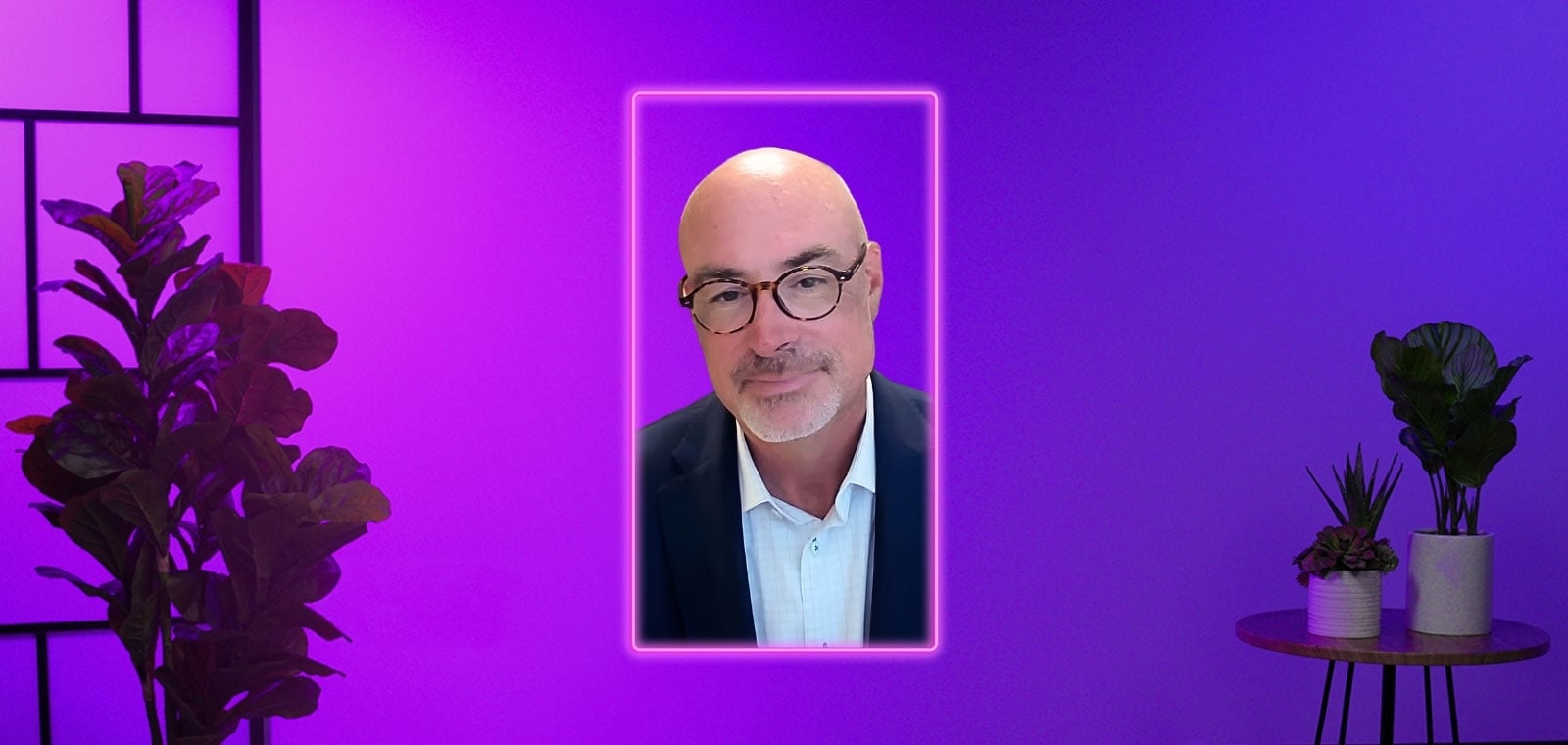
Ep. 58 | Solving Rural Healthcare’s Toughest Workforce Challenges with Brian Floyd of ECU Health
In this episode of the Elevate Care podcast, host Enderson Miranda sits down with Brian Floyd, Chief Operating Officer at ECU Health and chairman of the board for the North Carolina Health Care Association, to unpack a framework Brian calls the "six dimensions of rurality." Drawing on more than 30 years of healthcare leadership, coupled with the unique understanding of a clinician who practiced within the rural healthcare setting, Brian explains why treating rural healthcare as simply a geography problem misses the point, and why density, distance, demographics, disease burden, determinants, and disparity together create structural barriers that urban-focused policy often fails to address.
Brian also shares how ECU Health builds a sustainable workforce from within its own communities, using point-based admissions systems with local universities to keep talent close to home, and how the organization has partnered with AMN Healthcare to achieve conversion rates for international nurses well above the national average. The conversation closes with a candid look at the role technology can play in closing access gaps, and the advocacy work that healthcare leaders must take to ensure rural systems remain viable for the communities that depend on them.
This episode offers healthcare leaders a clear and structural lens for evaluating rural care delivery, along with concrete workforce and policy strategies that translate directly into retention, access, and financial sustainability.
Key Takeaways
- Rural healthcare needs a structural definition, not just a geographic one. Brian's six dimensions of rurality (density, distance, demographics, disease burden, determinants, and disparity) reframe how leaders and policymakers should evaluate rural care delivery.
- Hospital closures are the tail end of a much longer decline. Physician loss, specialty care exits, and reduced preventative services happen long before a hospital closes its doors.
- Payment reform must remain a top policy priority. Wage index adjustments and reimbursement structures often pay rural systems less for treating the same disease burden as urban systems.
- Local workforce investment drives long-term retention. ECU Health adjusts university admissions criteria to prioritize students from the communities it serves, growing local enrollment by over 10 percent.
- Mission-driven culture fuels nurse retention, both nationally and internationally. ECU Health converts more than 90% of international nurse placements into permanent employees, a rate significantly above national average.
- Technology can close access gaps that bricks-and-mortar models cannot. Telehealth and AI free up clinician time for direct patient care and extend reach across low-density rural regions.
Timestamps
00:00 – Introduction to Brian Floyd and ECU Health
01:01 – Brian's Journey from Nursing to Health System Leadership
04:08 – Why Rural and Urban Healthcare Operate Under Different Realities
07:04 – The Six Dimensions of Rurality: Density, Distance, Demographics, Disease Burden, Social Determinants, and Payment Disparity
14:06 – How Technology and AI Can Close Rural Access Gaps
17:37 – Where Rural Healthcare Gaps Hit Hardest: Patients Versus Systems
20:52 – The Policy Gap: Why Payment Reform Matters Most
24:08 – Building a Sustainable Rural Workforce from Within
32:29 – Local Talent Meets Global Talent: Retaining International Nurses
36:42 – Advocacy Advice for Healthcare Leaders
Meet Brian Floyd
Brian Floyd is Chief Operating Officer at ECU Health, a health system with eight hospitals, including a 1,100-bed tertiary academic medical center, and roughly 250 clinics across eastern North Carolina. He also chairs the board of the North Carolina Health Care Association. Brian began his career as a nurse in cardiac surgery before moving into practice administration and executive roles, eventually leading ECU Health's academic medical center as CEO. With more than 30 years of experience spanning clinical operations, health system leadership, and health policy, Brian is a recognized voice on rural healthcare sustainability, workforce strategy, and payment reform.
Learn more about ECU Health at ecuhealth.org.
Transcript
00;00;00;09 - 00;00;02;05
Enderson
My name is Enderson Miranda, the host.
00;00;02;08 - 00;00;41;07
Enderson
For today's episode with Brian Floyd, president and chief operating officer at ECU health and chairman of the board for the North Carolina Healthcare Association. Brian brings over three decades of healthcare leadership experience and a unique perspective on the structural challenges that our rural healthcare systems have been facing for quite some time. I've had the pleasure of personally working very closely with Brian's team and ECU health over the last several years, and I'm very excited to have this dialog today, with Brian, and where he's going to be really unpacking a powerful framework that redefines how we understand and see the challenges of rural healthcare systems today.
00;00;41;09 - 00;01;00;09
Enderson
So, Brian, welcome to the show. And the first thing that we typically like to do, and ask our guests to do is share a bit about, their journey. And so what has led them to where they are today? And, so if you can share a little bit about your journey and specifically what makes you so passionate about rural healthcare?
00;01;00;11 - 00;01;00;24
Enderson
Welcome.
00;01;01;00 - 00;01;30;24
Brian Floyd
Thank you. Thanks for having me. You know, I, my journey began. Really? I grew up in a home with mom being a nurse and dad being a minister in a very rural environment and at times on a mission front. And what that means is I came to appreciate, perhaps earlier and shaped a bit by the idea that we need to create these constructs that just simply help people right there where they live and help support, folks who particularly have have challenges in their health condition.
00;01;30;26 - 00;01;53;26
Brian Floyd
I watch that over the years, whether it was just, you know, Sunday afternoon blood pressure checks and glucose checks, and people just call in the house asking what they should do. So maybe it started way back then and I didn't realize it until I became older. But I started out my career as a nurse. I worked in an organization in cardiac surgery for years and,
00;01;53;29 - 00;02;03;13
Brian Floyd
ended up becoming a practice administrator of the heart and vascular surgery programs, leading to some roles as an executive to build the Heart Institute.
00;02;03;13 - 00;02;13;27
Brian Floyd
And, it was my first project, I suppose, where the hospital organization and that involved a research institute and a, freestanding heart hospital.
00;02;14;00 - 00;02;23;28
Brian Floyd
those things went very well, and they just kept asking me to do more things. And about every time I would think, maybe it's time for me to do something different or a different environment.
00;02;24;00 - 00;02;48;04
Brian Floyd
There would always be a pressing need. And what I have always loved about VCU health in particular, is it is situated entirely rural, entirely in a vast region of need. And so anything we do and do well has disproportionate impact. And so when there was always a new opportunity to take on a new thing, I was willing to do that and held a variety of roles.
00;02;48;04 - 00;02;52;07
Brian Floyd
Then from eventually the CEO of the Academic Medical Center
00;02;52;10 - 00;02;55;17
Brian Floyd
then ultimately now chief operating officer of the health system,
00;02;55;23 - 00;03;17;04
Brian Floyd
our health system has eight hospitals, one very large 1100 bed tertiary center, and then some community hospitals and about 200 and 250 clinics spread around eastern North Carolina. We have vast partnerships educationally medical school, several nursing school partnerships, and allied health professional partnerships with colleges around us.
00;03;17;04 - 00;03;24;29
Brian Floyd
And, I have found fascinating that work over the years of how all of that shapes the missional alignment that we have.
00;03;25;02 - 00;03;34;17
Brian Floyd
over time, as you as you learn and grow and you're asked to help support statewide initiatives and things, I it's gotten me into other roles like the healthcare Association and
00;03;34;20 - 00;03;58;15
Enderson
That's a that's very impressive, Brian. And you might look into your background. Right. So from clinical operations to senior leadership policy making, really, really have the full spectrum to be able to to see where, you know, blind sides can exist sometimes. Right. And where people may, overlook or misunderstand, some challenges that really specifically rural healthcare systems face.
00;03;58;17 - 00;04;03;05
Enderson
Can you share a little bit more like when you when you look into this broader conversation around healthcare, what
00;04;03;05 - 00;04;07;19
Enderson
are those rights? Then? You know, some areas that are misunderstood or perhaps overlooked.
00;04;07;27 - 00;04;21;15
Brian Floyd
Well, I will say I'm often asked why? Why do I spend so much time on the state level or national levels with organizations that deal with policy? And it is because we all have to remember healthcare is local. Ultimately.
00;04;21;18 - 00;04;28;03
Brian Floyd
the institutions that deliver it are usually very much a part of the framework and fabric of that local environment.
00;04;28;06 - 00;04;31;12
Brian Floyd
But all of healthcare, no matter how big a health system is,
00;04;31;17 - 00;04;36;25
Brian Floyd
no matter how small it is, is operating in a context that was created by policy,
00;04;37;02 - 00;04;45;11
Brian Floyd
whether that is governmental policies that fund Medicare, Medicaid, whether that are policies at the state level that regulate what we can and can't do.
00;04;45;14 - 00;04;54;12
Brian Floyd
Policies create the context for any healthcare system to be able to deliver its mission to improve, you know, the health and well-being of its people.
00;04;54;15 - 00;04;57;23
Brian Floyd
And I become convinced that particularly in this country,
00;04;57;27 - 00;05;09;24
Brian Floyd
we are at a state where we have two healthcare environments in play that are vastly different from each other. One is an urban based view, and the other one is a rural based view.
00;05;09;27 - 00;05;19;10
Brian Floyd
those two are vastly different in many respects, but operating under the the construct or the context
00;05;19;14 - 00;05;22;20
Brian Floyd
of policies made at the federal and state level
00;05;22;22 - 00;05;24;18
Brian Floyd
that assume that they're very much the same.
00;05;24;24 - 00;05;30;12
Brian Floyd
when we talk about waste in a healthcare system, let's say that you hear at the federal level,
00;05;30;15 - 00;05;37;25
Brian Floyd
that doesn't mean that that's the same thing that's happening in some of these smaller rural environments where they're underfunded, perhaps.
00;05;37;28 - 00;05;46;10
Brian Floyd
so I spend a lot of time on this issue because I believe we as healthcare leaders, have an obligation not just to make sure the day operates well,
00;05;46;13 - 00;05;50;09
Brian Floyd
but we're looking after the future of our organization's fulfillment of its mission.
00;05;50;09 - 00;05;54;24
Brian Floyd
And that does require that we go upstream and talk about what context is there
00;05;55;02 - 00;06;05;02
Brian Floyd
and how is it inform, and how might it be changed to help make sure we can actually do this work that we're talking about? But those two issues of rural urban neither is better.
00;06;05;07 - 00;06;06;03
Brian Floyd
They're just different.
00;06;06;07 - 00;06;09;11
Brian Floyd
and I'm not judging that one's wrong for the other one to struggle.
00;06;09;11 - 00;06;24;25
Brian Floyd
It is simply the fact that the policies typically don't take into account the unique challenges that might exist in rural. And that's why we have a challenge today and why I'm so passionate about, really fighting for rural needs, in healthcare.
00;06;24;28 - 00;06;44;25
Enderson
And I love how you, you you've mentioned, you know, several times as well in, in your different, you know, advocacy for it that, you know, in addition to the differences that you mentioned, you know, rural healthcare can be, you know, structurally disadvantage, right? Through a lot of the, some of the challenges and, and hence you created this, this framework, right?
00;06;44;25 - 00;06;47;08
Enderson
The six, you know, dimensions of reality,
00;06;47;11 - 00;06;51;22
Enderson
to kind of help us to, to understand those, those disadvantages, those challenges.
00;06;51;25 - 00;06;58;24
Enderson
Can you help walk us through what those six days are and why each one of those, you know, dimensions matter.
00;06;58;27 - 00;07;04;06
Enderson
When we think about, you know, overall, you know, care delivery and organization of sustainability for those rural communities.
00;07;04;13 - 00;07;08;25
Brian Floyd
absolutely. I'll start by saying, you know, this is a construct that I have been,
00;07;09;03 - 00;07;23;09
Brian Floyd
using to help illustrate exactly what you said, illustrate what the challenges are rural. You know, it's interesting in the country now, we're hearing all about rural. There's the rural transformation fund. There are rural challenges that are being brought up, which are great.
00;07;23;09 - 00;07;54;12
Brian Floyd
And we're glad to see that there is a recognition of a crisis in our nation where a significant portion of our nation lives in these rural communities, here in North Carolina, by the way, it's the second most rural populated state in the country, and a third of the people in this state are living in rural communities. So we have an obligation to really come to understand how do we present the challenge in a way that it's compelling towards solutions, not just by stating the problem?
00;07;54;14 - 00;08;00;07
Brian Floyd
example of that is when I speak to people about, you know, who we're talking about the rural issue, I first ask them, what is rural?
00;08;00;12 - 00;08;08;27
Brian Floyd
What have you defined as rural? And I'll tell you that there are a lot of different answers, and there's ambiguity in the very statement of what what you determined to be real.
00;08;09;04 - 00;08;15;26
Brian Floyd
And surprisingly, you know, most people think they know that it's not a major metropolis kind of thing,
00;08;15;28 - 00;08;17;27
Brian Floyd
but it can mean very different things.
00;08;18;00 - 00;08;39;07
Brian Floyd
So I have tried to break what it is on the basis of what is the unique situation that creates a disproportionate challenge in fulfilling healthcare, instead of saying rural is just geographic, and the six dimensions I talk about are just six ways of describing those challenges that are unique to rural.
00;08;39;09 - 00;08;41;29
Brian Floyd
And they look like this one is density.
00;08;42;02 - 00;09;00;03
Brian Floyd
The population density in rural markets looks very different than the population density. Obviously, in urban environments. But what that can mean and a healthcare environment is patients are spread apart from each other, and there are no dense locations to set access in motion to those patients.
00;09;00;05 - 00;09;19;12
Brian Floyd
And so when you're trying to reach a million people spread over 15 counties evenly in a geographic environment, that's rural, where do you go and how do you reach them without having to put 15 different places that cost the overhead of 15 environments, right.
00;09;19;12 - 00;09;51;24
Brian Floyd
So density is a real challenge. And density also leads to the lack of infrastructure being put in place in those environments, because there's not enough density. Commercialized businesses or pharmacies or other things also aren't present there. If you put a physician practice in a low density environment where there be enough patient visits to actually make that break even, all those issues create a real barrier to the bricks and mortar hub and spokes models that we'd like to see happen in healthcare, because density plays a role.
00;09;51;27 - 00;10;08;15
Brian Floyd
The second dimension is distance. And what I'm talking about, the structural challenges that are created by distances between patients, distances between them and healthcare resource distance between them and food resources.
00;10;08;18 - 00;10;10;06
Brian Floyd
When you're in a rural context,
00;10;10;09 - 00;10;19;29
Brian Floyd
you know, we talk about, the challenge of food deserts or things of that nature. But imagine if where someone lives, the closest place of food is a gas station,
00;10;20;02 - 00;10;23;06
Brian Floyd
then they're eating food that comes out of an environment.
00;10;23;06 - 00;10;54;10
Brian Floyd
If I was sodium and other things that are not healthy for them, because that's the closest place they can get, and some of them don't have a car. And so now you have a guarantee that you have a nutrition problem and a chronic disease patient, because the distance to get to other resources is just simply too far. And then distances as a healthcare provider, trying to reach them can be hours by country roads to get to the places where you've set up shops to try to help those distances play a role.
00;10;54;10 - 00;10;57;11
Brian Floyd
For sure. Demographic is the next one,
00;10;57;14 - 00;11;15;11
Brian Floyd
that is more than that diversity, perhaps. But just consider the fact that in rural markets you have the highest grouping of patients over the age of 65, the percentage of the population that fall into the category of our highest utilization group
00;11;15;14 - 00;11;25;22
Brian Floyd
are in the rural market. So if I look at the population I serve, a greater proportion of them fall in the older category needing higher intensity resources.
00;11;25;24 - 00;11;35;04
Brian Floyd
Yet they're in this rural context with its challenges. It also means you have less workforce potential. You have less resources applied around them.
00;11;35;07 - 00;11;38;28
Brian Floyd
So urbanization is usually a youth issue.
00;11;39;01 - 00;11;53;13
Brian Floyd
Young people urbanize, older people stay and they're staying at a greater proportion of the population and therefore need more healthcare resource. The next one is disease burden. So there's a higher disease burden percentage.
00;11;53;13 - 00;12;09;17
Brian Floyd
We all know a higher incidence of chronic diseases in rural versus urban as a percentage of that. And that's an important indicator on top of these other structural barriers that you'd have to take into account. It's not unique to rural that there is disease burden
00;12;09;20 - 00;12;14;10
Brian Floyd
some cases not unique, perhaps, that there's a percentage of a population with disease.
00;12;14;10 - 00;12;26;26
Brian Floyd
But what's unique is the other structural anomalies worsen that disease burden, make it more intense with less ability to help manage it. In a rural context,
00;12;26;29 - 00;12;27;04
Brian Floyd
fifth
00;12;27;04 - 00;12;27;27
Brian Floyd
dimension
00;12;27;27 - 00;12;32;13
Brian Floyd
is the determinants. And by that I'm referring to the social determinants of health,
00;12;32;18 - 00;12;36;11
Brian Floyd
in rural versus urban, those social determinants
00;12;36;14 - 00;12;37;24
Brian Floyd
whether their education
00;12;38;01 - 00;12;40;17
Brian Floyd
gaps or whether they are wealth gaps,
00;12;40;20 - 00;12;45;21
Brian Floyd
the context of the environment itself and the resources of the environment that are so vastly different.
00;12;45;24 - 00;12;56;25
Brian Floyd
Those social determinants and social vulnerabilities are higher in rural versus urban. And so that plays a massive role when you're thinking about trying to improve health outcomes in rural.
00;12;56;28 - 00;13;08;28
Brian Floyd
sixth dimension that we pay attention to is disparity. And by disparity, I'm not just talking about the healthcare disparity and outcomes, whether you divide them by race, gender or whatever.
00;13;09;00 - 00;13;13;26
Brian Floyd
I'm also talking about the disparity in the economic model that supports healthcare.
00;13;13;29 - 00;13;18;04
Brian Floyd
Many people don't realize that you could take the same disease burden patient
00;13;18;06 - 00;13;19;27
Brian Floyd
in a rural environment,
00;13;20;00 - 00;13;26;05
Brian Floyd
and they the system caring for them will get paid less because they're rural,
00;13;26;07 - 00;13;33;08
Brian Floyd
because of things like the wage index adjustment factors that actually determine how much someone is paid for care.
00;13;33;13 - 00;14;06;13
Brian Floyd
So we actually pay rural health systems less with all these other structural anomalies that make the job harder to do to get the outcome retirement. Yet at the same time, we are competing in America for outcome, and that's what's causing that big divide between rural and urban. And these six dimensions just help us see more clearly. Not just geography is the answer of what rural is, but these real structural anomalies that have to be overcome that might lead to new policy of how we deal with the rural issues.
00;14;06;13 - 00;14;24;27
Enderson
with all of the different changes and enhancements that we're seeing now for technology and AI and, and it into fast growth that that that's impacting our industry, how do you see that? And, and the impact that that you will have specifically to rural healthcare and some of the challenges you mentioned earlier?
00;14;25;00 - 00;14;54;14
Brian Floyd
I think there's no question that this technology revolution we have is one of the enablers to help overcome some of these structural challenges that we talked about, including how many people we have in the workforce and what kind of people we have to do the work. Back to the matter is, you know, people are afraid of AI. Many times when I talk about when in the context of careers, and yet I see that differently, the reality is, yes, there'll be change to jobs and the roles that people need to do today,
00;14;54;17 - 00;15;00;08
Brian Floyd
but it frees up so much time for us to be really better at the thing that only a human can do, and that
00;15;00;08 - 00;15;22;28
Brian Floyd
is love and care for the patient. Because we all know in healthcare, a lot of what we're delivering is love and care, not just medical science. And so imagine if we could take that 40% burden away from people spending time inside the computer and rather have the system help us be smarter about how to help the patient and spend our time with the patient.
00;15;22;28 - 00;15;28;29
Brian Floyd
And so we've got so much hassle to remove and healthcare for healthcare providers
00;15;29;02 - 00;15;42;12
Brian Floyd
I don't worry about this. I think it's simply going to remove a lot of that hassle, and then we'll love the work even more, because we're spending it in ways that feel right to us as humans. The other thing is the distance issue and the density issues.
00;15;42;12 - 00;16;12;01
Brian Floyd
Those two things trying to overcome them with, bricks and mortar resources is part of the challenge. And it's impossible. Which means the access gap remains. On the other hand, with taller connectivity that that can be applied in almost any environment. The real question is, how do we build our health systems to be omnipresent? When when the ability to be in the home or ability to be in a place where patients have aggregated themselves is no longer the barrier.
00;16;12;04 - 00;16;19;08
Brian Floyd
So I think us changing our own mindset and model about what does it mean to take care of that patient?
00;16;19;11 - 00;16;38;03
Brian Floyd
We have to be imaginative that that the technology will create an opportunity that we've never had before, to be there when we're not there and be there across multiple low dis environments in a single day. You know, the one clinic hub where all the exam rooms are in counties apart from each other.
00;16;38;06 - 00;16;41;28
Brian Floyd
And we've learned how to reach the patients in that way.
00;16;42;01 - 00;16;49;21
Brian Floyd
It's an it's a fascinating time and it's an exciting time. And yes, this technology is going to bridge a lot of these barriers, for the future.
00;16;49;23 - 00;17;16;05
Enderson
I couldn't agree more. Brian. And to your point earlier. Right. You know, even though you know that some people may be hesitant, you know, and, are concerned about utilization of AI, we would in and then also, on on the mindset that this is really not going to substitute anyone's job. It's just going to really empower, and, and allow us to do more with less, which is it's been a challenge right within healthcare system for quite some time.
00;17;16;05 - 00;17;22;08
Enderson
So, I'm excited to see as well, to your point, you know, the impact on that specific to the rural communities.
00;17;22;14 - 00;17;40;01
Enderson
now looking into all of these different dimensions together, where do you see those challenges showing up more clearly? Is it more, you know, for the patient? Is it more on the on the caregiver side, or is it more on the healthcare system itself, or is it like an equal combination of them?
00;17;40;03 - 00;17;50;26
Brian Floyd
Well, well, there they're very different answers depending on which angle you come at from patients. You know, the biggest thing they experience is an access gap.
00;17;50;29 - 00;18;07;14
Brian Floyd
there's just no question that there's not the same accessibility of healthcare resources. If you're in a rural context. And so that is the biggest thing because remember, that doesn't prevent their disease manifestation.
00;18;07;17 - 00;18;45;17
Brian Floyd
It doesn't necessarily de-escalate. It's it's escalation. For them it's a matter of when I'm even really sick and I'm having the exacerbation of a disease. What do I do when there's no access close to me? What it usually means is I wait until it is critical enough that I have to be transported to an emergency department. And therefore, you see these very high utilization statistics of emergency departments in rural markets, where there are fewer of them further apart from each other, and overwhelming themselves trying to deal with the edges of disease management.
00;18;45;17 - 00;18;47;16
Brian Floyd
Not really disease management.
00;18;47;19 - 00;19;08;18
Brian Floyd
so I think for patients knowing that when you talk about, I like to talk about it this way, people talk about hospital closures in rural. And there's all these projected hospital closures. Right. What's really important to note in that the hospital closure is the tail end of closure, not the beginning of closure when it comes to healthcare resources.
00;19;08;21 - 00;19;34;06
Brian Floyd
Before that hospital closed, you're already losing the infrastructure to support that hospital. That's why it ends up closing usually. So you have doctor loss. You have specialty care loss. You have obstetrics leaves, you have specialized, care models start to leave. And eventually the first thing a health system would do to lower losses of expense in a rural market is not close.
00;19;34;06 - 00;19;41;12
Brian Floyd
The hospital. You scale back expensive, reimbursable services, which are the preventative services
00;19;41;16 - 00;19;59;24
Brian Floyd
and physician practice loss in those markets. Knowing that you have this obligation for emergency care and that acute care, that's the that's the tail end of it. So by the time you're closing hospitals, you've already lost a lot of other healthcare infrastructure to support chronic disease management.
00;19;59;24 - 00;20;14;24
Brian Floyd
So, patients in rural markets certainly experience the gap of access for health systems. There's just a significant economic reality that we feel is more profound than anything else. And it's the reason then we struggle to create that
00;20;14;27 - 00;20;34;26
Enderson
Yeah, no, that's that's really, really helpful. Bridge. Just kind of looking at the both ends of the spectrum. Right. And and understanding and we're going to talk about here shortly like some of the creative ways, right. That you operationally that you're able to, overcome these challenges, but from a long term sustainable perspective. Right, you know, policymaking and being able to act to actually,
00;20;35;03 - 00;20;41;01
Enderson
help those healthcare systems, to be able to, to operate within an environment in a that that is more conducive.
00;20;41;01 - 00;20;42;19
Enderson
It's going to be really key.
00;20;42;22 - 00;20;55;21
Enderson
Now from the policymaker Hap. Right. So like where where do you see any discussion that urge a little bit. But some of the biggest gaps between how policies designed, you know, and and then how rural healthcare actually operates.
00;20;55;28 - 00;20;58;10
Brian Floyd
biggest policy issue is payment reform.
00;20;58;16 - 00;21;03;10
Brian Floyd
there just won't be healthcare resource supplied where there's not an economic sustainability.
00;21;03;13 - 00;21;18;25
Brian Floyd
the reality is our governmental agency is the obligated group of care for the public interest. And so, health systems will contract or grow based on sustainability many times.
00;21;18;27 - 00;21;30;20
Brian Floyd
And so their presence in solving the problem is dependent ultimately on resources they have to expense in that. Now, my health system, one of the reasons I love my health system is we are very mission driven.
00;21;30;23 - 00;21;50;13
Brian Floyd
we do economically. We may be doing well in our academic medical center, but we are underwriting a lot of care delivery in rural markets that actually causes our margins to be greatly suppressed and and distressed many times, because we've placed ourselves where there's not sustainability.
00;21;50;16 - 00;22;17;09
Brian Floyd
So that economic issue of policy is key. And what I'm hoping we do is influence with things like two six dimensions, making it clear on how my policy be shaped, not on the basis of just geography or on the basis which payer it is, whether it's Medicare, Medicaid or whatever. But within those constructs, how do you deal with the structural issues?
00;22;17;12 - 00;22;27;25
Brian Floyd
By rewarding them with payments to help provide the resources necessary to overcome those barriers? And, but I think that's the most important policymaking issue that comes to my
00;22;27;28 - 00;22;40;23
Enderson
Yeah, definitely. And, so looking into, you know, from your policy making work and advocacy and your work as well, within the chair, you know, being a chair of the North Carolina, healthcare, Association Board.
00;22;40;26 - 00;22;47;23
Enderson
So in addition to healthcare, you know, reimbursement reform, is there any other change that that you see could be,
00;22;47;29 - 00;22;51;06
Enderson
helpful to, you know, to help offset some of those challenges?
00;22;51;09 - 00;23;13;13
Brian Floyd
There's a lot of answers to that question. And that's a very deep, deep question because, remember, the benefit of being in healthcare association is I am with a group of people in healthcare systems all over our state who all have an equal love and responsibility to fulfill their missions. And what's different is not that,
00;23;13;16 - 00;23;16;06
Brian Floyd
what's different is the context in which it is happening.
00;23;16;13 - 00;23;35;26
Brian Floyd
And that creates different resources depending on which one of those you're in. And so I wouldn't want to to suggest one's better, one's worse, or one policy that advantages one hurts another or any of those kind of things. And there are tremendous federal pressures right now in policy reform, in healthcare that we all are watching play out.
00;23;35;29 - 00;24;02;06
Brian Floyd
from a policy perspective, we have to make sure that our hospitals have the resources and health systems have the resources, policies that create competitiveness in that space. Some view is good, but in a constrained environment, maybe there's some policy revision that doesn't allow necessarily there to be direct competition on outcomes, as if there's an equal possible playing field there.
00;24;02;09 - 00;24;10;25
Brian Floyd
and ultimately, I think it all just comes down to what we reward in healthcare, in policy, through payment reforms. And that's really where our focus is.
00;24;10;27 - 00;24;18;10
Enderson
Now that that's really powerful, that, that, equitable mindset. Right. That we need to definitely ensure that that's, that's achieved. And,
00;24;18;13 - 00;24;22;00
Enderson
and to that point, I'd love to to shift a little bit to,
00;24;22;03 - 00;24;28;18
Enderson
the one of the biggest challenges financially as well is around workforce and, definitely, huge line item,
00;24;28;21 - 00;24;34;22
Enderson
financially, operationally and, is you have to you, you've been able to, to really overcome,
00;24;34;22 - 00;24;37;27
Enderson
so many of those obstacles and really build the workforce,
00;24;38;00 - 00;24;41;04
Enderson
in a way that, that has been impressive to see.
00;24;41;07 - 00;24;46;02
Enderson
So specifically to talking, you know, on building that sustainable workforce.
00;24;46;04 - 00;24;56;24
Enderson
know that equity have played a very unique and intentional approach to workforce strategy that recruits from your local rural communities and just kind of builds them from within.
00;24;56;27 - 00;24;59;19
Enderson
And how have you learned at that about that?
00;24;59;19 - 00;25;03;13
Enderson
And how is that impacting retention and your long term impact as well?
00;25;03;16 - 00;25;06;00
Brian Floyd
for us, one thing to note is, you know,
00;25;06;00 - 00;25;21;22
Brian Floyd
I mentioned earlier, we have lots of college partnerships with our community colleges, universities. We are obviously part of a university health system, and I use nursing as a canary in the coal mine. There could be so many other disciplines of healthcare for which the same principle applies.
00;25;21;24 - 00;25;31;29
Brian Floyd
But I started noticing something that is, you know, as there is competition for slots in universities and colleges, for training programs,
00;25;32;01 - 00;25;38;26
Brian Floyd
you start to notice something about that. But is it yet another structural anomaly of rural healthcare? And that is
00;25;39;02 - 00;25;46;22
Brian Floyd
that in tier three or economically vibrant metropolis environments or urban environments or just tier three economies themselves,
00;25;46;28 - 00;25;49;01
Brian Floyd
obviously there are more educational resources
00;25;49;06 - 00;25;50;02
Brian Floyd
in those markets,
00;25;50;09 - 00;25;58;08
Brian Floyd
and there are homes with people who have more resources to apply to their educational environment and achieve a higher scholastic outcome.
00;25;58;08 - 00;25;58;23
Brian Floyd
Let's say
00;25;58;29 - 00;26;22;21
Brian Floyd
that doesn't mean, by the way, that if you compare compared in a tier one, maybe rural, economically suppressed, home to a tier three, that those humans in those homes aren't going to be equally passionate and equally capable. What it means is this one has perhaps more of an advantage in the educational systems to perform well scholastically on the testing programs and that sort of thing.
00;26;22;21 - 00;26;36;22
Brian Floyd
What that looks like, though, is that eventually I noticed even in our university, which is entirely rural based environment, that ECU is a very large university sitting in a a town of 70,000 people in a rural context.
00;26;36;24 - 00;26;41;14
Brian Floyd
But the student populations would often be from outside of that rural context.
00;26;41;17 - 00;26;49;25
Brian Floyd
And I would wonder why why would we have 70% of the students coming from outside of the rural context region we're in?
00;26;49;28 - 00;26;57;25
Brian Floyd
And it has to do with competitive slots and competitive scholastic entry and things of that nature. And so we go, well, then
00;26;57;25 - 00;27;05;09
Brian Floyd
the first thing we need to recognize is if someone is coming from an urban context outside of this market
00;27;05;11 - 00;27;14;10
Brian Floyd
training in our market, what is the likelihood they won't go back home or where they won't go back to an urban context when they're young?
00;27;14;12 - 00;27;36;27
Brian Floyd
You're swimming upstream with workforce building. If actually that's what's happening. And so, it's part of our framework. We started asking these questions to learn and just try to discover if, if our missional aspect not to say that we don't want to support the whole nation's workforce endeavors, and certainly at the state level, and we are an open institution.
00;27;36;29 - 00;28;10;05
Brian Floyd
But if we have a workforce endeavor and a missional need to support eastern North Carolina, then that might begin with also making sure that the people from those markets can train in these excellent programs and then be able to fulfill their their life purpose and dreams within those markets. Right. So we started looking at point system to say, how do we how do we account for the fact that is there really a now as an outcome differential from a 3.9 GPA and a 3.7 GPA,
00;28;10;08 - 00;28;19;15
Brian Floyd
and if they're going to perform the same ultimately anyway, and we all know it's way below 3.7, that there's actually equal likelihood of credentialing success and performance and all of
00;28;19;15 - 00;28;39;14
Brian Floyd
that. Then how do we let geography connected to mission actually matter to the entry decision? And we've put some point systems in there to drive that where you come from. And your missional alignment to the institution itself is part of your privilege of entry.
00;28;39;16 - 00;28;46;22
Brian Floyd
so it leads to perhaps a 10% or so shift of more students from our market being in those slots.
00;28;46;25 - 00;29;05;14
Brian Floyd
I'm actually zooming in on that as simply a way of highlighting, again, the structural issues that can happen that make it more and more challenging to deliver these services in rural markets, because even the workforce issues are affected by tier three versus tier one,
00;29;05;19 - 00;29;07;10
Brian Floyd
economic environments.
00;29;07;13 - 00;29;29;20
Brian Floyd
and so we started just looking at that and saying, we're going to take responsibility to make sure all the educational programs around us, those especially that are fostering, you know, people from within these tier one and eastern North Carolina, in this case, rural markets, get opportunities into those educational programs.
00;29;29;20 - 00;29;50;19
Brian Floyd
How do we participate in making that happen, and how do we provide some awareness and leadership to make sure those programs are able to succeed? And and the readiness needs of those folks? And I'm making the bet, of course, that the more we do that, the more we invest there, the more retention we will have down the road to pay for the investments.
00;29;50;21 - 00;30;15;29
Brian Floyd
And so if I can make that differential up and then provide more scholarships to people from eastern North Carolina, and what I'm really doing is fueling the mission of the organization to improve the health and well-being of the community, not just by taking care of them when they're sick. We're creating economic vitality, educational connections for them, which obviously raises their quality of life tremendously long before they are a patient.
00;30;16;02 - 00;30;41;11
Brian Floyd
And so it's really that view that the way that ECU health is going to fulfill its mission is, of course, clinical care in the market, but it is also education in the market and training and culture in the market. And then finally, the economic stimulus that our activity means to the market. Those three things are how we're actually proving the health and well-being of our market.
00;30;41;11 - 00;31;03;19
Brian Floyd
And so we value them all. We are active in them all. We're working across. You know, just this morning, I spent time with the president of one of the universities in our market, Shirley, talking about how do we make sure we are advantaged, the ability for rural people to enter these programs and get maximum benefit of that so that they will take care of their loved ones close to home.
00;31;03;22 - 00;31;07;00
Brian Floyd
It's a big part of I think our strategy is people development.
00;31;07;02 - 00;31;07;17
Speaker 3
Yes.
00;31;07;17 - 00;31;26;18
Enderson
That is so powerful, Brian. And, and, you know, to your point, right here, you're directly impacting your organizational mission. And really, you're changing, you know, not only the ability for you to get the, the, the qualified, you know, caregivers and clinicians there, but also the likelihood that they will stay and grow and create,
00;31;26;21 - 00;31;29;07
Enderson
a deeper and deeper, draw within the community.
00;31;29;07 - 00;31;36;24
Enderson
And, and I also love to see that in addition to kind of drawing the local talent, growing and investing in your local talent.
00;31;36;27 - 00;31;40;17
Enderson
ECU health is really leaned on to international clinicians as well.
00;31;40;20 - 00;31;47;15
Enderson
it's been in a very impressive to see, that ECU as you're bringing in you know, you mentioned nurses.
00;31;47;15 - 00;32;04;04
Enderson
So for example, we know that international nurses that over 90% of them or historically that we have placed that over the years convert into permanent ECU health employees and then their families are coming in as well and becoming part of that community and growing.
00;32;04;07 - 00;32;09;26
Enderson
that is, you know, substantially higher than the conversion rates that we see nationally in other places.
00;32;09;29 - 00;32;19;01
Enderson
And I do believe that that sense of belonging, the culture and the community that, that you and your team created, ECU health is a really big portions for that.
00;32;19;04 - 00;32;32;04
Enderson
So I'd love to hear your your thoughts as well on that. You know, some of those strategies, right? The, the local. Yep. Global. Right. You're really bringing in both of them and in, in strengthening to the well-being for the community as well.
00;32;32;07 - 00;32;55;07
Brian Floyd
Well, first thing I say is world. It's an awesome place and people want to be part of awesome longer where they live around the world. And actually, you know, I'm getting a bit, but the reality is we are living out our mission. And I tell everyone that chooses to consider to be part of equals when out, whether they're physicians, surgeons or administrator, whoever.
00;32;55;09 - 00;33;13;07
Brian Floyd
I always ask them the question, why do you want to be anywhere? Is it about the science of medicine? Is it about the economic issue? Is it about consequence of the organization? And if it's about consequence, meaning that I want to make sure I'm part of something that matters, then put in
00;33;13;07 - 00;33;18;16
Brian Floyd
healthcare system like ours in the greatest population need,
00;33;18;19 - 00;33;21;05
Brian Floyd
and tell me how much that's going to matter.
00;33;21;08 - 00;33;41;08
Brian Floyd
And so we try to attract people whose focus in their career aspiration has an awful lot to do with saying, you know, I want to be where I know this hard work is going to make the most difference. Now, I would say every health system is making a huge difference. And every time we save a life in any health system, it's an amazing difference we make.
00;33;41;08 - 00;34;08;00
Brian Floyd
There's no question. But because of all the other things we've been talking about, I just happen to know the DCU health is a little bit unique in that it is so profoundly part of the fabric of an entire large region, economically and otherwise, that the work we do here, on top of the fact that it is such a profoundly need environment with with very high disease incidence rates and burdens and economic issues and all, what that simply means is,
00;34;08;03 - 00;34;17;20
Brian Floyd
people are drawn to the missional aspect of knowing that you become part of the fabric of a community within any of our hospitals and clinics.
00;34;17;25 - 00;34;41;13
Brian Floyd
They are the largest employer in every place that those hospitals are around this region. And they are much, very much the framework of the local community vitality. And the people that work there become leaders of the community. They also serve on the PTA. They also use what they've learned and their knowledge and their insights and their energy changes the fabric of that community.
00;34;41;15 - 00;35;05;18
Brian Floyd
And so people who are mission minded love that. And they and they know that that is a consequential thing that lives on. When you clock out, it's still going on. It's still part of your contribution. So we attract people who that's true for within our nursing in particular, as you mentioned with international nurses, I'm just proud of our leadership teams in our nursing departments that have really created a context for nursing.
00;35;05;20 - 00;35;32;19
Brian Floyd
We are not a perfect organization. We are a learning organization. We are learning how to be more perfect, but we take very seriously the fact that people joining us is a privilege we have and an essential part of fulfilling our purpose and mission. And so when a person says, I want to be part of that, we simply are candid about we're going to do our best to get better and make sure that you love this place and you feel connected to our mission.
00;35;32;21 - 00;35;41;12
Brian Floyd
And, you know, there are people from other nations that join here. And when you talk to them about, well, what made you stay here, it was never
00;35;41;12 - 00;35;56;11
Brian Floyd
the economic things. It was never, you know, the city itself, that kind of thing. It is. Yes. People often love this environment, but the reality is they talk about that mission and they talk about feeling so deeply connected to something that's making a profound difference.
00;35;56;13 - 00;36;15;08
Enderson
Absolutely. And I can't tell you how many of our partners within, you know, other organizations in the country come to us and ask us to introduce them and link them with your team that you see how to so they can kind of learn and replicate those best practices and, and really, you know, help it, you know, across the board and
00;36;15;11 - 00;36;18;24
Enderson
now at last thing is we're kind of approaching the end of the episode.
00;36;18;24 - 00;36;28;25
Enderson
Just kind of wanted to kind of, you know, look at brought to. Right. Because you, you've said, you know, often that you, you really you can't change, you know, your system by operating within your system alone. Right? It's,
00;36;29;00 - 00;36;33;02
Enderson
that leaders really need to, to be able to look outside,
00;36;33;05 - 00;36;38;17
Enderson
and, you know, think about their roles in advocacy, their roles in partnering policy.
00;36;38;20 - 00;36;45;25
Enderson
So for those healthcare leaders watching today, what what advice would you give them for really a way to make sustainable change?
00;36;45;28 - 00;36;55;23
Brian Floyd
Well, the first thing is to don't underestimate your role in creating the knowledge that shapes policy.
00;36;55;26 - 00;37;21;20
Brian Floyd
advocacy matters, and it is more than showing up at a fundraiser somewhere and, you know, supporting a given candidate. It is deeply about learning what are these structural issues and recognizing that our policymakers and the people that shape the rules and context for us know only what they know, and they're usually informed in environments that may not fully represent what these issues are.
00;37;21;23 - 00;37;52;10
Brian Floyd
And so I tell people it's really important we engage. It's hard to do that. We are so busy. We have so much responsibilities to the daily work of making sure something as precious as healthcare is to the public is going as well as it possibly can, but we've got to carve out the ability to help educate our communities, educate the the organizations within our communities, and then engage in the political processes in such a fashion that we are helping shape solutions.
00;37;52;13 - 00;38;12;16
Brian Floyd
It is not enough for healthcare people to just talk about loss, or talk about economic distress, or simply state the fact that if we don't have enough money or we're worried about closing this or that, it needs to be in the context of having built relationships with policymakers that allow you to say, and here's some things we can do about that.
00;38;12;18 - 00;38;31;26
Brian Floyd
what I'm finding is the more we approach it that way, the more listening ears I hear in in Congress and in local, state politics, where we have folks that also took those jobs to try to help their communities. They understand healthcare is a vibrant part of the fabric of community success.
00;38;31;29 - 00;38;37;16
Brian Floyd
so it doesn't benefit lawmakers to have it fall apart or have us just simply be unsuccessful.
00;38;37;18 - 00;39;00;10
Brian Floyd
But we've got to bridge the engagement necessary to not just come for a cash transaction, come with solution to those barrier issues, for having fully understood them, and then all of us working together to create a voice of reason around these issues is really important. And there are lots of organizations to engage in for healthcare leaders.
00;39;00;13 - 00;39;04;16
Brian Floyd
But get involved in the process and align yourself with organizations that are trying to do that.
00;39;04;20 - 00;39;11;16
Enderson
Now. Thank you, Brian. And so for the leaders that want to partner with you, learn more about your initiatives that you're supporting.
00;39;11;24 - 00;39;15;09
Enderson
And where where can they go to learn more and, and to be more involved?
00;39;15;15 - 00;39;31;09
Brian Floyd
there's a lot of places to go to learn more. I would say, obviously anyone can reach out to us at Issue Health, where you're very transparent, easy to find, and all of our contacts are right out there. And we'd love to help any leaders that want to learn more, and get involved in the process like this.
00;39;31;12 - 00;39;45;21
Brian Floyd
we spend time talking to other institutions because we learn and we learn that what I'm certain of and all the years I've been doing this for over 30 years, I'm certain that we don't know what we don't know. And I'm certain that other people have learned something we haven't yet.
00;39;45;28 - 00;39;50;13
Brian Floyd
and I, that we don't need to judge the motive of a problem.
00;39;50;13 - 00;39;54;00
Brian Floyd
We have. It usually is an understanding gap.
00;39;54;08 - 00;40;08;11
Brian Floyd
what we need to do is awaken that that, clarity for folks. So we want to help do that. And the more of us that do that together, the better. So they can reach us at ECU helps.org find us all in there. Brian Floyd, emails right out there.
00;40;08;11 - 00;40;09;27
Brian Floyd
We'll be happy to help any way we can.
00;40;09;27 - 00;40;13;11
Enderson
Thank you, Brian, for sharing your expertise and your leadership today.
00;40;13;18 - 00;40;27;02
Enderson
Your insights have really, helped us to to see and reinforce, you know, what, what is needed in strengthening rural healthcare, which is really that having that the true understanding of the unique challenges that the communities are facing.
00;40;27;05 - 00;40;37;12
Enderson
And then also, you know, appreciated your, your policymaking advocacy and, and how systems can partner to build in and create that lasting, sustainable impact within healthcare.
00;40;37;12 - 00;40;38;24
Enderson
So thank you for joining us today.
00;40;38;27 - 00;40;47;23
Brian Floyd
I appreciate you're having me. We we enjoy any opportunity that we can be part of the story of how all this evolves. Welcome to do it. Thank you for hosting this and creating that opportunity.
00;40;47;28 - 00;40;48;04
Speaker 3
now.
00;40;48;04 - 00;40;49;28
Enderson
Thank you. I appreciate your partnership. And
00;40;49;28 - 00;40;54;07
Enderson
thank you to all of our guests. Joining us today, on Elevate Care.
00;40;54;14 - 00;41;03;01
Enderson
I hope this conversation leaves you with their new perspectives and ideas around workforce strategy, leadership and, the overall future of rural healthcare. And,
00;41;03;04 - 00;41;09;02
Enderson
you found this episode valuable, please consider sharing it with a colleague and subscribing, and your
00;41;09;02 - 00;41;11;06
Enderson
favorite podcast platform.
00;41;11;06 - 00;41;24;07
Enderson
And you can learn more about this episode from, our show and our website at and Mental healthcare.com. And follow us on social media to stay updated on new episodes as they came out. And in the ever changing world of healthcare.