
Neurology Advances in Concussion and TBI: New Tools for Assessment and Recovery
For decades, the standard protocol for diagnosing a concussion relied heavily on subjective symptom checklists and the "follow my finger" eye test. While these methods provided a baseline, they often left gaps in understanding the true extent of a Traumatic Brain Injury (TBI). Today, the field of neurology is undergoing a significant transformation, driven by technological breakthroughs that are changing how physicians assess, diagnose, and treat brain injuries.
This shift is moving the industry from subjective observation to objective data. As research deepens our understanding of neuroplasticity and brain resilience, new tools are emerging that allow for earlier detection and more personalized recovery plans.
For medical professionals, staying abreast of these advancements is not just about clinical efficacy; it is about understanding the future trajectory of the specialty. This article explores the cutting-edge tools redefining TBI care and why this is a pivotal moment for those seeking new neurologist jobs and opportunities in the field.
Neurology Jobs
Moving Past the Symptom Checklist
The most significant leap in TBI management is the development of objective diagnostic tools. While clinical examination remains vital, it is now supported by quantitative data that can detect injury even when structural imaging, like a standard CT scan, appears normal.
Blood-Based Biomarkers
Perhaps the most game-changing development is the FDA approval of rapid blood tests for concussions. These tests measure specific proteins, such as UCH-L1 and GFAP, which are released into the bloodstream following a brain injury. By identifying these biomarkers, physicians can determine the need for a CT scan with greater accuracy, reducing unnecessary radiation exposure and providing a biological marker for injury that was previously invisible.
Oculomotor Tracking
The eyes are often called the window to the brain, and new technology is proving this true. Automated eye-tracking devices can now detect subtle impairments in eye movements—such as convergence insufficiency or latency in saccades—that are imperceptible to the human observer. These tools provide a concrete metric for assessing brain function and monitoring recovery over time.
Advanced Neuroimaging
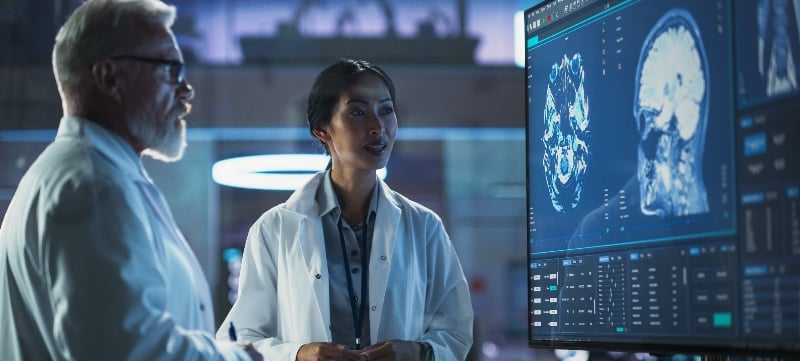
Standard MRI and CT scans are excellent for detecting bleeds, but they often fail to show the microscopic axonal injury common in concussions. Diffusion Tensor Imaging (DTI) is changing this by allowing clinicians to visualize the white matter tracts in the brain, identifying micro-structural changes that correlate with cognitive symptoms.
The Evolution of Recovery Protocols
Just as diagnostics are advancing, so are treatment methodologies. The old advice of "cocoon therapy"—sitting in a dark room until symptoms vanish—is being challenged by evidence-based active rehabilitation.
Current research suggests that subsymptom threshold aerobic exercise promotes blood flow and neuroplasticity, actually speeding up recovery. Neurology specialists are now designing active rehab programs that carefully reintroduce physical and cognitive exertion, helping the brain repair itself more efficiently. This proactive approach empowers patients and provides a clear, data-backed roadmap for return-to-play or return-to-work decisions.

Why Now is the Time to Specialize in Neurology
With the growing awareness of TBI in sports, military, and geriatric populations, the demand for skilled neurologists is skyrocketing. The ability to interpret complex diagnostic data and manage long-term brain health places these specialists at the center of modern healthcare.
For those considering physician jobs in this sector, the career outlook is robust. Here are just a few benefits of practicing in this evolving specialty:
- High Demand: An aging population and increased focus on head trauma create a surplus of neurology jobs across the country.
- Technological Integration: You get to work with cutting-edge tech, AI, and diagnostic tools that are reshaping medicine.
- Impactful Patient Relationships: Guiding patients from a frightening injury back to full function offers immense professional satisfaction.
- Diverse Practice Settings: From sports clinics to trauma centers and research hospitals, the options are vast.
- Earning Potential: As demand rises, compensation for specialized neurological care remains competitive.
Shaping the Future of Brain Health
The landscape of TBI assessment is unrecognizable from what it was twenty years ago. We are entering an era where a blood test and an eye scan can tell us exactly what is happening inside a patient's skull, allowing for precision medicine that saves neurons and restores quality of life.
For physicians, this translates to an exciting career path filled with opportunities for growth and innovation. Whether you are looking for a permanent leadership role or the flexibility of locum tenens work to explore different clinical environments, the market is ready for your expertise.
If you are ready to take the next step in your career and work with the latest advancements in brain health, explore the current opportunities available to you.