

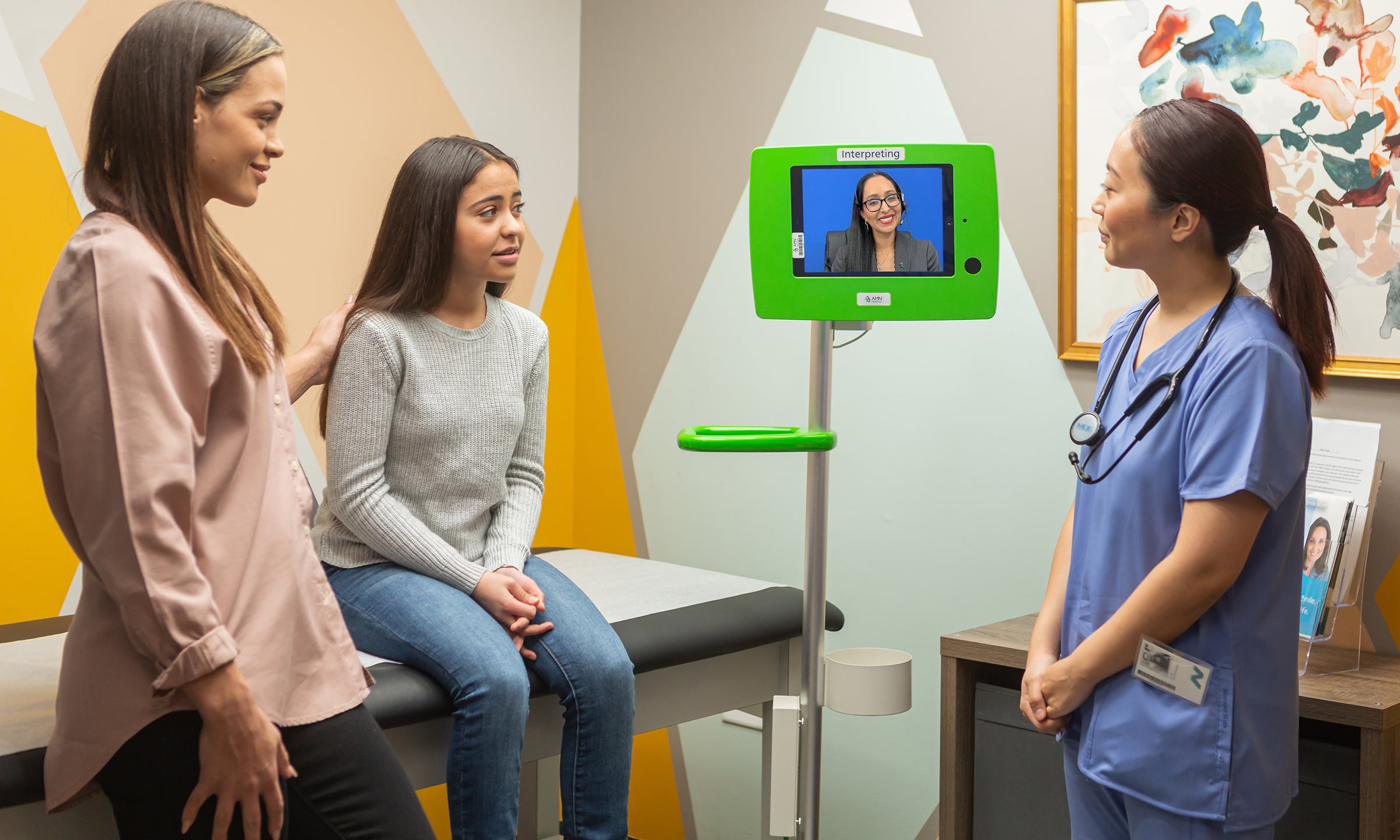
The Interpreter Code of Ethics: A Guide for Medical Interpreters
The interpreter code of ethics is a set of values and principles that guides how medical interpreters act during patient encounters. In U.S. healthcare, the most widely recognized standard is the National Code of Ethics and Standards of Practice published by the NCIHC, which covers confidentiality, accuracy, impartiality, and respect. AMN Healthcare expects its interpreters to know and apply this code.
Every day, medical interpreters enter rooms filled with fear, hope, relief, and grief. A parent learning their child needs surgery or a patient hearing a difficult diagnosis for the first time. In these moments, the interpreter is the voice that carries meaning from one language to another, and the trust placed in that responsibility is enormous.
That trust rests on a shared set of values and standards. The interpreter Code of Ethics and Standards of Practice gives professionals a clear framework for making context-sensitive sound decisions when situations get complicated. It protects patients, supports providers, and helps interpreters stay grounded when the pressure builds.
This guide breaks down what the interpreter ethics code includes, why it matters in healthcare, and how it shapes real interpreting work. If you are building a career as a medical interpreter, understanding this code is part of what makes you qualified.
Search Medical Interpreter Jobs
What Is the Interpreter Code of Ethics and Standards of Practice?
The healthcare interpreter Code of Ethics and Standards of Practice is a set of professional values and principles that defines how interpreters should behave during their work. It answers a simple but important question: when an interpreter faces a tough call, what should guide their decision?
For healthcare interpreters in the United States, nationally developed guidance comes from the National Council on Interpreting in Health Care (NCIHC). The National Code of Ethics for Interpreters in Health Care establishes overarching values that guide professional conduct (NCIHC, 2004), while the National Standards of Practice for Interpreters in Health Care provides principles and standards for professional practice in healthcare settings (NCIHC, 2005). Together, these resources provide guidance for ethical and professional healthcare interpreting.
What Are the Core Values of the National Code of Ethics?
The National Code of Ethics rests on three overarching values. Each one plays a distinct role in protecting patients and supporting accurate communication.
Beneficence
Supporting the health and well-being of the patient and doing no harm.
Fidelity
Remaining faithful to the interpreter’s duties and obligations, including faithfulness to the meaning of the original message.
Respect for the importance of culture and cultural differences
Recognizing that culture influences meaning, communication, health beliefs, and the healthcare encounter.
What Are the Core Values of the Standards of Practice?
Confidentiality
Interpreters keep everything they hear private. Medical conversations are personal, and patients need to trust that their information stays protected. This principle aligns closely with HIPAA requirements, making confidentiality both an ethical and a legal responsibility.
Accuracy
Interpreters convey the full message; nothing added, nothing left out, nothing changed. This includes tone and intent, not just words. An accurate interpretation preserves the meaning of what each speaker says, even when the content is difficult or uncomfortable.
Impartiality
Interpreters strive to practice in a non-biased manner, without allowing personal beliefs or preferences to influence their work. This does not mean being detached from outcomes; the National Code of Ethics identifies beneficence and the patient’s health and well-being as a core value of healthcare interpreting.
Respect
Interpreters treat everyone in the room with dignity, regardless of their decision-making capacity. This means honoring the patient's culture, background, and beliefs while supporting effective communication between the patient and provider.
Cultural Awareness
Interpreters recognize that language and culture are connected. When a cultural misunderstanding threatens communication, a skilled interpreter can respectfully alert both parties, so the meaning comes through.
Professionalism and Boundaries
Interpreters work within their scope of practice. They do not give medical advice, share personal opinions, or take on tasks outside their scope. Clear boundaries protect both the patient and the interpreter.
Why Does the Code of Ethics and Standards of Practice Matter in Healthcare?
The stakes in medical interpreting are unusually high. A misunderstanding can affect a diagnosis, a treatment plan, or a patient's decision about their own care. The healthcare interpreter Code of Ethics gives professionals a reliable way to handle these moments.
Consider a few reasons the code carries so much weight:
- Patient safety. Accurate, complete interpretation helps prevent medical errors that stem from miscommunication.
- Patient trust. When patients know their words stay confidential and their meaning stays intact, they speak more openly with their care team.
- Provider confidence. Clinicians rely on interpreters to deliver the full picture, so they can make informed decisions.
- Interpreter clarity. The code gives interpreters a steady reference point when a session becomes emotionally or ethically complex.
Because interpreting is a practice profession, ethics show up in moment to moment decisions, not just in theory. Every session offers new situations where the code helps an interpreter choose the right path.
How Do Interpreters Apply the Code in Real Situations?
Knowing the values and principles is one thing. Applying them under pressure is another. Here are a few common scenarios where the interpreter code of ethics helps guide decisions:
- A family member wants to help. A relative offers to fill in details the patient did not mention. The interpreter's job is to interpret only what is said, keeping the account accurate and impartial.
- A cultural gap appears. A patient nods politely but seems confused. A skilled interpreter can respectfully flag a possible cultural misunderstanding, so the provider can clarify.
- Emotions run high. During a distressing conversation, the interpreter conveys the message faithfully, including tone, without adding comfort or opinion that would change the meaning.
- A request falls outside the role. A provider asks the interpreter to explain a procedure on their own. The ethical response is to redirect the question to the clinician, who holds the medical expertise.
In each case, the core ethical documents help the interpreter stay focused on their true purpose: bridging communication gaps while supporting the patient and provider.
Why AMN Healthcare Expects Interpreters to Know the Code
AMN Healthcare holds its interpreters to a high professional standard, and familiarity with the interpreter Code of Ethics and Standards of Practice is part of that expectation. Candidates who understand these values and principles are better prepared to handle the realities of the job, from confidential conversations to emotionally charged sessions.
At AMN Language Services, every interpreter is part of a team. Language Operations Managers, who are interpreters themselves, help new team members navigate ethical questions and complex situations. There are also opportunities to engage in reflective practice with supervisors, coaches, and colleagues, so interpreters can keep growing their ethical judgment over time.
This support matters. Ethical decisions rarely come with easy answers, and having experienced colleagues to talk things through makes a real difference. It also reflects a broader commitment to comprehensive training and professional development, which helps interpreters stay compliant with industry standards throughout their careers.
Ready to put your skills to work with a team that values ethics and supports your growth? Explore medical interpreter jobs with AMN Healthcare and take the next step in your career.
Frequently Asked Questions
What is the NCIHC National Code of Ethics and Standards of Practice?
The National Council on Interpreting in Health Care (NCIHC) established two complementary professional frameworks for healthcare interpreters: A National Code of Ethics for Interpreters in Health Care (2004) and the National Standards of Practice for Interpreters in Health Care (2005). The Code of Ethics identifies the ethical values that guide professional judgment and conduct, while the Standards of Practice translate those values and principles into guidelines for what interpreters do in the performance of their professional practice. Together, the two frameworks address accuracy, confidentiality, impartiality, respect, cultural awareness, scope of practice, professionalism, professional development, and advocacy, connecting professional values and ethical responsibilities with competent practice (National Council on Interpreting in Health Care [NCIHC], 2004, 2005. National Code of Ethics for Interpreters in Health Care. National Standards of Practice for Interpreters in Health Care.)
What are the main principles of the interpreter code of ethics?
The main principles include confidentiality, accuracy, impartiality, respect, cultural awareness, and professional boundaries. Together, these values help interpreters protect patients, communicate faithfully, and make sound decisions during complex healthcare encounters.
Does AMN Healthcare require interpreters to know the code of ethics?
Yes. AMN Healthcare expects its interpreters to be familiar with the interpreter Code of Ethics and Standards of Practice. Understanding these principles helps candidates handle confidential, emotional, and ethically complex situations with professionalism.
How is the interpreter Code of Ethics different from HIPAA?
HIPAA is a U.S. law that protects patient health information, while the interpreter Code of Ethics is a professional standard covering broader values like beneficence and fidelity and principles like accuracy, impartiality, and respect. The two overlap on confidentiality, but the code goes further to guide overall interpreter conduct.
Why is impartiality important for medical interpreters?
Impartiality calls on interpreters to manage personal biases and refrain from inserting their own opinions, judgments, or advice into the interaction. This supports faithful communication and respects the autonomy of both the patient and the provider.