

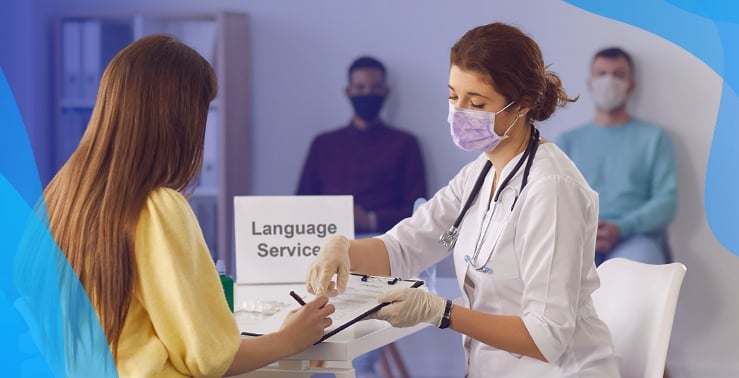
Meeting Patient Language Needs During RSV, Cold, and Flu Peaks
As the days get shorter and temperatures drop, hospitals and clinics prepare for a predictable yet challenging surge: the peak season for respiratory viruses. The "tripledemic" of RSV, the flu, and COVID-19 puts immense pressure on healthcare systems. But beyond the need for more beds and medicine, there is a critical, often overlooked need: the need for clear communication.
When waiting rooms are overflowing and patients are anxious, language barriers can become life-threatening obstacles. For Limited English Proficient (LEP) patients, understanding a diagnosis or following home-care instructions is impossible without help. This creates a surge in demand for talented medical interpreters. If you have been considering a career in this field, the respiratory season offers a unique opportunity to provide essential support when communities need it most.
The Important Role of Interpreters During Peak Seasons
During cold and flu season, speed and accuracy are everything. Emergency departments operate at capacity, and quick triage is essential. When a parent rushes a child in with RSV (Respiratory Syncytial Virus), or an elderly patient presents with severe flu complications, the ability to communicate symptoms instantly is vital.
Medical interpreters act as the bridge in these high-stakes moments. By ensuring that patients understand their care plans, interpreters help reduce readmission rates and prevent medical errors. During peak viral seasons, healthcare facilities rely heavily on a flexible workforce to handle the increased volume of non-English speaking patients. This surge creates an abundance of medical interpreter jobs across various modalities, offering professionals the chance to pick up extra shifts or start a rewarding new career path.
Finding the Right Modality for You
Because the demand during respiratory season is so high, healthcare systems utilize every available method to connect with patients. This variety means you can find a role that fits your lifestyle, whether you prefer working from home or being on the front lines.
Video Remote Interpreting (VRI)
For those seeking flexibility, video remote interpreting is an increasingly popular choice. VRI connects you with providers and patients through a secure video link. This allows you to pick up visual cues—like a patient pointing to where it hurts or a doctor demonstrating how to use an inhaler—which aids in communication.
VRI is particularly valuable during infectious disease outbreaks because it keeps the interpreter safe from exposure while ensuring the patient still receives face-to-face (virtual) support. It’s an excellent way to work from the comfort of your home while serving hospitals nationwide that are overwhelmed by flu cases.
Over-the-Phone Interpreter (OPI)
If you prefer an audio-only environment, becoming an over the phone interpreter might be your best fit. OPI is the fastest way for clinicians to access help; they can dial in an interpreter within seconds to triage a patient or explain a prescription. These roles often offer the ultimate flexibility in scheduling, allowing you to log on and assist during high-volume hours without needing a dedicated video setup.
In-Person Interpreting
For those who thrive on human connection, in-person interpreting offers a profound way to impact care. Being physically present in the room can be comforting to a scared patient or family member. In-person interpreters are often essential for complex cases, sensitive diagnoses, or situations involving deaf or hard-of-hearing patients requiring tactile signing. While safety protocols are strictly followed during flu season, the presence of a calm, professional interpreter in the room is irreplaceable.

Why This Season is the Best Time to Start
The surge in respiratory illnesses creates an immediate and urgent need for qualified professionals. For interpreter jobs, this translates to more available shifts, potential for higher earnings, and the ability to gain rapid experience in a short amount of time.
Working during this peak period also accelerates your professional growth. You will encounter a wide variety of medical scenarios—from pediatrics to geriatrics—sharpening your medical terminology and cultural competence. Moreover, helping a non-English speaking family navigate a health scare during winter months provides a level of job satisfaction that is hard to match.
Taking the Next Step in Your Career
The need for language access doesn't disappear when the flu season ends, but the current peak serves as a powerful reminder of how essential these roles are. Whether you are certified in American Sign Language (ASL), Spanish, or any other language, your skills can directly contribute to health equity and better patient outcomes.
If you are ready to use your language skills to help vulnerable populations navigate the healthcare system, now is the time to act. By joining a network of dedicated professionals, you can ensure that no patient is left without a voice, regardless of the season. AMN Healthcare can connect you with rewarding opportunities (full-time, part-time, and independent contractor) that match your skills, helping you make a real difference where it's needed most.