

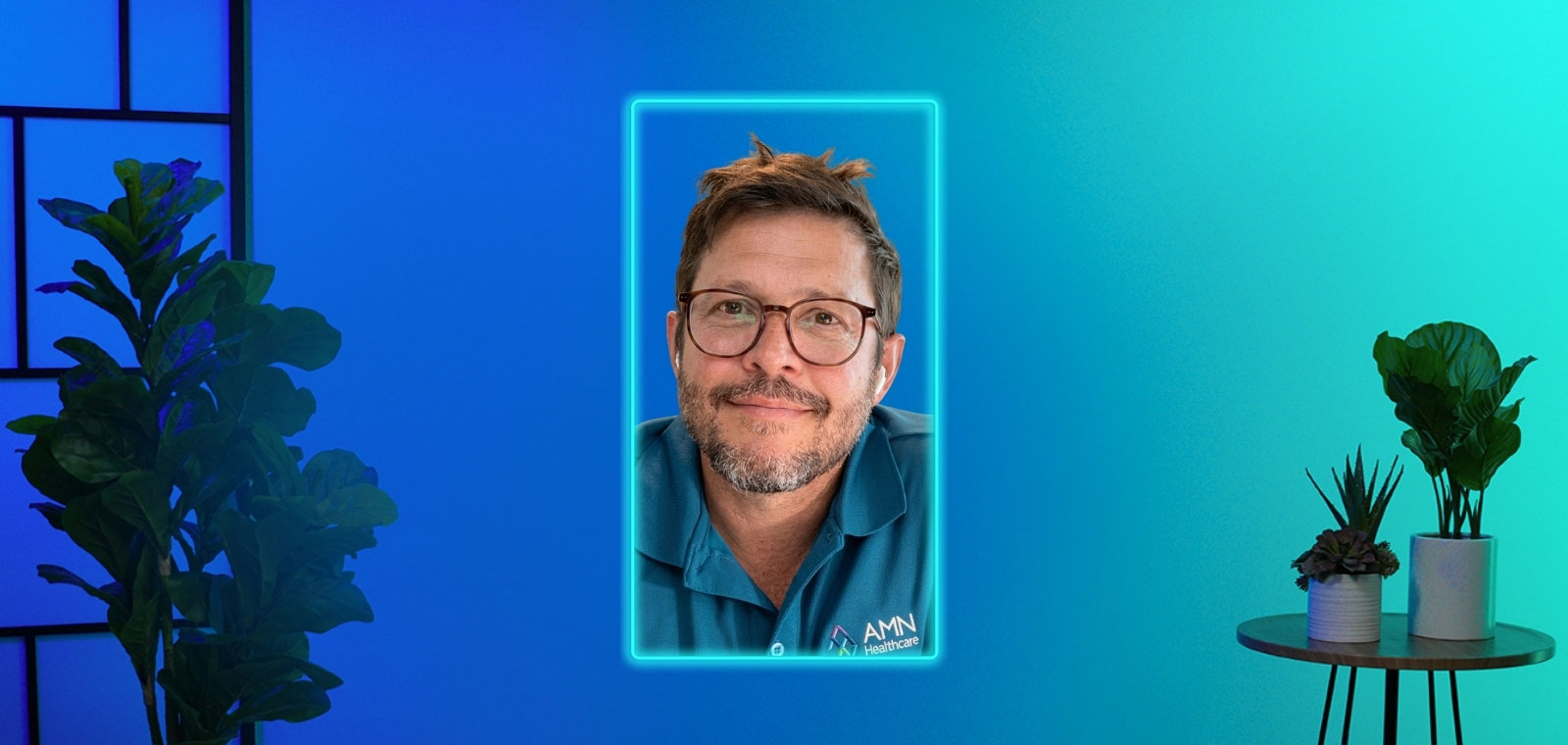
Nursing Uncharted Ep 112 - The Realities of Strike Nursing
Have you ever wondered what really happens behind the scenes during a nursing strike? In this episode of Nursing Uncharted, we kick off a special mini-series with Zach K., Senior Director of Fulfillment for AMN Healthcare’s strike division. Zach gives us real-life details of strike nursing assignments, from the rapid-fire logistics and our concierge-level support to the incredible camaraderie built on the floor. Whether you are curious about the true reasons behind strikes or how our cutting-edge technology, AMN Passport, puts control in your hands for these high-paying roles, this episode helps you see the bigger picture of patient care.
Subscribe to the Podcast!



Click here to become a Travel Nurse or Download the AMN Passport app.
Key Topics Discussed
- The Strike Experience: What a strike assignment actually entails and how AMN provides comprehensive, concierge-level support.
- Empowerment Through Innovation: How the AMN Passport app automates the onboarding process to get you to the front of the line quickly.
- Understanding the "Why": A compassionate look at why strikes happen, focusing on patient ratios and safety rather than just pay, and why we need strike and replacement nurses.
- Community Support: The bonds and teamwork formed among strike nurses stepping up to deliver exceptional patient care.
Chapters:
- 00:00 - Introduction & welcoming Zach Klemo
- 02:03 - What is a strike assignment and how long do they last?
- 04:31 - Jet-setting and rapid onboarding with AMN Passport
- 06:28 - The concierge logistics: Flights, private hotels, and shuttles
- 10:21 - The unparalleled camaraderie of strike nurses
- 14:14 - Understanding the sensitive realities and reasons behind a strike
- 27:51 - How to prepare your profile and secure a strike contract
- 33:21 - Biggest shocks and realities for first-time strike nurses
Guest Spotlight
Meet our guest, Zach K., Senior Director of Fulfillment at AMN Healthcare’s strike division. Zach and his team co-create nurses' careers during the most critical times, managing everything from event setup to flights and daily shuttles. Zach is deeply committed to ensuring patients receive uninterrupted, world-class care from highly adaptable nurses while facilities negotiate better working conditions.
Ready to step up when it matters most? Subscribe to Nursing Uncharted to hear more stories from the front lines, and share this episode with a fellow nurse who is ready to make a difference.
Transcript
00:00:00:00 - 00:00:19:09
Ann: Hey guys. Welcome back to another episode of Nursing Uncharted. This episode is a little different. It's a little special. And this is the start of a mini series that we're going to do, covering a topic that can be a little sensitive for some people, but it's a big, big moment for nurses, and we're seeing a lot of it.
00:00:19:09 - 00:00:30:09
Ann: So we thought, let's address it and let's talk about it. So to kick this mini series off, I have a very special guest and I will let him do his formal introduction. But welcome, Zach.
00:00:30:14 - 00:00:39:15
Zach: Hey, I love it. Being introduced as special is a great way to get this kicked off, so I loved that feeling special and so nice.
00:00:39:17 - 00:00:59:17
Ann: You're welcome. You are very special because we're going to talk about something that is a very sensitive thing in nursing. But you know, since I think this past year we've seen a lot of this. So it's something that we need to talk about. So nurses from every angle, travel nurses, bedside nurses, all of the nurses have, you know, a better understanding of why it happens and what we're doing.
00:00:59:17 - 00:01:07:03
Ann: So I'm going to let you kind of introduce who you are. So that'll kind of, you know, tell everyone what this episode is going to cover.
00:01:07:05 - 00:01:31:06
Zach: I love it. Well thank you. Yeah. My name is Zach Clement. I am the senior director of fulfillments, at AMD for our, strike division. So I run everything from setting up events, creating the orders that our clinicians sign up for all the way through to, by the end of the event, whenever we're, getting people on planes and sending them back home, I run that team that I, all the clinicians are reaching out to.
00:01:31:06 - 00:01:33:10
Zach: And talking to and building those relationships with.
00:01:33:10 - 00:01:56:09
Ann: Nice. Yeah. And that's a pretty heavy job, because of course, now everybody knows this episode is covering strikes. And you know what that looks like. And like I said, it's been a big year of strikes. So I think it's it's a time to talk about it. And it's a time to kind of dive deep into it and, you know, talk about those sensitive, controversial at some moments, those things.
00:01:56:11 - 00:01:57:04
Zach: Absolutely.
00:01:57:06 - 00:02:03:18
Ann: Yeah. So I think just to kind of start things off like what what is a strike assignment. Like what what is that.
00:02:03:20 - 00:02:21:21
Zach: So usually strike assignments are very short term. So is some of the nurses you know, that are listed here may have worked like a critical, short term assignment. These are like extra, extra critical short term. Right? So a lot of times we're signing people up for, five day events. They can be as short as one day event.
00:02:21:21 - 00:02:41:16
Zach: We've seen one day events in the past. And what we have seen in the last probably, two years is what we call an indefinite event. And that doesn't have an end date on it. But usually those, do settle within you know, ten days. What we've seen over the last, three events, though, are some very long indefinite events.
00:02:41:16 - 00:03:06:21
Zach: And we have set records over the last two events of, events that have gone over, 65 days. And that's not saying that, folks are working 65 days. They're kind of floating in and out of the event overall. Has gone, you know, two months plus. So, but usually, we're signing people up for, you know, one day, three day, five days, events are usually the standards in terms of what a strike event has.
00:03:06:21 - 00:03:26:07
Ann: Yeah, one, we didn't talk about this obviously in our in our prep for this episode, but a one day strike and talking about all the work that goes into that, from your side of things like for one day, you know, I think that brings up the importance of why we need the replacement workers for for the strike, even for one day.
00:03:26:07 - 00:03:29:00
Ann: Like, that's so, so, so much work.
00:03:29:02 - 00:03:50:16
Zach: We do the same amount of work for a one day event or a 101 day event, right? Because all of the logistics that goes into bringing in, you know, hundreds, sometimes thousands of folks into a, particular space and then get all those people out into their hotels, get them out into their, facilities and worksites. We do all that that work, you know?
00:03:50:16 - 00:04:05:02
Zach: Yes. Just how long you're going to be sleeping in that bed, in that hotel room, in that, in that city. Right. So, so, yeah, it's it's a lot of work for one day. And usually what you'll see is, you know, for a one day event, it's really it's just getting the word out is what it is. Right.
00:04:05:02 - 00:04:20:05
Zach: It's it's getting into the news. It's, you know, kind of, making sure that, there's a lot of eyes and attention on it. In terms of that bargaining and what's happening at the union, and client level. So we don't see a whole lot of one days, but, they definitely do.
00:04:20:08 - 00:04:31:19
Ann: Wow. Yeah. So, you know, we've talked a little bit already about it, but that the onboarding for a strike. Like what? Like what are those expectations of that. Like what the. Yeah. Like I mean.
00:04:31:21 - 00:04:53:10
Zach: It's a lot as ready as you can be. Right. And so it's kind of we talked about it like jet setting. Right. Like, be ready to jump on that plane, have your bag packed and ready to go. We call our app the Aim and passport. And a lot of that really came from the idea of having everything ready so that you can go and really work anywhere, at any point in time.
00:04:53:10 - 00:05:17:19
Zach: The strike is just that fast forwarded version of that to say, I'm going to call you an on a Friday and I'm going to get you on a plane on Monday. And that turnaround time is so much quicker than what? Usual, you know, travel assignments and what people are used to. Right. And so what we've seen from an onboarding standpoint for strike and really are, are strike workers that are very experienced as they've got everything in hand in they're ready to go.
00:05:17:21 - 00:05:38:13
Zach: And the app is now instead of you having that and you know, like your your purse and pulling that out and it's all that paper copy now it's just everything that you have in the app and you've got it uploaded. You've got it ready to go. If something's expired, you've got the the updated copy. And now whenever a job hits and, and we're asking for x, y and Z, you go, oh yeah I've got all that.
00:05:38:13 - 00:05:40:04
Zach: Here you go. And I'm ready to rock and roll. Yeah.
00:05:40:04 - 00:05:57:01
Ann: Right. Yeah. And I think that that's something I like. We can talk about, you know, as this conversation goes like what that looks like, you know, having all of that stuff, you know, ready to go. But, you know, let's kind of, you know, go back to what what does it look like taking the the assignment like that. Like what?
00:05:57:07 - 00:06:17:01
Ann: Let's say, you know, I've never done it. Like I kind of chatted about this like I was on an assignment when a strike happened. So I already was at the hospital. I didn't have to go through that process. But, you know, if I'm a new person coming in and looking at this, what, like, I mean, the first thing is obviously submitting for it, which is done through the passport app.
00:06:17:01 - 00:06:28:09
Ann: But then you know what what does a amend do for a strike because it is different than a regular travel contract? Yeah. If there are differences. So what does how does that look?
00:06:28:09 - 00:06:48:12
Zach: We I liken it to like a concierge service a little bit. Right. And so we'll get we'll get folks that will think I've got to go five Mound Hotel, I've got to book my flight. I got to get myself to and from work. Right. All the things that you, you would think about like that you do on a traditional short, shorter term assignment, we take that off of your plate for you.
00:06:48:12 - 00:07:03:17
Zach: Right. And so what we'll do, we'll call you, we get you signed up like you said. You get submitted, you get vetted, you get confirmed at that point in time are going, where are you coming from? And can you come on this date? Right. We're booking you a flight. We're then booking you a hotel. So you're getting on that flight.
00:07:03:17 - 00:07:22:09
Zach: You're showing up. We booked you a shuttle from the hotel. From the airport to the hotel. At that point in time, you're going usually directly into, like a big convention center, depending on the size of the event. And you're going through what's called in our check in. Right. That's where you kind of see online. You've seen maybe some things where it's like you're waiting in these long lines.
00:07:22:09 - 00:07:39:10
Zach: I think the DMV a little bit, but where we've got snacks, we got water, you know, we got people walking around. We've made it really. We're trying to do, like, more of a Disney style fast, fast cars. Right? So if you've done it before, you got a full on packet. You're maybe getting in a shorter line.
00:07:39:10 - 00:07:57:03
Zach: Right? You're getting checked in. And then at that point in time, once you've gotten through all the credentialing, you've gotten your badge, you've gotten everything, your schedule. We're sending you off to your what we call your resident hotel. Right. And that's booked for you for the duration. We booked you with, a one room occupancy. So you're not you're not bunking up.
00:07:57:07 - 00:08:01:12
Zach: It's not like college, right? You're you're in your own room.
00:08:01:14 - 00:08:16:13
Ann: And then you have to note, though, with that. Oh, yeah, I seen, you know, obviously everyone's on the social media pages where everyone is talking about everything and they're all that, like they walk into their room and there's someone in there all ready.
00:08:16:15 - 00:08:33:21
Zach: Well into, to be honest, because we don't man doesn't with the times that it has happened that we've heard you make really great friends, right? Like we have talked about it being like the relationships that people build over the course of, like a five day event or some of these events that have been like 65 days plus, like you become best friends with people.
00:08:33:21 - 00:08:50:23
Zach: And so we don't force people into those situations. And a lot of times people start being like, can I bunk with this person for the next, you know, for the next event, but you have your own hotel room. You got that privacy, you know, set up for you as standard with our company. And then basically we get you to and from work to.
00:08:50:23 - 00:09:08:03
Zach: So there's shuttle busses that run every morning before your, am shifts. There's, shuttle busses that run before the PM chefs. And then we're getting you to and from work every single day. So really, it's truly you just get there, right? You get there, you get your sleep and you do work. Let us do everything else for you.
00:09:08:03 - 00:09:32:18
Zach: Right. And so that's what we've tried to do. We've tried to build in a process where it really takes the stress off of you from a logistical standpoint, so that you can really, as a clinician, focus on the the most important thing that we always keep front of mind, which is patient care, right? That's what we want to do, is we want to make sure that the patients that are in those beds are being taken care of, while the union and the client are going in negotiating, and then getting that deal done.
00:09:32:18 - 00:09:49:11
Zach: Because at the end of the day, the patients are the most important thing to us. Right. And so strikes are already stressful. They're already semi chaotic. What we can do to smooth that out from a logistical standpoint and make sure you got a place to sleep, you got a place to get on a bus and get to work.
00:09:49:11 - 00:09:57:03
Zach: Say you're not fighting traffic in a city that you don't really know, right? That the better that experience is going to be for you at the end of the day, right?
00:09:57:04 - 00:10:21:02
Ann: Yeah. And that's really that is really important. And from, you know, my experience, like I said, I didn't go through, you know, just the strike onboarding, but I did I did make friends. You know, I these oh yeah these girls and I have to and I've said this even before we, I am the host of this podcast. I say those were some of the most phenomenal nurses I have ever worked with in my career.
00:10:21:02 - 00:10:43:12
Ann: Like the way that they come in, they, you know, go through the craziness like the credentialing line from the stories I hear of the friends that I've made. It's a lot. I think that that is something. It's a long day, you know, you have to wait your turn. You have to go through all the things. But, you know, they they go through that, they come to work and they do a phenomenal job with zero orientation.
00:10:43:12 - 00:11:02:01
Ann: Basically, you know, you have to really have the experience of the department that you're working in. And obviously I'm NICU and just I remember this one year. I will never forget her. I kept checking on her because she had this baby and they kind of put the nurse, the travel nurses that were already on assignment in like more of like the leadership roles.
00:11:02:01 - 00:11:20:00
Ann: So like, I was like a TL. So I was like going around and, you know, checking in on people. And I was blown away by her ability to just know what to do in a hospital that she's never worked in before. Yeah. You know, I just, I need to I need to highlight that because it is a really is as controversial as it can be.
00:11:20:00 - 00:11:39:08
Ann: And as, you know, sensitive as a topic of a topic, it is there are like a lot of positives that come out of it and that, you know, that's why I kind of had the passion of wanting to do, you know, these this little mini series and talk about because it is stressful as this can be for every party involved.
00:11:39:10 - 00:11:42:19
Ann: It really there's, there's a there's a reason why we're doing it.
00:11:42:21 - 00:12:12:11
Zach: You know. Absolutely. I think what what I've noticed over the, you know, the years that I've done this is I think that, that it attracts as a specific kind of person that is really comfortable in being in a situation where they don't have all the answers and where they're kind of self-sufficient a little bit. And when you surround yourself with hundreds of the same type of people that are in that mindset, truly, to your point, it's like, this is really an amazing thing to watch, right?
00:12:12:11 - 00:12:30:15
Zach: And it's an amazing thing to, to to be a part of. And then the people and the relationships that you build through that, it's because everyone's kind of in that same mindset, right? Like nobody's coming in there being like, I need three days of orientation, right? Like I need I need to be walked through this. Everyone's kind of like, point me at X, Y, and Z, and I can pretty much figure it out.
00:12:30:15 - 00:12:37:12
Zach: And, and you need a lot of just really dedicated, amazing, high level nurses. You know, you said next.
00:12:37:13 - 00:12:38:13
Ann: Year.
00:12:38:15 - 00:12:57:05
Zach: Yeah, yeah. You said Nikki, right? Nikki was my favorite my unit that I would. So, so as, as you know, cause here is we have an in as concierges we would go around and round during the shifts and I was able to be one of those in Southern California during one event. And I got to go every single night and go round on the Nikki nurses.
00:12:57:10 - 00:13:12:00
Zach: And all of those nurses in there were so like, I was like, I've told people this, it's like camp. It's like summer camp. But by the end of it, they were all like getting each other's numbers. They were getting a set, a vacation to go meet each other, and they had not known each other. It was a five day event.
00:13:12:00 - 00:13:30:13
Zach: They had not known each other prior, and by the end of this, they had really created this bond because it's a situation where you really need to just be like, we're all in this together. It's teamwork, right? It's really, truly like, how can I support you? Because we're all in this same situation where we don't know what what you know, we're doing.
00:13:30:13 - 00:13:46:07
Zach: It's the first time that we're working on this unit, and we're all here to do a job, and that camaraderie is just amazing to see. And that's over. Every event I've ever seen is that. Is that all in? We're all here to do a job. There's not this like, oh, that's not my job or I don't do that.
00:13:46:09 - 00:13:49:06
Zach: It's truly a I'm in and you.
00:13:49:08 - 00:13:57:00
Ann: Go in and do your job. It's like what you're saying, oh I don't want to like go in that route. But it's what nursing used to be and should be.
00:13:57:00 - 00:13:58:16
Zach: And I've heard that so many times.
00:13:58:20 - 00:14:14:06
Ann: And it's, it's so refreshing, you know, so refreshing to to see that. But you know, let's also talk about like why this is such a sensitive topic. Like what? You know what what is a strike. And like why does it happen? And like why is it important to have the people there?
00:14:14:10 - 00:14:36:07
Zach: You know, this is such a great question because I think there's a there's a large misconception out there of this. It's a very passionate topic, obviously. Right. Whenever a union goes on strike. Right. And I think because we're in the health care industry and where we're taking care of patients, it's very different because at the end of the day, you can be pro both, right?
00:14:36:07 - 00:14:57:19
Zach: You can be like, I am so about this union going on strike and going in negotiating. And at the same time, I am very supportive of the people that are coming in and taking care of the patients, because that same NICU unit that I was talking about was full when that strike started. And those babies have no care in the world about who's taking care of them.
00:14:57:19 - 00:15:14:05
Zach: They just need to be taken care of. Right. And so all of those nurses that we brought in are there to do that job. And and somebody needs to take care of this. We don't want to divert, you know, we don't want to send these babies out. We want to keep them there. The families are there. And at the end of the day, that patient care is really what it's about.
00:15:14:05 - 00:15:32:04
Zach: And so when you when you kind of peel it back and you think about it in that perspective, it really goes both can be true at the same time. I can be supportive of the folks coming in and I can be very supportive what's happening. And I think the major misconception that people don't understand is most unions, when they're going out on strike, it's not about getting more money.
00:15:32:04 - 00:16:02:08
Zach: It's truly, about the other things that are very important, which is I want to I want more time with my patients. Right. I want I want more staff, like better staffing levels so that I don't have to be spread so thin. Right. And so a lot of the great things that the unions are doing today, and negotiating for is really elevating the entire industry because it's all about taking care of patients so that people can spend more time and do the things that you guys love to do, which is that people part of the business, right, which is taking care of patients.
00:16:02:08 - 00:16:17:13
Zach: And that's at the end of the day, I think what people don't understand. Right. And so like it's it's it's really when you sit down and you talk with some of these folks, these staff nurses about what they really want, a lot of times it's not about the pay. And that's but that's usually what gets out there in the headlines.
00:16:17:13 - 00:16:29:06
Zach: And that's why it's out there. And it gets, you know, kind of because that's in today's day and age. That's what, you know, people click on that's the clickbait is the, you know, is the, the the fight that's happening. But at the end of the day, that's.
00:16:29:09 - 00:16:48:00
Ann: It's always about greed, you know, and and that's, you know, personally being part of like being a staff nurse for, a health care system that went on strike, you know. You, you hear like I know both sides of it and like you said, you know, knowing and being 100% supportive of both sides, I am that way.
00:16:48:05 - 00:17:06:07
Ann: And I work with people that are anti strike nurses and like you know they have this like Jade I had a nurse tell me one time when I worked that one, she was like there were no strike nurses. Nurses wouldn't go on strike and we would get everything we wanted. And I'm like, that's not reality.
00:17:06:12 - 00:17:08:00
Zach: That's not realistic at all.
00:17:08:00 - 00:17:30:05
Ann: Not realistic like it really isn't. And that's when you, you kind of and unfortunately, people do get wrapped up in a lot of the emotional part of this because it really is emotion that, you know, that gets the best of you and you lose track of like what the importance is. And it is the patients. We are nurses because we care about others, and we want to make sure that those patients are getting the best care.
00:17:30:09 - 00:17:50:16
Ann: And that's why we're on the street, on the corner, fighting to get more time, to get better patient ratio, get more staff, you know. Hello. You know, like that's that's why we're here. That's why we're doing what we're doing. And you know, I'm so happy you said it in such a great way because you know it really it is 100% on both sides.
00:17:50:16 - 00:18:21:17
Ann: And and you know, even the people that have that passion. Good on you, I support you. I get it, you're super passionate, but I also I'm like, I'm so grateful that there are people that are willing to deal with getting backlash for being one of those replacement workers, you know, and that that's a hard thing, too. You know, it's because and I don't want to say a lot of it, but the nurses, I know they have staff jobs that, you know, maybe their per diem at that they're they're going to go and work for another health care system while that staff is, you know, on strike.
00:18:21:21 - 00:18:27:12
Ann: It can be like an internal conflict. It can be emotional. But, you know, we're here at the end of the day, to do one job.
00:18:27:12 - 00:18:47:06
Zach: Exactly is taking care of those patients, you know, is taking care of those kids. And it's always it's it's the pedes unit that I'm on. That usually brings me back to that, you know, where I walk around and go, I'm, I'm I'm very appreciative of the fact that we've got people I'm, they can raise their hand and they can be here because at the end of the day, that's what we do it for.
00:18:47:06 - 00:19:08:01
Zach: You know, is is taking care of those patients. You know. So I think I've seen in the last two years though, and it's probably been since Covid really is strike has become more of a thing that people understand, I think because there's it's happening more and more. And I think the reason for it is because for the longest time, you guys were told you guys were heroes without capes, right?
00:19:08:03 - 00:19:23:11
Zach: And now it's like the unions are going, well, we'll treat us that way. Right? And that's why you're seeing as these CBA expressions are coming up, there's more of that public sentiment to be behind, to say, yeah, we need to take care of our nurse. We need to take care of our health care staff. Right? You guys work your butts off.
00:19:23:11 - 00:19:42:05
Zach: You guys work hard. It is a stressful, taxing, emotional job. And at the end of the day, we really need to be, you know, making sure that our, our health care system and our health care workers are taken care of. Right. And I think that because of that, we're now seeing more of these events happening. And it's now becoming more of a thing that people understand.
00:19:42:05 - 00:20:00:17
Zach: We're not having dialog about this. We're now talking about these events. Right. This isn't a dirty secret that's in the corner. Yeah. It's now something that we're talking about because it really is part in the process, and it's part of every probably health care system out there is going through this. Right. And and maybe they're not getting to a point where their nurses have to walk off the job.
00:20:00:21 - 00:20:25:11
Zach: But these are concerns for every single health care leader in every health care system around the country, of staffing levels, of ratios of, you know, just making sure that we're spending enough time at the bedside because that's the most important thing. So I love the fact that in the last couple years, there is this public sentiment of support for our health care workers to be able to go and, and, and strike if they need to.
00:20:25:13 - 00:20:34:17
Zach: And at the same time, we have, you know, a very healthy pipeline of folks that are willing to step in and make sure that the hospital stays open while that happens. Right?
00:20:34:17 - 00:20:56:03
Ann: Yeah. And I think that it sets a standard. You know, I come I'm from Pennsylvania. The hospital system I worked for, we weren't unionized, so we didn't have a we didn't have a say. The hospital made the decisions. And, you know, now working on the West Coast, seeing what that was, I didn't understand it. You know, for me, I was on the side of like, oh, how greedy can people be?
00:20:56:03 - 00:21:16:03
Ann: Like, I didn't get it. And now, like, you know, having having experienced it, you see it and it and it sets the standard for maybe even the hospital systems that don't have unions to be like, oh, shoot, we better we better look into this too. You know, we better step up and and meet that, you know, meet that standard that's being yes set.
00:21:16:05 - 00:21:43:02
Zach: It's such a great call out. It raises the standard across the board everywhere. Right. It's just like we talk about how travel you know travel nurse rates usually kind of impact the entire industry because it raises everybody's awareness of, oh, this is kind of what this job is worth now, right? The same thing happens whenever a union goes out, negotiates for better whatever, fill it in that then sends the message to the rest in the industry to say, this is a this is a big thing right now.
00:21:43:02 - 00:22:01:19
Zach: This is what our staff wants, right? And if we're not keeping up, then potentially we're falling behind and we're going to lose people because now people have flexibility to go and work where they want to be able to work. And, and I think they it's such a great thing to be able to see wins here and there, raise the bar for the entire industry.
00:22:01:19 - 00:22:05:05
Zach: Right. So it's it's it's such a good card and for sure.
00:22:05:06 - 00:22:27:03
Ann: Yeah. And honestly, I didn't even think about this until that's why I love these conversations like you know oh disclosure we met yesterday and then, you know, decided let's just do it tomorrow because someone wants to go on vacation for a while, either here nor there. So you know, but it's just like this conversation that I'm having, like, is so, like, just organic and like, these thoughts are just like, oh my gosh, like, why aren't we talking about this?
00:22:27:03 - 00:22:47:16
Ann: Because this is what people need to understand. There is such this box that we put what a strike is and what you know, what strike workers are doing. And like, you know, we're just going to stand on it and not, you know, think outside the box, but it really is. There's a reason that the nurses leave, and there's a reason that we still need people to come in and care for those patients.
00:22:47:16 - 00:23:07:06
Ann: So when we come back, we're going to have going to have those better ratios. We're going to have better patient safety, you know, and and something that I've seen is that with these with these strikes, you almost are having 1 to 1 nurse to patient ratio sometimes. Yeah. You know and people inspired by that. You know when I mean that I mean like the patient.
00:23:07:07 - 00:23:14:11
Ann: So like they're not wait a second. But why is this not all the time. So I think.
00:23:14:11 - 00:23:15:06
Zach: Exactly.
00:23:15:07 - 00:23:31:22
Ann: Every aspect of that I mean obviously the babies don't see it, but the parents do. And I've come back after and parents being like, wait, like I know that that was kind of scary for us because we didn't know what was going to happen. And in their minds, they're like, there's going to be one nurse taking care of seven babies, when in fact it was a complete opposite.
00:23:31:22 - 00:23:43:14
Ann: And they were like, yeah, it's like a VIP treatment. Absolutely. And then that shows even the the public and the patients that wait, there needs to be a change like this. Makes sense to me.
00:23:43:17 - 00:24:02:03
Zach: This makes sense. Exactly. I think, you know, I've had so many moments over the course of the years that I've worked right now, but one of the big ones was, and I'll just go back to you again. I've got two daughters, and my second daughter was in the NICU for three days afterwards, and she swallowed meconium. And, I think I said that.
00:24:02:03 - 00:24:20:02
Zach: Right. And, and, and she had to be in the NICU and as a, as a new parent, just how stressful you already are. And then now you've got a baby in there that's so small that you don't even know how they get IVs. And, and I just remember thinking, like, we're all at some point in time going to be the patient.
00:24:20:02 - 00:24:49:14
Zach: We're going to be on that other side of the bed. Right. And my whole career has been health care, staffing and talking to this side of the bed. And then I was now that dad in there, and I was that dad that was helpless and felt helpless. And the NICU nurses, Nikki nurses are my favorite. They got like, so smart, my heart because those Nikki nurses by the end I was giving them all big huge hugs because they they're I love them so much because they made us feel so confident and so taken care of.
00:24:49:14 - 00:25:04:08
Zach: And they were like, we got her like, family is going to be good. And it just made me go like, you know, we're all going to be on that side. And we want to make sure that the people that are taking care of us, right, are the best that they can be and, and can provide the best patient care.
00:25:04:10 - 00:25:22:02
Zach: And so I think when you step back from these events and you go, that could be your mom in that bed, right? That could be your parent that is sitting there needing a nurse. And we want that nurse to be able to go in and negotiate for whatever she needs to go negotiate. He or she needs to go negotiate for.
00:25:22:04 - 00:25:43:00
Zach: But that that mom or that dad needs to be taken care of in that bed still, because there's somebody that's stressing out, not sleeping, holding their hand that needs that person in there to say, I got you, I got you, we got this right. And so that I think was just like my moments ago, you know, like we just need these nurses in there, you know, to keep these beds open.
00:25:43:15 - 00:26:09:00
Ann: Yeah. And you know more to that. Like, yeah. Like you need to make the nurses not be exhausted, not be overworked, not stretched out. And like, you know, I nick you in my, my, my heart for so long and that's, you know, it's funny because I'm like, the babies are this big of my job, and the parents are the rest of the job because, you know, it's I always say I make the okay, I make the happiest day of your life horrible.
00:26:09:00 - 00:26:26:17
Ann: That is, you have to come through those doors. And when I say that to parents, they're like, okay, like, as much as it's like, and why would you say that to someone? It's like, I see you, I hear you, we're here for you. And you know, I'm going to ignore you a little bit until I get this baby settled and, you know, everything's good.
00:26:26:21 - 00:26:47:00
Ann: You know, we're here to help you, too, you know, and I can't. We all have bad days. But if every day I go to work, I'm overworked and stressed and exhausted, you're going to feel that the patients are going to feel that, you know, and absolutely no one wants that. So that's why these things have to happen, to raise that awareness and to point out the flaws and to fix it.
00:26:47:00 - 00:27:06:19
Ann: You know, I'm I'm on my soapbox right now. Like health care, we we need to do better. You know, and this is the stuff that's going to make health care better overall. You know, the patients are going to get better care because the the people that work in the hospital and not just nurses, you know, everybody in the hospital makes this happen, you know, and there are many unions in hospitals.
00:27:06:19 - 00:27:29:06
Ann: And yes, this is a nursing podcast. But we talked yesterday about, you know, highlighting the other allied professions that also have to go on strike to, to prove that they're going through the same things that nurses are, you know, that's it's you need everyone, you need everyone all in, you know, because that's what makes the hospital function. Every single aspect of that, every single employee making the hospital run.
00:27:29:08 - 00:27:31:04
Zach: Yep. Yep. Absolutely.
00:27:31:06 - 00:27:51:00
Ann: And I love it. I love I love the we talked about why there's a strike the passion behind it. Let's talk about where do we start. You know we we did talk about that but about that in the beginning. But you know what what are what are the steps. You know we mentioned the passport a little bit like what are some things that people can do on the passport to, to be ready.
00:27:51:02 - 00:28:12:20
Zach: I think, the biggest thing is just making sure that everything that you have on file is as current and up to date as possible, because what will happen and these events are so competitive in terms of who gets in and who gets, you know, kind of the day, sorry. We're closed. Yeah
00:28:12:20 - 00:28:35:05
Zach: Right. The people that usually sign up and that get into the jobs are the ones that have everything on file. Everything's up to date and they're ready to rock and roll. So you've got your your all your credentials up to date. You got your, you know, latest and greatest in terms of your work experience. It's not you don't have to go back two years and like I have and fill this out in, you know, like the last place it looks like I was working, you know, was in 2020.
00:28:35:05 - 00:29:06:02
Zach: Right. And so all of that is up to date. Those people get in. And I don't know if most people know this, but we have an automated process. For strike at Amnh where you don't have to talk to anybody. You don't have to really. No one's clicking buttons inside of our system. It is all automated. So that if you sign up for that job and you have everything, you will move through all the phases of the process to get submitted and to get confirmed for that job without without any human interaction.
00:29:06:02 - 00:29:21:17
Zach: Really. Now you can always talk to somebody. And so we're not taking the human out of it. But I think about it like when you take an Uber to the airport, right? Sometimes you don't want to talk to anybody. You want to put your headphones in. It's four in the morning. I got to get on this flight. I don't want to make small talk with somebody.
00:29:21:17 - 00:29:50:06
Zach: Right. So you put your headphones in, you book it, it shows up at your door, you get in, you sit back, you take a nap. Whatever it is, they drop you off. You hit the, you know, tip, and then you go into the airport and it's all seamless. It's all in the palm of your hand. When we were creating the strike process, my thought process was, let's just make it as easy as that, because I'm going to open up this job and you're on shift right now, right by the time you get off shift, you don't have time to call Zack and say, sign me up for that.
00:29:50:06 - 00:30:04:23
Zach: Which is right. Old school. What it used to be. Yeah. You have to call me and be like, sign me up for this. And then I'd ask you, do you have your California license? And right like that, that's we can't do that anymore. That is gone. Right. And so we created this process for you to go. I see the job sign up.
00:30:04:23 - 00:30:23:00
Zach: It'll tell you you need a California license. I'm a free license. Upload that right. Everything's in the palm of your hand and it goes. Congratulations. You're now on to the next step in the process. And so the people that have their full profile, you zoom right through, you're at the airport in like two seconds, right? You're done. You do everything in the palm of your hand when you want to do it.
00:30:23:00 - 00:30:43:06
Zach: It doesn't matter if it's three in the morning on your, you know, night shift whenever you're on break. And basically you can do you can do all of that. The power is in your hands, right? Is what we tell our strike nurses. And so how you, how you get to the front of the line is making sure that when you click that button, the sign up, there's nothing impeding you to get into one of those positions.
00:30:43:06 - 00:30:50:09
Zach: Right. So that's the biggest and, probably best tip that I can give is just making sure that your profile is updated in passport. You're going to get that.
00:30:50:10 - 00:31:02:14
Ann: I mean, that makes it so easy. Like you said, I did actually submit to work to work one, but it just didn't. Timing didn't work out. And I was like, wait, how is this? It's like, so fast. I'm getting these text messages. I'm getting all this stuff. Yeah.
00:31:02:16 - 00:31:15:03
Zach: Like I will have people be like, I didn't even talk to anybody, like, I, how did I get this site? And we're like, yeah, that's the point. You do like that's why you have one of the jobs right now. Do you know that people are waiting to talk to somebody? Don't have one of those positions that you have locked in right now?
00:31:15:03 - 00:31:15:22
Zach: Yeah.
00:31:16:00 - 00:31:27:18
Ann: So that makes I mean that's that's a huge, huge factor with with that am and has with the passport. I mean that's that's awesome. And it's so easy to like I use it and just having stuff up to date and it even tells you, hey, this is out of date. You need to upload.
00:31:27:20 - 00:31:44:06
Zach: You need to you need to upload this. We created this like, you know, Domino's pizza tracker. Like you're, you're, you're, you're pizzas going into the oven now. Oh, you know, Mike took your pizza out of the oven. He's put in the box like it's telling you all the steps because you're just sitting there hungry and you're just like, what's going on?
00:31:44:12 - 00:31:47:17
Zach: And so those little steps have seen it move through the process.
00:31:47:19 - 00:31:49:18
Ann: Help take that. Like getting filled it.
00:31:49:19 - 00:32:07:17
Zach: Yes. Like you, everyone loves to see progress. Right. So what we built in the app is the same thing. Here's the milestone. So when you sign up, here's where you are now. And then you can also see here all the next steps that are going to happen in this process. And what it really helps people do is visualize this timeline of I'm here.
00:32:07:17 - 00:32:29:07
Zach: What's the next step? I need to get to? And the app will tell you you need this, this and this to get to this next step. Or it'll say, hey, we're just on hold right now. We're just waiting. There's nothing for you to do. You're good until this next part of the process happens. And so when we built that out, it was in the mindset of like, people want to know, where am I today and where am I going and how do I get there.
00:32:29:07 - 00:32:45:20
Zach: Right? And so that part of the the app is really helpful in terms of like kind of painting that picture of, of that timeline. We don't call it the we kind of call it, okay, I'm going to give you a secret. We kind of internally call it the pizza tracker, but it's basically this from my timeline, in the passport app.
00:32:45:20 - 00:32:58:00
Zach: And I just love whenever people are like, I move through that thing like this. And I never had to talk to anybody. Like, I just, I got everything uploaded. Yeah, and now I got it. Now. Now I'm getting on a plane tomorrow, you know. Yeah, it's it's I.
00:32:59:13 - 00:33:21:08
Ann
Much stress off of it too. Like we talked about like it's it's stressful. Like in every aspect of what it is. It's stressful. So having those things done and like not having to worry about, you know, is it just takes that much more stress off of, off of your shoulders, which, which is great. So absolutely, this being like my first time, let's say, what is like the biggest like shock for first timers.
00:33:21:08 - 00:33:22:11
Ann: Do you think.
00:33:22:13 - 00:33:44:11
Zach: I will I will probably say that it's the, the two things. So the biggest shock is people walk into these conference centers and they're kind of blown away by the the size, the sheer amount of people there. And, and some of these events have been thousands of folks. Right. And so I think whenever you're signing up, you're like, oh, you know, like you're really only thinking of your personal experience.
00:33:44:11 - 00:34:06:01
Zach: And then you walk in and you realize, oh my goodness, 5000 other people are wanting to do the exact same thing. And logistically, there's some complex issues that we have to solve for, right? How many people can we get into these convention centers through these lines as quickly as we possibly can? You're going through fit testing. You're going through sometimes you have to go to we've got physicians that are doing physicals.
00:34:06:01 - 00:34:25:20
Zach: We've got drug screening. You're going through your credentialing packet with a credentialing analyst. I mean, there is you're getting your your picture taken for your badge. I mean, it is literally like it's five DMVs put together that you're going through. Right. And, and and when people walk in and they go like they think I've had people just be like, hey, I want to work this event.
00:34:25:20 - 00:34:42:19
Zach: And it starts tomorrow and I'm just going to show up. And it's like, you don't understand. There is so many things you have to do before you can get like to that first hour of your first shift, right? So I think that's the first moment is like like you're going to go through some like waiting and you're going to have to have some patience.
00:34:42:19 - 00:34:57:21
Zach: Right. And so the people that are sitting in line next to a strike, like an experienced strike person, they go, this actually isn't that bad. This is good. It's going to move faster than you, than you realize, right. And and that person that's there for the first time is like, this is going to be forever. You know, and they're freaking out, right?
00:34:57:21 - 00:35:15:15
Zach: So it's just like, have some patience. Put in your headphones, listen to an audio book. Right? Like just, you know, you're going to get through it together. That and then I think the other thing is just the unfortunate part of the job, which is it's not guaranteed. Like in a travel assignment, you're going to get that offer, you're going to go through it with your recruiter.
00:35:15:15 - 00:35:33:13
Zach: They're going to go through all day. You know, here's what here's what you get. Here's your pay. Here's a per diem. All that right. You're going to sign your contract and you're good unless you say I'm out. Or sometimes I do get the travel assignments, get canceled, you know, but not but it's not that often. Yeah. And strike.
00:35:33:15 - 00:35:50:02
Zach: We always tell people your job is not guaranteed until you see the whites of my eyes checking in and even then, there are times where they say, you know, the client will go, we don't need X amount of nurses. Now, we've kind of done some re, you know, calibrations or the cross rate we think is going to be higher.
00:35:50:04 - 00:36:13:17
Zach: And we've had to send people home after they've arrived. So I think that's the biggest shock for new nurses that have never worked as right before is how quickly that that contract can basically end and now you're you're not needed anymore. Unfortunately, it's part of the process. And I've had tears and people try to be like, you know, I, I want to talk my way in.
00:36:13:17 - 00:36:32:08
Zach: I've worked for 25 years in the industry or whatever. I'm like, I get it, it's numbers is truly a numbers thing. At the end of the day, we need to 500. Today we only need 250, right? And 250 people have to go home. And it truly just comes down to sometimes first and first out. You were the last people to to sign up and you're that you're a good.
00:36:32:08 - 00:36:45:20
Ann: Thing to point out because you do see that like again on social media, you see all these like, you know they everyone likes to highlight bad. So, you know, it's good to like like why that happens. And the other side of like what other things happen. And you know, sometimes hospitals settle last minute to where.
00:36:45:20 - 00:36:46:10
Zach: They do.
00:36:46:12 - 00:36:48:06
Ann: Completely called off. So they.
00:36:48:06 - 00:36:54:03
Zach: Didn't. That's never been a been goes home. Yeah. All that horror does goes nowhere.
00:36:54:05 - 00:36:56:20
Ann: Everyone just gets a vacation to wherever they are.
00:36:56:22 - 00:37:10:15
Zach: I mean, you know, we do we do have a, you know, a flight that you flew in and then you flew back out. You had a nice little, you know, 12 hours away from home. But it's never fun. But it does happen sometimes. Absolutely.
00:37:10:18 - 00:37:33:17
Ann: Well, I'm so happy we talked about this. I think you highlighted some very important things. I think this is a great way to jumpstart this mini series. And, you know, I'm excited for the episodes to come, but this was a really good place to start because it breaks it down. We talked about those sensitive things. And, you know, you give a very clear understanding and of what both sides are, which I like, I respect, and I thank you for for doing that.
00:37:33:17 - 00:37:35:16
Ann: And joining me today. Yeah.
00:37:35:16 - 00:37:45:23
Zach: And it was such a pleasure to talk with you. Seriously. It was great. Thanks for having.
00:37:46:01 - 00:38:08:11
Ann: Thank you for tuning in to Nursing Uncharted. You can learn more about this episode and our show on our website at AMN. Health care.com. If you enjoyed this episode, share it with a friend and subscribe to our show on your favorite podcast platform. You can also find show updates and nursing opportunities on our Instagram @AMNnurse. Special thanks to AMN Healthcare for making this show possible.


