

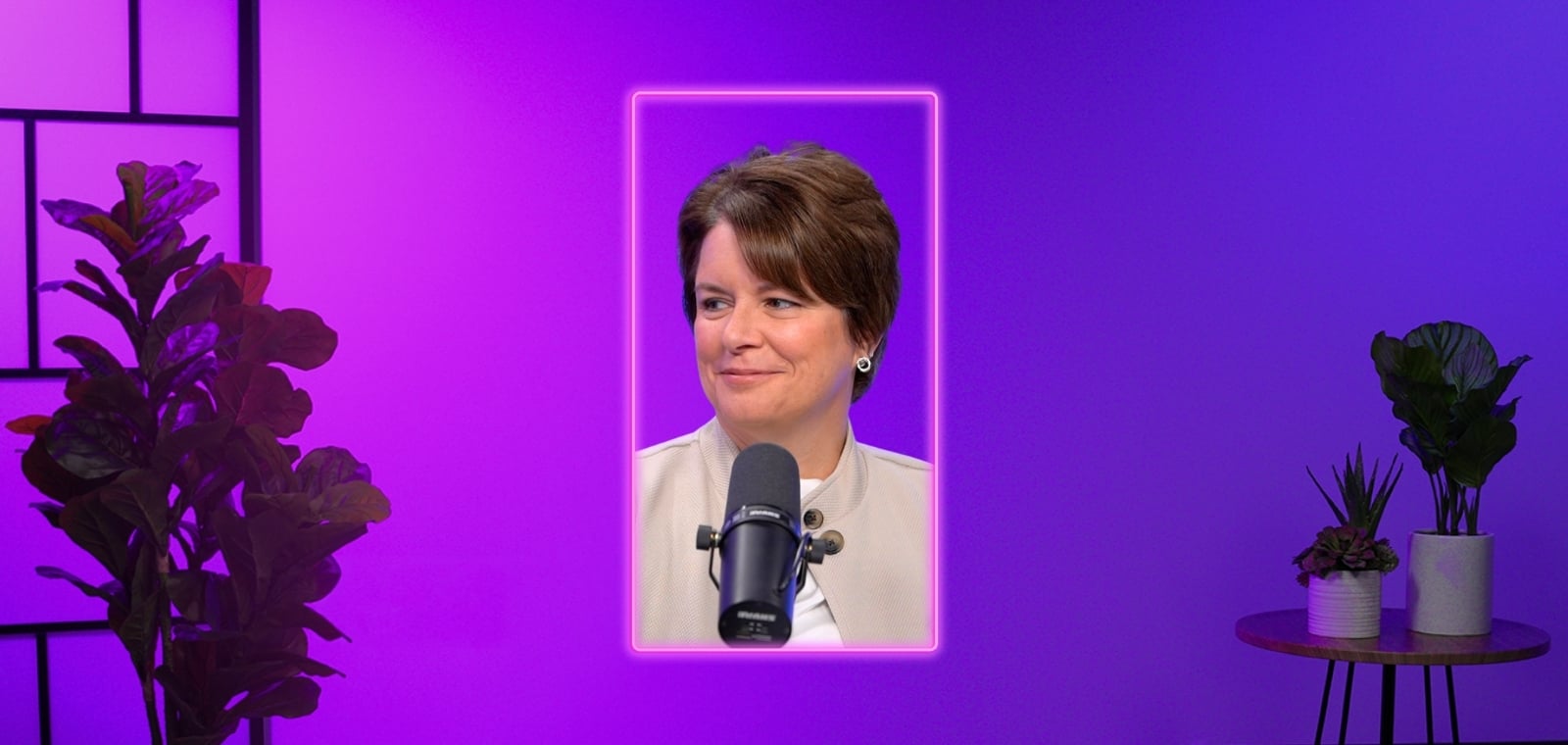
Cross-Industry Lessons from Katie Cullinan, SPHR: What Healthcare Can Learn About Finding, Keeping, and Growing Talent
In this episode of the Elevate Care podcast, host Enderson Miranda talks with Katie Cullinan, SPHR, about what healthcare can borrow from hospitality, manufacturing, and financial services to strengthen its workforce. Drawing on a career that spans four industries, Katie explains why healthcare's slow pace of change often comes down to how new ideas get implemented, not the ideas themselves, and what it takes to adapt outside concepts without losing sight of patient care.
Katie also walks through her approach to workforce strategy: find, keep, grow. She shares how Nuvance uses data to understand why employees leave in their first 90 days, why job shadowing has improved early retention, and what separates a transactional vendor from a true strategic partner. The conversation closes with her advice for leaders who want to build a culture where good ideas, and honest failures, can surface from anywhere in the organization.
Key Takeaways
- Healthcare innovation often stalls not because borrowed ideas are flawed, but because they are copied without adapting them to the culture and realities of patient care.
- A find-keep-grow workforce strategy only works when organizations are honest about where they are strong and where they need outside expertise.
- The majority of employee departures happen within the first 90 days, making onboarding and early support critical to retention.
- Strategic partnerships thrive on transparency, shared accountability, and a willingness to pivot together when organizational priorities shift.
- Leaders build trust and surface better ideas by spending time on the front lines, not just in conference rooms.
- Creating a safe space for "earnest fails" encourages the kind of experimentation that drives long-term workforce improvement.
Chapters
- 00:00 – Introduction to cross-industry HR leadership
- 01:26 – Katie's career path across four industries
- 03:29 – What healthcare can learn from other industries
- 08:52 – Leadership principles for the future of work
- 12:57 – The find, keep, grow workforce strategy
- 16:58 – Using data to solve early turnover
- 20:49 – Getting out of the office to understand the workforce
- 22:36 – Building strategic partnerships that last
- 31:22 – Holding partners accountable over time
- 35:21 – Final advice for healthcare leaders
Meet Katie Cullinan
Katie Cullinan recently served as Chief Human Resources Officer for Nuvance Health, a three-billion-dollar health system spanning western Connecticut and eastern New York with 15,000 employees. She led strategic and operational people services across total rewards, talent acquisition, process optimization, change management, and labor relations, and served as a trusted advisor to the Nuvance Health senior leadership team and board.
Katie's career includes HR leadership roles in manufacturing, hospitality, and financial services, including managing large acquisitions and integrations for GE Capital. She holds a bachelor's degree from The Catholic University of America and an MBA in Organizational Behavior and Development from George Washington University. She is SPHR certified and Six Sigma Green Belt certified.
Transcript
00;00;00;01 - 00;00;01;07
Katie
it starts with
00;00;01;07 - 00;00;03;19
Katie
leaders, is to get out of your office.
00;00;03;19 - 00;00;04;22
Katie
an hour or two
00;00;04;24 - 00;00;05;16
Katie
talking to people,
00;00;05;17 - 00;00;08;03
Katie
just seeing how they work
00;00;08;06 - 00;00;17;22
Katie
just seeing what's on their mind.
00;00;17;25 - 00;00;43;01
Enderson
Welcome to elevate the podcast, where we explore the ideas, innovations and leadership strategies shaping the future of healthcare. I'm your host, Enderson Miranda, and today I'm joined by Katie Cullinan and accomplished Senior HR Exec. & CHRO, Nuvance Health whose career spans four distinct industries from services, manufacturing, financial services and now in healthcare. I've had the pleasure of partnering closely with Katie and her team.
00;00;43;03 - 00;01;09;28
Enderson
Her most recent role as a at Nuvance Health, a multi-state organization with over 15,000 employees. And I'm really excited about today's conversation with Katie. Her breadth of experience has really given her a unique, broad perspective on leadership, workforce strategies, and overall what organizations across very diverse industries can really learn from one another. So looking forward to conversation today.
00;01;10;00 - 00;01;12;25
Enderson
Thank you for coming in, and welcome to Elevate Care.
00;01;12;26 - 00;01;14;04
Katie
Thank you for having me.
00;01;14;05 - 00;01;26;12
Enderson
So, Katie, I always like to begin the our dialog with our guests by asking them to share a little bit about their journey. So can you tell us a little about your background and the journey that led to where you are today?
00;01;26;13 - 00;01;45;27
Katie
Sure. Well, I've had the privilege of being able to serve multiple different organizations, as you mentioned, across multiple industries. So I started right out of college working in the hospitality industry, had the opportunity to learn both operations management and set up an HR function from scratch. So take all the theory I learned
00;01;45;27 - 00;01;49;02
Katie
in my master's program into reality.
00;01;49;06 - 00;01;53;15
Katie
After that, moved from the D.C. area to Connecticut,
00;01;53;15 - 00;02;16;29
Katie
worked in manufacturing, and that was my first experience with labor relations. So started out with the Teamsters as a as a partner through that process, and then had the opportunity to join GE capital. GE is a fantastic place to learn HR because not only is there a lot of support, skills, mentorship, and coaching, but that business moves very fast.
00;02;16;29 - 00;02;29;04
Katie
So the opportunity to take on lots of different opportunities. And in my last several years there, I worked in mergers and acquisitions on some large, some large acquisitions, including the acquisition of part of City Capital,
00;02;29;04 - 00;02;29;18
Katie
which
00;02;29;20 - 00;02;32;02
Katie
centered in Dallas and all over the United States.
00;02;32;02 - 00;02;49;14
Katie
I then spent eight years doing independent consulting with small businesses and startups who didn't have their own HR departments or their own HR people, but it was still critically important that they had the right ways of hiring, training, and building a culture that they wanted to be able to build.
00;02;49;14 - 00;02;58;03
Katie
So that was I really enjoyed that for about eight years, and then had the opportunity to join what was Western Connecticut Health Network, which became Nuvance Health
00;02;58;08 - 00;03;04;26
Katie
in an HR senior HR business partner role, supporting the corporate functions, and then
00;03;04;28 - 00;03;17;04
Katie
became a leader over those functions through multiple integrations and and mergers, and spent my last four and a half years serving as the chief human resources officer.
00;03;17;06 - 00;03;25;25
Enderson
Yeah. So like as you mentioned, I've been able to really look into four, again, very distinct industry leading large HR functions across those
00;03;25;25 - 00;03;26;11
Enderson
four
00;03;26;14 - 00;03;29;12
Enderson
industries as a whole. Can you share a little bit more about that with us?
00;03;29;12 - 00;03;49;07
Katie
what I'll highlight is what I think is distinct about the specific models of those. And then what I think is sort of really similar among those. So when we talk about the hospitality industry, it's about the customer first. And that can look like a lot of different things, but really putting the customer or in healthcare, the patient right at the center.
00;03;49;08 - 00;03;55;27
Katie
But also if you are a corporate function in healthcare, you have a different client, right? That then service the patient.
00;03;55;29 - 00;03;58;27
Katie
In manufacturing, it's about
00;03;58;27 - 00;04;18;11
Katie
productivity and efficiency. In financial services, it's about resilience and nimbleness, the ability to move quickly when new opportunities present themselves. And in healthcare, I think of that as a very clear connection to purpose. Everyone in the organization understands why why we're here
00;04;18;14 - 00;04;18;20
Katie
now.
00;04;18;20 - 00;04;22;17
Katie
The reality is, is that what recruitment and retention and workforce
00;04;22;17 - 00;04;36;07
Katie
effectiveness looks like is a little bit different in each of those industries because of their business models or their particular industry challenges, but every single one of them has to recruit and retain talent. Yes. Or they're not in business.
00;04;36;09 - 00;04;42;03
Enderson
Yeah. No, that's that's a really good point. And so to that, that piece right around recruitment retention of talent
00;04;42;03 - 00;04;55;05
Enderson
and as a whole like, you know, love to touch more on what are some of those distinct industries can teach health care and as, as we know and and we hear often that health care is very unique. And in a lot of ways it is.
00;04;55;05 - 00;04;55;20
Enderson
But
00;04;55;21 - 00;04;59;01
Enderson
what are some of the things that do transcend that we can learn from.
00;04;59;02 - 00;05;00;18
Katie
As well? Well, and I do think
00;05;00;23 - 00;05;11;11
Katie
put my own sort of personal plug here that I do think it's critical that health care take a broader perspective when it comes to ideas and to innovation.
00;05;11;14 - 00;05;15;27
Katie
you know, health care is at a really critical place
00;05;16;00 - 00;05;24;07
Katie
in its survival, which is not just important as a business, but it's important to the communities that they serve and and the need to be able to care for the community.
00;05;24;08 - 00;05;48;29
Katie
So we need them to be successful and to survive. So in order to do that, you have to be able to innovate, evolve and grow. And health care is notorious for being very slow in that space, some of which is because of its unique challenges, and some of it is because they need what they're trying to solve things within just their own environment.
00;05;49;06 - 00;06;08;29
Katie
And we're not really great at looking at other health care institutions or outside of outside of health care. Now, there have been some great examples over the years where health care, leveraged hospital, hospitality industry, for example, to improve patient experience. You know, there's been some definitely some work in the quality side. But,
00;06;08;29 - 00;06;12;29
Katie
if we were to dissect some of those examples where
00;06;12;29 - 00;06;16;04
Katie
Lean Six Sigma, for example, didn't quite take hold,
00;06;16;04 - 00;06;19;21
Katie
a lot of it has to do with how it was implemented.
00;06;19;22 - 00;06;22;01
Katie
Not that there's a problem with the idea,
00;06;22;01 - 00;06;25;27
Katie
and there's many examples, even within industries where,
00;06;26;00 - 00;06;43;00
Katie
you know, they've tried to translate Lean Six Sigma from Japanese manufacturing to American manufacturing. And there are problems with it because the cultures are different, because the dynamics are different, because we're talking about patients, because we're talking about protected health information, because we're talking about all of those kinds of things.
00;06;43;00 - 00;07;02;15
Katie
So what what all of those industries have you heard me list off some of their strengths at the beginning is they have something to offer health care. Each one of those have something to offer health care as well as other industries. But you have to understand what the purpose of that. So what's the purpose of the Six Sigma?
00;07;02;16 - 00;07;23;16
Katie
What are we trying to accomplish with it? Understand the fundamentals of it and the framework of it, so that you can then say, okay, so then how do we need to adapt this right to be successful within a health care environment, understanding that you need all of the best practices of adoption, change management, you know, all of those things.
00;07;23;16 - 00;07;30;28
Katie
But that's where those examples have failed in the past, is an attempt to cut and paste something out of another industry
00;07;30;28 - 00;07;35;17
Katie
without adapting it, without being intentional. So you miss the opportunity.
00;07;35;18 - 00;07;46;05
Enderson
Yeah. And then, you know, people were looking at it and immediately assume, oh, it doesn't work in healthcare, right. So you're trying to cookie cutter approach just, you know, without the proper adaptation.
00;07;46;05 - 00;07;51;17
Katie
So yeah, as well as, you know, adoption, these are different people. So
00;07;51;20 - 00;08;19;11
Katie
if you are telling a salesperson, hey, we're going to try this new tool or we're going to try this different approach versus you're telling a physician that we're going to do something different. Their motivations are different. Their what you need to do to get them to adopt is different, but you need to spend that time to do that because without their adoption, without that frontline caregiver buying into what you're trying to do, seeing what the benefit is going to be for the patient, because that's what their primary concern is.
00;08;19;15 - 00;08;24;24
Katie
How is this going to benefit the patient? How am I going to be able to provide better care by doing this?
00;08;24;24 - 00;08;26;24
Katie
You need that or it's not going to go anywhere.
00;08;26;26 - 00;08;52;19
Enderson
Yes, absolutely. And and do you mention that are core right. The change management and really being able to to get the buy in and get the organization in the different stakeholders on board as well. Which leads me to think, you know, as as you're looking again, you're working out of the different, you know, diverse, different industries. What would be some leadership principles that have kind of carried over over the years in your experience, that kind of helped you to see how the future of work is shaped today?
00;08;52;21 - 00;09;08;14
Katie
Well, I think it's really about taking a human centered approach, and you always have to balance that human centered approach with business requirements, right? We all have to be held accountable. We all have outcomes, whatever those, whatever those may be. But taking a human centered approach,
00;09;08;20 - 00;09;16;12
Katie
you could argue across the four industries that I mentioned that, well, manufacturing is not as people centered
00;09;16;12 - 00;09;17;08
Katie
as the other industries.
00;09;17;08 - 00;09;33;02
Katie
I would argue they are. All people centered because until the day comes in which you have a fully automated, you know, plant with no people in it, you still need people. There are people who do the work and health care in particular. Those people are the ones who care for the patients.
00;09;33;05 - 00;09;34;05
Katie
you know, treating
00;09;34;08 - 00;09;43;16
Katie
new hires as a body or as a widget or, you know, is is the biggest mistake any organization can make.
00;09;43;18 - 00;10;14;17
Katie
These are these are human beings who have motivations, desires, skills, potential, all of those things. And again, tapping into what the strength of healthcare is, which is we all understand why we're there. We all understand that connection to purpose. How do we make this the best place that someone can do that work? Right. And that requires a lot of different things.
00;10;14;17 - 00;10;34;12
Katie
So that requires understanding what they want. Well, you know, the table stakes are I'm paid fairly and I have a decent set of benefits. That's table stakes. So assuming we have that, I want to feel like this is a place where I can continue to grow and the the support is there for me to do that. My manager supports that.
00;10;34;12 - 00;10;52;11
Katie
There are either internal or external training programs or education programs that I can take advantage of. I can be mentored, I can be coached, I can see a path. So even if I come in as an entry level employ into, you know, I'm doing patient transport or I'm doing EBS or whatever,
00;10;52;13 - 00;10;54;20
Katie
Am I surrounded by those support pieces?
00;10;54;20 - 00;10;59;07
Katie
I have to take advantage of it. But there there some someone's willing to help me
00;10;59;09 - 00;11;12;02
Katie
I can see that there are multiple different paths. I don't need to leave to have a career. And the great thing about healthcare is there are clinical roles there, non-clinical roles. There's so many different things that you could do. So those are some of those critical pieces.
00;11;12;03 - 00;11;13;01
Katie
But I think,
00;11;13;01 - 00;11;35;10
Katie
many organizations have those pieces in place. But what takes you to the next level is does your is your culture centered around empowering employees? And what I mean by that is they're the ones who actually do the work. They're the ones who manage those processes. They know what is difficult. They know what is waste, they know what gets in their way.
00;11;35;12 - 00;11;50;25
Katie
And a lot of times decisions are made someplace else, right? You know, we decided we're going to change this process or we're going to buy a new piece of equipment, or we're going to move this cart that you used to have here down the hall, without an understanding of what that means to what they have to do every day.
00;11;50;26 - 00;12;13;09
Katie
And they sound like small things. They're not, especially in a crisis. So crisis comes and you move to my cart somewhere else down the hall. That's a problem. So as we're trying to solve things and as we're trying to remove waste and as we're trying to strip away everything that is not taking care of a patient, we need them.
00;12;13;11 - 00;12;36;23
Katie
We have we need a mechanism to have our employees raise those suggestions, have those suggestions be valued, have them be rewarded. So what is be safe to raise a hand and say something is wrong, right, and be very visible about safety stars or what other, you know, recognition that you have, that it's part of your culture that they are involved in making that a better place to work.
00;12;36;25 - 00;12;57;24
Enderson
No, I love that. I love to kind of continue on that path right around the people right in the place to work. Because you've described your workforce strategy over the years. Right? A very clear triad, right? You find them, you keep them, you grow them. So I'd love to to hear a little bit more about that and how organizations can kind of make one of those build on each other as well.
00;12;57;26 - 00;13;03;27
Katie
But I think it's, you know, as we're just talking about, it's that continuum, right? It's all the different pieces. Once they're in the door, you're not done.
00;13;03;27 - 00;13;11;05
Katie
you know, organizations today are very different than they used to be. There's no expectation that you're going to be in one place for 30 years. Right.
00;13;11;05 - 00;13;12;25
Katie
But we want you to.
00;13;12;26 - 00;13;22;23
Katie
I'd love if this was a place that you wanted to stay for the foreseeable future. Right. Until you decide that, you know you need to move, you decide you need to do something else.
00;13;22;29 - 00;13;30;07
Katie
I would never want the excuse to be. Well, I had to leave because I didn't see the path. I didn't know how to get help.
00;13;30;07 - 00;13;43;21
Katie
I didn't know where to go to. You know, I want to be able to go to school, but the organization is probably not going to change my schedule. We should we should figure out a way, especially an organization that's large enough to figure out.
00;13;43;21 - 00;13;44;23
Enderson
A way themselves. Right.
00;13;44;24 - 00;13;56;03
Katie
And and then and then so you go get your degree and then you come back and have the opportunity to take a bigger role in the organization. You know, you're a you're a nurse and you want to be an apron. We want you to be an apron for us. Yes.
00;13;56;03 - 00;14;09;02
Katie
And not only because we've invested in you, but we went to the trouble to identify someone who would be a good fit for our culture, who would be a great part of the team and would help us to take care of our community.
00;14;09;10 - 00;14;21;17
Katie
Why shouldn't we want to do everything possible to to keep that employee? So that means you have to be willing to be creative at all the different steps. You have to be willing to open up new partnerships.
00;14;21;21 - 00;14;33;22
Katie
You need to be able to tap into community partners, academic partners, vendor partners, whoever that may be, to get help. And it all starts with being honest.
00;14;33;23 - 00;14;54;08
Katie
So if you assess yourself across that continuum and say, where are we? And where could we? Where are we really strong? We need to keep doing that and where could we do better? And are we in a position to invest in getting better at that thing? And how long will that take? How long will that long will that take us and what will that cost?
00;14;54;10 - 00;15;14;24
Katie
And that helps you decide, okay. Am I going to build that inside, and am I going to accelerate this or tap into expertise that we don't have from an, you know, an external partner to help us to do that? And that's so that's from everywhere from, you know, sourcing the talent, developing programs that create interest in health care.
00;15;14;26 - 00;15;17;03
Katie
You know, we have new Vance has some
00;15;17;03 - 00;15;23;20
Katie
programs. We partner with the community for disconnected youth or the formerly incarcerated or the disabled,
00;15;23;20 - 00;15;32;18
Katie
who may not normally take a path into health care and help put them on a path to healthcare with a guaranteed role within the organization.
00;15;32;18 - 00;15;41;07
Katie
And then once they're in all employees, not just those who start challenging way, we know that all employees need help.
00;15;41;07 - 00;16;01;16
Katie
So if we look at the data, for example, we say, why do employees leave? Well, at least for the last several years, the majority of people who leave leave in the first year, and the majority of people who live in the first year leave in the first 90 days. So that onboarding period is critical. I didn't just throw them in, I set them up in an environment where they could be successful.
00;16;01;16 - 00;16;18;28
Katie
I checked in with them regularly and I resolved issues when they had it, so they felt like somebody actually cares that I'm here. They want me to be successful. I set them on that right path, which then, you know, just continues. And if they love it there, maybe they'll refer other people.
00;16;18;29 - 00;16;47;21
Enderson
Yes. And it's we had in previous dialogs as well. Right. And even before they start writing, sharing that they are the right fit for that environment and then, you know, walk them through. Right. Because then once they get past the 90 days, to your point, right. The stickiness, it's it's much stronger creating that their ability for them to to grow and see a long time future and organization and and to your point, most organizations, every organization wants to be able to to find and retain exceptional talent.
00;16;47;22 - 00;16;58;02
Enderson
Right. But some do a really good job at it. There is not so much. And you mentioned, you know, already some examples of kind of what separates those, those organizations. But any others that come to mind
00;16;58;09 - 00;16;59;26
Katie
I think again, it starts
00;16;59;29 - 00;17;17;00
Katie
really taking a look at so what's not working. Why isn't it and why isn't it working and not from an anecdotal standpoint. Use data. Tell you why. So as an example, it was a big where we took a look at. So those employees who left in the first 90 days,
00;17;17;02 - 00;17;18;24
Katie
why did they why did they leave.
00;17;18;25 - 00;17;24;29
Katie
Well there's those that we exited. Well why did we exit them? Well, they didn't pass probation.
00;17;25;03 - 00;17;36;08
Katie
Why didn't they pass probation? Well, they didn't pass probation because they didn't have these fundamental skills. Well, these fundamental skills, if we ask the right questions when we interviewed, we should have known that.
00;17;36;08 - 00;17;36;11
Enderson
One.
00;17;36;11 - 00;17;40;08
Katie
Hundred percent. So that causes us to then go back and revisit
00;17;40;10 - 00;17;44;10
Katie
our hiring practices. What questions are we asking? Who's asking the questions?
00;17;44;12 - 00;17;47;01
Katie
The other population is those who chose
00;17;47;02 - 00;17;48;10
Katie
to leave
00;17;48;12 - 00;17;53;02
Katie
again, why did they choose to leave? And that the data tells us that. But there's also population that
00;17;53;02 - 00;17;54;00
Katie
we exited
00;17;54;01 - 00;17;56;02
Katie
didn't make it because of attendance.
00;17;56;05 - 00;17;56;20
Katie
Why
00;17;56;20 - 00;17;58;10
Katie
the only car they had broke down,
00;17;58;15 - 00;18;21;00
Katie
they had a child care problem, whatever. Those things are all things that if we empower our managers to resolve them and give them the tools to do it, are fixable, right where you can save a good employee. So there's all of these things that, you know, just really pulling apart. Why is it not working, but using the data and most importantly, being willing to try things.
00;18;21;02 - 00;18;46;00
Katie
Some things are going to work in your environment. Some things are not going to work in your environment. There's actually some things that will work in one hospital that won't work in another hospital. So we were we were finding in some of our entry level roles that people were not. They got into and said, oh, this isn't what I expected that it was going to be, because this was their first experience in healthcare, so different than years ago.
00;18;46;01 - 00;18;52;29
Katie
More and more people are coming into the entry level roles from non healthcare. They're coming from target, they're coming from Walmart, they're coming from Amazon.
00;18;52;29 - 00;18;57;16
Katie
This is their first exposure to healthcare. You can imagine going into a
00;18;57;19 - 00;19;13;18
Katie
trauma center hospital for the first time how overwhelming that would be. So we implemented job shadowing before we required them to come in for certain roles in certain hospitals.
00;19;13;19 - 00;19;17;18
Katie
Come in and shadow for the day. We pay you before you accept the job.
00;19;17;19 - 00;19;18;09
Enderson
Nice.
00;19;18;09 - 00;19;28;08
Katie
Because we want you to say yes, knowing what you're getting yourself into. Because if this isn't for you, find this isn't it for you. But then that also gives the recruiter
00;19;28;08 - 00;19;39;00
Katie
another dialog to have. Okay, so maybe this large hospital isn't the right fit for you, but you really are. You have a passion for health care, for whatever reason that may be.
00;19;39;01 - 00;19;44;22
Katie
A lot of people want to come into healthcare because they have had a family member, or they personally have had a health issue
00;19;44;27 - 00;19;53;27
Katie
They have they have that connection to purpose. Well, so maybe you're a better fit for an outpatient clinic or a medical practice or something else that the pace is different,
00;19;53;29 - 00;20;02;08
Katie
not the emergency department. Yes. Right. Or maybe it's even within the hospital, but a different location. Or maybe it's a different hospital. Yeah, that's smaller or whatever that may
00;20;02;11 - 00;20;07;00
Katie
But if that person has the right characteristics
00;20;07;03 - 00;20;17;12
Katie
that right fit, you talked about before, that right fit with our values and our culture, we should be doing everything possible to try and find the right fit for them and then help them be successful.
00;20;17;12 - 00;20;49;07
Enderson
And I love what you're saying. Set in the right expectations right from the beginning as well for both parties. And and that's something we've seen as an industry evolve so much, you know, specifically after the pandemic, right. The employees have changed, generational expectations have changed and evolved. And and sometimes I'd love to get your thoughts on what are some of the things that we can do for, for leaders to, to kind of help understand what is the expectation for the workforce today and what are some of the things that leaders might be overlooking and overthinking even?
00;20;49;07 - 00;20;51;21
Katie
Well, and I think it starts with
00;20;51;27 - 00;20;54;13
Katie
leaders, is to get out of your office.
00;20;54;15 - 00;20;55;02
Enderson
Yes.
00;20;55;02 - 00;21;09;03
Katie
And, you know, we can sit in a conference room and we have big problems to solve. And we need that time, right, to be able to sit down and try to pull apart those that information. But we do need our frontline managers, our employees
00;21;09;03 - 00;21;12;28
Katie
coming up with the with the ideas engaging them. And how do we solve for it.
00;21;12;28 - 00;21;38;19
Katie
But you be amazed at what you learn just by going out on to the hospital for going out into the medical practice, going and just even just spending, talking to people, even just spending an hour or two very open. You have no agenda other than just seeing how they work is a huge is a huge benefit and just seeing what's on their mind.
00;21;38;20 - 00;22;02;01
Katie
So tell me what's on your mind, what's important to you? If you were me for a day, what's the one thing you would change? Right? Those kinds of questions. Listening and then actually acting on on what you heard. Now, not everything, not not every idea can be implemented, but knowing that their feedback is valued and that you actually do something about it.
00;22;02;01 - 00;22;11;16
Katie
And that's really where the best ideas come from, not from, you know, sitting in a conference room. Yes. You know, trying to trying to figure it out in a vacuum.
00;22;11;19 - 00;22;36;12
Enderson
I like that, you know, just really kind of expanding, being inclusive and just understanding where those, those partnerships might exist. Right. You know, where the, where partnership with your internal core teams or partnership with externals, which kind of leads me to a piece I'd love for us to shift on, and the power of strategic partnerships, which is something that I'm extremely passionate about because that's what I do every day in my role at Am.
00;22;36;15 - 00;23;00;16
Enderson
So I'd love to hear from you. One of the things that we often see that it's a leadership capability that is sometimes it's not as strongly developed, is to be able to understand, when do I build internal capacity? When do I create external partnerships? How do I find that the right balance between the two and in your experience, you've dealt so much with the in and external events?
00;23;00;16 - 00;23;02;23
Enderson
I'd love to get your thoughts on that.
00;23;02;25 - 00;23;07;01
Katie
Well, and I think it goes back to a little bit of what we were talking about before, right? Is being honest about
00;23;07;01 - 00;23;10;15
Katie
what you need to fix or where you have opportunity for it that way,
00;23;10;20 - 00;23;18;19
Katie
figuring out, so who's doing it? Well, it could be another healthcare institution that you, you know, you know, through your networking.
00;23;18;19 - 00;23;38;16
Katie
They're known for that. Or you figure that out, meeting somebody at a conference or whatever that may be. You may have capacity internally or a willingness to invest in building that capacity, which is a win win win, right. You've given some of your internal talent opportunity to do more and and to do better, and to work on something.
00;23;38;18 - 00;23;42;02
Katie
To build something is a lot more fun than than maintaining things.
00;23;42;07 - 00;23;58;08
Katie
after looking at those things, you may say, well, we don't have the capacity or we don't have the knowledge or we can't afford, we can't afford the next two years to go figure this out or go figure it out and then and not right and not do well at it.
00;23;58;08 - 00;24;22;28
Katie
are there external partners that could help us accelerate that work? Who are experts in this space? So that's the first step of the of the scenario is to say, here's where we need help and here's where we think the help might come from. And you have to have a willingness to go do that again. Look outside the organization, either at other industries, other organizations or vendor partners as a part of that.
00;24;22;28 - 00;24;29;27
Katie
And it could be a combination of those things depending on the scenario. But whoever you select as a partner,
00;24;29;27 - 00;24;39;04
Katie
there needs to be particular characteristics for that to be successful. And there are a lot of technically they're all partners, right? You've
00;24;39;07 - 00;24;50;04
Katie
contracted to work on something together. So in its very simple sense, their partners, I would argue that you're not really partners if you are not both
00;24;50;04 - 00;24;52;00
Katie
really in it together.
00;24;52;07 - 00;25;22;04
Katie
And what I mean by that is you there's clear communication about where we're trying to go as an organization, and that will evolve and change and make it more specific over time. But being completely transparent about this is where we're trying to get to, and not just at a 30,000ft level. Being able to say, okay, all of our managers have in their incentive to do X, and here's the metric they're going to be measured on.
00;25;22;04 - 00;25;27;06
Katie
We have to move contingent spend from here to here within this time frame.
00;25;27;06 - 00;25;34;03
Katie
And it's not optional. Right? Right. We have we have to get there. Here's how. And we're going to brainstorm together on how we get there.
00;25;34;03 - 00;25;41;12
Katie
Partner likely is going to bring tools and experience with other organizations on how that works. But we're going to be at the hip.
00;25;41;14 - 00;25;44;19
Katie
We're both in it together. We're going to be at the hip as we go through
00;25;44;19 - 00;25;57;11
Katie
if it needs to be tweaked, we we catch it and we tweak it because we're monitoring and we're talking together. We're not I'm not just getting a stale report that says here somebody hires you did check.
00;25;57;14 - 00;26;05;20
Katie
as things change, either for us or sometimes new technologies come into the market or whatever that may be,
00;26;05;20 - 00;26;08;29
Katie
we can continue to add or to change or those kinds of things.
00;26;08;29 - 00;26;24;11
Katie
In our time working together, the organizational strategy changed, the end goal changed, our environment changed. So we were working together on a particular strategy. And we had a pivot.
00;26;24;12 - 00;26;24;27
Enderson
Yes.
00;26;24;28 - 00;26;26;19
Katie
And
00;26;26;22 - 00;26;33;05
Katie
some partners may say, well, our contract said we were doing X. You're now not doing X. Good luck to you. Right.
00;26;33;09 - 00;26;40;26
Katie
those really good partners are saying all right so let's figure out how we're going to pivot together. Exactly. Even if it means
00;26;41;00 - 00;26;47;08
Katie
that transaction looks different. So if it was well we were originally going to
00;26;47;12 - 00;26;48;01
Katie
have X amount
00;26;48;06 - 00;26;49;03
Katie
contingent spend.
00;26;49;04 - 00;27;17;17
Katie
And the organization decides we want to get that to zero, whatever that may be. Well that means you potentially less revenue for that, but a huge value and a benefit for something else and more important for the long term relationship, those those true partnerships where you know that this person, this person, these people, this group is invested in your success,
00;27;17;19 - 00;27;18;22
Katie
those are invaluable.
00;27;18;23 - 00;27;42;02
Enderson
Yes. And to your point, right, I remember working very closely with you and your team and and sometimes in a contingent labor, domestic may make sense. And sometimes, you know, we were looking into perm placement in RPO and just focus in the core. We were bringing in international clinicians as well, looking into the executive placement. So, you know, to your point, like really adapting and evolving based on where the organization is.
00;27;42;03 - 00;27;42;14
Enderson
And
00;27;42;16 - 00;28;00;12
Enderson
the budget is a great example where your team would come to us and say, in the next fiscal year, our budget is going to be X, and how are we going to get there? And we sit down in the conference room and we actually work together month by month. How do we adapt? And as as a partner coming in from from the outside, we feel like we're part of it.
00;28;00;12 - 00;28;09;29
Enderson
And having that level of transparency helps us to to know what the expectations are as well. And then how do we set that up by the team so that we can win together?
00;28;09;29 - 00;28;26;21
Enderson
So I'd love to hear more because that thinking is a great example, right? That that separates a transactional vendor from a strategic partner. Any other examples that you can think of of organizations that, again, kind of set themselves apart or, or different behaviors that a partner might have.
00;28;26;21 - 00;29;07;00
Katie
Well, you know, I think you've you've hit the fundamental piece there really around. Is it a transaction. Right. And we did it. We checked the box and we moved on. Oh is it about that longer term strategic partnership? At the end of the day the organization wants to feel not only are you in it with us, but that you have our best interests in mind because there are you know, we've worked with a whole host of vendors, whether it be in, in the, you know, the workforce space and the technology space and other places where, you know, let's use a technology investment as an example.
00;29;07;02 - 00;29;39;18
Katie
A, a guy or system is a huge, huge investment and is the underpinning of all of your data and all of the there's so many things that feed off of that within an organization. Well, if you have a partner who's helping you transition to a new HR and you're taking their advice on how it should be designed or how it should be framed, and then you live with that system then for several years and figure out that it was not the right thing for your organization.
00;29;39;19 - 00;30;06;21
Katie
That's a huge not only a huge mistake that you have to then live with the pain of, but it tells you that that that partner was not advising you in your best interest. It was for whatever else, for whatever other reasons. Those are painful learnings to make. They're not small things such as, you know, if if it's a there are other things that are easier to.
00;30;06;22 - 00;30;06;28
Enderson
Of.
00;30;06;28 - 00;30;11;20
Katie
Course, to, to, to fix or to sever those relationships or whatever those may be. But
00;30;11;20 - 00;30;24;02
Katie
when you're talking about workforce and you're talking about workforce programs or processes or technologies or whatever those things are, they have such a spider web
00;30;24;04 - 00;30;34;17
Katie
effect within the organization and it directly affects HR's brand. So putting in the wrong Hicks system affects HR brand massively.
00;30;34;20 - 00;30;47;24
Katie
Well. And I mean the team doesn't like it. The clients don't like it. It's not doing what it's supposed to do, which was to enable not only enable the basic functions. Can I post a job? Can I do a performance review? Can I look up whatever I need to look up.
00;30;47;28 - 00;30;50;24
Enderson
Nots, creating fiction, you know, within the organization and on top of.
00;30;50;24 - 00;31;04;18
Katie
It it's difficult or the data is not clean or whatever that may be. But what it also does is it keeps you then from being able to evolve effectively. So if I don't have a good race system, how am I going to do predictive analytics right.
00;31;04;20 - 00;31;22;05
Katie
You can't. So those are costly mistakes to make, which points out the critical importance of choosing the right strategic partners, where you are both clear on what the outcomes are and what the expectations are of both parties.
00;31;22;06 - 00;31;33;19
Enderson
And to that point around, you know, as much as possible, avoiding making those those critical, critical mistakes and kind of catching it early. What would you say as your needs evolve over time
00;31;33;24 - 00;31;47;18
Enderson
the partnerships of all, how do you keep your partners accountable, hold them accountable and measure over time and ensure that that they are continuing to deliver that value as as your organization evolves and moves over as well?
00;31;47;20 - 00;32;11;29
Katie
it all starts with a well-written contract, you know, very clear contract. You know, when you have long standing relationships, you have more flexibility. But when you're going into a partnership for the very first time, you can't make assumptions and you can't say, well, we think we'll do a good job. There are specific performance measures. I always put performance measures in my right, and in some cases where it's high stakes and high risk, you don't meet those performance measures.
00;32;11;29 - 00;32;14;19
Katie
I get money back. Oh, yeah. Or whatever that may be.
00;32;14;22 - 00;32;25;12
Katie
But, you know, so a very clear contract with very clear outcomes. And that's the, you know, that's the legal part of it. That's the, the framework that if we had to go back and say you did not follow the contract or and.
00;32;25;12 - 00;32;26;11
Enderson
Breach.
00;32;26;13 - 00;32;29;19
Katie
It's there, hopefully you never have to go back to that part.
00;32;29;22 - 00;32;41;00
Katie
then what is your operational rhythm? So as you mentioned before, sitting down on a monthly basis and looking at the budget and saying, are we going the way that we need to, what went well? What did not go well,
00;32;41;00 - 00;32;43;19
Katie
because there is always an annual review and there should be.
00;32;43;22 - 00;33;02;00
Katie
But if the annual review is the first time we're talking about how it went, that's a big problem. So whoever the teams are that are working on a day to day basis, the Accountable Executive is getting quarterly or those they get the monthly reports or whatever. So there are no surprises because really, that's really what it should be about.
00;33;02;00 - 00;33;04;07
Katie
There's no surprises. And
00;33;04;10 - 00;33;19;05
Katie
because we're working closely together in a regular basis. We can work together to resolve issues. We can work together before it becomes irreparable, lets you know again, it's all part of that continued joint relationship. We together are going to figure out
00;33;19;05 - 00;33;24;00
Katie
how to address this. That came up or this didn't go quite the way we thought we were going to, or this changed.
00;33;24;00 - 00;33;26;25
Katie
And we have to, you know, we need to shift or,
00;33;27;02 - 00;33;37;08
Katie
you know, there's a lot of assumptions that go under these things that change. So we were talking about the fact that everybody wanted to reduce contingent spend because it was it was very costly.
00;33;37;10 - 00;33;38;29
Enderson
And at that time rates were so high.
00;33;39;00 - 00;33;44;11
Katie
It was way more expensive than the other options. Well, once contingent spend isn't as costly,
00;33;44;18 - 00;34;14;18
Katie
then an organization needs to take a different strategy, which says, okay, it's not just about this sort of linear budget reduction. It's about how do I look at staffing overall? How do I pull all the different levers? How do I utilize technology and other processes to make it as automated, as streamlined as possible, so that as we're filling short term, long term, clinical, non-clinical staffing issues, we're pulling those levers effective and efficient.
00;34;14;19 - 00;34;22;13
Katie
That's a very different conversation than cut my contingent spend, but that is driven by the fact that the assumptions underneath changed.
00;34;22;14 - 00;34;23;01
Enderson
Exactly.
00;34;23;01 - 00;34;27;10
Katie
And so it's all about that ability to be flexible together.
00;34;27;12 - 00;34;50;01
Enderson
Yeah. So you get a bit fluid and transparent and being really proactive. Right. And and just making it just sign it back to people. Right. We were talking through it should be the same like in a annual performance evaluation should never be where the employee knows that there is a problem right with his or her performance. So the regular feedback, the regular partnering course correct in real time.
00;34;50;06 - 00;34;51;19
Enderson
It's the same with the partnership.
00;34;51;26 - 00;34;52;16
Katie
Absolutely.
00;34;52;16 - 00;35;21;06
Enderson
All right, so, Katie, as we get closer to the end of our dialog today, and. And I guess I'm just fly when you're having fun. But I always like to to end with some, some lesson, right. As you're looking to all of the different industries that that you've led. And what is something that for our viewers today that you would want for them to remember as, as again, your expertise across industries now applying into healthcare with the evolution of the workforce as it is today.
00;35;21;06 - 00;35;25;11
Enderson
So what would be a lesson or a message that you would like to the viewers to hear?
00;35;25;12 - 00;35;33;06
Katie
Well, my encouragement or my advice to any leaders would be to always be looking for that great next idea.
00;35;33;06 - 00;35;39;29
Katie
Those in any industry, but you know, it feels particularly the pressure feels particularly
00;35;39;29 - 00;35;41;08
Katie
current
00;35;41;11 - 00;35;53;08
Katie
that organizations cannot sit still, they cannot stagnate, the industry changes, the workforce changes. A lot of things. Change is just the nature of being human, right, and the world that we're in.
00;35;53;09 - 00;35;56;15
Katie
So those who stagnate or those who don't,
00;35;56;18 - 00;35;58;20
Katie
evolve and grow
00;35;58;23 - 00;36;16;28
Katie
will fail in one way or another. And when we're talking about health care, there is no room for failure. This is not a luxury service. This is not my blockbuster went out of business. And that's unfortunate. And I won't be able to go rent the movie that I wanted to rent
00;36;17;04 - 00;36;18;29
Katie
that's a wand, not an aid.
00;36;19;02 - 00;36;28;16
Katie
But health care fails. This is a fundamental this is fundamental that our of what our communities need. And so if we're not there to care for patients.
00;36;28;16 - 00;36;28;26
Enderson
It's not.
00;36;28;26 - 00;36;58;20
Katie
For that. It's huge. So it's not really just about the business. Right. You know that employs people and, you know, provide services and all that. But it's such more crucial impact if if health care does not succeed. So all of that to say that's just even more important to continue to evolve, continue as we talked about to look at other industries, because those ideas can come from anywhere and I mean anywhere.
00;36;58;21 - 00;37;21;27
Katie
They can come from inside the outside, inside the organization. They can come from outside the organization. They can come from any level of the organization. They can come from someone who is peripheral to the process but has an observation or an idea. So maybe an EV's worker is in the room, you know, is in the room with the patient and sees something.
00;37;21;27 - 00;37;28;29
Katie
They're not providing direct care to the patient, they're providing peripheral care to the patient. They may have the best idea we've ever heard of. Got a list of
00;37;29;02 - 00;37;37;28
Katie
acknowledging that those ideas can come from anywhere, you need to watch for them. You need to create a safe space for them. You need to
00;37;38;00 - 00;37;38;10
Katie
them.
00;37;38;10 - 00;38;02;20
Katie
And you need to reward people for trying new things. And that's a cultural phenomenon unto itself, because you can say, well, we're going to do an innovation challenge once a year, whatever, and anybody can apply. And those are great programs, absolutely great programs. And especially when you can put some money behind them and you can potentially, you know, fund or start up new ideas or those kinds of things.
00;38;02;23 - 00;38;24;24
Katie
But sometimes it's just about changing a process, changing about something we do every day, getting rid of something that maybe why are we doing that? Right? Somebody 15 years ago decided we should do that. It doesn't make sense anymore. But leaving, giving a space for and these are in particular for leaders and managers to create an environment where people are allowed to try things and fail
00;38;24;27 - 00;38;25;15
Katie
safely.
00;38;25;22 - 00;38;46;07
Katie
And as long as it's it's what I call the difference between a, an earnest fail and a stupid fail, right? Majority of the time it's an earnest. They tried. They did the best they could with the information they had. They had certain assumptions. Perhaps they learned afterwards were not the right assumption. Something's changed. Maybe we failed as leaders.
00;38;46;07 - 00;39;11;10
Katie
We didn't give them enough support. We didn't give them enough cover, prioritization, whatever those. There's a variety of things and those are all legitimate fails versus somebody did something rash stupid. That's very rarely the issue. So you need to give a the environment where okay, it failed. Let's do a postmortem. Let's sit down and pull it apart and let's say, okay.
00;39;11;11 - 00;39;27;10
Katie
So if we were to do this again, could we tweak it and make it successful or should we abandon it? Amazingly, most of the time it can be tweaked and fixed, or it's the germ of another of a different idea.
00;39;27;15 - 00;39;30;11
Katie
taking that back to workforce,
00;39;30;11 - 00;39;31;22
Katie
we tasked each of our
00;39;31;22 - 00;39;43;08
Katie
leaders within each of the hospitals and the medical practices to come every month, not only talk about their results, but to say, what are three things you tried this month to address engagement, retention?
00;39;43;09 - 00;40;03;12
Katie
And you have to start by understanding what are you addressing to understand what those drivers are. But what are some things that you tried? Did they work? Did they not work? Are they things we could tweak? Are the things that if we gave you more support or funding or those kinds of things, that it could be successful and those things then in a collective environment?
00;40;03;14 - 00;40;20;29
Katie
Well, I want to try that. That sounds great. I didn't we didn't think of that. And it just it just expands all of those ideas. So they could be small. They could be big. But setting up an environment where we encourage people to look everywhere for ideas, we're open to it, and we create a safe environment for people to fail.
00;40;21;00 - 00;40;23;05
Katie
Is the best advice that I could give people.
00;40;23;07 - 00;40;43;29
Enderson
That's so great, Katie. And that again, it highlights, you know, the culture that you create, right? Innovation and moving forward and and bring it in the best practices from across, you know, any of the industries and with the proper adaptation. Right. As you mentioned. So thank you so much for joining us. This has been a delightful conversation. I really enjoyed hearing your insights.
00;40;43;29 - 00;40;46;00
Enderson
I'm sure I already has as well, and
00;40;46;00 - 00;40;50;26
Enderson
you're welcome to come back anytime and continue to share that wisdom with us. So thank you.
00;40;50;27 - 00;40;53;19
Katie
Well, thank you for having me this. I enjoyed the conversation as well.
00;40;53;19 - 00;41;12;10
Enderson
And to our Elevate Care listeners, thank you so much for watching. If you enjoyed the conversation today, please be sure to subscribe so that you don't miss any future episodes. As we bring in leaders from all over the nation to continue the dialog around ideas that can shape the future of care. So until next time, things again for listening.