

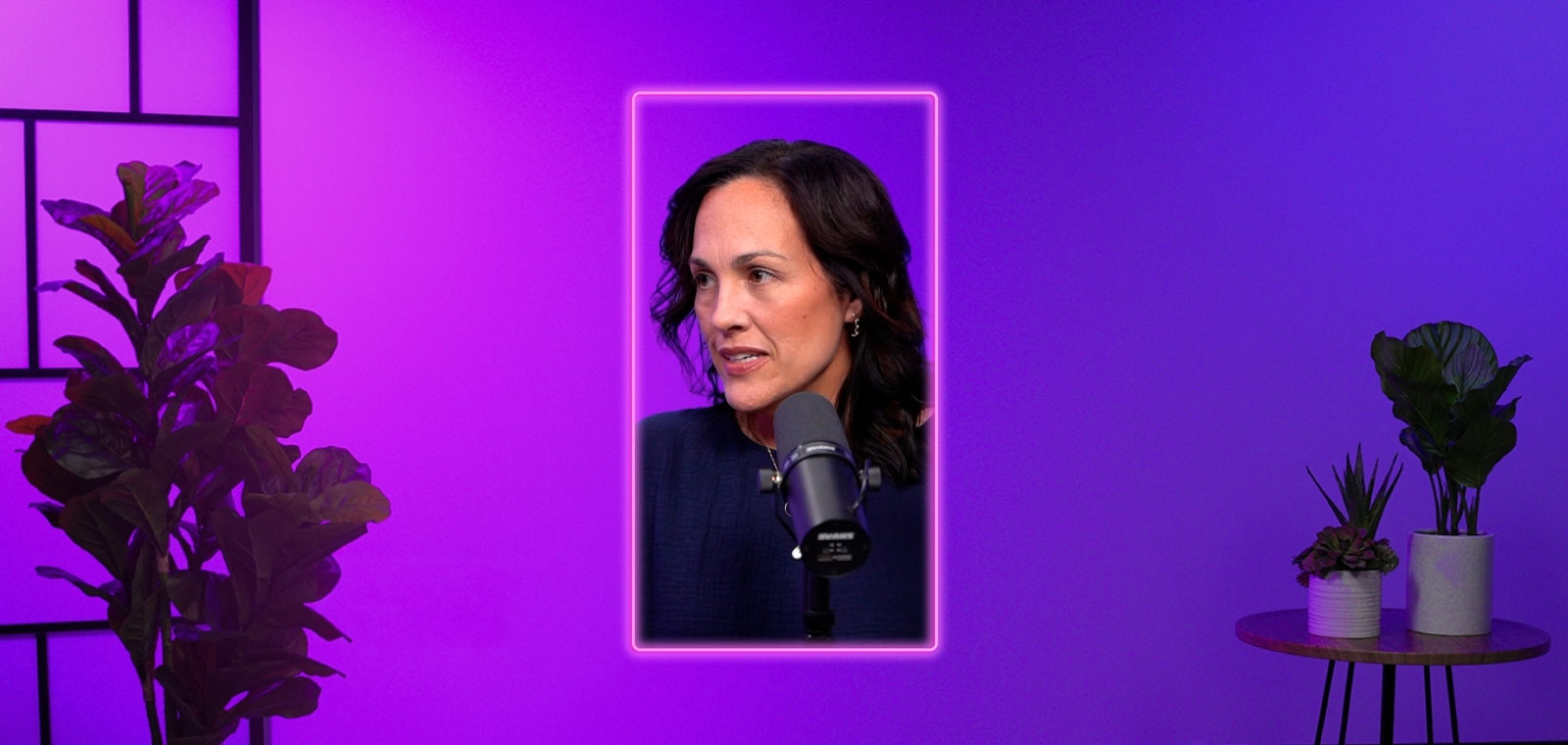
Ep. 64 | Behind the Bell: How Schools Are Rethinking Behavioral Health Support
Behavioral health needs in schools are growing more complex, yet districts must address them with limited staffing and budgets. On this episode of Elevate Care, host Kerry Perez talks with Veronica Gorgueiro, Behavioral Program Manager at AMN Healthcare, about how schools are innovating to support both students and educators. Drawing on nearly 20 years as a school psychologist, Veronica highlights the connection between behavioral health and academic success while emphasizing why schools are uniquely positioned to help students build resilience beyond the classroom.
Veronica shares practical strategies districts are using to stretch their resources, from adapting clinical models like applied behavior analysis to leveraging community partnerships, grants, and tailored staffing solutions. She also highlights the role of virtual therapy in expanding access to care and discusses sustainable approaches like the "train the trainer" model, which builds internal capacity for long-term support. For district leaders, her message is clear: there are effective, tailored solutions available, and seeking help is a proactive step toward strengthening support for students and staff alike.
Key Takeaways
- Behavioral health and academic success are deeply connected, with progress in one reinforcing the other.
- Adapting clinical models like ABA therapy for schools means reshaping them to fit classroom settings rather than replicating one-on-one clinical environments.
- Successful districts use community partnerships, grants, and flexible staffing to maximize limited behavioral health resources.
- A "train the trainer" model enables behavior specialists to coach teachers and paraprofessionals, fostering long-term internal capacity.
- Virtual therapy broadens access to care for students in remote or underserved areas while preserving the importance of in-person support where needed.
- Effective behavioral health strategies should be customized to align with each district's unique strengths and challenges.
Timestamps
00:00 – Introduction to Behavioral Health in Schools
00:56 – Veronica's Path from School Psychology to Behavioral Health Leadership
03:07 – Why Behavioral Health Support Matters More Than Ever
04:38 – Top Challenges Districts Face Bringing Clinical Models into Schools
08:00 – What Effective Behavioral Health Support Looks Like
10:47 – Defining Good Student Outcomes in Behavioral Health
13:13 – How Teachers and Behavioral Specialists Collaborate
16:11 – Building Internal Capacity for Long-Term Sustainability
20:01 – How District Behavioral Health Programs Actually Get Started
22:05 – The Role and Reach of Virtual Therapy
28:01 – Combining Staffing, Training, and Technology for Flexible Support
30:36 – Final Thoughts: There Are Options for Every District
Meet Veronica Gorgueiro
Veronica Gorgueiro is Behavioral Program Manager at AMN Healthcare, where she works with school districts nationwide to design tailored behavioral health programs. A school psychologist by training, Veronica spent nearly 20 years working directly in schools across multiple states before moving into virtual therapy in 2017. Her background spans special education evaluations, applied behavior analysis, and telehealth service delivery, giving her a broad view of what districts need to support both students and staff. At AMN Healthcare, she partners with district administrators to close staffing gaps, expand training, and build behavioral health programs that grow with a district's evolving needs.
Connect with Veronica Gorgueiro on LinkedIn
Transcript
00;00;00;05 - 00;00;05;19
Veronica
with the way has that technology has advanced and most districts are now 1 to 1,
00;00;05;23 - 00;00;12;22
Veronica
technology devices, either iPads, Chromebooks, something for the students. It really has opened up a whole new world to where we can
00;00;12;26 - 00;00;23;16
Veronica
meet that student, where they are on their device.
00;00;23;18 - 00;00;44;16
Kerry
Welcome to Elevate Care. I'm Kerry Perez, your host for today's episode with Veronica Gorgueiro, Behavioral Program Manager, AMN Healthcare. In this episode, we discuss the growing behavioral health challenges facing schools and how districts are rethinking support models to better serve students and educators at AMN healthcare.
00;00;44;17 - 00;00;56;17
Kerry
Veronica works closely with school systems and behavioral health programs, helping districts navigate changing needs and develop approaches that support both students and staff. Veronica, welcome to the show.
00;00;56;19 - 00;00;58;21
Veronica
Thank you so much, Kerry. I'm happy to be here.
00;00;58;21 - 00;01;00;17
Kerry
Awesome. It's such an important topic.
00;01;00;19 - 00;01;01;26
Kerry
Yes, yes.
00;01;01;29 - 00;01;05;14
Kerry
Before we jump in, if you wouldn't mind telling us a little bit more about your background.
00;01;05;21 - 00;01;19;03
Veronica
I have been basically the last 20, almost 20 years have been in the schools and I am, by trade, a school psychologist. For people that aren't as familiar with what school psychology is or what we do.
00;01;19;06 - 00;01;23;26
Veronica
We are highly involved in the evaluations and assessments, for students to, to
00;01;23;26 - 00;01;27;11
Veronica
determine if they are eligible for special education services.
00;01;27;13 - 00;01;29;24
Veronica
So we are kind of the gateway.
00;01;29;24 - 00;01;44;12
Veronica
When a student is being referred for potential additional support in schools, typically through special education, there's other programs as well that do support students outside of the typical curriculum. So if a student needs,
00;01;44;12 - 00;01;58;05
Veronica
something above and beyond what the basic, teacher can provide or the basic curriculum if they need some kind of accommodation or modification to that, then we look at a potential special education qualification.
00;01;58;09 - 00;01;59;26
Veronica
So that's what school psychologists do.
00;02;00;05 - 00;02;11;25
Veronica
my personal journey has been a little bit different than some school psychs. Because I worked also in the private school setting as well as across a number of states. And then more recently, in 2017, I
00;02;11;28 - 00;02;22;10
Veronica
began Intel therapy. So that's my more current, passion is kind of ensuring access to care and support services through Tila therapy.
00;02;22;13 - 00;02;49;01
Veronica
And now here at AMN, I am really dedicated to just behavioral health in general. So not only school psychology, but right now, especially where we are dealing a lot with ABA services, which is applied behavior analysis that stems out of, mostly autism research but can be used in other, situations as well. So ABA therapy, services are now moving into the schools.
00;02;49;03 - 00;02;53;25
Veronica
So that's a huge emphasis of what I've been doing recently is working with school districts,
00;02;53;25 - 00;02;56;20
Veronica
to develop tailored behavior programs.
00;02;56;23 - 00;02;59;28
Veronica
That could include a number of different service lines or,
00;02;59;28 - 00;03;01;11
Veronica
different service providers.
00;03;01;17 - 00;03;07;23
Kerry
Excellent. What a rich history. So I think you mentioned over 20 years within the space you've seen a lot.
00;03;07;23 - 00;03;14;27
Kerry
Obviously things have ebbed and ebbed and flowed, but really important right now. Why do you think this is such an important topic today?
00;03;15;02 - 00;03;27;20
Veronica
we are just noticing that kids, these days are struggling with a lot of things. I think that students have always, you know, had their challenges with learning. We all learn differently and we all,
00;03;27;23 - 00;03;38;11
Veronica
respond to different things. And what I love is that I think society in general is becoming more understanding and more open to those differences.
00;03;38;13 - 00;03;48;26
Veronica
And with that being said, schools are also adapting and trying to become, a place where more learning styles are tailored to,
00;03;48;29 - 00;04;03;05
Veronica
but also keeping that balance of general education curriculum versus special education, what that line looks like. So in our field, in behavioral mental health, especially working in the schools, we really have kind of a fine line that we have to,
00;04;03;08 - 00;04;03;24
Veronica
follow.
00;04;03;24 - 00;04;22;27
Veronica
But also consider of course, first what's best for the kids. And then, also about our program needs and the adults involved and all of the behind the scenes that that goes into it. So it's always been an important conversation, but I think that society is more ready to is more interested in it now and
00;04;22;27 - 00;04;35;22
Veronica
more open to not only adults that deal with behavior, mental health challenges, but realizing that it impacts children as well, and even more so how learning and behavior, mental health, our
00;04;35;27 - 00;04;38;16
Veronica
interconnected and how they impact each other.
00;04;38;18 - 00;04;50;05
Kerry
it's great to hear how big of a step that schools are taking in being involved and having it be an important aspect of their curriculum. What are some of the top challenges that you think they face in this environment?
00;04;50;13 - 00;04;51;02
Veronica
schools,
00;04;51;02 - 00;05;09;00
Veronica
have always been, you know, within a budget. That's always a huge concern. And then there's always, only a limited number of adults that are there to help with the students. And so I think there's multi, you know, faceted issues surrounding this. But some of the main challenges would be
00;05;09;07 - 00;05;23;22
Veronica
understanding how to bring a medical model, for example, ABA therapy that traditionally has been in a clinical setting, bringing it into the schools and how that looks different because you're dealing with a number of children, it's not just one on one, one adult with one student.
00;05;23;25 - 00;05;34;24
Veronica
All the different clinics are work differently, but in the school setting, you're dealing with a whole classroom of kids, sometimes a smaller classroom, but still multiple kids. And so you are dealing with,
00;05;34;24 - 00;05;43;04
Veronica
outside triggers, you know, but these are things that we're hoping to prepare kids for generalizing in, in real life down the road, right outside of school.
00;05;43;07 - 00;06;08;00
Veronica
what I love about schools is that it is kind of a microcosm for the real world. That's for good or for bad, but it's teaching kids, resilience. And so we're trying to figure out that balance of how do we accommodate and modify for what that particular student needs, but also help them to generalize into society, into what they need to be successful in the future?
00;06;08;02 - 00;06;23;06
Kerry
So important, and I can imagine that challenge of having to, really expand outside of just an individual person to, you know, them interacting in this microcosm as you, as you call it. How are things getting set up to support the schools in that nature?
00;06;23;10 - 00;06;29;19
Veronica
The thing is, is that schools have always been very resilient in the sense that they have had to change with the times. But,
00;06;29;20 - 00;06;33;07
Veronica
educators are very resilient and we work with what we have.
00;06;33;09 - 00;06;36;26
Veronica
But at the same time, there are needs that change as,
00;06;36;26 - 00;06;43;22
Veronica
kids develop and as our culture and society goes through different challenges, for example, the pandemic,
00;06;43;25 - 00;06;56;00
Veronica
I think kids, in terms of behavior, mental health needs was already on the rise in the sense that multiple factors are influencing children's mental health. Right.
00;06;56;03 - 00;07;00;21
Veronica
But that was compounded, I think with an event like that, that is,
00;07;00;24 - 00;07;16;07
Veronica
applies to everyone, you know, across our nation and across the world that, in the past, you know, 5 or 6 years, we've definitely seen an even bigger jump, but also more varied needs and specific things that we have to deal with.
00;07;16;09 - 00;07;34;26
Veronica
To help support students to engage in the curriculum. So I think we're also realizing it's not just about how well they understand math facts or how well they read, although those are hugely important. It's also about how they relate with other kids, how they relate with adults,
00;07;34;28 - 00;07;47;27
Veronica
and how they're able to be engaged. So if I am struggling with something, you know, in the home environment or physically or, you know, there's so many aspects that could be impacting my ability to learn.
00;07;47;29 - 00;07;55;06
Veronica
So we're trying to look at the whole child and see how we can meet those needs. But within the restraints of being in the school setting.
00;07;55;08 - 00;08;00;11
Kerry
So, Veronica, what does effective behavioral health support look like in today's school environment?
00;08;00;13 - 00;08;07;09
Veronica
Effective behavioral support in schools can look different across school districts and definitely across states.
00;08;07;12 - 00;08;13;03
Veronica
There are many factors that feed into what works for each district. And each region is going to have its own culture,
00;08;13;04 - 00;08;16;04
Veronica
own way of doing things. So all those factors play a role.
00;08;16;08 - 00;08;18;26
Veronica
I have noticed consistently across the nation
00;08;18;29 - 00;08;24;23
Veronica
in districts where things are going well in behavioral health support, is that they have gotten creative.
00;08;24;26 - 00;08;54;04
Veronica
So this might look like partnering with community organizations. It might look like applying for grants, doing things to think outside of the box. So I worked with a district, for example, that wanted to address the mental health needs of students who were not currently identified as having special education support. So some of these kids, they noticed, were falling through the cracks they had unfortunately faced, had a lot of reports of self-harm behavior and some suicide.
00;08;54;07 - 00;09;06;22
Veronica
And so they realized, okay, we have a bigger, issue that we need to address outside of just the students who are already receiving those services. And we're, not identified yet for whatever reason.
00;09;06;25 - 00;09;13;15
Veronica
And because of everything going on within the district, the community was really wanting that support for students in school as well.
00;09;13;17 - 00;09;46;11
Veronica
what that looks like is going to be different across states and districts. But it's really getting creative and utilizing the resources you have, and then looking for ways that you can support and build up long term your your current staff, whether if it's providing training or, you know, adding on additional supplemental support, like things that we do at AMN, where, for example, let's say I have I'm overloaded, let's say after winter break, because that's typically when it happens where I've got my caseload already, but maybe I get a whole bunch
00;09;46;11 - 00;10;12;26
Veronica
of new referrals in, and I just realize I'm not going to be able to meet my timelines. I might come to my special education director and say, hey, you know, I need some support. So that might be a point where that director can say, okay, I can get you. Maybe a tell a therapist can help with some of your counseling caseload so you can do assessments or if you prefer, doing the assessments, maybe, or vice versa, if you prefer doing the counseling, they can do the virtual assessments.
00;10;12;28 - 00;10;30;20
Veronica
What would it take for you to feel, you know, like you have a manageable caseload for you to feel like you can return again next year where you feel supported and valued? So it's really just about meeting those needs in, in whatever way you're able to and with the resources you have.
00;10;30;20 - 00;10;31;06
Kerry
Right.
00;10;31;13 - 00;10;47;10
Kerry
Okay. So I heard a few things in there. I heard we're talking about student outcomes which I definitely want to go back to because that is of course of the utmost importance. And I also heard some benefits for, for the teachers as well. Maybe let's start again with, with the student outcomes. What does good look like?
00;10;47;10 - 00;10;55;23
Kerry
Some of it might be very obvious, but would be great to hear, you know, what are the outcomes we're hoping to achieve in being able to support them through this behavioral health support?
00;10;55;29 - 00;11;15;17
Veronica
I think it's important for us to understand our goal as behavioral mental health providers, and especially in the school setting specifically, we are not trying to necessarily cure or fix anyone. Right. We are trying to make it so that they are able to engage in their learning. So, like, I'm not a medical doctor, I'm not going to prescribe you anything.
00;11;15;17 - 00;11;27;22
Veronica
I'm not going to, do any of those things. What I'm going to do is try to set up the environment so it works for you. Whatever it is you need to help you manage, you know, your anxiety, depression,
00;11;27;22 - 00;11;37;28
Veronica
behavior concerns that might come from sensory differences. You know, what can we do for you to, allow you to reach your potential in your learning?
00;11;38;01 - 00;11;43;02
Veronica
Not only curriculum wise, but also socially and all the things that come with learning in school.
00;11;43;05 - 00;11;58;15
Veronica
so good might look different right. So a student may be struggling with mental health concerns. What we want to see, for example, is that they're able to consistently attend school. Right. So they have the ability to attend, whether that whatever that looks like for them.
00;11;58;20 - 00;12;01;16
Veronica
And then that they can produce their work, for example.
00;12;01;16 - 00;12;22;13
Veronica
So just really basic things that become hard for people when they're, they're struggling with either mental health needs or their behaviors become challenging and prevent them from accessing curriculum. So good might might just look like being able to attend school every day, being able to at least get 80% attendance or whatever you're starting at. We want to see improvement.
00;12;22;16 - 00;12;51;28
Veronica
And that's important to understand, especially with mental health, is that it's not going to be 0 to 100, you know, overnight. And we don't expect that because part of mental health is personality. Like I just might see things a little differently than other people. And that doesn't mean I have a disability necessarily. But if it's now impacting my ability to attend school, impacting my ability to get along with peers, get along with adults, to listen to my teachers, to actually, you know, do what I'm told.
00;12;52;00 - 00;12;56;03
Veronica
Then, yeah, we might need to help you out a little bit. So it's a fine line.
00;12;56;07 - 00;13;13;10
Kerry
That makes sense, and it's understandable. We're all unique, that every outcome is going to be different and tailored. And so for a teacher, that would, probably be a lot to take on on their own. Talk to me a little bit about how teachers and behavioral, specialists work together.
00;13;13;17 - 00;13;31;26
Veronica
Teachers, first of all, are angels there? I mean, they are amazing. They are people I look up to so much. And so they already have a heart. You know, majority of the time, 99% of the time, they have a heart to be there for the kids, and they are just trying to provide students with what they need,
00;13;32;02 - 00;13;35;27
Veronica
with sometimes dwindling resources or not enough training.
00;13;36;00 - 00;13;40;16
Veronica
So what we do at AMN when I am speaking with a district, for example,
00;13;40;23 - 00;14;00;24
Veronica
I will talk to them about their pain points and things that are going well. So it might not be something huge, but can we provide a training? Can we, you know, provide a professional development on maybe ABA or on a few, you know, how to set up classroom structures and routines that make it easier for you and easier for the kids.
00;14;00;26 - 00;14;37;25
Veronica
So little things like that, that can make a huge difference in the day to day run of a classroom. And teachers just really they typically want that support. They want to learn more of how they can support students. And of course, resources are always an issue. So whatever we can do to support that. So we might say, let's go ahead and get a paraprofessional in the classroom with you, or let's see how we can provide a behavior system, where there is sufficient supervision or sufficient, support to have someone come in the classroom and teach you for a few weeks what this particular student needs.
00;14;37;25 - 00;14;51;23
Veronica
So based on their behavior goals, based on their triggers, you can realize, okay, this works for them. This does it work for them. And your classroom will be hopefully a more peaceful place going forward just from knowing those few little things.
00;14;51;23 - 00;14;52;11
Kerry
Right.
00;14;52;13 - 00;14;56;16
Kerry
And so do you have any firsthand information about how that has impacted
00;14;56;16 - 00;15;05;13
Kerry
the teacher and their ability for, you know, their longevity in in the school system or their feeling of having a productive classroom?
00;15;05;16 - 00;15;29;19
Veronica
Yeah, I think just as a basic need, we all want to feel valued, and we all want to feel like going to work every day. We're making a difference. And it's we're especially in the education field. We are there for the kids. We want to see them improving. We want to see them learning. That's the teacher's main focus is to, get them to where they can pass the grade and they can, you know, meet their standardized testing and pass all those things.
00;15;29;21 - 00;15;47;16
Veronica
But above and beyond that, they want to see happy kids. And a happy child when they're learning and they're growing, they're going to be happy. And that in turn makes the teacher happy. So as we provide teachers the capacity either through, improved training, additional training,
00;15;47;16 - 00;15;51;14
Veronica
maybe some time to, to make time for those things over breaks.
00;15;51;14 - 00;16;11;02
Veronica
I mean, we can get very creative on, on what is needed and that hopefully will keep them in the field because we need teachers, we need good teachers and they make a huge difference. They really do. So whatever we can do to support teachers and administrators, the district as a whole, that's what we want to do.
00;16;11;06 - 00;16;16;14
Kerry
We hear a lot about building internal capacity. What does that actually look like in practice for schools?
00;16;16;16 - 00;16;23;03
Veronica
So internal capacity just means okay, I already have these things taken care of in my district.
00;16;23;06 - 00;16;37;27
Veronica
I want to sustain those. I want them to be long term. I want my teachers to feel valued. I want my assessment staff to feel like I understand their caseload, and I appreciate what they're doing so that they're going to want to return in the future.
00;16;38;00 - 00;16;43;16
Veronica
So building internal capacity could be providing training to people already in the classrooms.
00;16;43;19 - 00;16;47;28
Veronica
An example of one of the districts we've worked with successfully here at
00;16;47;06 - 00;16;48;01
Veronica
Amn,
00;16;48;01 - 00;17;00;21
Veronica
was, in a midwestern district. They have lots of students. It's a big district. And their behavioral health program, they were, looking to make their resources stretch as much as they could.
00;17;00;24 - 00;17;02;13
Veronica
So what we proposed,
00;17;02;13 - 00;17;24;22
Veronica
is to have a bcba. So that's the supervisor. The behavior analyst is kind of the leader of this group, right? They're the person who helps with an assessment of that student, helps determine that students behavior plan and their specific goals. So they really get to know that student they make the plan. Then the right the behavior technician.
00;17;24;22 - 00;17;46;10
Veronica
Registered behavior technician. Right. Is the person implementing that plan. So there's different models. What we, help the district choose to do was take that route, make it kind of a lead role, have that route come in and provide the training on how to work with that student, to the paraprofessionals and teachers, the adults already in the room.
00;17;46;13 - 00;18;00;22
Veronica
So they are not coming to stay. They're just coming for a certain period of time to train the people already that already know the kid how to work with them better. So they're going to tell you, okay, these are his triggers, his or her triggers.
00;18;00;06 - 00;18;00;25
Veronica
These are,
00;18;00;25 - 00;18;07;29
Veronica
the things that are happening before the behavior occurs. What can we do to minimize that behavior?
00;18;08;01 - 00;18;26;13
Veronica
And they are going to stay there for a little while until the people already in the in the classroom, the paraprofessional and teacher, feel comfortable implementing all those behavior, interventions on their own. So that becomes a bit of, a train the trainer type of person. So they're there to teach,
00;18;26;13 - 00;18;29;01
Veronica
the paraprofessional on teacher how to work better with the student.
00;18;29;01 - 00;18;32;00
Veronica
According to their new behavior plan and their goals.
00;18;32;02 - 00;18;41;22
Veronica
So because they're not just stuck to that one student, they can work with multiple students across the day. So typically, like one student in the morning, one in the afternoon,
00;18;41;26 - 00;18;48;03
Veronica
and over a period of the school year, they might have up to maybe ten students, rather than just being with that one student.
00;18;48;03 - 00;18;49;17
Veronica
All year long.
00;18;49;19 - 00;19;07;26
Veronica
So we are making the resources work for us better by just building that capacity of who you already have in the classroom and just elevating their training by using the right to specify their behavior goals and show the people that already know them what to do next.
00;19;07;28 - 00;19;20;26
Kerry
And that makes sense. And it does then lend itself to being a little bit more of a sustainable long term capability, because that person has a multiplier effect of being able to train others, I would imagine. Is that a fair statement?
00;19;21;02 - 00;19;42;10
Veronica
Exactly. And then let's say that student needs me to come back a few months down the road. They're having a different struggle. I can come back in the classroom and we can get a new plan in place, update the goals, and then be available for other kids that that also need that support. So I'm supporting kids now across the district rather than just being stuck to that one student and staying with them all year.
00;19;42;15 - 00;19;46;28
Kerry
Fantastic. So internal capacity as well as a long term sustainable program.
00;19;47;01 - 00;19;47;21
Veronica
Exactly.
00;19;47;28 - 00;20;01;04
Kerry
how does it actually work? Does every district have a behavioral health program? Does an individual teacher advocate for themselves to their principal? How does that, how does that work?
00;20;01;06 - 00;20;24;09
Veronica
Yeah. So most districts now do have some kind of behavioral mental health program. It's going to look different across every district and definitely across different states depending on how their laws are structured. So we have a I'm in a whole for example, credentialing department. We we know all the ins and outs of each state. So we know what to propose and what will work in certain places.
00;20;24;11 - 00;20;44;26
Veronica
But then we have to meet individually with the district administrators, typically the special education director, or the director of behavioral mental health can be they go by different titles, but that person will know they'll be able to tell us their pain points. So for example, and recently I met with a district that they have opened an autism center.
00;20;45;00 - 00;21;07;22
Veronica
So they need lots of behavior analysts. So bcba behavior, board certified behavior Analyst So we call them Bcba. So they need a whole influx of those. So we might be able to help with trying to staff, what I love at AMN, not to get too into airmen here, but is that we can bring people from other states.
00;21;07;25 - 00;21;28;05
Veronica
So I have worked in various states through tele therapy. So that's something we also provide. So when I had my kids were younger, I lived in Las Vegas at the time. And so I was on Pacific Standard Time. And so I got licensed in Massachusetts so that I get to get up at 5 a.m. and do an assessment, for a student in Massachusetts.
00;21;28;05 - 00;21;37;23
Veronica
And, so that way I was able to balance, you know, motherhood and still keep up with my career, keep my skills up, feel rewarded that I'm helping other kids.
00;21;37;23 - 00;22;02;09
Veronica
And so we do that we are able to provide tele therapy, but we're also able to travel people, which I have never done. But now that I'm with AMN I've learned about it and it's really exciting and really a cool thing where if you're at a point in your life that you are wanting to move somewhere, we can go ahead and get you credentialed and send you there, either on site fully or in a hybrid position.
00;22;02;12 - 00;22;05;07
Veronica
So that you can support kids where they have the needs.
00;22;05;07 - 00;22;21;14
Kerry
So tele therapy, obviously, you know, probably had a big boon during during Covid, but it seems to have persisted and hopefully even made some improvements. Is any school district eligible for for Tulsa therapy or what school system would be like a best candidate?
00;22;21;16 - 00;22;47;14
Veronica
Yeah. So with the way has that technology has advanced and most districts are now 1 to 1, technology devices, either iPads, Chromebooks, something for the students. It really has opened up a whole new world to where we can meet that student, where they are on their device. So it can happen anywhere. And we have the ability to, you know, do the tech check and make sure they have internet and all of those things.
00;22;47;14 - 00;23;14;17
Veronica
But it's really in place. The majority of places that a majority of school districts have that capability now. So one of the things speech language therapy has has really grown in the therapy realm because technology has now advanced with with all the, necessity of virtual services during Covid. That created kind of a boom of companies or organizations that are creating this tech.
00;23;14;19 - 00;23;38;12
Veronica
So now we have some really cool interactive features that do engage students. And these kids are digital natives, so they know how to scroll before they know how to talk sometimes. So they are really good at engaging in these different games. And so we're providing therapy and they might not even realize because they're playing games. So it really has come a long way.
00;23;38;18 - 00;23;57;18
Veronica
And I also think on the from speaking as a provider and being a mom myself is that I can if I work virtually, I can get the best of both worlds. Right. So I can be, I can drop my kids off at school, I can pick them up and still be home. But I can also do keep my career going.
00;23;57;20 - 00;24;20;11
Veronica
So I think schools are having to make that adjustment because the clinicians are wanting it. So it is a bit of a shift in the market. But at the same time, I see the benefit, of course, of on site providers. There's certain things that it is better to just do in person, you know, behavior support sometimes, is very difficult to to do via tele therapy.
00;24;20;11 - 00;24;24;03
Veronica
But we have looked for different ways to accommodate that.
00;24;24;05 - 00;24;44;21
Veronica
So maybe like I was saying, so maybe we could do supervision virtually. But the actual behavior support might happen in person. So just getting creative and figuring out how you can break down one role into different parts and maybe have it, someone else do it that is virtual, and then someone else focuses on the things they really like in person.
00;24;44;23 - 00;24;49;09
Veronica
Yeah. So really working together and being collaborative and just getting creative.
00;24;49;15 - 00;25;05;09
Kerry
I love that, and I love the access that it provides. You know, it's so important to be able to meet the needs. And telehealth just opens up a whole new opportunity to be able to support in a and in a niche market, I suppose. I guess speaking of that,
00;25;05;12 - 00;25;13;16
Kerry
behavioral clinicians, if they haven't considered schools before and they've typically been in more of a clinical setting, is that something that you would recommend they consider?
00;25;13;19 - 00;25;34;05
Veronica
Definitely. Of course, I'm biased. I've been in the schools my whole career, and I'm a huge advocate for public schools, schools of all kind of education. But what I found when I transitioned over to, the school setting was that I have the same schedule as my kids, so I have the same breaks as them. I have the summer.
00;25;34;08 - 00;25;59;15
Veronica
There's a lot of, things that maybe aren't on the job description that are perks to working in the schools. The other thing, of course, is that you're working with kids, but you get to be a part of a school organization and community. So like just little things, like, I get the staff shirt, I'm in the yearbook, like, I have a picture in here, but just things like that where it's part of a community that you really can't find other places other than schools.
00;25;59;19 - 00;26;00;15
Kerry
That's great.
00;26;00;17 - 00;26;07;22
Veronica
And you really are valued as a clinician in there because, it's a pro and a con because nobody else really does what you do.
00;26;07;22 - 00;26;20;28
Veronica
So sometimes it's hard to explain what you do and why you're doing it. That's where social skills come in, right? Understanding, trying to, help teachers or staff, everybody understand where you're coming from and why you're saying the things you are.
00;26;21;01 - 00;26;43;04
Veronica
But at the same time, they really do respect and then look to you for for assistance, for advice about how to help students. So it it really is rewarding because you're you're using your education to the fullest because you might just get a random question that you haven't thought about since grad school, that you're now getting to help someone that you can actually see make an impact.
00;26;43;06 - 00;26;43;29
Veronica
And a kid's life.
00;26;44;03 - 00;26;55;08
Kerry
That's that's awesome. And, to the extent that you you might be able to share, is there anything that really sticks out to you as a meaningful impact that you or someone you know has, has made in this capacity?
00;26;55;11 - 00;26;59;18
Veronica
So I keep thinking of this example. I wasn't the direct provider, but I was,
00;26;59;18 - 00;27;16;18
Veronica
supervisor for a provider who worked in Alaska, and she actually had retired from the public schools and was now working virtually just to keep up with it and stay, stay abreast of everything. And, and she loved counseling. And so she became licensed in Alaska.
00;27;16;18 - 00;27;46;00
Veronica
She did live in Alaska, but she would work with these populations that were very remote. And they, you know, they were out there like their community was hunting a whale, like they're they're allowed to do that. That's their native lands, right? So just random things like that. But she's having a counseling session with this student on their iPad or on their phone, but they're still in their natural environment, but they would have never been able to get that, that service, if we didn't have the technology for it.
00;27;46;00 - 00;27;51;15
Veronica
So important. So we're literally reaching people that we wouldn't physically be able to otherwise.
00;27;51;18 - 00;27;52;15
Kerry
Amazing.
00;27;52;18 - 00;28;01;05
Kerry
so how is Aman seeing districts combine staffing, training and virtual technology to create more flexible behavioral support models?
00;28;01;07 - 00;28;21;08
Veronica
Yeah, thanks for that question. I'm actually really excited. In my new role I get to look at all of those pieces. And so when we're meeting with districts and their administrators, we can look at what's going, well, how did they get that to be going so well and what are their pain points. How can we help? So it's really it's not a one size fits all.
00;28;21;08 - 00;28;43;13
Veronica
It's very tailored. So just like we do with for students, you know, as we if I was getting a referral for a student, I'm going to look at their individual strengths, their their struggles and how we can meet their needs to progress forward. Same thing for districts. I'm going to analyze what, what you need. So, for example, say you have some great on staff people that have been here for years.
00;28;43;13 - 00;29;01;01
Veronica
You want to retain them. So we might look at doing something like adding a virtual provider so that they can have a manageable caseload. Or we may look at what do they need to feel valued. Do they want some extra training? Maybe they aren't as up to speed as they'd like to be on the new developments in the field.
00;29;01;01 - 00;29;20;03
Veronica
Can we help with that? Whatever those gaps are we're looking to fill. We're not looking to replace anyone. We're not looking to overhaul systems. We're just looking to improve upon what you're already doing. So that's what I love is that we're seeing the great things already happening in schools. And we're just trying to build on those.
00;29;20;06 - 00;29;39;09
Veronica
So if we're already supporting you in one area can we expand to other service lines. Can we help you figure out what virtual looks like? You've been scared to try it. Can we give you a demo and show you how a therapy session would actually look like? Can we show you what the virtual assessments look like? That they actually look the same as in person?
00;29;39;10 - 00;29;44;29
Veronica
It's just all on screen now, right? So just demystifying some of those things that that are,
00;29;45;01 - 00;29;46;14
Veronica
struggles, I think, or just
00;29;46;14 - 00;29;47;08
Veronica
have been,
00;29;47;16 - 00;29;57;23
Veronica
points that people are wanting to broach. Yet we can kind of break those down and be like, it's not that scary. Let's look at it together. What do you feel comfortable with? Let's take a baby step here.
00;29;57;28 - 00;30;01;24
Veronica
And then if you trust us, let's keep going in this in this area. How can we help?
00;30;01;27 - 00;30;13;06
Kerry
Great. So super personal, super tailored. And people can kind of have it be modular. It's not a one size fits all. It's a unique approach of what's going to work for their district.
00;30;13;07 - 00;30;22;26
Veronica
Exactly. And we are just trying to build on what you're already doing a great job of in your district. What can we help to keep that going and to progress in other areas?
00;30;22;29 - 00;30;23;25
Kerry
Fantastic.
00;30;23;25 - 00;30;36;04
Kerry
So we've talked about things from the clinician perspective, from the student perspective, from the teacher perspective a little bit from from Ammon. What have we not covered that you want to make sure we touch on.
00;30;36;07 - 00;31;01;26
Veronica
I mean this is such a broad topic and I am very passionate about all of it. So it's hard to to narrow it down. But I think, what if I was, you know, a director of special education, for example, I would take away from it that there are options. I think sometimes when we are working in the school setting and our head is, is down, sometimes we don't see other districts, we don't see what's going on outside of that.
00;31;01;28 - 00;31;24;03
Veronica
And I'm just here to say, like, there are options out there. There's ways that you can get help, whether it be through an organization like ours or just looking in your community. There might be resources around you that you're not aware of and that I really do believe that. And as a society as a whole really does care about the the mental health, the behavioral health of kids.
00;31;24;04 - 00;31;37;17
Veronica
I think a lot of people just don't know how to help or where to start. So I think there's a lot of hope, you know, out there in our schools. I think we are still doing really great work and we are still making a difference in, in kids lives.
00;31;37;20 - 00;31;48;17
Veronica
I would say keep going. But also let others help and let us, you know, help with however we can and come in to provide, whatever it is you might need.
00;31;48;19 - 00;31;51;16
Kerry
Veronica, thank you so much for being here today. Great conversation.
00;31;51;16 - 00;31;52;18
Veronica
Thank you for having me.
00;31;52;25 - 00;31;53;10
Kerry
Awesome.
00;31;53;16 - 00;32;15;00
Kerry
As we heard today, supporting behavioral health in schools isn't just about meeting immediate needs. It's about building sustainable systems that care for both students and educators. If you found this episode valuable, please consider sharing it with a colleague and subscribing to our show on your favorite podcast platform. Follow us on LinkedIn for episode releases and updates. This is elevate Care.
00;32;15;02 - 00;32;16;27
Kerry
I'm Kerry Perez. Thanks for listening.