

Ep. 63 | Building Allied Health Talent Pipelines: Lessons from MedStar Health's Workforce Academy
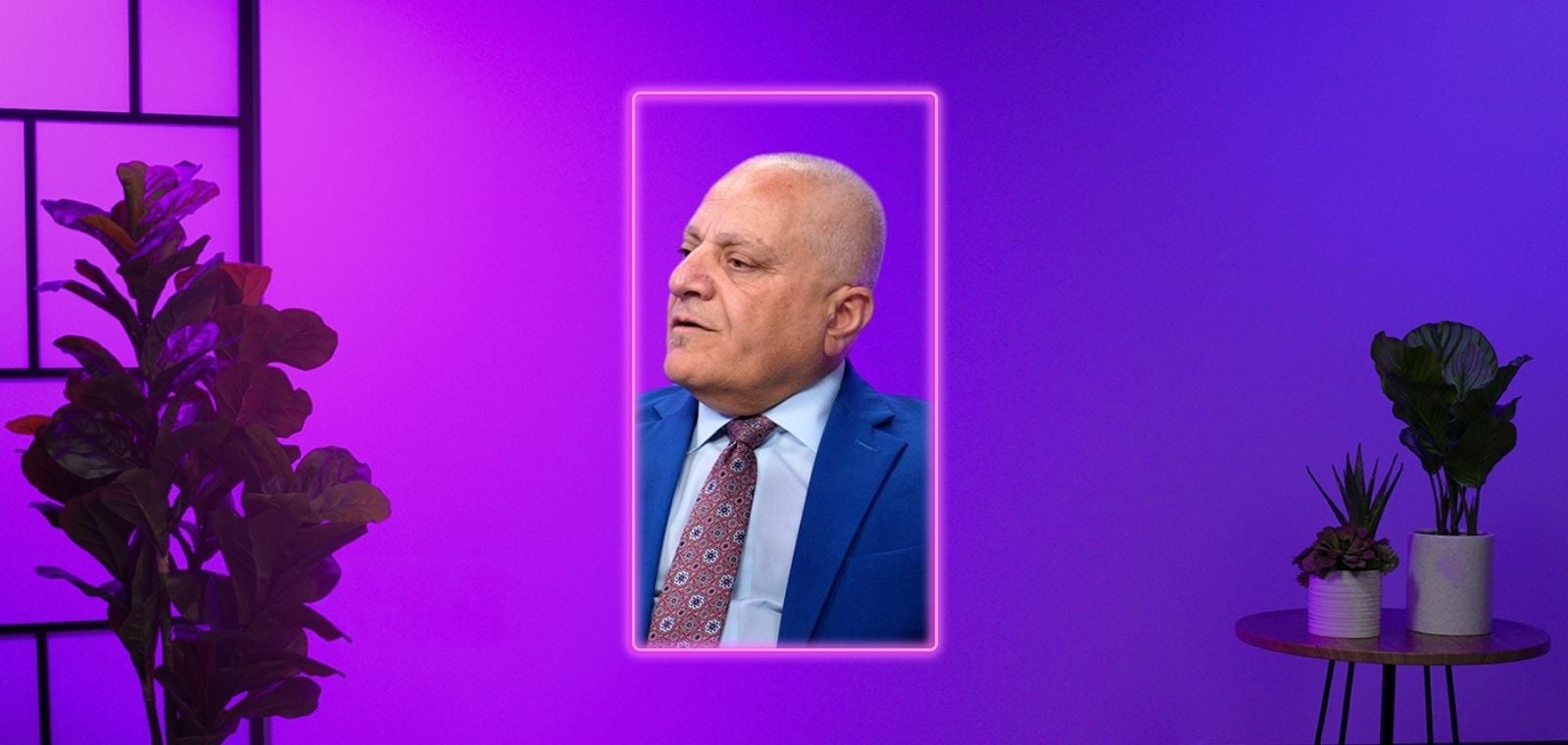
Allied health workforce shortages—from surgical techs to respiratory therapists—carry real operational weight, yet they rarely get the attention they deserve. In this episode of Elevate Care, host Enderson Miranda speaks with Dr. Hussein Tahan, Chief Nursing Officer and System Vice President at MedStar Health, about how his team built an internal talent pipeline that has fundamentally changed how the organization approaches workforce strategy. Dr. Tahan traces the origin of the MedStar Academy from a single idea in the operating room to a multi-discipline program that has trained more than 400 associates, explaining how MedStar identifies priority roles, partners with community colleges to accelerate training, and provides wraparound support—childcare assistance, transportation help, and consistent check-ins—to keep learners on track.
The conversation also explores how MedStar builds business cases with finance partners from day one, why wraparound support like childcare assistance and transportation help keeps learners on track, and how the calculus between contract labor, overtime, and internal training has shifted since the pandemic. For healthcare leaders working to make a similar case internally, this episode offers a clear, practical framework for pairing workforce investment with measurable outcomes.
Key Takeaways
- Allied health deserves equal attention to nursing in workforce strategy. Unlike nursing, allied health professions have historically not had access to contract labor as a bridge solution, making shortages in roles like surgical tech, sterile processing, and cardiovascular tech harder to absorb.
- Internal talent development can outperform external recruitment. MedStar's academy started with 30 surgical tech trainees three years ago and has since expanded to sterile processing, cardiovascular tech, and CNA-to-patient care tech upskilling, training more than 400 associates in that pathway alone.
- A strong business case requires precision, not estimates. MedStar builds ROI models directly with finance partners, using accurate wage comparisons instead of averages, to ensure committed cost reductions hold up during budget reviews.
- Wraparound support drives program completion. Childcare assistance, transportation support, and frequent check-ins address the real-life barriers that keep working learners from finishing their training.
- Contract labor strategy is not static. As wage dynamics shift, the calculation between agency labor, overtime, and internal staffing needs to be revisited regularly rather than treated as a one-time decision.
- Retention starts with opportunity. Associates who move from entry-level roles into clinical career pathways show notable loyalty and engagement, translating workforce investment directly into retention outcomes.
Timestamps
00:00 – Introduction to Allied Health Workforce Challenges
01:47 – Dr. Tahan's Journey from Beirut to MedStar Health Leadership
04:14 – Why Allied Health Needs More Attention Post-Pandemic
06:38 – The Origin Story of the MedStar Academy
08:16 – Expanding from Surgical Tech to Multiple Allied Health Roles
11:08 – Building the Business Case with Finance Partners
20:05 – Lessons Learned: Where to Start a Workforce Pipeline Program
24:28 – Measuring ROI and Cost Savings Over Time
28:12 – Partnering with Finance to Build Trust in the Numbers
34:32 – Supporting Learners with Wraparound Services
38:53 – Final Thoughts on Communication and Program Visibility
Meet Dr. Hussein Tahan
Dr. Hussein Tahan, PhD, RN, FAAN, FACHE, serves as Chief Nursing Officer and System Vice President for Nursing Professional Development, Workforce Management, and Academic Affairs at MedStar Health. His career began in Beirut, Lebanon, before he moved to the United States to work as an emergency room nurse, eventually building a leadership path through academic medical centers in New York and into system-level roles.
At MedStar Health, a nine-billion-dollar health system serving Maryland, Washington, DC, and Northern Virginia, Dr. Tahan oversees workforce strategy for more than 35,000 associates, including over 10,500 clinical nurses and approximately 4,000 care associates. Under his leadership, MedStar developed the MedStar Academy, an internal training pipeline that has produced hundreds of newly credentialed allied health professionals while reducing reliance on contract labor.
Transcript
00;00;00;06 - 00;00;10;27
Hussein
We started with, workforce development. Internally we are identifying where the need is and try to create pathways for our own,
00;00;11;00 - 00;00;23;21
Hussein
associates or employee to pursue career advancement.
00;00;23;23 - 00;00;50;18
Enderson
Welcome to Elevate Care. The show where healthcare visionaries and professionals come together to explore the limitless possibilities in healthcare. I'm your host, Enderson Miranda. And today's conversation explores one of healthcare's most urgent and often overlooked workforce challenges, which is building a sustainable workforce pipeline for allied healthcare professionals. Joining me today is, Dr. Hussein Tahan, PhD, RN, FAAN, FCM, CNO & System Vice President for Nursing Professional Development, MedStar Health
00;00;50;21 - 00;01;21;06
Enderson
And his role. Hussein's leadership spans across workforce strategy, academic partnerships and professional development, which also includes the oversight of all major contract labor across both nursing and allied health. Under his leadership, MedStar has developed innovative programs that create career pathways in high demand and yet low supply specialties, strengthen core staffing and reduce reliance on premium labor, all while expanding opportunities for frontline associates, through the MedStar Academy.
00;01;21;08 - 00;01;46;29
Enderson
So in this episode today, we're going to be discussing why Allied Health deserves more attention in today's workforce conversations. How MedStar is building talent from within, and what it takes to create these programs, and specifically the lessons that healthcare leaders can apply as they work to build more sustainable partnerships in the workforce. Models for the future. So to say that you've been a pleasure to partner with you over the last five plus years, and med Star, and welcome to the show.
00;01;47;01 - 00;01;47;27
Hussein
Thank you. The
00;01;47;27 - 00;01;54;19
Hussein
pleasure is mine, Enderson, and thank you for welcoming me on your podcast. Thank you. Let's have some.
00;01;54;19 - 00;02;06;04
Enderson
Fun. Yes, let's do it. So I always like to ask my guests first to just share a bit, a bit about their background, their journey that led you to to today where you are at MedStar and what, what drives you?
00;02;06;06 - 00;02;18;13
Hussein
I started my nursing career in Lebanon, Beirut, Lebanon, at the American West in Beirut. And then in the late 80s, I came to the United States, as a nurse working in the emergency room.
00;02;18;17 - 00;02;36;05
Hussein
I, quickly pursued, postgraduate studies. And my intent was to move into, more leadership role in healthcare, which my journey has, has since been, progressively, leadership positions in New York.
00;02;36;06 - 00;02;41;09
Hussein
I worked at large academic medical centers, ultimately in healthcare systems
00;02;41;13 - 00;03;15;29
Hussein
over a decade ago, I joined MedStar health as, this is, vice president, for nursing, workforce professional development and academic partnerships, as you already mentioned, in this role, I got the opportunity to get engaged in, workforce management, especially, creating a strategy around, workforce and, and also get involved in the system, take on, contract labor, premium spend and, and see what we can do there to ensure we have the workforce.
00;03;15;29 - 00;03;35;27
Hussein
We need to care for the patients we serving, but also to be more cost effective and cost conscious. For those who may not know MedStar health MedStar health is a large healthcare system. And, Headquartered in Columbia, Maryland. Covers areas in Maryland, DC, and Northern Virginia. It's an over $9 billion organization.
00;03;36;00 - 00;03;44;15
Hussein
Very successful in the area and serves market share of 1 in 4 residents, but also has
00;03;44;15 - 00;03;50;10
Hussein
over 35,000 associates in nursing where my scope is or a nursing home.
00;03;50;10 - 00;03;59;03
Hussein
Allied health. I in my role I, impact over 10,500 clinical nurses and,
00;03;59;03 - 00;04;01;12
Hussein
about 4000 care associates.
00;04;01;15 - 00;04;01;29
Enderson
Wow.
00;04;02;01 - 00;04;14;14
Enderson
So, Sandy, you mentioned your role. It's, you know, both nursing and allied professionals, but, why, today, do you believe that Allied health, should get, you know, more attention than it has historically received in the past?
00;04;14;21 - 00;04;42;11
Hussein
allied health, professionals since Covid or the global pandemic has been experiencing workforce shortages. Just like nursing, like never before. Nursing traditionally has been, dependent on supplemental or, contract labor, to fill the gap that we're experiencing. Those allied health professionals don't have the same luxury that nursing have had over decades.
00;04;42;14 - 00;04;43;23
Hussein
Also, I believe,
00;04;43;25 - 00;04;44;25
Hussein
in the area,
00;04;44;29 - 00;04;48;13
Hussein
especially like, depending on the regions where we operate,
00;04;48;16 - 00;04;55;04
Hussein
the supply of those, professionals in those different disciplines may not be as high.
00;04;55;07 - 00;05;00;03
Hussein
School academic programs may not be readily available to produce.
00;05;00;03 - 00;05;28;15
Hussein
This workforce, often is not mobile. They tend to go to a particular organization and stay there. So the challenge now is supply versus demand. The demand is much greater than what the supply is. So making it more, challenging for organizations. What I, what we have experienced and I believe nationally, there have been greater need in certain roles like respiratory therapy, imaging,
00;05;28;19 - 00;05;40;06
Hussein
specifically in imaging more on nuclear medicine or fetal medicine, maternal fetal medicine and specialized services like interventional radiology, and the like.
00;05;40;06 - 00;05;41;11
Hussein
And in nursing,
00;05;41;14 - 00;06;03;01
Hussein
we have had we continue to have challenges in surgical tech. Still processing department tech, and and roles like that. And if you look at those, they traditionally they're not, roles that we would find in travel nursing industry, I mean, the travel industry or, or in, supplemental labor.
00;06;03;04 - 00;06;07;24
Hussein
So, so organizations have to rely on different mechanisms to,
00;06;07;27 - 00;06;11;27
Hussein
to secure that workforce, to meet their patient care demands.
00;06;12;01 - 00;06;38;24
Enderson
Absolutely. And to your point, you know, where organizations had historically relied more nursing, and then all of these, you know, other allied, specialties now coming up in organizations trying to catch up. So can you share a little bit to the audience, like what induced, you know, MedStar start to kind of go beyond your traditional recruitment, techniques in addition to, you know, to partner with external partners, but to be able to kind of create that internal pipeline and develop those from within it.
00;06;38;27 - 00;06;45;13
Hussein
A great question, Enderson, because this is where, we have been innovative and creative.
00;06;45;16 - 00;07;07;00
Hussein
We started with, workforce development. Internally we are identifying where the need is and try to create pathways for our own, associates or employee to pursue career advancement. And go into choose one of those roles. And we, we help them develop in that area.
00;07;07;06 - 00;07;09;13
Hussein
The idea of, believe it or not, came from,
00;07;09;17 - 00;07;31;07
Hussein
our team operating room team, for surgical techs. And they said, since we are, we need surgical techs. Why don't we, build that resource ourselves? So then the, the birth of the academy at MedStar health that currently focused on, workforce development in, in Allied health space.
00;07;31;09 - 00;07;39;10
Hussein
So we took that idea and we looked into it and we quickly were able to start workforce development for surgical techs
00;07;39;10 - 00;07;48;00
Hussein
that was the first role, three years ago, we trained, 30 people and, were able to,
00;07;48;00 - 00;07;55;13
Hussein
really fill a gap that we were not able to find the appropriate, supplemental staff to meet our needs.
00;07;55;13 - 00;08;05;22
Hussein
So what we did internally, really produce great value. And then since we've been able to replicate it with few other, type roles, support service.
00;08;05;22 - 00;08;16;08
Enderson
Roles, can you share a little bit about, you know, expanding again, you know, starting with the search tags and, and going into other roles and, and the sizes of those cohorts and how that has evolved at a time as well.
00;08;16;15 - 00;08;31;14
Hussein
we did we start with surgical tech, as I said, we are on our third cohort. Okay. So we since, trained, 60, 60 techs, third cohort is rolling out in coming
00;08;31;14 - 00;08;40;14
Hussein
September with 15 techs this time. And, and then we pivoted quickly and we did sterile processing tech.
00;08;40;16 - 00;08;47;11
Hussein
We trained, I believe about 20 so far. And we're going on third cohort. That's going to be about 15 as well.
00;08;47;14 - 00;09;02;04
Hussein
And since we also looked at, cardiovascular tech for the cath lab, we are in the process training 11 that will be, finishing in January 27th. And that was really,
00;09;02;04 - 00;09;03;28
Hussein
fill a void that, we've
00;09;03;28 - 00;09;07;07
Hussein
had in our cath labs, for a while.
00;09;07;09 - 00;09;14;14
Hussein
And among that time we've been upskilling, certified nursing assistant, the patient care techs,
00;09;14;17 - 00;09;29;02
Hussein
and we have trained over, 400, of those CNAs into, PCD. And, the journey continues. We we probably will end up training, north of, 700, CNAs.
00;09;29;04 - 00;09;35;12
Enderson
Now, that's really impressive. And as you're looking into the Med Star Academy, growing to your point from CNA is depicts and,
00;09;35;15 - 00;09;40;01
Enderson
is your, objective to also be able to provide our programs?
00;09;40;04 - 00;09;46;08
Hussein
So we started to look at our and at the moment, in a very limited scale, we have
00;09;46;08 - 00;10;17;08
Hussein
philanthropy dollars that were able to start with a small cohort, with, about six, I believe, or seven, nursing students that we sponsor and their education, and they come work for MedStar when they graduate. And the small size of that cohort is really to test how the process would work and, and make sure it's streamlined effectively so that if we want to increase the volume, then we know the methodologies to make sure it's successful.
00;10;17;08 - 00;10;17;18
Hussein
Yeah.
00;10;17;18 - 00;10;34;18
Enderson
So we've got a proof of concept. It's working and I can build on it and more of a longer term strategy. Yeah. So this is I think it's really impressive the fact that, you know, of course workforce development is multifactorial. Right. So you you have the combination of your traditional recruitment, you have a combination of your external partnerships.
00;10;34;18 - 00;10;50;15
Enderson
And then, you know, building from within, which is really was, you know, kind of closing that gap. So now that, you know, you and your team have been able to lead MedStar to a, you know, very, very stable place and you're able to be a lot more strategic, you know, on, on the way that that you develop any work.
00;10;50;17 - 00;11;08;26
Enderson
Can you share a little bit for the audience and those that are, your colleagues around workforce management that are wanted, you know, to have conversations with their CFO colleagues, for example, about, you know, where does it make sense to leverage agency, where does it make sense to leverage other types of resources that used to be premium to come back?
00;11;08;26 - 00;11;12;21
Enderson
Now, what's the more premium around over overtime and vacancies?
00;11;12;23 - 00;11;27;08
Hussein
Yeah, no. Great question. All these programs, initially started with, identifying the business case and trying a, having the ROI in mind from, from the beginning, knowing that where our,
00;11;27;11 - 00;11;38;28
Hussein
patient care need is, how a program like that would be able to support the increased patient volume and patient care demand, but also end up reducing,
00;11;39;00 - 00;11;42;27
Hussein
avoidable cost, if you will, or eliminate avoidable cost.
00;11;42;29 - 00;11;50;05
Hussein
In terms of premium labor. And by that I don't mean just, agency or travel support or contract labor, but also,
00;11;50;07 - 00;11;51;29
Hussein
you know, use of overtime.
00;11;52;02 - 00;12;10;07
Hussein
That's not always guaranteed or available. So the business case, usually identifies which, which of our hospitals need it. What's the volume needed by each hospital? Looking at the current spend and where the opportunity for cost reduction or cost avoidance.
00;12;10;09 - 00;12;17;01
Hussein
And then get it approved, by our finance partners and other stakeholders, and then,
00;12;17;03 - 00;12;32;04
Hussein
basically move, forward with, implementation MedStar recognize that that's a valuable, valuable, approach. And, we're able to invest upfront with increasing,
00;12;32;07 - 00;12;37;05
Hussein
in the beginning, it was one FTE to manage the first in the first program.
00;12;37;07 - 00;12;38;21
Hussein
And since that,
00;12;38;21 - 00;12;58;23
Hussein
additional resource to manage the, the academy programs, now we move from one, 2 to 3. So we have internal, resources that oversee the relationship with community partners, for example. And, in, in, the services that we provide so that those associates are successful,
00;12;58;26 - 00;13;00;28
Hussein
if I may pivot and say,
00;13;01;01 - 00;13;06;11
Hussein
there are plenty of stakeholders that need to be, engaged in a program like this.
00;13;06;11 - 00;13;32;01
Hussein
So we have to work with legal. We have to work with, human resources. We have to work with finance. We have to work with, community partners like community colleges. Because not every program we have, we're able to, provide it internally, like surgical tech is with a community partner, community college. Cardiovascular tech is the community college CNA act or, self processing.
00;13;32;05 - 00;13;38;05
Hussein
We're doing it internally. So if you're going to do something internal or external, you need to have the resources support,
00;13;38;08 - 00;13;53;21
Hussein
and then, you know, our talent acquisition partners because when we open up, a request or a requisition for, recruiting those, those associates to become the learners, if you will, they had to go through a recruitment process.
00;13;53;29 - 00;13;59;06
Hussein
So our, our partners in talent acquisition play, a great role in that.
00;13;59;08 - 00;14;33;03
Hussein
And those programs have been like, really, incredibly embraced by our associates. I will tell you, you know, when we started Surgical tech and we had, daily positions, we had more than 600 applicants within two days. So we had to kind of stop the application process because we needed to screen all those candidates, and then we end up learning over time how to do it better so that the right candidates are, are applying and screening.
00;14;33;11 - 00;14;34;26
Hussein
One of the most recent,
00;14;34;29 - 00;14;43;13
Hussein
programs that we're recruiting for right now is Surgical Tech. Again, for September, we had over 400 candidates for,
00;14;43;13 - 00;14;55;27
Hussein
I believe maybe like 18 spots. So, so you need the engine to be able to screen and, and work with, those candidates to select the best fit for the programs that we put them through.
00;14;56;00 - 00;15;08;12
Enderson
Now, that's really impressive. The, you know, the this, the demand that you're seeing and the response from your associates and in areas that, you know nationally that there is there's substantial shortages in so many states as well.
00;15;08;15 - 00;15;08;23
Hussein
Right.
00;15;08;23 - 00;15;16;11
Hussein
and Enderson, in your prior question, you talked about how this relates to agency work contract, labor utilization
00;15;16;14 - 00;15;34;07
Hussein
you know, the way we approached it is while those, associates are in school, we, we are keeping them, wage wise whole. Their compensation is not reduced. They are earning, income while they're studying.
00;15;34;07 - 00;15;35;05
Hussein
So,
00;15;35;07 - 00;15;59;17
Hussein
they're not only there is a need where, vacant positions that we are training to fill, but also those that we're selecting, they end up being either, half time students, half time. Right. In current productive role. So our, work with agency and the like, continue to be, how we can continue to support our, patient care operation needs.
00;15;59;17 - 00;16;00;23
Hussein
In the meantime?
00;16;00;25 - 00;16;05;20
Hussein
so it's not automatic just because we producing, a new talent that automatically,
00;16;05;28 - 00;16;11;12
Hussein
a reliance on contract labor disappears. So it's it's just a dynamic process, and you just have to work with it.
00;16;11;18 - 00;16;18;03
Enderson
But it's a very strategic way to leverage contingent labor. Right. So proactive versus your reactionary.
00;16;18;05 - 00;16;22;16
Hussein
Correct. And, and that process is embedded in our,
00;16;22;20 - 00;16;30;19
Hussein
ROI model, the business case, so that, there are no surprises in terms of expenses versus cost savings down downstream.
00;16;30;20 - 00;16;55;25
Enderson
Yeah, that's one of the things that I've been really, you know, happy to see post-pandemic, right, is organizations that more mature, you know, such as a MedStar being able to really, you know, think ahead and to your point, plan on how to leverage contingent labor in the proper way. More on that flexible resource, to fill, you know, gaps, you know, based on, you know, rather that use alleyway or seasonality or specific programs or projects as well.
00;16;55;27 - 00;16;58;24
Hussein
Yeah, totally agree. We we approach that where,
00;16;58;27 - 00;17;29;22
Hussein
the learning time is protected time. So and and those associates that enrolled in those programs, when, if you talk to them, they'll tell you, MedStar gave me an opportunity to pursue a career that I haven't, really imagined I would be able to pursue it because they're there at a at a level of income that, may not be able to take, a switch to a part time position to then be able to go to school.
00;17;29;22 - 00;17;36;02
Hussein
So we provided them with the opportunity to increase or enhance their, their livelihood, if you will, like,
00;17;36;02 - 00;17;59;01
Hussein
they came from a position that was a lower, like grade level and lower income than the, training that they received. So when they finish, they not only get an education, but also they got the increase in salary increase and income and opportunities that may take them in the clinical pathway, career pathway in healthcare, that otherwise they may not have been able to do it on their own.
00;17;59;08 - 00;18;04;21
Hussein
So yeah, the gratitude and the appreciation is incredible from all of them.
00;18;04;27 - 00;18;18;23
Enderson
Yeah. And this is where you get that sustainable long term, you know, workforce growth, right. Where to your point, they're grateful for the opportunity they're going to continue with Matt started going to grow with the system. And you're not just training them so they can go to a competitor.
00;18;18;29 - 00;18;21;26
Hussein
Yeah. Retention definitely is.
00;18;21;29 - 00;18;42;26
Hussein
an impactful outcome out of that. And, you know, when somebody says to you, you know, I was, you know, I used to be a coach or I used to do this, and now all of a sudden now, I couldn't imagine I'll be standing next to a surgeon in the operating room, functioning as a surgical tech.
00;18;42;29 - 00;19;01;24
Hussein
Like when they when that life changing and and appreciation, it definitely translates into loyalty and retention. Yes. And that's and that's the workforce that you really want because, they're going to be committed. They're going to be passionate. They're going to be compassionate with patient care. And they're going to perform well.
00;19;02;01 - 00;19;10;01
Enderson
Yes. I mean, we're very much aligned with MedStar values, right? And just, you know, your goals, right? And the way you treat a patient, the way you treat your caregivers.
00;19;10;02 - 00;19;15;20
Hussein
Exactly. Oh, Enderson. That's great. You're. Yeah. Yeah I remember yeah. You do remember.
00;19;15;23 - 00;19;32;02
Enderson
So who's saying one of the things that, you know, listeners are, probably wondering right now is where to take even the first step, you know, and so obviously MedStar, you know, you had a lot of lessons learned, you had a lot of, you know, hiccups along the way that, you know, you course corrected.
00;19;32;02 - 00;19;42;29
Enderson
So for those that are there thinking about starting these sorts of programs, what would you recommend that they, make sure that they're not overlooking, and any, any lessons there that that you would share?
00;19;43;02 - 00;20;05;06
Hussein
Yeah. Great. Great question. You know, with workforce, management these days, there's so much, or so many different roles that you, you may be like, saying to yourself, oh, I want to focus on this and our focus on this. I want to focus on that. I suggest that, you really, step back.
00;20;05;06 - 00;20;09;27
Hussein
Look at existing, data about workforce utilization.
00;20;10;00 - 00;20;42;06
Hussein
analyze where the vacancy rate is high, where turnover is high, where contract labor, or premium labor is is in use and like high utilization. But then all this information then you got to also correlate with, patient care demand where you have increase in volume, where your strategic businesses, or service lines are, and then try to match where the greater opportunity is going to be, in, you know, why we focus on surgical tech in the beginning?
00;20;42;09 - 00;20;48;09
Hussein
Yes. It was also an idea from the staff themselves, but also that role,
00;20;48;17 - 00;20;53;28
Hussein
contributes to revenue, right? So if we have enough surgical techs, we're going to be able to,
00;20;54;05 - 00;21;08;18
Hussein
you know, perform more procedures, be or, not rely on, higher, let's say, you know, a surgical tech versus a registered nurse. If they're going to, be the scrub wages are different.
00;21;08;18 - 00;21;24;27
Hussein
So you're being more mindful, who are you using and how, and what the, expense on top of that. So identifying where that top priority is and start there. Yeah. But also now okay. So we identified surgical techs. So how are we going to train them.
00;21;25;00 - 00;21;31;08
Hussein
Do we have the internal capacity to do that when we start to look at the opportunity?
00;21;31;11 - 00;21;38;13
Hussein
Programs need to be nationally recognized. They need to prepare the learner to be eligible for national certification.
00;21;38;16 - 00;21;50;20
Hussein
and that's where we realized that, you know, we need to do it with an academic partner that already have all those mechanisms in place, instead of waiting for us to create that and have a like a full year for that.
00;21;50;22 - 00;21;58;03
Hussein
So to to work those, all those logistics and prepare so that expedited our, the way we did it.
00;21;58;06 - 00;22;02;29
Hussein
And then before we engage and a contractual agreement with the academic partner,
00;22;03;02 - 00;22;14;18
Hussein
we put the business case together, and we got it, approved by senior executives and particularly in finance, because we needed to budget for upfront cost.
00;22;14;20 - 00;22;34;15
Hussein
Because the savings don't start immediately from the time you send somebody to, to start learning, the role they really, when they are done, surgical tech is a full year. So we negotiated with the academic partner and said, being 18 months, can we truncate it and expedite the program? We ended up agreeing on 12 months.
00;22;34;17 - 00;23;01;24
Hussein
MedStar contributed all the clinical component of that training. The university or the college contributed the theoretical part. Yeah. And that's how we end up like in that partnership. We made it happen. So I think those are, you know, I talk about them now like so quickly, like, it's almost like, I'm proficient in them. But the reality is you learn all these different, layers of the program as you are designing it.
00;23;01;26 - 00;23;28;13
Hussein
So it's important to sit back and think through all those logistics. Yeah, I would say the other the other aspect of that is, you know, the associates that we are, we're training, we're training them to work from MedStar when they finish. Right. So where is that? Commitment to stay with MedStar after, after they finish, how we, want to support their training in the department.
00;23;28;13 - 00;23;56;00
Hussein
So they are successful. So we needed to make sure we have the preceptors that, contribute to their, to their success, the educators that supported that, but also work around the contract, contractual implication, the service commitment that, they sign up for. And what's reasonable, you know, we really try not to be, over zealous in, how many years we're going to ask them to commit.
00;23;56;00 - 00;24;01;17
Hussein
We were really reasonable, relevant to the duration of the education,
00;24;01;19 - 00;24;16;26
Hussein
keeping them, wage wise, income wise home. What are we requiring of them, service in return? So if they are surgical techs, they stay in their, service pay back, so to speak, is, it's two years in school. One year.
00;24;16;28 - 00;24;18;17
Hussein
There are the services. Two years.
00;24;18;21 - 00;24;28;24
Enderson
It's a very reasonable. So speaking of pay back, you know, just kind of tying it back to the ROI question, right? So for our finance partners. So as you were putting it together and expected,
00;24;28;27 - 00;24;39;29
Enderson
return on investment, expected, lowest cost savings, cost avoidance and overall outcomes, can you share a little bit of, what the program has achieved so far and how does that align with what you were expecting?
00;24;40;02 - 00;25;10;05
Hussein
in, the initial program, when we were looking at the ROI and business case, there were, you may and the listeners may also, remember, rates contract labor during the pandemic was more the rates were much higher than it is today. So I would say as you calculate the ROI, you have to be mindful also with the dynamics around, wages, or hourly fees.
00;25;10;08 - 00;25;22;04
Hussein
In the first one, the first cohort, I would say, we were able to reduce costs per participant,
00;25;22;07 - 00;25;41;16
Hussein
annually. If I do that annually, they're in the neighborhood of $30,000 per, per participant in annual cost reduction. So you add it up depending on your need. And you see this can translate, you know, ultimately into hundreds of thousands of dollars or, or, or millions dependent on, how many,
00;25;41;16 - 00;25;44;14
Hussein
trainee you have.
00;25;44;16 - 00;26;15;14
Hussein
I cannot say today we save the same amount, we save less, but it's still, Absolutely. It's still, the cost avoidance is, and cost reduction is, is is key. When we did the business case, we did not necessarily, estimate the turnover cost. Because we didn't want and we wanted to stick to hard dollars savings, not soft dollar savings, since in our budget process we do not budget the cost of, turnover.
00;26;15;16 - 00;26;28;05
Hussein
So we didn't want to commit, because we didn't want to say the ROI is in, cost avoidance like that. We stuck to the, on a definitive dollars savings in our in our spent.
00;26;28;05 - 00;26;34;23
Enderson
Yeah. Much more conservative and, right. But to your point, which I think it's it's great to show like how ROI and,
00;26;34;23 - 00;26;47;15
Enderson
the cost savings components change over time. Right? So as you mentioned, during the pandemic, you know, the the biggest cost savings was reduction of contingent labor that was so expensive. And subsequently thereafter, right, it started to go down.
00;26;47;22 - 00;26;56;29
Enderson
And then today you mentioned it earlier. Now the ROI changes a little bit to, you know, reduction of contingent in some areas, but reduction of overtime in other areas is correct.
00;26;56;29 - 00;26;59;07
Hussein
And and in our model,
00;26;59;10 - 00;27;16;20
Hussein
you know, we didn't we didn't really factor in patient, contribution to patient revenue, or patient care. That translates to revenue. We only stuck with, personnel cost over time is, definitely one of those. But also today, you know, we got to be wise when you look at,
00;27;16;24 - 00;27;25;25
Hussein
agency, hourly wages versus full time hourly wages, or employed, you know, in some, in some roles,
00;27;26;03 - 00;27;40;08
Hussein
balancing using both might be a better approach than saying I'm only going to do 100% employer, because if you're going to, you know, the cost of overtime in some roles may end up being,
00;27;40;11 - 00;27;42;17
Hussein
may end up exceeding the cost of,
00;27;42;20 - 00;27;44;23
Hussein
what you spend on, contract labor.
00;27;44;23 - 00;27;53;20
Enderson
Exactly. And so you have as much flexibility and so there is, you know, to your point, if you know, the today's environment allows you to have that balance.
00;27;53;23 - 00;28;04;29
Enderson
So, and how do you have a conversation with your finance partners about that? Because, that's also it's because it's been a very important, you know, mindset shift in the industry that for the first time since I've known.
00;28;04;29 - 00;28;12;18
Enderson
Right, to your point, in some areas, contingent labor might be the same or cheaper. How do you have those conversations with your finance partners?
00;28;12;20 - 00;28;18;12
Hussein
Yeah. So we, we started with, identifying a partner in finance,
00;28;18;15 - 00;28;34;16
Hussein
that will work with us on developing the business case. So instead of us developing it and taking it to finance, and then they have to re, redo it using their tools and their approaches. So we did it in partnership. Right? We did it together.
00;28;34;22 - 00;28;35;19
Hussein
So this way,
00;28;35;26 - 00;28;50;00
Hussein
there were no questions on any, calculations on any estimations that we made because we followed, what, those processes are, and if we were going to estimate, let's say, if I'm estimating,
00;28;50;03 - 00;29;09;09
Hussein
cost reduction and, you know, and comparing agency contract, labor utilization fees, hourly fees versus and an associate hourly rate employed, we didn't say or on average, they, they let's say they earn, you know, $25 an hour.
00;29;09;15 - 00;29;21;02
Hussein
Well, on average doesn't work with finance. You have to be more accurate and precise and right, because if you're committing to a cost reduction and that cost reduction has to be,
00;29;21;05 - 00;29;30;01
Hussein
in our budgeting process. So if I commit to it in the beginning of the year, I need to deliver on it. So an estimated cost reduction is not good enough.
00;29;30;01 - 00;30;16;07
Hussein
It has to be accurate so that you're comparing more accurately. Are you meeting that expectation or not. And if you're not meeting that why. So you're able to then follow the variance analysis that you would normally, pursue in explaining you're not meeting target. Yeah. So so again if I summarize getting that partner from finance to be at the table working on that with you and use that partner to, to bring you the, the information from what finance has access to finance uses, not you trying to work, manually or rely on systems that may not be the primary source of the information.
00;30;16;09 - 00;30;30;29
Enderson
I think that's okay. Right? Just speak the language, bring them in. Have the partnership early on. It's kind of like the change management in one order, because you want to change the entire mindset, right? Of an industry. And you can't do it, you know, from silos.
00;30;31;02 - 00;31;00;07
Hussein
Absolutely. In our approach, evolved over time. So now we have an advisory council that oversees, our, work in the academy, and, finance is a member, stakeholder key partner in that advisory council. So if we're talking about different roles or where we want to go next, we can always have their perspective as well upfront and not afterwards.
00;31;00;07 - 00;31;13;16
Hussein
So we kind of march down, down the road of what role we want to we want to build, or develop, the already up front endorsements, so to speak. And then we work through.
00;31;13;22 - 00;31;27;18
Enderson
I mean, one thing that master does so well and, and I can attest to this from my work together for years, is that how you are proactively intentional on bringing the finance partners to the table and bringing them in early on again, so there's no surprises later on?
00;31;27;18 - 00;31;31;11
Hussein
Yeah, yeah. Absolutely. I couldn't agree with you more on that.
00;31;31;15 - 00;31;37;18
Hussein
Even like forget about the academy and allied health workforce development. Our work on,
00;31;37;21 - 00;31;41;08
Hussein
workforce management, utilization of the workforce, whether it's
00;31;41;14 - 00;32;00;15
Hussein
employed internal or, or contract, we work very closely with finance and not how we, allocate in our budgets, by hospital, by sometimes even down to the service line, agency utilization versus not.
00;32;00;22 - 00;32;18;18
Hussein
So it's all clear upfront. And then we monitor utilization relevant to those targets that we set out. And if we're not meeting targets, then we are able to articulate why. And and then if we have to pivot, we'll, we'll pivot.
00;32;18;21 - 00;32;32;21
Hussein
Fortunately, we've been like really successful in our partnership that, how we go about managing those, budgets have been, I would say
00;32;32;23 - 00;32;34;11
Hussein
has not been a challenge.
00;32;34;14 - 00;32;55;27
Hussein
But of course, you know, there's there's stretch goals up front is like, you know, you need to reduce, on, expenses where it can be avoided. Absolutely not. And we together articulate what is, appropriate, or realistic goals and, and and work through them. Yeah. After that.
00;32;56;00 - 00;33;02;27
Enderson
And they evolve over time. Right. You know, what's, excessive or reducible today might be different than what, a year from now is going to be.
00;33;03;02 - 00;33;14;13
Hussein
Great. Absolutely. Like, you know, the cardiovascular tech, we've we in the cath lab, we've had difficulty, as you all know, you can't even find them contract labor. Right. So it's hard to find them.
00;33;14;16 - 00;33;20;18
Hussein
so when we went and we said, you know, we have an opportunity to do this, this is how much is it going to cost?
00;33;20;20 - 00;34;05;01
Hussein
This is the value afterwards. We have our, stakeholders, whether that being the, the physicians or the providers in that space, the nurses, nursing teams, the leaders, operation leaders, everybody is on board. And this is how much is going to cost. Can we like, should we, you know, let's move forward. And, it quickly got approved because there is no like, when you look at, estimating the business case and the value building your own, technicians in, in a resource that's really not, not readily available, not even like, you know, we can't even get it, to migrate from other regions in the country.
00;34;05;03 - 00;34;08;23
Hussein
So. So that was their no brainer or we needed to, to do that.
00;34;08;27 - 00;34;16;17
Hussein
I believe we probably will have another cohort so that we can fill, all that gap when we worked on surgical tech,
00;34;16;23 - 00;34;19;28
Hussein
within two cohorts were able to eliminate,
00;34;19;28 - 00;34;25;19
Hussein
almost, I would say 90%, no more reliance on agency.
00;34;25;21 - 00;34;32;09
Enderson
Yeah. And and the beauty like when you when you don't rely on it, then you can be strategic on where and if you, you leverage it.
00;34;32;17 - 00;34;45;17
Enderson
So Hussein you mentioned, you know, the success of the program and a very high completion rates. Can you share a little bit about any of the some of the, the support mechanisms and things that you built, you know, for the learners, you know, throughout and subsequent to this program?
00;34;45;19 - 00;34;50;22
Hussein
Yeah, great. Great question. And I cannot underestimate how important that is.
00;34;50;24 - 00;35;12;27
Hussein
when we started it with the first cohort, we learned quickly that, this is a workforce that often is living, check to check, paycheck to paycheck. And, they may not afford certain resources that, that would be necessary to for them to be able to study.
00;35;12;27 - 00;35;32;16
Hussein
For example, we quickly learned they may not, they may rely on public transportation. They may have, childcare that, to go to school. They may not afford, childcare. Right. Like they have to pay for childcare to go to school. And school, may have increased their reliance on childcare.
00;35;32;18 - 00;35;33;09
Hussein
also,
00;35;33;12 - 00;35;40;04
Hussein
check in on them frequently and make sure that they're progressing in their, in their curriculum.
00;35;40;07 - 00;36;03;21
Hussein
Effectively successfully. And if they need like tutoring and things like that. So you can provide them, with those services. And so I would say those who are going to, pursue something like this, they really need to think about wraparound, services, support services for those, learners. And, and that is going to be like
00;36;03;27 - 00;36;05;01
Hussein
if they need childcare.
00;36;05;01 - 00;36;25;05
Hussein
So they don't miss a class, are you able to support them financially? For that if they need, transportation, like a taxi or whatever, because for whatever reason, they could not use the public transportation, that they would normally have use. So you have to have mechanisms to support them for that.
00;36;25;07 - 00;36;27;26
Hussein
transportation is really important.
00;36;27;28 - 00;36;35;09
Hussein
We had to find the academic partner that was accessible through public transportation.
00;36;35;09 - 00;36;38;11
Enderson
Especially in the areas where you're off into programs, correct?
00;36;38;14 - 00;36;44;23
Hussein
and if you're familiar with, you know, Maryland and DC, so yeah, maybe there's more,
00;36;44;26 - 00;36;52;09
Hussein
trains in DC, but the, Maryland public transportation between the train and the bus may not be as,
00;36;52;12 - 00;37;02;11
Hussein
convenient to get to where the community college is. So we quickly learned we needed to take that into consideration as we, identify the academic partner.
00;37;02;14 - 00;37;14;09
Hussein
and then we started to partner with philanthropy to raise funds, for that kind of, services that we provide. So there was, we have,
00;37;14;12 - 00;37;36;04
Hussein
raised funds to be able to pay for childcare when it's, if it's needed, occasionally or transportation and things like that, or even it could be, you know, it could be books that they want to buy, or learning resources that may not have been anticipated, as part of the program, initially.
00;37;36;11 - 00;37;42;05
Hussein
So that's very important, to do. And then our educators that or the support,
00;37;42;13 - 00;37;55;17
Hussein
nurses that we have in those programs they provide, they really around on them. They visit them in the school, they partner closely with, with the faculty in the school, in the in the college, I should say.
00;37;55;19 - 00;38;06;07
Hussein
and check on the students, check on them frequently, because a lot of times they may not you may not know that they're absent from a class or they may not be.
00;38;06;14 - 00;38;36;21
Hussein
They worried about something at home. They're not paying attention, to learning. So with those touch points, you're able to identify challenges and try to proactively, eliminate those barriers so that the students can be successful in their in their learning. So those are few examples of, what you need to be mindful of that upfront. You may not really be thinking about that need because you focus on developing a relationship with community college and a curriculum.
00;38;36;29 - 00;38;43;11
Enderson
Yeah. Now that's really helpful to kind of see the holistic, you know, needs and opportunities there.
00;38;43;13 - 00;38;53;18
Enderson
Hussein, this has been a great pleasure. I guess time flies when I'm having fun. So we're getting to the end of our segment today. Any final words that you would like to share with our audience?
00;38;53;22 - 00;38;56;27
Hussein
Yeah, just like final thoughts, I would say
00;38;56;27 - 00;39;05;18
Hussein
when you create programs like that, you have to be really be careful and mindful on communication. Yeah. Because you want to make sure how you publicize those programs,
00;39;05;21 - 00;39;11;13
Hussein
they reach to the right, audience in the organization and not just,
00;39;11;13 - 00;39;19;04
Hussein
targeting the learners, but also, is it visible at every level of leadership in the organization?
00;39;19;04 - 00;39;46;20
Hussein
Because those leaders are also going to be your ambassadors to communicate the availability of those programs to the potential learners. So we have we have done, great work around, how we communicate the market and how we, also like in the beginning, for example, we had, we had a letter that went out or a flier and, and a website.
00;39;46;21 - 00;40;06;13
Hussein
Oh, go here, if you want to apply now, it's there are webinars. They are, you know, open forums where you can come and ask questions so that you can decide if you want to apply or not. So the strategies evolved over time. And those mechanisms are very important because that will make the programs more successful.
00;40;06;16 - 00;40;16;26
Hussein
it's embedded in the way we operate. Everybody is aware that there is an academy at MedStar health that develops, an offer opportunity for workforce development for our associates.
00;40;16;26 - 00;40;27;26
Enderson
That that's, inspiring. And I'm sure there are listeners, definitely got a lot of good, ideas to be able to, to kind of replicate and expand and disseminate, you know, the great work that you're doing.
00;40;27;29 - 00;40;30;22
Hussein
Yeah. Thank you for the opportunity, Enderson.
00;40;30;24 - 00;40;32;29
Enderson
to our Elevate Care listeners. Thank you for watching.
00;40;33;01 - 00;40;46;01
Enderson
If you enjoyed today's conversation, be sure to subscribe so that you don't miss future episodes, that we have a line. And as we continue to bring together healthcare leaders to discuss the ideas, as we're shaping the future of care together.
00;40;46;03 - 00;40;47;17
Enderson
So until next time. Thank you.