

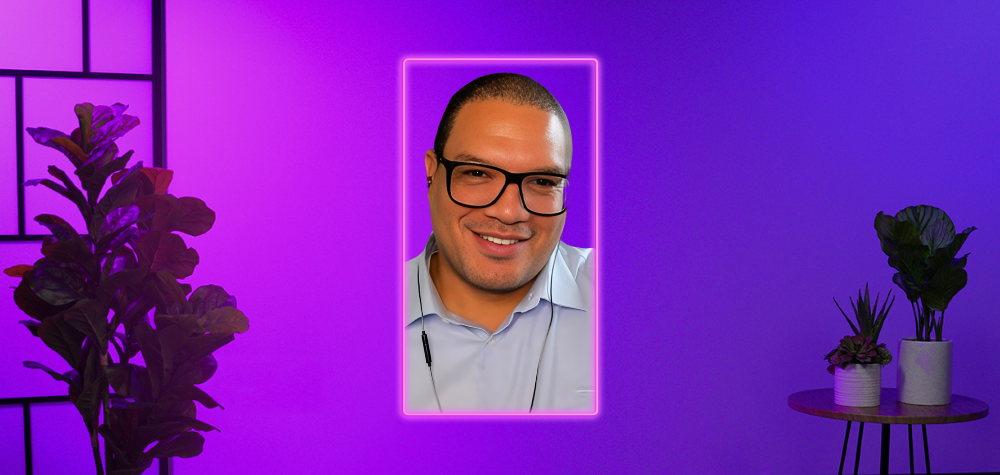
Ep. 49 | Understanding Employee Experience through Storytelling in Healthcare
In this episode of the Elevate Care podcast, Liz Cunningham interviews James Warren, founder and CEO of Share More Stories, about the transformative power of storytelling in healthcare. They explore how qualitative insights from stories complement traditional data, the importance of emotional stewardship, and how connecting employee experience to patient outcomes can drive meaningful change. James shares practical steps for healthcare leaders to embed storytelling into their engagement strategies and improve both employee and patient experiences.
Listen On!


Timestamps
00:00 – Introduction
00:30 – The Journey to Share More Stories
02:22 – Insights Beyond Quantitative Data
04:04 – A Healthcare Use Case: Emotional Toll on Frontline Employees
07:10 – Identifying Indicators for Deeper Engagement
10:16 – Leadership’s Role in Employee Experience
14:11 – Connecting Employee and Patient Experiences
20:11 – Leadership, Vulnerability, and Emotional Stewardship
24:00 – Practical Steps for Embedding Storytelling
29:34 – Starting the Conversation: Open Questions and Listening
34:54 – Final Advice: Keep It Real, Keep It Human
About James Warren
James Warren is the founder and CEO of Share More Stories, an engagement and insights company that blends storytelling with AI. With a background in corporate brand management and a passion for storytelling, James helps organizations better understand and connect with their customers, employees, and communities. His work focuses on using stories to uncover deeper insights and improve experiences across various sectors, including healthcare.
About Liz
Liz Cunningham, Vice President of Digital Solutions at AMN Healthcare since 2020, drives digital transformation for a seamless user experience powered by self-service, AI, and automation. She manages a diverse team of senior leaders and team members across product management, digital marketing, engineering, analytics, and user experience. In 2023, Liz also assumed the role of transforming AMN's enterprise customer support department, implementing new technology and a streamlined operating model.
In her 11-year tenure with AMN, Liz has taken on various roles, from heading AMN's clinician strategy during COVID-19 response to leading enterprise operations and branding for the Healthcare Staffing Divisions. Presently, Liz leads her team in managing the industry-leading healthcare professional application, AMN Passport, and spearheads new digital experience platforms, fostering digital-first engagements for clients and candidates.
Outside of work, Liz is dedicated to innovation and entrepreneurship. As a Board Member for the ZIP Launch Pad, a San Diego State-funded Innovation center, she actively champions early-stage startups founded by SDSU students and faculty. In her free time, Liz is cultivating a unique passion for cheese and is working towards becoming a cheese monger, adding a flavorful layer to her diverse interests.
Find Us On
Apple Spotify YouTube Instagram LinkedIn X Facebook
Transcript
00:00:00:12 - 00:00:30:00
Speaker 1
Welcome to the Elevate Care Podcast, the show where health care professionals, visionaries and thought leaders come together to explore the limitless possibilities of health care innovation. I'm Liz Cunningham, your host for today's episode. And on today's episode, we have James Warren, the founder and CEO of share more stories, share more stories and engagement, and insights company that blends storytelling with artificial intelligence to help organizations better understand and connect with their customers, employees, and communities.
00:00:30:02 - 00:00:48:09
Speaker 1
Today, we will be diving specifically into his sick platform and how the employee experience and health care outcomes should be tightly intertwined for optimal outcomes. James, thanks for joining us today. So happy to have you on the podcast. But Lev, if you just kicked off telling us a little bit more about yourself and your journey to start, share more stories.
00:00:48:11 - 00:01:03:15
Speaker 2
Thanks, Liz for having me. I'm really glad we had the chance to to chat a little bit. You know, when I when I started share more stories over ten years ago. On a personal level, there were two things that were really motivating. One always wanted to be an entrepreneur my whole life, and two, I've always loved stories and storytelling.
00:01:03:15 - 00:01:23:16
Speaker 2
So when I left corporate brand management, business development and started this company, I was really sort of in pursuit of a maybe a deeper way for people to connect. And stories are great for that. Stories have so much ability and power to connect us as humans. But the thing we started to learn early in that journey was that they're also really, really rich in terms of insights.
00:01:23:16 - 00:01:44:03
Speaker 2
They hold so many lessons for us, really across time and space. And so we started exploring the ways that our customers could use stories from their employees, from their customers, and even the stakeholders to better understand who they are, what they what they really cared about their experiences and then identify ways to make those experiences better. And that's really brought us to where we are today.
00:01:44:03 - 00:01:55:19
Speaker 2
With the platform that you mentioned, Seek Platform, it's really our tool to help our partners understand and improve those experience of their consumers or customers, employees and other stakeholders.
00:01:55:21 - 00:02:17:10
Speaker 1
Great. Well, I can't wait to dive into some more of the healthcare specific sides, because I know a lot of our listeners are very focused on health care, employee engagement, burnout, turnover. So would love to just maybe dive a little bit more. You mentioned it in your intro, but what type of insights are you getting that traditional maybe quantitative data surveys aren't really giving employers.
00:02:17:10 - 00:02:22:06
Speaker 1
That would be something more interesting for them to learn about with your platform and share more stories.
00:02:22:08 - 00:02:38:02
Speaker 2
It's a great question because we spend a lot of time both just naturally explaining what we do and what we don't do, but also it's a little bit of a of an opportunity to explore a little bit more deeply what people have to say. And so I often say, you know, the quantitative tools we have surveys, NPS, customer satisfaction.
00:02:38:02 - 00:03:03:22
Speaker 2
They do a really good job of saying who, what, when and where. Things get a little bit challenging, that when you want to understand the why, because the why tends to be more emotional. It tends to be qualitative. It tends to sort of defy the structure of the questions we asked. And participants tell us, as they say, things like, man, when I wrote this story, it really tapped into something deeper inside of me, something I wasn't even realizing was maybe affecting how I show up or why I show up this way.
00:03:03:22 - 00:03:27:20
Speaker 2
And so the story is really the person's chance to tell us what they want us to know more than what we just want to hear, which is often how we frame our surveys and even some of our qualitative research. It's so much focused on what the leader or the leadership team or the, you know, the product manager wants to know, which is obviously important, but what the employee is having to tell you in their story is much, much richer than what you can typically get in the survey.
00:03:28:02 - 00:03:53:02
Speaker 2
So it just gives them the chance to go a lot broader and deeper into their own experience, in their own words. And it starts to answer the why question why they feel the way they do about either where they work or where they engage in and the care, the care service and the care experience they have. It lets them put it in their own words, in their own terms, and then it reveals their emotions about how they feel about those experiences, which is a really, really big opportunity to go deeper.
00:03:53:04 - 00:04:04:21
Speaker 1
Yeah, absolutely. I mean, I would love to hear because I think in theory it makes sense, but would love to hear. Do you have any examples or maybe use cases in healthcare that you think would be interesting that narrate that point?
00:04:04:23 - 00:04:25:15
Speaker 2
Absolutely. I'll tell a couple. But one that really jumps to mind is we worked with an organization that was a basically a patient engagement company. They focused on helping patients who were either, you know, discharge or, you know, long term care or even getting their appointments set up. They work with those patients to to get them through the process.
00:04:25:17 - 00:04:47:12
Speaker 2
And as a result, they had some really good tech, but they also had a really, really amazing team of people who did that work on the phone or online across a variety of different health care systems that were their clients. What we started to understand about them, the people on those front lines, manning those calls or responding to those inquiries from patients is, frankly, the emotional toll that that experience took on them.
00:04:47:12 - 00:05:10:18
Speaker 2
It was almost like they were not just sort of care navigators. They were actually operating as caregivers. They were developing really personal empathy based relationships with their clients, patients. And and where we started to see this, I would say one of their smart leaders said, I have a feeling something's going on in our employee experience. We used to be a tech company, and then we acquired basically a call center.
00:05:10:20 - 00:05:29:04
Speaker 2
We put a lot of processing structure and tech into this experience, into the employee experience. But I think we're starting to miss something, something either in terms of how our employees are feeling about it or even under the pressure of all these optimized systems, how they're actually providing the care and service that that they are hired to do.
00:05:29:06 - 00:05:54:01
Speaker 2
And sure enough, when we started listening to the stories from their employees and analyzing them, we could find two things. One, that they were like empathy machines. They had so much capacity to really care about their their patients, their consumers, to understand and go deeper into what was driving the situation that that person was navigating. What the problems were that they were trying to overcome, barriers to care or access to care.
00:05:54:03 - 00:06:14:00
Speaker 2
And they were almost acting, as I said, as that caregiver, they're putting so much of their emotional investment in it. So as we analyze those stories and shared them back with the client, they started saying, this makes a ton of sense now. So what does this said? You know, our folks are really expressing concerns about how they used to be able to spend time on the phone with our with their patients, and now they feel like they're chasing the clock.
00:06:14:02 - 00:06:31:20
Speaker 2
They used to be able to kind of connect the dots for their patients. Now they feel like they've got to only follow a script. And this is we're missing the human element of what made us so successful in the first place. And we could see it in the data when we take those stories and analyze them, you see things like love and closeness and self-transcendence and achievement.
00:06:31:22 - 00:06:50:13
Speaker 2
These are like emotions that people not only have, but that they write about when they write about their experiences. So it paints an emotional map of what the employee is going through and by extension, also what that patient healthcare consumer is going through because we are the provider to them in those scenarios, we're the ones giving them the care and support they need.
00:06:50:15 - 00:07:10:22
Speaker 1
Yeah, I mean, I think hearing about that whole journey and I want to dive a little bit more into some of the outcomes. But even that leader that had the intuition to say, hey, I think something's not right here. What indicators would you be, you know, telling employers, hey, these are things you should be listening for and looking for that identify where you need to take that deeper dive.
00:07:10:22 - 00:07:15:21
Speaker 1
And, what if you don't have that gut intuition? How do you know the right, the right area to start looking?
00:07:16:03 - 00:07:32:09
Speaker 2
It's a great question. And, you know, some of it also goes to this idea of, you know, burnout, right? So if you're doing employee engagement surveys, you know, first thing I would tell you is if any reasonable observation of your business tells you our business has been going through some changes, what our survey results were staying the same.
00:07:32:11 - 00:08:00:01
Speaker 2
You might want to look into that because. Because it might mean that to some degree, people aren't as engaged in the engagement survey as you would want them to be. And so you're not getting the whole picture. Or when you see dips in either employee engagement or in patient or customer satisfaction, I would look at those dips. Now, the challenge is sometimes, we've had customers come to us and say, you know, our company uses this employee engagement platform, or we use this customer satisfaction measurement tool.
00:08:00:03 - 00:08:19:17
Speaker 2
And especially on the employee side, if the culture is such that when they identify the dip, the first that they start doing is saying, hey, you know, we would be at a at an 8 or 9 except for your department, you're pulling us down. What's going on in your group? And then that person starts looking around. We'd be great and we wouldn't be pulling the company down if you hadn't been.
00:08:19:19 - 00:08:38:20
Speaker 2
You know, if your scores on your team weren't so low. And so what's supposed to be an employee engagement tool becomes almost like a witch hunt to figure out who's driving scores down. And that sort of defeats the purpose. So I would say when you find out that you've got some dips rather than the sort of reflexive, instinctive, reaction, say, who's fault is it?
00:08:38:22 - 00:09:13:13
Speaker 2
Ask the question, what are we missing in the experience? What could we be doing differently? And that should prompt you to say, well, if we're going to answer that question, you've got to start talking to the people who are having those experiences, maybe in a different way, to get the answer that our current tool isn't showing us. So those are the two things I would say is when you just have that very basic, you know, you sense there's a disconnect between the external environment, which, you know, might be having some change in what you see in your employee survey data, or you actually see dips in either CSat, NPS, or employee engagement.
00:09:13:13 - 00:09:18:14
Speaker 2
Those are two good things to start to say, hey, there might be an opportunity for us to dig deeper.
00:09:18:16 - 00:09:40:14
Speaker 1
Yeah, absolutely. I love that. It's it's not, you know, getting your leaders in line to see who can be the best. You have the best engagement score, but really figuring out that underlying solution and it it sounds like, in this example you gave us of the call center, that's really where folks weren't understanding the burnout in the amount of empathy that those call center frontline folks had to go to.
00:09:40:14 - 00:09:55:06
Speaker 1
So, I mean, thinking back to that example, what are some of the actions that some of your clients are taking as they start to to understand these results and kind of, I guess, see more of the whole person when it comes to point engagement.
00:09:55:08 - 00:10:16:04
Speaker 2
That's exactly it. It's it's an opportunity to see the whole person and to start to understand really moving upstream. You know, what might be happening in the customer experience. Okay. How is that being driven by the employee experience? Okay. What's happening there? How's that being driven by leadership. So oftentimes we say go upstream when you want to solve the problem for the for X you might have to look at the leadership experience.
00:10:16:04 - 00:10:35:12
Speaker 2
What are you doing. How are you navigating. How are you leading the organization through either change or challenge or both? Some of the things that our clients do with these types of insights is they focus first on leadership development. They might focus on, communications. How are we navigating as an organization? How do we keep them folks informed?
00:10:35:14 - 00:10:55:19
Speaker 2
They really start to identify what are the drivers of culture that may need some longer term solutions, but they can start putting those into place, whether it's programs, whether it's recruitment, whether it's training and development or employee engagement, they start to realize what's what's sort of the big area of opportunity, because the stories do a fantastic job of outlining those things in detail.
00:10:55:19 - 00:11:20:00
Speaker 2
So you can really go deep and say, this is where the opportunity is. This is what we might want to do with it if the person most affected is the expert. And we think about that in lots of other context, we just don't think about it when it comes to employees and culture. But they are the experts. They know what they're feeling, they know what they're experiencing, and if the majority of them are really excited about the opportunity to make a difference in your company, let's figure out what they need to make that positive difference.
00:11:20:02 - 00:11:40:13
Speaker 2
So those are some of the places leadership, general communications, culture development, organizational engagement with big ones. But I would say that one of the things that's sort of hard to put in the bucket is what we call emotional stewardship. And what we mean by that is, you know, the leaders of of today and the future have to become more people centric, have to become more human centric.
00:11:40:13 - 00:11:58:19
Speaker 2
It's a disconnect if we say we're really customer centered and we think about human centered design outside the organization, but we don't do that inside the organization. So those two things are, you know, the audio's not matching the video if that's where we're at. And what it really means is you can't just do it out of convenience. You can't just do it out of strategy.
00:11:58:19 - 00:12:18:01
Speaker 2
You have to have a mindset and a culture that says to your words, we do value the whole person, and part of that is how they feel about their experiences. We love to know that from the customer, but somehow we think we're exempt from hearing about that from the employee, and they can often tell us the most we need to know before it gets to a problem in the customer.
00:12:18:03 - 00:12:21:18
Speaker 2
If we if we actually listen to the value, what they have to tell us.
00:12:21:20 - 00:12:47:01
Speaker 1
Well, and especially in healthcare, I would think, you know, because patient outcomes and patient experience are top of mind. I do feel like health care is a little bit more mature in the sense of they're directly tying their employee experience to the patient experience, but what are what are you seeing in terms of some of your clients or utilization of share more stories to try to create that connectivity between the employee and the patient a bit more?
00:12:47:03 - 00:13:09:06
Speaker 2
You know, there's there's a there's a percentage of them out there that are pretty well, to your point, far along in that journey and doing all the things in every aspect, right. Culturally, infrastructure wise, systems wise, it's it's 360 and they're really there. I still think that's a pretty small minority of the of the the market. I think many want to do better and are struggling with how.
00:13:09:08 - 00:13:27:03
Speaker 2
And then I think if see folks who are laggards who don't necessarily buy it, if you don't believe that experiences matter, then all this is a moot point. But also, if you don't believe that the way to better experiences is understanding them from the perspective of the people who have them, versus just all of the observable, measurable behavioral data.
00:13:27:05 - 00:13:46:14
Speaker 2
That's also a mess, because again, there's certain things that we measure, that don't tell us a whole lot. And there's things that people have to tell us that are hard to measure. Like this is my experience, this is how I'm feeling about it. So when we create opportunities with some of our our clients to really go deeper, we also say, now let's connect this to the customer experience analytically.
00:13:46:14 - 00:14:11:07
Speaker 2
Let's see what the relationships are between how employees are feeling about their experiences and how the customer or the patient is feeling about theirs. When we're able to do that, it is eye opening. And we had one person tell us once, you know, anecdotally, I've always known that, you know, happy employees make for happy customers or patients in this case, but I've never seen it as clear as in the data as you've shown it.
00:14:11:09 - 00:14:31:05
Speaker 2
And and when you see even the shape of the curve of the data, let's take trust, for example, how much trust employees feel in their experience in some organizations is is really, really closely aligned with the level of trust that the consumer or the patient feels. And that is proof positive that as the employee experience goes, so goes the patient experience.
00:14:31:06 - 00:14:53:14
Speaker 2
And so what that reveals is not just independently what's happening for employees or what's happening for consumers, but what is their interaction producing. That's where you have a real opportunity to go deeper, identify really clear emotional drivers, also logistical and functional drivers and barriers, and start to address those both in the employee experience and the the consumer patient experience.
00:14:53:14 - 00:15:05:05
Speaker 2
That's a big opportunity for most organizations and brands to do that real, intentional design of experiences that reflect both the employee and the customer. But we're starting to see progress in there.
00:15:05:07 - 00:15:22:20
Speaker 1
Yeah, and maybe mature probably was too mature of a word. But I feel like to your point, I'm seeing the focus and health care. It's just the execution. What does that look like? And it's exactly right. You know, if if I'm if I'm a listener, right. If I'm a scarecrow or a, you know what a health system right now and I'm hearing this and I'm like, okay, you know, I already have.
00:15:23:01 - 00:15:49:00
Speaker 1
I've got my surveys that are going out. I've got my burnout report where I can see how many hours someone's calling off of a shift each day. I've got my patient experience surveys like, why do I need more? How does this fit in? Like, how would you talk to customers or future customers about actually starting to dive into this journey if they're already like, already have all this data and allegedly AI is going to tell me all these scores out of it and like, I'll be good.
00:15:49:02 - 00:15:50:23
Speaker 1
How would you how would you talk to that or what would that?
00:15:50:23 - 00:16:06:04
Speaker 2
But it's a great question because, I mean, to me it's like the proof is in is in your data. If you have all that data and you still haven't been able to figure out how to make the experience better, then it doesn't mean the data you have is bad. It means you're still missing part of the picture. And so that's what I tell people all the time.
00:16:06:04 - 00:16:27:08
Speaker 2
If you feel really clear and good, you don't need this because it means either intuitively, culturally or in the infrastructure you've built. You're already on the right path. And good because we need more like you. But the unfortunate reality is more. Most are not there. There's like you said, they want to them the focus, but they're struggling. And having a lot of data is probably the biggest thing we hear is I've already got data.
00:16:27:08 - 00:16:46:21
Speaker 2
My my challenge is not more data. So that's where we often say what. What's what our platform gives you is almost the meaning layer. It helps you make sense of a lot of the data you have. I putting that true voice of customer, voice of employee in your head as you're thinking about all these scores and all these data points, you know, what does the employee voice have to tell me?
00:16:46:23 - 00:17:15:19
Speaker 2
What does the patient voice have to tell me? And being able to apply that in real time, even as you're analyzing those other data sets, that's literally what the Seek platform allows you to do. You can go in because we are using AI. You can analyze those stories up front. You can also analyze as you go. And more importantly, when something new pops up or you see something in these other data sets that's valid, but you just don't quite understand it, it'd be like saying, let me go ask 100 or 200 or a thousand people what they think could feel about this issue.
00:17:15:21 - 00:17:33:16
Speaker 2
That's not always practical and realistic. To do it in depth or at length. This starts to get us down that path. It starts to allow us to to engage them in helping us solve their problem, which I think is beautiful, because that's sort of the co-creation approaches. We're not doing it to them or for them even, but we're doing it with them.
00:17:33:16 - 00:17:39:23
Speaker 2
And when we have them at the table virtually, we can really, really make progress in those spaces.
00:17:40:01 - 00:18:06:02
Speaker 1
Well, and I think that's where I would love to to double click a little bit on that, because, you know, if I'm a leader and I'm thinking, well, I do one on ones and I do skip levels and I, I do town halls and I hear from my team all the time. Right. Like what, what it what the platform is really getting them that scale is that kind of what you're what what how you would angle that or is it also, hey, there's a filter that exists in an employee employer relationship.
00:18:06:02 - 00:18:07:16
Speaker 1
Or how would you think about that?
00:18:07:18 - 00:18:36:15
Speaker 2
You you just nailed it. So there's two pieces there. One is absolutely the scale that it's hard for me as a leader to go have 101 on ones very, very quickly. But I can get a hundred stories. If I'm the the executive leader of a large organization, I may not. We'll say this 12,000 people, I may not I'm not going to get 12,000 stories, but I'm definitely not hearing from any large number of employees on an ongoing basis until we do our quarterly or annual engagement surveys.
00:18:36:20 - 00:19:04:07
Speaker 2
So this starts to fill a gap, both in terms of when and how many and what you're hearing. But you said something interesting that I think is so crucial. And we had to unpack this with our with our clients, our customers. It's getting leaders ready to listen is actually a big part of the challenge. Because, you know, I would say most of the leaders, you know, there's are a lot of things I think about generationally that I'm like, yeah, that's that's because of the generational demographic change.
00:19:04:09 - 00:19:26:05
Speaker 2
But this is one of them that I do think really holds water, which is leaders of a certain certain generation that came up in leadership organizations and businesses where the expectation is that they have the right answer. And therefore, anytime they start asking questions, they don't know the answer to, something starts going off. And then they're like, I'm supposed to know the answer to this?
00:19:26:06 - 00:19:45:05
Speaker 2
And if I don't know the answer to this, what's wrong with me? And they get very, very defensive. And we've probably all been in one of these conversations where you think everything's going right, and then all of a sudden, you know, the person asking you questions gets defensive about the answers. It's because you're maybe saying things or revealing things that they didn't expect.
00:19:45:05 - 00:20:11:21
Speaker 2
They weren't prepared for, or they just don't know how to process. And so a big part of what we do, again, and especially if the culture is already in a challenge space, we say to the leaders, well, we actually have to start with you because you're not going to hear anything meaningful or useful if you don't demonstrate leadership vulnerability here, which sometimes means in a in a really strong culture where you're just trying to get better, that means you don't say much and you wait for them to talk.
00:20:11:22 - 00:20:30:10
Speaker 2
But in a culture that has low trust, they need to know that you're going to be vulnerable first. Before you ask anything durable. So in those cases, we asked a leadership team to participate, like what are your stories? What are your experiences? What's the time in your career where you felt like you were really making a difference? And that gives them a way in to start to realize, oh, right.
00:20:30:10 - 00:20:47:20
Speaker 2
I'm not just asking them to score how they feel about their jobs. I'm I'm creating space to listen to what they're experiencing and how that's making them feel. That's the shift. It's really listening in a different way to a different expression from your your team members.
00:20:47:22 - 00:21:03:17
Speaker 1
I mean, I love, I love that starting with the, the layers and or the starting with the leaders. And even when you said that when you first initially said that, I thought you meant you were going to like, put them through a training on active listening or something, right? And instead you're like, no, I actually have them also tell their stories.
00:21:03:17 - 00:21:21:12
Speaker 1
And so, you know, it sounds like there's a lot that can happen on your platform to help connect the leaders back with their employees and create that relationship. Are there anything else that you look at? What that leadership layer, that management layer to help create that empathy or that newfound empathy through the storytelling?
00:21:21:14 - 00:21:48:12
Speaker 2
Yeah, we have to make it practical and actionable. You know, when when you learn those things, we can't just leave it at the I feel more empathetic. We've got to turn that empathy into action and so, you know, often what we'll do if we're in a consulting role, in addition to the listening role and the insights role is we'll say, hey, how do we now develop a clearer framework of what the employee experience is, or a clearer journey map of exactly where they are and how it's making them feel?
00:21:48:14 - 00:22:15:19
Speaker 2
So we've in some cases in, say, health and wellness, we produced a a different kind of emotional journey map that wasn't so much about the different points of their first 12 months. It was the different stages of of emotional health that they could find themselves in. So it could be anxiety or anticipation or achievement. And those being the states that maybe if your organization's going through a lot of transformation, like this one was that's where those employees were.
00:22:15:19 - 00:22:33:05
Speaker 2
Their stories showed that. They showed that, hey, I don't I feel there's so much change happening around me. I know it's for the right reasons. I believe in our mission. But this change is overwhelming me and it's producing a natural, very natural fear response of people. So there's things you can do as a leader to help them move through that.
00:22:33:07 - 00:22:49:15
Speaker 2
Others may say, I'm no longer afraid of the future. I'm starting to anticipate it. But, I'm kind of on faith here because I haven't seen the proof points. So as a leader, there's a way you can help move that that type of person to the next level. And that next level is achievement. Wow. You know, we said we were going to go accomplish this.
00:22:49:15 - 00:23:11:01
Speaker 2
We said this was our vision for change, for impact on our patients, in our in our consumers. And now we're doing it. And I believe that. And so that achievement reinforces the leader's vision, which really should be the organization's vision. But you have to recognize they're going through those stages when leaders, you know, sort of introduce this is our 2030 or, you know, this is our ten year plan.
00:23:11:03 - 00:23:27:14
Speaker 2
And we think that our organizations are so excited about that future. The first thing they think is what does that mean for me? And if we don't have a really good answer that at the beginning, but also if we can't show them through the process that we understand that that is normal and natural, then we're going to lose them.
00:23:27:14 - 00:23:46:06
Speaker 2
And I would often turn those insights not to our leadership teams that we were working with that say, well, I know you might look at this and be like, well, why are they anxious? Don't they know what we have to say? I'm like, let's go through your anxiety because I can I mean, I had one leadership team. I could see their different levels of anxiety versus anticipation.
00:23:46:08 - 00:24:00:17
Speaker 2
And they weren't they didn't maybe feel like they could name that or own that. So I said, how many of you in this room are feeling some anxiety about the future? And after a minute you know that a third of them raise their hand and it's like, so it's natural for anybody going through this kind of change to feel it.
00:24:00:17 - 00:24:20:20
Speaker 2
If you feel it, you know your teams are feeling it because you already have ten times more, 100 times more information than they do, so that those types of things help them reframe as leaders this sort of it's not us versus them. They feel this way and we feel a different way. It's these are natural human emotions. These are natural places in the journey that people go.
00:24:20:22 - 00:24:36:10
Speaker 2
And if I want to be this emotional steward as a leader, I've got to accept that. That's embrace that. I can be empathetic to it because it's real for me too. And when you show that people love following emotionally honest leaders, it's a game changer.
00:24:36:12 - 00:24:54:17
Speaker 1
Yeah, absolutely. I want to have you help define something for for me and for you for the rest of our listeners. So I feel like a lot of us are used to the word journey map, and it's about customer journey map. You know, it's mostly about the end users, right? And I don't really think about journey maps when I think about employees.
00:24:54:17 - 00:24:58:22
Speaker 1
And you said, do you say emotional journey map? Is that what you said roughly. Right.
00:24:59:03 - 00:24:59:08
Speaker 2
Yeah.
00:24:59:12 - 00:25:09:21
Speaker 1
Could you explain that a little bit and like what that actually means and how, you know, people can have that as a takeaway beyond just, okay, I'm looking at my buyer's journey or my patient experience. Journey.
00:25:09:23 - 00:25:34:19
Speaker 2
Yeah, absolutely. Well, in almost every case, the journey represents the idea of a person going from this place to that place. And we see that in terms of our customers or or buyers as all the things that they will go through and ultimately probably need to go through in order to go from. I had no idea I was interested in this, or we were about who you are to I'm a happy, satisfied customer and we think of those things as only functional steps.
00:25:34:19 - 00:25:52:11
Speaker 2
But even below that, they're all emotional, right? Even the you know, our subconscious decisions are are driven by these thoughts and feelings we have. So the first thing we tend to think about is what are the different sets of needs that are in play here, and how are people feeling about their experience relative to those needs? You call that a needs?
00:25:52:13 - 00:26:14:19
Speaker 2
I think a lot of folks with the marketing brand strategy need familiar with that concept, but it needs louder says, hey, at the lowest level there are some basic attributes, things we do, our features, the next level up, the sort of functional benefits. What are those features deliver? That's where a lot of folks stop. But the room for growth is really what happens after those functional needs are being met with functional benefits.
00:26:14:21 - 00:26:35:00
Speaker 2
The social layer and the emotional layer. And those are parts of a journey that you can map. They're really hard to map with most of the data and tools we have today, because those data and tools look at specific behaviors and actions that are either observed or done by the person. And so we aggregate those. We say these are the things that people do, and this is when and where they do it.
00:26:35:00 - 00:26:59:11
Speaker 2
And we make our maps based on that. I always say, if you've got two people who are doing the same thing, but for very different reasons, you don't have two people in the same bucket. They are in two different buckets. They just happen to be sharing some behavioral traits right now. But if Person B's motivations shift and you don't understand those motivations, you will be puzzled when they stop behaving the same way that person does.
00:26:59:13 - 00:27:20:00
Speaker 2
And so those are in the emotional parts of the journey. What are they aspiring to? What are the hopes and dreams and even fears that they're navigating both in their journey with you specifically, but also in the broader context? Because maybe the why they do what they do with you is not just because they want to be the the best, most amazing employee in your organization.
00:27:20:01 - 00:27:39:12
Speaker 2
It's because they want that job in that career to enable them to be the best partner they can be in their in their relationship, and the best parent and caregiver they can be. So when you get to that layer of why at the emotional, but what's motivating these actions, not just what are these actions, you can start to fill in other steps in their emotional journey.
00:27:39:14 - 00:28:01:03
Speaker 2
So they are, like I said, and in this case, the the health and wellness case they were moving from in the context of transformation, they were moving from a state of things used to be great here. I knew what I was doing, I felt very confident, confident and comfortable and secure. To wait a minute, you've introduced a massive amount of change and now I have anxiety and anxiety shows up as behaviors.
00:28:01:05 - 00:28:20:08
Speaker 2
What you might read as disengagement is them not being disengaged. As I'm trying to figure out where do I fit? You know, the old but who moved my cheese? That's what they're trying to figure out. Well, when they start to feel good about the journey, because you've communicated a lot, you've shown rationale. You've been vulnerable as a leader and you found some quick wins.
00:28:20:10 - 00:28:42:16
Speaker 2
You put those quick wins on the board. They moved from anxiety to anticipation. So that level also has behaviors that you can measure. So that's why when we say this is not something that has to replace those data sets, it actually helps make sense of those data sets or helps you view that that data, that behavioral data to the underlying emotional drivers and say, okay, now I know why they're behaving this way.
00:28:42:16 - 00:29:01:13
Speaker 2
And it's like anybody in our personal lives, the minute somebody, you know, whether you're a parent, it's your child or it's your partner, the minute they do something that you're like, wait a minute, why did you do that? That's literally what we do all day is we help answer the why did they do that question? Because when we don't know the answer, we start to get frustrated.
00:29:01:16 - 00:29:07:07
Speaker 2
And sometimes we act out of frustration instead of out of empathy. I think the same thing is true for leaders.
00:29:07:09 - 00:29:34:09
Speaker 1
When I feel like maybe some of those conversations back to our put on leaders. Leaders don't even know how to start the dialog. They're exactly right to get to the root cause of, okay, so what's actually happening at home? Or what are your career ambitions or what are so that makes absolute sense. I, I think as I'm listening to this and I'm a healthcare leader, like, what practical things could I do to start embedding storytelling into my assessment of my employees engagement?
00:29:34:11 - 00:29:50:05
Speaker 2
Yeah, I love that. You know, I think so much it starts with that kind of a question, which is really reflection of why do you care? What does it matter to you? So at a minimum, just be clear about your own intention, you know, are you really trying to create, a culture where your employees do feel more connected?
00:29:50:07 - 00:30:04:07
Speaker 2
Do you feel like they can choose what level of their whole self they want to bring to work? You know, we used to say, bring your whole self. And people are like, no thanks. But what we really meant is bring as much of yourself as you want to as you feel comfortable with, and you want a culture that lets them feel as comfortable as possible.
00:30:04:07 - 00:30:24:10
Speaker 2
Doing that, because we know that those things matter in terms of their how they do the work and how the work leads to certain outcomes. So the first question is, you know, personally reflect, why do you care? Why do you want your employees to feel more connected? The second thing I would ask is, you know, is there a business or organizational issue that's relevant that you could start having that conversation around?
00:30:24:10 - 00:30:52:19
Speaker 2
Is there a challenge that you're facing? Is there a culture gap that you've already observed, or did you just do a merger and you're like, I can't get these to the left and the right hand to work together. Whatever it is, there's usually a a defining event that just makes the conversation a little bit more relevant. And then I would start with very basic open questions like not just how is your employee experience going, but how are you feeling about your job, about working here and about my leadership?
00:30:52:21 - 00:31:15:01
Speaker 2
And be careful not to to start to see that as a feedback conversation, but see it as an invitation for them to open up. Be comfortable with silence. Leaders have a real hard time with silence. That's the person thinking about it and also calculating. Is it psychologically safe for me to say what I want to say? And the best way you could define them for them is with your patients.
00:31:15:03 - 00:31:31:04
Speaker 2
If you do sense after a while that they're struggling to be open and honest with you, then you've got to start to reflect. Is it is it my style? Is it my track record? Is it my demeanor or is it is it going to be easier if somebody else asks these questions like a platform or just somebody else?
00:31:31:06 - 00:31:50:02
Speaker 2
But what it really allows you to do is to just put yourself in a listening mode. Deep listening mode. I'm not here to respond. I'm here to learn from your experience. I'm here to learn about your experience so that I can then go back and figure out what can we do together to make it better. If you just say those things, you might, you know, it might not come up perfectly the first time.
00:31:50:04 - 00:32:05:19
Speaker 2
But if you say it because you mean it, they'll know. They'll know that you're being an artist in it, and they'll start to open up with you. And then if you find yourself wanting to do that with more organization and structure, then that's where people like us tend to come in. But leaders can do this tomorrow on their own, no platforms.
00:32:05:20 - 00:32:22:08
Speaker 2
They can start listening better to their teams, even if it's anecdotally or a small sample of them. It will shift what they understand about that employee experience right away, and it will then improve how that employees experience delivers the outcomes they want at the patient and customer level.
00:32:22:10 - 00:32:42:20
Speaker 1
Well, I appreciate the practical tips and, I know for a fact I'm going to go back to my team today and change some things. So I will personally take take note. But, what advice would you give leaders who want to lead with empathy while still focusing on performance and, you know, more quantitative outcomes?
00:32:42:22 - 00:32:57:23
Speaker 2
Yeah, the first thing I would tell them is it's not an either or. It's an and, you know, that's why we call it listening with the head and the heart. The quantitative data are there for a reason. And so is this emotionally rich qualitative data. Stories are data. It's not in the way of data. It's not an alternative to that.
00:32:57:23 - 00:33:16:00
Speaker 2
Data stories are data. So you want to have as rich a picture as possible of what's happening with your team, with your customer or your patients. And and this is one way to do it. This adds to it versus replaces or takes away. But I think as a leader, the attitude you need to have is I want to leverage both sides of my brain.
00:33:16:00 - 00:33:39:19
Speaker 2
I want to be as holistic as I can be and understanding if there's something going on that's affecting performance, then the quantitative data isn't helping me figure out why I should want to know. What other data set can I have that would help me understand this impact on performance? Because the goal is to improve performance. And so really my my posture should be what can I learn or what can I do that helps us improve performance?
00:33:39:19 - 00:33:54:16
Speaker 2
From that perspective, we should be welcoming to all types of insights and data, whether they're qualitative or quantitative, whether they're head or heart, because I think there are the real leaders who who are making a big difference in this use all they use both sides of the brain.
00:33:54:18 - 00:34:12:01
Speaker 1
You know, James, for our listeners, if they are interested in engaging with you and your company and your platform, we will have your information in the podcast episode. But any other advice you would give any health organization thinking about starting on this journey on just, you know, some simple steps to get started?
00:34:12:03 - 00:34:33:03
Speaker 2
Yes. Any time you're puzzled by the data or what you see and you, you know, the intellectual part of you wants to try to rationalize it away. Put that on pause for a minute, then just pretend you're in their shoes. Just pretend it's two humans having an interaction, a conversation, whether it's provider and clinician and patient supervisor and team member.
00:34:33:04 - 00:34:54:01
Speaker 2
You know, when we boil it down to two people in an interaction, it starts to get very crystal clear. It's when we see people as large data sets. We struggle with understanding the specificities and the uniqueness of why they're doing it the way they're doing it. We're doing it that way because they're human. And we remember that when we boil it down to two people having a conversation about that topic, what would that conversation look like?
00:34:54:03 - 00:35:02:17
Speaker 2
It's it's not as neat as our data sets want us to believe. So keep it real. Keep it human. Scale it down to two people before you scale it up.
00:35:02:19 - 00:35:25:22
Speaker 1
Thank you for your insights, James. I really appreciated this dialog. Thank you for joining us on Elevate Care. If anyone wants to learn more about James and his company, share more stories. Our info will be on our on our podcast site and on our website. Just a reminder, if you found this valuable, this episode valuable, please consider sharing it with a colleague and subscribing to our show on your favorite podcast platform.
00:35:26:00 - 00:35:37:03
Speaker 1
You can learn more about this episode and our show at our website, AMN healthcare.com. And by following us on social media. Special thanks to Am and healthcare for making the show possible. And thank you, James.
00:35:37:05 - 00:35:57:23
Speaker 3
Thank you for joining us today on Elevate Care. If you found this episode valuable, please consider sharing it with a colleague and subscribing to our show on your favorite podcast platform. You can learn more about this episode in our show on our website at AMN healthcare.com, and follow us on social media to stay updated on new episodes and the ever changing world of health care.


