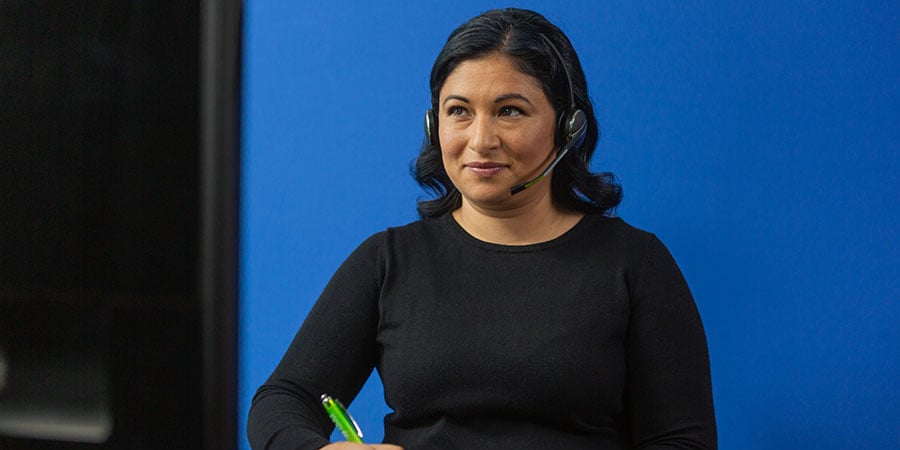


VRI, OPI, and In-Person: A Guide for Medical Interpreters
Medical interpreters bridge communication gaps between healthcare providers and patients every day. As an interpreter, you hold the power to enhance patient care and ensure that everyone receives accurate medical information. To do this effectively, you rely on different modalities to deliver your services.
The three primary modalities you will encounter are Video Remote Interpreting (VRI), Over-the-Phone Interpreting (OPI), and in-person interpreting. Each method offers unique benefits, tools, and environments for you to practice your skills. Understanding how these modalities differ helps you build a flexible work schedule, plan your career advancement, and deliver exceptional communication services.
This guide explores the unique features of VRI, OPI, and in-person interpreting. By comparing these options, you can choose the path that best supports your lifestyle and professional goals.
Over-the-Phone Interpreting (OPI)
Over-the-Phone Interpreting connects you with healthcare providers and patients through a simple audio call. Hospitals and clinics frequently use OPI for short consultations, follow-up calls, and emergency situations where they need an interpreter immediately.
How OPI Empowers Interpreters
OPI offers immense flexibility. Because you only need a reliable phone connection and a quiet space, you can often work from a home office. This setup often provides flexible scheduling options, allowing you to choose shifts that fit your personal life.
Many interpreters appreciate OPI because it removes visual distractions. You can focus entirely on the spoken word, tone, and inflection of the speaker. However, the lack of visual cues also means you must ask clarifying questions if you suspect a misunderstanding. OPI suits interpreters fluent in spoken languages rather than American Sign Language (ASL) interpreters.
Video Remote Interpreting (VRI)
Video Remote Interpreting combines the immediate access of OPI with the visual benefits of an in-person session. You connect with patients and providers using HIPAA-compliant video conferencing tools on a tablet, computer, or specialized monitor.
The Advantages of VRI
VRI brings visual context back into the conversation. You can observe body language, facial expressions, and physical discomfort, which helps you convey the full meaning of a patient's message.
For ASL interpreters holding NAD Level 4+, RID CSC, or similar certifications, VRI represents a massive opportunity. It allows you to provide remote, highly accurate services to patients nationwide. Even for qualified, spoken-language interpreters, VRI provides a deeply engaging experience without the need to commute.
AMN Healthcare provides qualified medical interpreters with the tools and support needed to thrive in VRI settings. We ensure you have reliable technology and comprehensive training to set up your equipment confidently.
In-Person Interpreting
In-person interpreting places you directly in the room with the patient and the healthcare provider. You work onsite, alongside the medical team, interpreting the conversation face-to-face.
Building Direct Connections
Nothing fully replaces the human element of being physically present. In-person interpreting allows you to read the room perfectly, manage the flow of conversation easily, and comfort patients through your physical presence. It remains highly effective for sensitive conversations, complex procedures, and end-of-life discussions.
Working on-site gives you the chance to integrate deeply with a hospital team. You learn the specific protocols of the facility and build strong professional relationships with the nursing staff. On the flip side, in-person roles require travel time and facility access. You must account for traffic, hospital navigation, and potential delays when managing your daily schedule.
Choosing the Best Fit for Your Career
Your choice between VRI, OPI, and in-person interpreting depends entirely on your lifestyle, certifications, and career goals.
If you prefer working from home, OPI and VRI provide excellent solutions. If you specialize in ASL, VRI offers a powerful way to reach patients nationwide without leaving your home office. Conversely, if you thrive on face-to-face interaction and prefer working directly inside a healthcare facility, in-person interpreting will bring you the most job satisfaction.
Many successful interpreters choose a hybrid approach. You might take in-person assignments three days a week and fill the remaining two days with remote VRI or OPI shifts. This variety keeps your skills sharp and prevents burnout.
Advance Your Interpreting Journey Today
Whether you prefer the immediate connection of OPI, the visual advantages of VRI, or the personal touch of in-person interpreting, your skills make a massive impact on patient care. Mastering these different modalities opens doors to exciting career advancement opportunities and contract renewals.
AMN Healthcare supports medical interpreters across all these modalities. We offer employee and contract roles and dedicated recruiter support. If you possess at least two years of ASL interpreter experience or six months of spoken-language interpreter experience, we want to help you grow.
Reach out to our recruitment team today to explore opportunities, discover flexible scheduling options, and take the next big step in your medical interpreting career.