

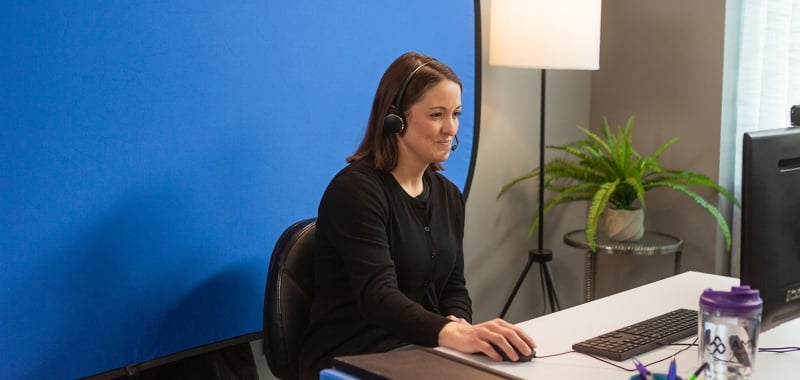
Navigating Challenges as a Video Remote Interpreter: Tips and Solutions
Video Remote Interpreting (VRI) is changing healthcare by closing communication gaps and providing instant access to qualified interpreters. For medical interpreters, VRI offers the flexibility to work remotely and significantly impact patient outcomes. However, this career also presents unique challenges.
Understanding these potential hurdles and having the right strategies can help you navigate them effectively. This guide will cover common challenges faced by video remote interpreters and offer practical solutions for success.
Top Challenges in Medical VRI
Working as a VRI in a medical setting means managing technology, complex communication, and emotionally charged situations all from a distance. While VRI enhances communication by incorporating visual cues like facial expressions and body language, interpreters still face several obstacles.
- Technical Difficulties: A stable internet connection and functioning equipment are the cornerstones of VRI. Issues like poor video quality, audio lag, or sudden disconnections can disrupt the flow of communication and compromise accuracy.
- Emotional Toll: Interpreting in sensitive medical situations, such as delivering a difficult diagnosis or discussing end-of-life care, can be emotionally draining. As a remote interpreter, you absorb this emotional weight in isolation, which can lead to compassion fatigue.
- Fast-Paced Environment: Medical settings, especially emergency rooms, are often high-pressure and fast-paced. You must process and interpret critical information quickly and accurately, often with little to no context beforehand.
Practical Tips for Success
Overcoming these challenges is key to providing excellent service and maintaining your well-being. Here are some practical tips to help you succeed as a video remote interpreter.
Master Your Technology
- Test Your Equipment: Before each shift, check your camera, microphone, and internet connection to ensure everything is working correctly.
- Have a Backup Plan: Know what to do if a technical issue arises. This could mean having a backup internet source, like a mobile hotspot, or knowing the protocol for reconnecting to a call.
- Optimize Your Workspace: Create a professional, quiet, and well-lit environment. A neutral background and good lighting ensure that patients and providers can see you clearly, which helps build trust.
Sharpen Your Communication Skills
- Set Expectations: At the beginning of a session, briefly explain your role and how the video remote interpreting process works. This helps manage expectations and establishes your control over the communication flow.
- Use Visual Cues Actively: Since you can see the participants, use visual cues to your advantage. Nod to show you are listening, raise a hand if you need to interject, and pay close attention to the body language of both the patient and provider.
- Build Rapport Quickly: Start with a warm and professional introduction. Making eye contact with the camera helps simulate direct eye contact, creating a stronger connection with the participants.
Handle Emotional Situations with Care
- Remain Neutral and Professional: Your role is to be an impartial conduit of information. While it’s natural to feel empathy, it’s crucial to maintain professional boundaries to ensure accurate interpretation.
- Practice Self-Awareness: Acknowledge the emotional impact of the sessions. Recognizing your feelings is the first step toward managing them effectively.

Self-Care and Preventing Burnout
The emotional demands of medical interpreting make self-care a professional necessity, not a luxury. Protecting your mental and emotional health is vital for a long and successful career.
- Establish Boundaries: Define your work hours and stick to them. When your shift is over, disconnect completely to allow yourself time to rest and recharge.
- Debrief and De-stress: Find healthy ways to process difficult sessions. This could involve journaling, meditating, exercising, or talking to a trusted friend or family member.
- Connect with a Support System: As a remote interpreter, it's easy to feel isolated. AMN Healthcare encourages interpreters to build a support system. Connecting with fellow interpreters provides a space to share experiences and coping strategies with others who understand the unique pressures of the job.
Find Your Next Opportunity
Being a video remote interpreter is a dynamic and fulfilling career that directly supports better clinical outcomes and improves patient satisfaction. By proactively addressing its challenges with the right tools and a strong focus on self-care, you can continue to provide invaluable communication support in the healthcare field.
If you’re ready to take the next step in your career, explore the flexible and rewarding Video Remote Interpreter jobs available at AMN Healthcare.